 By Robert Jones
By 2026, comfort during a personal care service is the baseline, not some add-on luxury. It’s become a core expectation, particularly as consumer awareness of waxing practices grows and clients get smarter. This whole shift is changing how people see routine treatments, demanding both effectiveness and a genuinely comfortable experience. So what’s really behind this push for comfort, and how are providers supposed to keep up with what today’s clients actually want?
Key Takeaways
- Newer hard wax formulas with ingredients like natural resins and skin-conditioning agents make hair removal much less uncomfortable.
- Prepping the skin before the wax, with things like gentle exfoliation and specific cleansing, directly contributes to a less painful and more effective session.
- Good post-treatment care that uses soothing ingredients and anti-inflammatory compounds cuts down on redness and irritation, which makes the client feel a lot better about the whole thing.
- Specialized techniques, like holding the skin taut and applying the wax at the right angle, are essential for making hair removal comfortable and fast.
- Teaching clients how to take care of their skin at home between appointments keeps the results lasting longer and their skin healthier.
The Story of Seraphina’s Sanctuary: A Quest for Client Comfort
Seraphina owned “Seraphina’s Sanctuary,” a well-regarded skin health studio tucked away in Atlanta’s lively Inman Park neighborhood. For years, her studio was known for its careful service and calming vibe. But toward the end of 2024, she started noticing a small but consistent change in what clients were saying about her waxing services. While they always praised the results, more and more of them were asking for a “comfortable” experience that went beyond just gritting their teeth through it. “It doesn’t hurt,” one long-time client, a marketing executive named Olivia, confided, “but I wish it felt more like pampering and less like a necessary evil.”
That comment stuck with Seraphina. She got it. In a market flooded with choices, comfort was becoming the main reason a client would choose her studio over another. The growing painless waxing demand was more than a hashtag. It showed a real shift in how consumers think about skin health and self-care. They weren’t just coming in for hair removal anymore. They were seeking an experience that respected their skin and their comfort. Seraphina realized that to stay competitive, she had to change things up. Her current high-quality soft wax worked fine, but the application and removal process often left clients with that distinct pulling feeling and some temporary redness. She had to find a better way.
The Search for Superior Wax Formulations
Seraphina dove into research, looking at the latest in hair removal technology. She talked to industry experts, joined virtual seminars, and dug into trade publications. One thing kept coming up: the huge improvements in hard wax formulations. Older hard waxes could be brittle and break, but new polymer-blended versions were way more flexible and, importantly, stuck to the hair instead of the skin. That meant less tugging and a cleaner removal. “The key,” explained Dr. Anya Sharma, a dermatologist based in Midtown Atlanta, during a virtual panel Seraphina was watching, “is the polymer content. It allows the wax to shrink around the hair follicle, encapsulating it effectively, and then lifting it with minimal trauma to the surrounding skin. This directly addresses the discomfort factor.”
So Seraphina started experimenting. She got samples of several advanced hard waxes from different makers, each with its own blend of natural resins and skin-friendly stuff like shea butter or chamomile extracts. Her mission was to find a wax that could grab coarse hair but was still gentle enough for the most sensitive spots. She tested every single one on herself and a couple of trusted staff members, taking notes on everything: adhesion, flexibility, how fast it dried, and, most importantly, how it felt coming off. She knew she wasn’t looking for a ‘magic bullet,’ but a product that actually delivered on its promise of enhanced comfort.
Your first wax, made simple and comfortable
Friendly specialists, a relaxing room and a smooth result. Find a welcoming studio near you.
Find a Studio Near You →Mastering Application Techniques: More Than Just Product
The wax was only half the battle. Seraphina quickly learned technique was just as critical. Even the best wax in the world can be painful if you don’t know what you’re doing. She sent her lead estheticians, including the very experienced Maria, to specialized training workshops on modern waxing protocols. These workshops hammered home the details of precise application angles, how to hold the skin taut correctly, and how to remove the wax with a quick, confident pull. “It’s about creating a smooth process,” Maria told her after one session, “where the client feels supported and the removal is so quick, they barely register it.”
The training also emphasized pre-treatment skin preparation. This meant using gentle cleansers to get rid of surface oils and then applying a pre-wax oil or powder, which creates a protective barrier between the wax and the skin. That barrier is what really stops the wax from sticking to skin, so it only grabs the hair. According to a 2025 report in the Cosmetics & Toiletries Science & Technology journal, proper skin prep can cut post-waxing redness by up to 30%. That’s a huge deal for client satisfaction.
Getting these new techniques integrated at Seraphina’s Sanctuary didn’t happen overnight. It took practice, patience, and a serious commitment to retraining. Seraphina even invested in new ergonomic waxing beds and better lighting so her team had the best setup possible to do their careful work. She also added a few minutes to appointment times, giving them the space to focus on each client without rushing. This combined approach, hitting both product and process, slowly started paying off.
The Role of Post-Treatment Care in Sustained Comfort
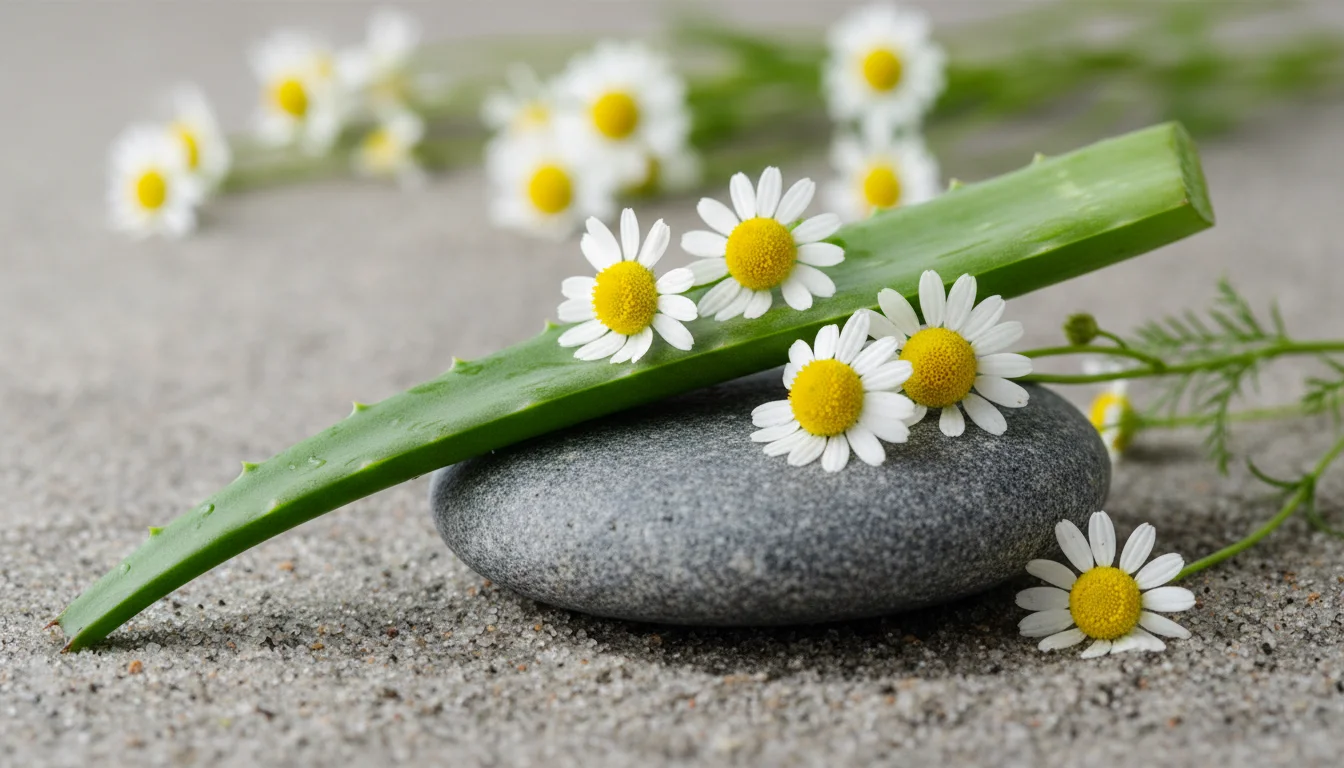
Seraphina knew the client’s comfort didn’t stop once the last strip was pulled. After all, skin health trends were all about the entire journey, and that includes solid aftercare. Clients wanted more than just immediate relief. They wanted their skin to stay healthy and comfortable long after they left the studio. So Seraphina brought in a new line of post-waxing products she picked herself for their soothing and anti-inflammatory benefits, like calming serums containing aloe vera and allantoin, and light lotions to hydrate and protect the skin.
She also made a detailed aftercare consultation a standard part of every appointment. Her estheticians now took a few extra minutes to explain why clients should avoid hot showers, tight clothes, or harsh scrubs right after a wax. They recommended specific at-home products to prevent ingrown hairs and hydrating creams to keep the skin’s barrier strong. This education gave clients the power to manage their own comfort and skin health. “We saw a noticeable decrease in clients reporting ingrown hairs or prolonged redness,” Seraphina observed. “It’s about giving them knowledge, not just performing a service.”
Olivia’s Experience: Proof of Transformation
Let’s jump to late 2025. Olivia, the marketing exec who first mentioned wanting a more comfortable service, was a regular again. Her last appointment was a completely different story. “It’s really different now,” she told Seraphina, and you could hear the surprise in her voice. “The wax feels so much gentler, almost like a warm compress, and the removal is very quick. I used to brace myself, but now I actually relax.” Olivia was especially happy with the detailed aftercare advice, which she said helped her keep her skin smooth and healthy without the irritation she used to get. She started telling her colleagues about Seraphina’s, pointing specifically to the exceptional comfort of the waxing.
And it wasn’t just talk. Seraphina’s booking data backed it up. New client bookings for waxing were up 15% in the last quarter of 2025, and a lot of them said they chose her studio because they heard it was a “comfortable” and “gentle experience.” Client retention for waxing also ticked up, showing that the better experience was building serious loyalty. Seraphina saw that her investment in better products, advanced training, and client education was working. She was doing more than just removing hair. She was creating an experience that put skin health and client well-being first.
Making the switch from just effective hair removal to a genuinely comfortable, pampering experience means you have to understand what clients expect now, be willing to adopt new tech and products, and commit to educating your clients. Seraphina’s story is a perfect example of how focusing on these things can help any skin health professional meet and even surpass the growing demand for comfort.
This focus on comfort in professional services is a real shift in consumer values, not some passing trend. When you prioritize top-tier techniques, better products, and complete aftercare, you build lasting client loyalty and make the entire visit better.
What’s the main reason for the growing demand for comfortable waxing?
It’s mostly because clients know a lot more about overall skin health now. They’re seeking personal care treatments that are gentle and well-rounded, focusing on minimizing discomfort and promoting skin well-being, not just getting a result.
How do new hard waxes make the experience more comfortable?
Modern hard waxes, which often have polymers and natural emollients, are made to adhere to the hair, not the skin. The wax actually shrink-wraps the hair follicle, letting it lift out with very little pulling on the surrounding skin, which is what makes it less painful.
What part does pre-wax skin prep play in comfort?
Pre-treatment skin prep, like cleansing and applying pre-wax oils or powders, creates a barrier that protects the skin. This ensures the wax grips the hair more effectively and minimizes skin irritation, which makes the whole removal process smoother and much less uncomfortable.
Why is aftercare so important for long-term comfort?
Post-treatment care is essential for soothing the skin, reducing any redness or inflammation, and helping prevent common issues like ingrown hairs. Using hydrating and protective products, along with giving clients good advice for home care, helps maintain the skin’s barrier and extends the benefits of the waxing service.
Can good application technique really make that much of a difference?
Yes, absolutely. Proper technique, things like precise wax application, correct skin tensioning, and a swift removal, is paramount. Even with the best wax in the world, a flawed technique can cause unnecessary discomfort, while an expert application makes the experience efficient and significantly gentler.


