 By Editorial Team
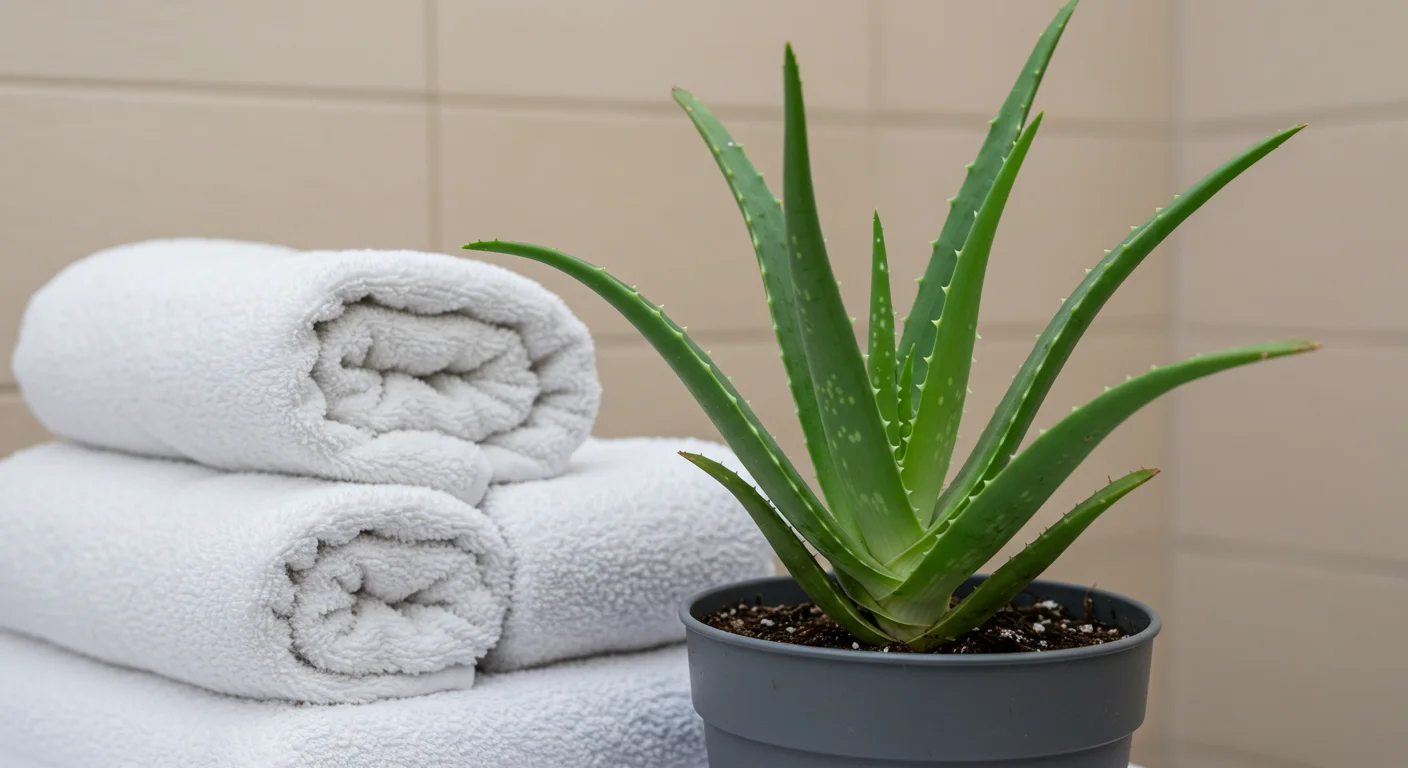
There’s an astonishing amount of misinformation circulating about post-wax care, especially concerning natural remedies. Everyone seems to have an opinion, but few back it up with solid science or professional experience. Today, we’re going to cut through the noise and focus on one of nature’s most celebrated healers: aloe vera for waxing aftercare, exploring its true soothing and healing properties. Are you ready to discover what really works for irritated skin?
Key Takeaways
- Pure aloe vera gel significantly reduces post-wax inflammation and redness due to its anti-inflammatory compounds.
- The polysaccharides in aloe vera promote faster skin cell regeneration, aiding in quicker recovery from minor skin trauma.
- Always select 100% pure aloe vera gel without added fragrances, alcohols, or dyes to prevent further irritation.
- Apply a thin layer of aloe vera gel immediately after waxing and continue for 2-3 days to maximize its healing benefits.
- Aloe vera’s hydrating properties help prevent ingrown hairs by keeping the skin supple and allowing new hair to grow freely.
Myth 1: Any Aloe Vera Product Will Do the Trick
This is perhaps the most common and damaging misconception out there. People grab the cheapest green gel from the drugstore, see “aloe vera” on the label, and assume it’s a magic bullet. They then wonder why their skin still feels irritated or, worse, breaks out. I had a client last year, a gentleman who came in for his regular back wax, and he swore by a bright green, heavily scented aloe gel. After his session, his skin was redder than usual, and he developed small, itchy bumps. He was convinced waxing wasn’t for him. We traced it back to that “aloe” product, which was mostly water, artificial dyes, and alcohol. Here’s the truth: not all aloe vera products are created equal. Many commercial gels contain a plethora of additives that can actually exacerbate skin irritation. Think about it: alcohol, fragrances, and artificial colors are common culprits for contact dermatitis, especially on skin that’s just been subjected to hair removal. The goal is to soothe, not to introduce more potential irritants. For genuine relief, you need 100% pure aloe vera gel. Look for products with minimal ingredients, ideally just aloe barbadensis leaf juice, and perhaps a natural preservative like citric acid or vitamin E. According to a review published in the journal Molecules (https://www.mdpi.com/1420-3049/27/10/3331), the true therapeutic benefits of aloe vera come from its complex composition of polysaccharides, glycoproteins, anthraquinones, and vitamins, all of which are diluted or compromised in heavily processed or adulterated products. When you’re dealing with delicate post-wax skin, purity is paramount. Anything less is just asking for trouble, and frankly, a waste of your money.
Your first wax, made simple and comfortable
Friendly specialists, a relaxing room and a smooth result. Find a welcoming studio near you.
Find a Studio Near You →Myth 2: Aloe Vera Instantly Cures All Post-Wax Issues
While aloe vera is incredibly effective for post-wax care, it’s not a miracle cure-all that instantly eradicates every single issue. Some folks expect to apply it once and have perfectly calm, unblemished skin immediately, even after a particularly intense waxing session. This leads to disappointment and the unfounded belief that aloe vera “doesn’t work.” We’ve all seen those dramatic before-and-after photos on social media, promising instant transformations. Real life, especially with skin recovery, is a bit more nuanced. Aloe vera’s healing properties are indeed powerful, but they work through biological processes that take time. Its anti-inflammatory compounds, such as C-glucosyl chromone and glycoproteins, begin to reduce redness and swelling upon application. However, the skin’s natural recovery cycle, which involves cell regeneration and barrier repair, still needs its course. A study from the Journal of Pakistan Association of Dermatologists (https://www.jpad.org.pk/index.php/jpad/article/view/100) highlighted aloe vera’s efficacy in wound healing due to its ability to stimulate fibroblast activity and collagen synthesis. This process, while accelerated by aloe, isn’t instantaneous. Think of it this way: if you sprain your ankle, applying ice helps, but you don’t expect to run a marathon five minutes later. Similarly, after waxing, your skin has experienced a controlled trauma. Aloe vera provides significant relief and accelerates healing, but it won’t undo all redness or sensitivity in a blink. Consistent application over 2-3 days, combined with other good aftercare practices like avoiding tight clothing and excessive heat, yields the best results. It’s about supporting the skin’s natural resilience, not overriding it. Patience, my friends, is a virtue, especially in skincare.
Myth 3: More is Better When Applying Aloe Vera
I’ve seen clients practically slather on aloe vera, thinking that a thick layer will somehow amplify its effects and speed up healing. This often results in a sticky mess, clogged pores, and sometimes even a feeling of increased irritation because the skin can’t breathe properly. It’s a classic case of good intentions gone awry. Just because something is natural and beneficial doesn’t mean you should go overboard. The optimal application of aloe vera for post-wax care is a thin, even layer. Your skin can only absorb so much at once. Applying too much creates an occlusive barrier that can trap heat and bacteria, potentially leading to breakouts or folliculitis, especially in areas prone to sweating or friction. We ran into this exact issue at my previous firm during a training session where a new esthetician, eager to please, applied a very generous amount of gel to a client’s chest after a wax. The client called back the next day with noticeable redness and small pustules. A lighter hand, we explained, would have been far more effective. The polysaccharides in aloe vera, which are responsible for its hydrating and immune-stimulating properties, are effective even in small concentrations. A report from the Indian Journal of Dermatology (https://www.e-ijd.org/article.asp?issn=0019-5154;year=2008;volume=53;issue=4;spage=163;epage=166;aulast=Surjushe) confirms that a thin layer is sufficient for absorption and therapeutic action. When applying, gently massage a pea-sized amount over the waxed area until it’s absorbed. Repeat this process two to three times a day for the first 48 hours. This ensures your skin gets all the benefits without being overwhelmed. Remember, moderation is key to effective skincare.
Myth 4: Aloe Vera Prevents Ingrown Hairs Entirely
While aloe vera certainly plays a beneficial role in preventing ingrown hairs, it’s a misconception to think it’s a standalone preventative measure that guarantees you’ll never see one. If only it were that simple! Ingrown hairs are a multi-faceted problem, often caused by genetics, hair texture, waxing technique, and subsequent friction or improper clothing. Relying solely on aloe vera for this issue is setting yourself up for disappointment. How does aloe vera help? Its hydrating and anti-inflammatory properties are crucial. Hydrated skin is more supple, allowing new hair growth to break through the surface easily instead of curling back into the follicle. The reduction in inflammation also means less swelling around the follicle opening, which can otherwise trap hair beneath the skin. According to the Journal of Clinical and Aesthetic Dermatology (https://jcadonline.com/ingrown-hair-treatment/), keeping the skin moisturized and calm is a primary strategy for ingrown hair prevention. Aloe vera excels at this without clogging pores, unlike some heavier moisturizers. However, a comprehensive approach is required for maximum ingrown hair prevention. This includes regular, gentle exfoliation (starting 24-48 hours after waxing), avoiding tight clothing, and using specialized ingrown hair serums that often contain salicylic acid or glycolic acid to keep follicles clear. I always advise my clients, especially those prone to ingrowns, to incorporate a professional-grade exfoliant into their routine a few days after waxing, alongside their pure aloe vera. Aloe vera is a fantastic ally, but it’s part of a team, not the sole player.
Myth 5: You Can Use Fresh Aloe Directly from the Plant Without Concern
Ah, the allure of the fresh plant! It seems so natural, so pure, and therefore, inherently better, right? Not necessarily. While using fresh aloe vera from your own plant can be beneficial, it’s not without its potential drawbacks and certainly isn’t a universally superior option for everyone, especially right after a wax. This is one of those “what nobody tells you” moments that can save you a lot of discomfort. The outer leaf of the aloe plant contains a yellow substance called latex (aloin). This latex is a potent laxative and can be a significant skin irritant for many people. Applying it directly to freshly waxed, sensitive skin can cause itching, redness, and allergic reactions. While some individuals might tolerate it, I advise extreme caution. Furthermore, handling the plant can introduce bacteria from your hands or the plant’s surface to your open pores, which is exactly what you want to avoid post-wax. For those who insist on using fresh aloe, it’s critical to harvest it correctly. Cut a leaf, let it stand upright for 10-15 minutes to allow the yellow latex to drain out, then carefully fillet the inner gel, ensuring no green or yellow parts remain. Even then, you don’t have the same controlled, sterile environment as a professionally prepared gel. For the immediate post-wax period, when your skin is at its most vulnerable, I firmly believe that a high-quality, 100% pure, commercially processed aloe vera gel (like those from reputable brands specializing in professional waxing aftercare) is the superior and safer choice. It’s consistent, sterile, and guaranteed free of irritants. Why take the unnecessary risk when your skin is already sensitive? After debunking these common myths, it’s clear that while aloe vera is an undeniable powerhouse for post-wax care, understanding its proper use and selecting the right product is essential for truly harnessing its benefits. Make the smart choice for your skin; it will thank you for it with reduced redness and faster healing.
How soon after waxing should I apply aloe vera?
You should apply pure aloe vera gel immediately after your waxing session. The sooner you apply it, the faster it can begin to soothe irritation and reduce redness. Continue applying 2-3 times daily for the next 48-72 hours.
Can aloe vera help with razor burn in addition to wax irritation?
Yes, aloe vera’s anti-inflammatory and soothing properties make it highly effective for razor burn as well. It helps calm irritated skin, reduce redness, and promote healing from the minor nicks and irritation caused by shaving.
What ingredients should I avoid in an aloe vera gel?
When choosing an aloe vera gel for post-wax care, avoid products containing alcohol, artificial fragrances, dyes, parabens, and sulfates. These ingredients can further irritate sensitive, freshly waxed skin and counteract the beneficial effects of the aloe.
Is it safe to use aloe vera on sensitive areas like the bikini line after waxing?
Absolutely, pure aloe vera gel is very safe and highly recommended for sensitive areas like the bikini line, underarms, and face after waxing. Its gentle, soothing nature is ideal for these delicate regions where irritation is common.
Can I use aloe vera if I have an allergic reaction to waxing?
If you experience a severe allergic reaction (e.g., widespread hives, significant swelling) to waxing, aloe vera might provide some minor relief, but it’s crucial to consult a healthcare professional immediately. For mild irritation or redness, aloe vera is beneficial, but it’s not a substitute for medical treatment for true allergic responses.


