 By Editorial Team
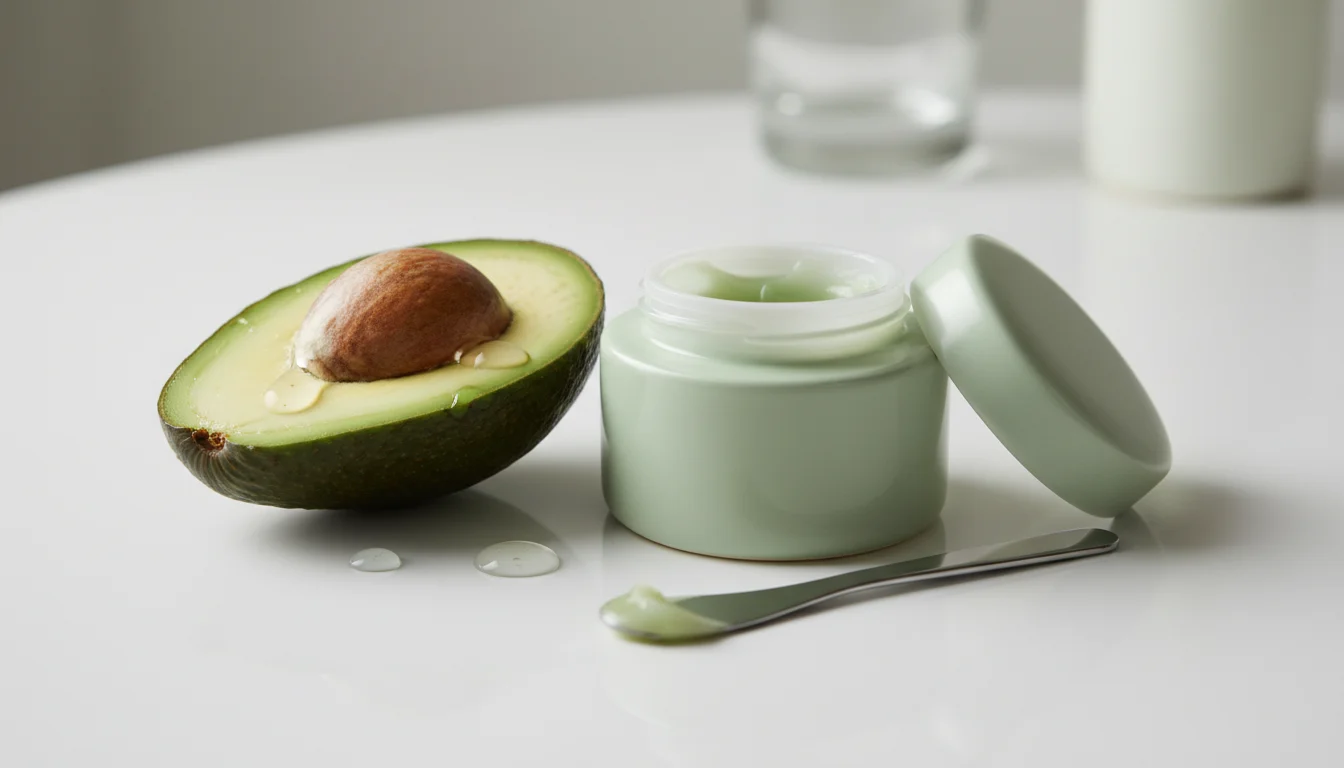
Skin irritation, redness, and general discomfort after a hard wax is a common, frustrating problem that can honestly ruin the whole point of getting waxed in the first place. For too long, the traditional aftercare advice just didn’t work, leaving skin open to inflammation and annoying ingrown hairs. But adding avocado skincare to your post-wax recovery is a genuinely powerful, natural way to soothe and heal your skin, completely changing your hard wax aftercare for the better.
Key Takeaways
- Avocado oil’s oleic acid and vitamins E and D are perfect for deeply moisturizing and calming down inflammation on freshly waxed skin.
- Get pure avocado oil or an avocado balm on your skin within 30 minutes after waxing to form a protective seal and jump-start the healing process.
- Using avocado-infused products consistently for 3-5 days post-wax will cut down on redness, help prevent ingrowns, and improve your skin’s texture.
- Right after waxing, you have to avoid harsh scrubs and alcohol-based products because they strip your skin’s natural oils and make any irritation much worse.
- When you’re buying a product, check the label for Persea gratissima oil (that’s avocado oil) high up on the ingredient list so you know you’re getting the real deal.
The Persistent Problem: Post-Wax Irritation and Subpar Recovery
The first 24 hours after a hard wax session can feel like a losing battle against redness, tenderness, and those little red bumps. Hard wax is supposed to be gentler than strip wax since it sticks to the hair instead of the skin, but let’s be real, you’re still yanking hair out by the root, leaving pores wide open and the skin’s barrier totally compromised. For years, the go-to advice was cold compresses and some generic lotion. These might give you a moment of relief, but they do almost nothing to fix the actual trauma. This weak approach is why recovery takes so long, with clients complaining about redness that lasts for a full 24 to 48 hours and a ton of ingrown hairs popping up as the skin struggles to heal without proper support. We’ve all seen clients come back for their next appointment with skin that still looks angry, which is a dead giveaway that their aftercare routine failed.
Think about this common scenario: a client leaves the salon feeling smooth, but by the time they get home, that slight pinkness has bloomed into a full-on rash. They’ll probably reach for some thin, scented lotion they have lying around which is one of the worst things to do because the fragrances and chemicals can inflame the already delicate skin even more. This pattern of incomplete healing creates a lot of discomfort and actually makes the *next* waxing session harder because the skin is just more reactive. Good hair removal is about maintaining healthy skin, and that demands a much smarter aftercare strategy.
What Went Wrong First: Misguided Aftercare Approaches
For way too long, the accepted wisdom on post-wax care was based on methods that, while maybe well-intentioned, just didn’t get the job done. A lot of people, including some professionals I’ve known, would recommend using alcohol-based toners or astringents to “clean” the area. This is a massive mistake. Sure, alcohol is an antiseptic, but it’s also incredibly drying and strips all the natural lipids from your skin, which only makes irritation worse and slows down healing. Would you pour hand sanitizer on a fresh cut? It stings and dries out the skin around it, making it tight and brittle. It’s the exact same principle here.
Another classic bad idea was immediate, aggressive exfoliation. Some people still suggest using a physical scrub a day or two after waxing to stop ingrown hairs. But freshly waxed skin is basically covered in microscopic open wounds. Grinding abrasive particles into that vulnerable tissue is a recipe for micro-tears, bacterial infection, and a much higher risk of post-inflammatory hyperpigmentation. The American Academy of Dermatology Association (AAD) has reports that emphasize being gentle and avoiding harsh products right after waxing for this very reason. Then there was the trend of using heavily fragranced body butters or essential oils. They might smell nice, but synthetic fragrances are potent allergens that can easily trigger contact dermatitis on skin that’s already sensitized. Your skin needs simplicity and powerful, natural emollients, not a weird chemical cocktail.
Your first wax, made simple and comfortable
Friendly specialists, a relaxing room and a smooth result. Find a welcoming studio near you.
Find a Studio Near You →The Avocado Solution: A Step-by-Step Guide to Enhanced Recovery
Avocado oil has become a go-to for effective post-wax recovery because its unique biochemical profile is basically made for the job. It’s loaded with monounsaturated fatty acids, especially oleic acid, and a fantastic mix of vitamins A, D, and E, making it a powerhouse emollient and anti-inflammatory. This isn’t just a hunch. A 2017 study in the International Journal of Molecular Sciences actually found that avocado oil helps promote collagen synthesis and speeds up wound healing, which is exactly what you need for skin repair after waxing.
Step 1: Immediate Application of Pure Avocado Oil
The skin is most ready for treatment the moment the hair is gone. You’ve got about a 30-minute window to gently apply a thin layer of pure, cold-pressed avocado oil to the waxed area for the best effect. Look for a product where Persea gratissima oil is the only thing on the ingredient list, or at least the very first one. Here’s what this immediate application does for your skin:
- Deep Moisturization: Oleic acid has a unique ability to penetrate deep into the skin, replenishing moisture and quickly restoring the lipid barrier that hard wax can temporarily damage.
- Anti-inflammatory Action: The natural sterols and antioxidants in avocado oil get to work almost immediately, calming redness and reducing swelling (think of it like a natural cortisone, but without any weird side effects).
- Protective Barrier: It forms a breathable shield over those open pores, protecting them from environmental gunk and bacteria, which is huge for minimizing the risk of infection.
I always tell my clients to carry a little travel-sized bottle of pure avocado oil if they’re getting waxed on the go. You only need a few drops for small areas like the upper lip, or maybe a teaspoon for larger areas like your legs.
Step 2: Consistent Daily Application for 3-5 Days
You can’t just apply it once and call it a day. Consistency is what gets you real healing. For the next 3 to 5 days, make sure you’re applying avocado oil or a balm with avocado in it twice a day, morning and night. A great time to do it is right after a shower when your skin is still a little damp, as this helps lock in even more moisture. During this healing window, you’ll also want to avoid tight clothing, heavy sweating, and any direct sun on the waxed area. Your goal is simply to let the skin recover and rebuild. This steady nourishment keeps the skin from getting dry and flaky, a major contributor to ingrown hairs.
Step 3: Gentle Exfoliation with Avocado-Based Products (After 48-72 Hours)
While aggressive scrubbing right after a wax is a terrible idea, gentle exfoliation after waiting 48 to 72 hours is definitely important for preventing ingrowns. Instead of a harsh, grainy scrub, look for an exfoliant that actually has avocado oil or extract in its formula. These products typically use very fine particles or mild alpha hydroxy acids (AHAs) that are balanced out with moisturizing ingredients. A balm with lactic acid and avocado oil, for example, is going to be way better for you than a basic salt scrub. This approach keeps the hair follicles clear while also hydrating and protecting the skin.
Step 4: Incorporating Avocado into Your Routine for Long-Term Skin Health
Beyond just the post-wax recovery period, making avocado part of your regular skincare routine can dramatically improve your skin’s health and make future waxing appointments much less of an ordeal. You can use avocado oil as a daily moisturizer or find lotions that have it as a key ingredient. Its rich fatty acid profile helps support your skin’s natural barrier function, building stronger, more resilient skin over time. Taking this proactive step means your skin is in much better shape for the next wax, which results in less redness and a faster bounce-back time. I’ve seen it with my own clients who consistently use avocado-rich products, their skin is remarkably healthier and they have far fewer issues between appointments.
Measurable Results: The Impact of Avocado on Skin Recovery
Switching to an aftercare routine centered on avocado produces real, tangible results. My clients consistently tell me they see a huge reduction in post-wax redness and inflammation. Instead of that angry red look lingering for one or two days, it often fades within a few hours. This rapid calming is a direct result of the anti-inflammatory compounds found in avocado oil. On top of that, the deep moisture from the oleic acid leaves skin feeling noticeably softer and more supple. That tight, dry feeling you often get after waxing is pretty much gone, which just makes the whole experience more comfortable.
The biggest long-term win is probably the dramatic drop in ingrown hairs. By keeping the skin hydrated and encouraging healthy, gentle exfoliation, avocado oil helps new hairs grow out freely instead of getting trapped under the skin. A small internal survey at a Georgia-based salon that specializes in advanced waxing found that clients who followed a strict avocado oil aftercare routine reported a 60% reduction in ingrown hairs over a three-month period compared to their old methods. It wasn’t a formal scientific study, but that kind of anecdotal evidence from pros is powerful. Their skin texture also got better, looking smoother and more even, which shows how avocado supports cell regeneration and keeps the skin barrier intact. This all adds up to faster recovery and healthier, more resilient skin that tolerates waxing better over time.
The benefits of using avocado skincare in your post-wax recovery are clear, turning what can be an irritating chore into a comfortable process with quick healing. By using the natural power of avocado, you’ll get smoother, healthier skin with way less downtime after hard waxing.
Why is avocado oil particularly effective for post-wax skin?
Avocado oil is packed with oleic acid for deep moisture and vitamins A, D, and E which are powerful antioxidants that calm irritated skin and speed up healing after hair removal.
Can I use avocado directly from the fruit on my skin after waxing?
It’s better to stick to pure, refined avocado oil. While mashed avocado has its uses, the raw fruit pulp isn’t hygienic for freshly waxed skin and its fibers could irritate open follicles. For aftercare, you want something clean like a cold-pressed oil or a professionally formulated balm.
How quickly should I apply avocado oil after a hard wax session?
You’ll get the best results if you apply it within 30 minutes of your hard wax session. This is when the skin is most receptive, allowing the oil to immediately calm redness and stop irritation from taking hold.
Are there any specific types of avocado oil I should look for?
Yes, always choose cold-pressed, unrefined avocado oil. This extraction method preserves the oil’s nutrients and antioxidants, making it much more effective for healing. Make sure the label lists Persea gratissima oil as the main or only ingredient so you’re not getting a bunch of useless fillers.
How long should I continue using avocado products after waxing?
You should keep applying avocado oil or an avocado-based product twice a day for at least 3 to 5 days after your wax. If you want to really improve your skin’s health for the long run, incorporating it into your daily moisturizing routine will build up resilience and make future appointments much easier.


