 By Editorial Team
After a professional hair removal session, your skin is at its most vulnerable. While many reach for standard lotions, understanding the power of specialized post-wax soothing balms is a game-changer for comfort and recovery. These aren’t just fancy moisturizers; they’re formulated with targeted ingredients to calm irritation, reduce redness, and prevent common post-wax woes. But how exactly do you incorporate them into your routine for optimal bikini aftercare and overall skin health? I’ll show you how to move beyond basic lotions and truly nurture your skin.
Key Takeaways
- Immediately after waxing, apply a cold compress for 5 to 10 minutes to constrict blood vessels and reduce initial redness and swelling.
- Within 15 minutes of your waxing session, gently cleanse the waxed area with a fragrance-free, pH-balanced cleanser to remove residual wax and prevent pore clogging.
- Apply a specialized post-wax soothing balm twice daily for the first 3 days, ensuring it contains ingredients like aloe vera, chamomile, or calendula to actively reduce inflammation.
- Exfoliate the treated area 2 to 3 times per week starting 48 hours post-waxing, using a gentle physical or chemical exfoliant to prevent ingrown hairs.
- Maintain skin hydration by drinking at least 8 glasses of water daily and applying a lightweight, non-comedogenic moisturizer to the waxed area after the initial balm application period.
1. Immediate Post-Wax Cooling Protocol
The first few minutes after a waxing session are critical. Your skin is likely to be red, warm, and a little tender. My approach has always been to prioritize immediate cooling to mitigate inflammation before it fully sets in. Think of it as hitting the reset button for your skin’s comfort levels.
Pro Tip: Don’t underestimate the power of cold. It not only soothes but also helps to constrict blood vessels, reducing the visible redness and swelling. This is particularly important for sensitive areas like the bikini line.
Step-by-Step:
- Prepare Your Compress: Dampen a clean, soft cloth (like a microfiber towel or a fresh washcloth) with cool water. For an extra boost, you can wrap a few ice cubes in the cloth, but never apply ice directly to the skin.
- Gentle Application: Lightly press the cool compress onto the freshly waxed area. Hold it there for 5 to 10 minutes. You’re not trying to freeze your skin, just bring down its temperature.
- Repeat if Necessary: If the area still feels hot or excessively red after 10 minutes, you can repeat the application for another 5 minutes after a brief break.
Common Mistakes: Using a compress that’s too cold (direct ice) can cause freezer burn, which is the last thing your sensitive skin needs. Also, rubbing the skin with the compress will only irritate it further; gentle pressure is key.
2. Cleansing and Preparing for Balm Application
Once the initial heat has subsided, cleansing is the next crucial step. This isn’t about scrubbing; it’s about gently removing any residual wax, sweat, or environmental impurities that could clog pores and lead to irritation or breakouts. I’ve seen countless clients skip this step, only to come back with complaints of bumps and redness. It’s a foundational element of effective post-wax comfort.
Confidence-boosting bikini & Brazilian waxing
Gentle, expert waxing that leaves you smooth for weeks. Find a trusted studio near you.
Find a Studio Near You →Step-by-Step:
- Choose the Right Cleanser: Opt for a fragrance-free, pH-balanced cleanser. Look for products specifically designed for sensitive skin or post-procedure care. My personal go-to for clients is a gentle micellar water, like Bioderma Sensibio H2O Micellar Water, applied with a cotton pad. It’s incredibly effective at lifting impurities without stripping the skin’s natural barrier.
- Gentle Application: Dispense a small amount of cleanser onto a clean cotton pad or your fingertips. Gently wipe or pat the waxed area. Do not rub vigorously. The goal is to clean, not to exfoliate at this stage.
- Rinse (If Necessary): If you’re using a rinse-off cleanser, use lukewarm water to gently rinse the area, then pat dry with a clean towel. For micellar water, no rinsing is needed.
- Ensure Dryness: Make sure the skin is completely dry before moving on to the balm application. Moisture can harbor bacteria, which is something we definitely want to avoid.
Pro Tip: Always use fresh, clean towels. Reusing towels, even just once, can reintroduce bacteria to freshly opened pores, increasing the risk of infection or irritation. This is one of those small details that makes a huge difference.
3. Selecting and Applying Your Soothing Balm
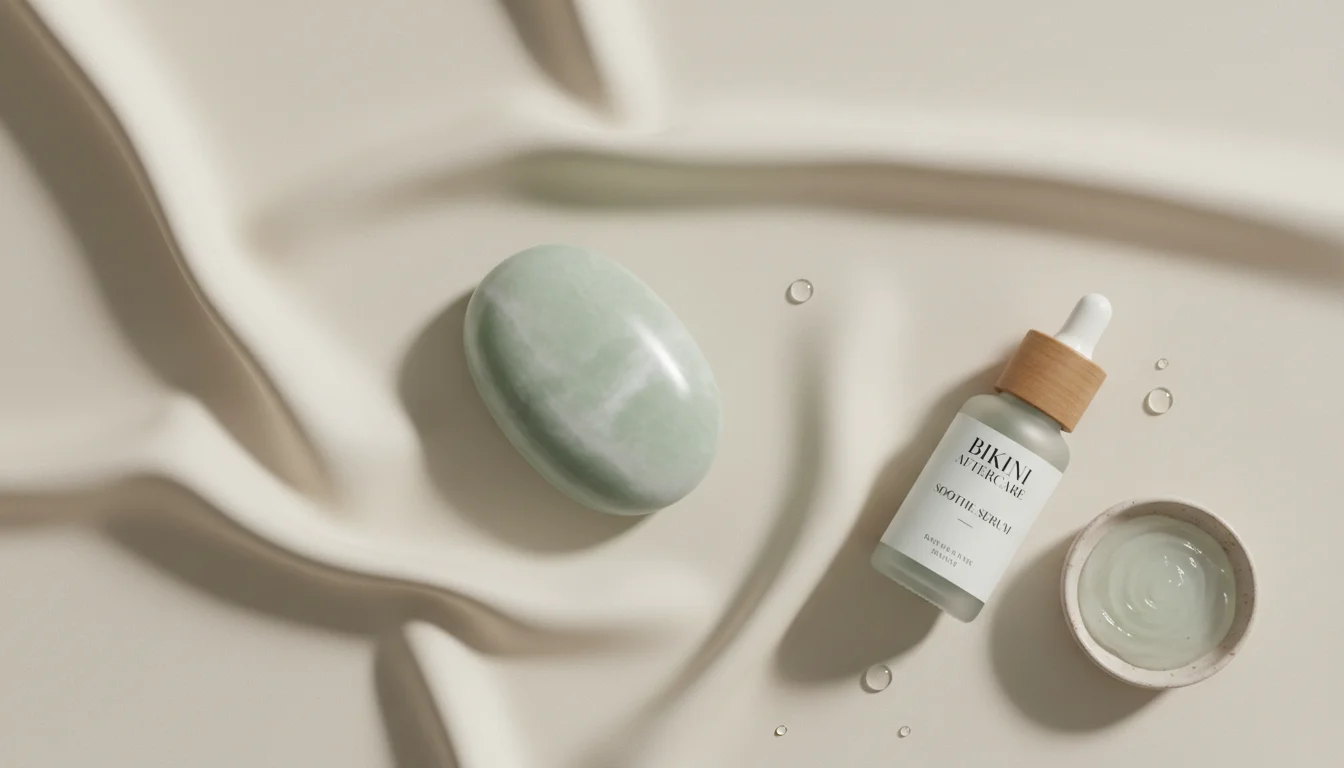
Now for the star of the show: the soothing balm. This is where you move beyond basic hydration and actively work to reduce inflammation, promote healing, and prevent ingrown hairs. Not all balms are created equal, and choosing the right one is paramount. I always recommend balms formulated specifically for post-wax care, as they contain a higher concentration of beneficial ingredients than a general body lotion.
Case Study: Last year, I had a client, Sarah, who consistently struggled with severe redness and itching after her bikini waxes, despite following all other aftercare instructions. We discovered she was using a heavily fragranced body lotion. I recommended switching to a specialized post-wax balm containing aloe vera, chamomile extract, and tea tree oil. Within two sessions, her post-wax recovery time was cut in half, and she reported a 70% reduction in itching. Her skin was visibly calmer and healthier. This isn’t just anecdotal; the right ingredients make a tangible difference.
Step-by-Step:
- Choose Your Balm Wisely: Look for balms with ingredients known for their anti-inflammatory and antiseptic properties. Excellent choices include:
- Aloe Vera: A classic for soothing and hydrating.
- Chamomile Extract: Known for its calming and anti-inflammatory effects.
- Calendula Oil: Promotes healing and reduces redness.
- Tea Tree Oil: A natural antiseptic, great for preventing breakouts, but ensure it’s diluted in the balm.
- Allantoin: Helps to heal and soothe irritated skin.
- Glycerin/Hyaluronic Acid: For hydration without clogging pores.
Avoid balms with synthetic fragrances, harsh alcohols, or dyes, especially for sensitive areas. A great example of a product that fits the bill is Fur Ingrown Concentrate, which I often recommend for targeted relief, or a more general soothing balm like Tend Skin Solution for broader application.
- Dispense the Right Amount: A pea-sized amount is usually sufficient for a small area. For larger areas, you might need slightly more, but remember that a little goes a long way with concentrated balms.
- Gentle Application: Warm the balm between your fingertips and gently pat or lightly massage it into the waxed area. Use upward strokes if applying to the legs, but for the bikini area, a gentle patting motion is often best. The goal is even coverage, not deep tissue massage.
- Frequency: Apply the soothing balm twice daily (morning and evening) for the first 3 to 5 days after your wax. This consistent application is key to managing initial irritation and promoting healing.
Common Mistakes: Over-applying product can actually clog pores. Also, using a balm that’s too thick or contains occlusive ingredients like heavy petroleum jelly too early can trap heat and bacteria, leading to breakouts. Stick to lighter, breathable formulations initially.
4. Preventing Ingrown Hairs: Exfoliation and Hydration
The battle against ingrown hairs begins a couple of days post-wax. This is where many people falter, either by exfoliating too soon, too harshly, or not at all. Ingrown hairs are a common concern, especially in areas with coarser hair growth, and proactive measures are far more effective than reactive treatments.
Step-by-Step:
- When to Start Exfoliating: Wait at least 48 hours after your wax before you introduce exfoliation. Your skin needs time to recover from the initial trauma. Starting too early can cause more irritation.
- Choose Your Exfoliant:
- Gentle Physical Exfoliant: A soft brush (like a dry brush or a body brush with soft bristles) or a washcloth can be used in the shower with a mild body wash. Avoid harsh scrubs with large, jagged particles.
- Chemical Exfoliant: Products containing mild Alpha Hydroxy Acids (AHAs) like glycolic acid or Lactic Acid, or Beta Hydroxy Acids (BHAs) like salicylic acid, are excellent for gently dissolving dead skin cells and preventing hair from getting trapped. Look for serums or lotions with a low concentration (e.g., 5-10% AHA). A product like Paula’s Choice 2% BHA Liquid Exfoliant is a solid choice, but start with a lower concentration for sensitive areas.
- Application Technique:
- Physical: In the shower, gently buff the area in small, circular motions. Don’t scrub aggressively.
- Chemical: Apply with a cotton pad or your clean fingertips to dry skin after showering. No need to rinse.
- Frequency: Exfoliate 2 to 3 times per week. Over-exfoliating can strip your skin and lead to more irritation.
- Consistent Hydration: After the initial 3-5 days of balm application, transition to a lightweight, non-comedogenic moisturizer daily. This keeps the skin supple, making it easier for new hair to grow through without getting trapped. Look for ingredients like shea butter, ceramides, or squalane.
Pro Tip: Hydration isn’t just external. Drinking plenty of water (I aim for at least 8 glasses a day) keeps your skin healthy and resilient from the inside out. Dehydrated skin is more prone to ingrown hairs and irritation.
5. Ongoing Maintenance and Protection
Post-wax care isn’t a one-time event; it’s an ongoing commitment to healthy skin. This final step focuses on protecting your freshly waxed skin and maintaining its smooth, comfortable state between sessions. Ignoring these steps can undo all your hard work.
Step-by-Step:
- Avoid Tight Clothing: For the first 24-48 hours, opt for loose-fitting clothing made from breathable fabrics like cotton. Tight clothing can cause friction and trap sweat, leading to irritation and potential breakouts.
- Steer Clear of Heat: Avoid hot baths, saunas, steam rooms, and intense workouts for at least 24 hours. Excessive heat and sweat can irritate open pores. Lukewarm showers are fine.
- Sun Protection: Freshly waxed skin is more susceptible to sun damage. If the waxed area will be exposed to the sun, apply a broad-spectrum sunscreen with an SPF of 30 or higher. This is especially true for facial waxing, but don’t forget areas like the bikini line if you’re planning to swim or sunbathe.
- Resist Picking: It can be tempting to pick at any small bumps or ingrown hairs that might appear. Don’t! This can lead to infection, scarring, and hyperpigmentation. Instead, continue with your gentle exfoliation and soothing balm routine. If an ingrown hair is persistent, a warm compress can sometimes help it to surface naturally.
- Regular Waxing Schedule: Maintaining a consistent waxing schedule (typically every 3 to 6 weeks, depending on hair growth) can actually reduce skin sensitivity over time and lead to finer, sparser hair regrowth, making subsequent sessions more comfortable and aftercare easier.
Editorial Aside: Many people treat post-wax care as an afterthought, but in my 15 years of experience, it’s as crucial as the waxing itself. You wouldn’t neglect your skin after a facial, so why after hair removal? Invest in quality products and a consistent routine; your skin will thank you.
Mastering your post-wax care routine, especially with the strategic use of soothing balms, transforms the experience from a temporary discomfort to a smooth, comfortable journey. By following these steps, you’re not just treating your skin; you’re actively nurturing it for lasting health and radiance.
What is the difference between a post-wax soothing balm and a regular lotion?
A post-wax soothing balm is specifically formulated with a higher concentration of active ingredients like aloe vera, chamomile, calendula, or tea tree oil, designed to reduce inflammation, prevent ingrown hairs, and promote healing in freshly waxed skin. Regular lotions, while moisturizing, typically lack these targeted therapeutic properties and may contain fragrances or ingredients that could irritate sensitive skin.
How soon after waxing should I apply a soothing balm?
You should apply a soothing balm as soon as your skin has been gently cleansed and patted dry, typically within 15 to 30 minutes after your waxing session. Immediate application helps to calm irritation and redness before it intensifies.
Can I use a body oil instead of a balm for post-wax care?
While some body oils can be moisturizing, they generally aren’t as effective as specialized balms for immediate post-wax soothing and anti-inflammatory action. Oils can also be more occlusive, potentially trapping heat or bacteria in freshly opened pores. Stick to balms with targeted active ingredients for the first few days.
How often should I exfoliate after waxing to prevent ingrown hairs?
Begin gentle exfoliation 48 hours after your wax, and then continue 2 to 3 times per week. Over-exfoliating can irritate the skin, so finding a balance is key to preventing ingrown hairs without causing further sensitivity.
What ingredients should I avoid in post-wax products?
Avoid products containing synthetic fragrances, harsh alcohols (like ethanol or isopropyl alcohol), strong dyes, and heavy mineral oils or petroleum jelly immediately after waxing. These ingredients can irritate sensitive skin, clog pores, or hinder the skin’s natural healing process.


