 By Editorial Team
For many, the thought of professional hair removal in the bikini area conjures images of excruciating pain, redness, and irritation, making them hesitant to pursue a smooth finish. This common apprehension stems from past negative experiences or anecdotal horror stories, but modern techniques and products have significantly transformed the process, making it far more tolerable than you might imagine. We’re here to demystify the experience and highlight how to achieve a comfortable, lasting result, and the least-painful choices for the bikini area. The comfort criteria consistently favor hard wax and skilled technique, ensuring not just less pain, but also superior skin health. But how exactly do you navigate the options to find the best, most comfortable solution?
Key Takeaways
- Opting for hard wax over soft wax is the most effective way to minimize discomfort in sensitive areas like the bikini line, as it adheres only to the hair, not the skin.
- A skilled, experienced professional is paramount; their technique significantly reduces pain, ingrown hairs, and skin irritation.
- Prioritize pre- and post-waxing care routines, including exfoliation and soothing serums, to maintain skin health and prolong smoothness.
- Communicate openly with your technician about your pain tolerance and any skin sensitivities to tailor the experience to your needs.
- Consistent professional waxing can lead to finer, sparser hair growth over time, naturally reducing future discomfort.
The problem is clear: many people desire a clean, smooth bikini area but are terrified of the pain associated with traditional waxing methods. This fear is not unfounded. I’ve heard countless stories from new clients at our studio in Midtown Atlanta, near the bustling intersection of Peachtree Street and 14th Street, who describe previous waxing experiences as brutal, leaving them red, inflamed, and swearing off professional hair removal forever. They often come to us after years of struggling with razor bumps, ingrown hairs, and the constant cycle of shaving irritation. The initial hurdle is always convincing them that it doesn’t have to be that way. Their skin, particularly in such a delicate area, has often suffered from aggressive techniques or inappropriate product choices.
What Went Wrong First: The Pitfalls of Poor Waxing Practices
Before we dive into the solutions, let’s dissect what often goes wrong. The most common culprit for excessive pain and skin trauma is the use of soft wax in delicate areas. Soft wax, or strip wax, requires a cloth or paper strip to remove. While efficient for large, less sensitive areas like legs or arms, it adheres to both hair and skin. When that strip is pulled, it not only removes hair but also takes a layer of skin cells with it. In the thin, sensitive skin of the bikini area, this can lead to significant pain, bruising, lifting, and irritation. I remember one client, Sarah, who came to us after a particularly bad experience at a discount salon in Buckhead. She had visible skin lifting, almost like a burn, and was convinced she had an allergic reaction. It wasn’t an allergy; it was simply improper technique with the wrong wax type for her delicate skin. Her skin barrier was compromised, and she was in genuine discomfort for days.
Another major issue is the lack of technician skill and experience. A poorly trained professional might apply wax incorrectly, pull in the wrong direction, or fail to properly prep and soothe the skin. They might rush the process, leading to missed hairs and multiple applications in the same area, which compounds irritation. Furthermore, inadequate hygiene practices can lead to folliculitis or other skin infections. We’ve seen cases where clients developed severe ingrown hairs and pustules because tools weren’t properly sterilized or post-waxing care instructions weren’t provided or followed.
Finally, a common misstep is improper at-home preparation and aftercare. Clients often neglect to exfoliate regularly before waxing, leading to trapped hairs and a more painful removal process. Conversely, some over-exfoliate right before their appointment, making their skin too sensitive. After waxing, failing to use soothing products or wearing tight clothing can exacerbate redness and promote ingrown hairs. It’s a holistic process, not just a 15-minute appointment.
The Solution: Hard Wax, Expert Technique, and Diligent Care
The path to a comfortable, effective bikini wax hinges on three pillars: the right product, the right professional, and the right routine.
Feel smooth and ready, wherever the day takes you
Gentle, expert waxing that leaves you smooth for weeks. Find a trusted studio near you.
Find a Studio Near You →1. The Unrivaled Comfort of Hard Wax
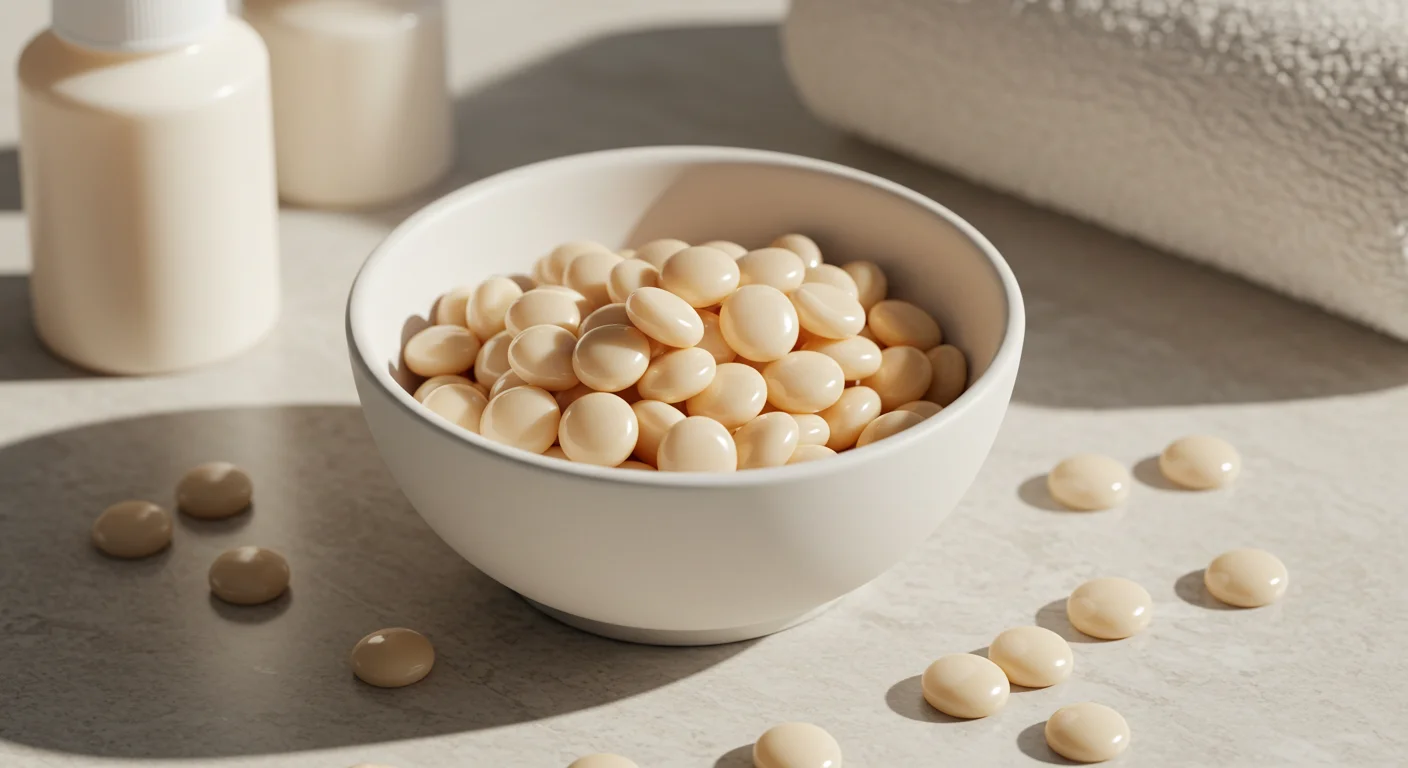
When it comes to sensitive areas like the bikini line, hard wax is the undisputed champion. Unlike soft wax, hard wax solidifies on its own and is removed without a strip. Its unique formulation allows it to encapsulate the hair follicle without adhering to the skin itself. This means significantly less pulling and tugging on the delicate epidermis, translating directly to a much less painful experience. When the wax is removed, it only takes the hair, leaving your skin largely undisturbed. According to a study published in the Journal of Clinical and Aesthetic Dermatology, proper waxing techniques, particularly those minimizing skin trauma, are key to preventing adverse reactions. Hard wax inherently aids in this.
I’ve personally witnessed the transformation in clients who switch from soft wax to hard wax. Their initial apprehension quickly dissipates as they realize the process is far more tolerable. We exclusively use high-quality hard wax that contains soothing ingredients like chamomile and essential oils, further reducing inflammation. The difference is stark: less redness, less swelling, and a much faster recovery time. It’s a non-negotiable for us; we believe in prioritizing skin integrity above all else in this sensitive area.
2. The Indispensable Role of a Skilled Technician
Even the best wax won’t perform miracles in unskilled hands. A truly expert technician possesses a profound understanding of hair growth patterns, skin anatomy, and pain management techniques. They know how to properly prep the skin, apply the wax in small, manageable sections, and maintain skin tautness to minimize discomfort during removal. They also apply pressure immediately after removal, which helps to calm nerve endings and reduce the sensation of pain. This isn’t just about speed; it’s about precision and care.
An experienced professional will also conduct a thorough consultation, discussing your skin sensitivities, any medications you’re taking (like retinoids, which can thin the skin), and your previous waxing history. They’ll assess your hair growth and skin type to tailor the service. For instance, I recently had a client with extremely coarse hair and sensitive skin. Instead of rushing, I took extra time to apply smaller sections and used specific calming oils pre-wax to create a protective barrier. Her feedback was that it was “the most comfortable bikini wax ever” despite her previous painful experiences. This level of personalized attention is what differentiates a good wax from a truly great one. You really can’t underestimate the value of someone who has performed thousands of these services.
3. The Power of Pre- and Post-Waxing Care
Your role in achieving a comfortable and lasting result extends beyond the studio door. Proper preparation and diligent aftercare are critical components of the solution.
- Exfoliation: Regular, gentle exfoliation 2-3 times a week leading up to your appointment is crucial. This helps to remove dead skin cells that can trap hairs, making removal easier and preventing ingrown hairs. We recommend a mild physical exfoliant or a chemical exfoliant containing salicylic acid, which is excellent for penetrating oil and debris in the pores. Brands like Paula’s Choice offer effective salicylic acid body treatments.
- Moisturization: Keeping the skin hydrated and supple makes hair removal less traumatic. Daily moisturizing helps maintain skin elasticity and reduces the chances of breakage during waxing.
- Aftercare Serums: Immediately after waxing, the skin needs soothing and protection. Look for products designed to calm irritation, reduce redness, and prevent ingrown hairs. Ingredients like aloe vera, chamomile, and tea tree oil are excellent. Ingrown hair serums, often containing salicylic acid or glycolic acid, are essential for preventing those pesky bumps. I often recommend clients use a dedicated ingrown hair serum twice daily for the first few days post-wax, and then daily thereafter, especially if they are prone to them.
- Loose Clothing: For the first 24-48 hours post-wax, avoid tight clothing. Friction can irritate freshly waxed skin and lead to redness or ingrown hairs. Opt for breathable fabrics like cotton.
- Avoid Heat and Friction: Steer clear of hot baths, saunas, and intense workouts immediately after waxing. Excessive heat and sweat can clog pores and irritate sensitive skin.
Case Study: The Transformation of Emily’s Experience
Let me tell you about Emily, a 32-year-old marketing professional from the Virginia-Highland neighborhood. Emily had been shaving for years, constantly battling razor burn and persistent ingrown hairs, especially along her bikini line. She had tried waxing once at a budget spa and described it as “torture,” vowing never to return. Her skin was perpetually irritated, and she felt self-conscious about it.
When she came to our studio in early 2025, her primary goal was to eliminate ingrown hairs and achieve smoother skin without the daily hassle of shaving. Her initial consultation revealed significant inflammation and hyperpigmentation from previous shaving and the single, traumatic waxing experience. We outlined a plan:
- Initial Waxing Session: We used a premium hard wax, applied meticulously in small sections. I took extra time, ensuring her skin was properly prepped with a pre-wax cleanser and protective oil. The process took about 25 minutes. She admitted it wasn’t painless, but “nowhere near as bad” as she expected.
- Immediate Aftercare: We applied a soothing post-wax oil containing tea tree and lavender, followed by a cooling compress. I provided her with a detailed aftercare sheet and recommended a specific ingrown hair serum (a 2% salicylic acid solution from The Ordinary, which is both effective and affordable) to use twice daily.
- Home Care Routine: Emily committed to exfoliating gently three times a week with a natural loofah and a gentle body wash, and moisturizing daily. She also invested in breathable cotton underwear.
- Follow-up Sessions: She booked her next appointment for four weeks later. By her second session, her hair growth was visibly finer and sparser. The waxing process was even less painful. By her third session, after 12 weeks, her ingrown hairs were almost entirely gone, and the hyperpigmentation had significantly faded.
The result? Emily is now a regular client, coming in every 4-5 weeks. Her bikini area is consistently smooth, free of ingrown hairs, and her skin tone has evened out. She reports feeling much more confident and comfortable. This case perfectly illustrates how the right approach, combining hard wax, expert technique, and diligent home care, can transform a previously dreaded experience into a routine part of self-care.
The Result: Long-Term Comfort and Superior Skin Health
By embracing hard wax, seeking out a skilled professional, and committing to a consistent pre- and post-care routine, the results are measurable and truly impactful. Clients experience significantly reduced pain during the waxing process, often describing it as a mild discomfort rather than agonizing pain. The immediate aftermath sees less redness, swelling, and irritation, allowing for a quicker return to normal activities. Over time, consistent waxing leads to finer, sparser hair regrowth, which naturally makes future sessions even less painful. Ingrown hairs, razor bumps, and skin discoloration become problems of the past. Beyond the physical comfort, there’s a significant boost in confidence that comes from consistently smooth, healthy skin. It’s not just about hair removal; it’s about elevating your overall skin health and comfort in an area often overlooked but deeply personal.
So, if you’re still on the fence, remember that the right choices can transform your experience entirely. Find a reputable studio, insist on hard wax, and commit to the aftercare; your skin will thank you with lasting smoothness and comfort.
Is hard wax truly less painful than soft wax for the bikini area?
Yes, absolutely. Hard wax is significantly less painful for the bikini area because it adheres primarily to the hair and not the skin. When removed, it pulls only the hair, minimizing trauma to the delicate skin, unlike soft wax which can pull at the skin itself.
How can I reduce pain during a professional bikini wax?
To reduce pain, choose a studio that uses hard wax, ensure your technician is experienced and skilled, avoid caffeine before your appointment, and consider taking an over-the-counter pain reliever like ibuprofen about 30 minutes prior. Consistent waxing also leads to finer hair and less pain over time.
What should I do for aftercare to prevent ingrown hairs and irritation?
Aftercare is crucial. Gently exfoliate the area 2-3 times a week starting 48 hours post-wax, moisturize daily, and use a dedicated ingrown hair serum containing ingredients like salicylic acid. Avoid tight clothing, hot baths, and excessive sweating for 24-48 hours after your session.
How often should I get a bikini wax for the best results?
For optimal results and to catch hair in its ideal growth cycle, aim for a professional bikini wax every 3 to 5 weeks. This consistency helps to weaken the hair follicle, leading to finer, sparser regrowth and a less painful experience over time.
Can professional waxing eliminate razor bumps and ingrown hairs permanently?
While professional waxing with proper aftercare significantly reduces and often eliminates razor bumps and ingrown hairs, it’s not a permanent solution in the sense that hair will eventually grow back. However, consistent waxing damages the follicle, leading to much finer hair that is less prone to becoming ingrown compared to shaving.


