 By Robert Jones
Elara, owner of “Radiant Glow Esthetics” in downtown Savannah, Georgia, was facing a dilemma that’s all too common in the competitive world of skin health. Her clients loved her personalized facials, but she felt a nagging sense that she wasn’t fully addressing their deeper concerns, particularly when it came to persistent issues like uneven texture or fine lines. She knew there was a better way to deliver transformative results, a more scientific approach to skin health that went beyond topical creams, but she wasn’t sure where to start. How could she integrate advanced techniques to truly elevate her practice and client satisfaction?
Key Takeaways
- Understand that personalized skin health techniques begin with a thorough client assessment, including lifestyle and environmental factors.
- Integrate advanced tools like HydraFacial and Dermapen into your practice to offer targeted solutions for common skin concerns.
- Educate clients on the importance of consistent at-home care and professional follow-ups to maintain and enhance treatment results.
- Prioritize continuous professional development and certification in new techniques to stay competitive and knowledgeable.
- Develop a clear, outcome-focused consultation process that establishes realistic expectations and builds client trust.
The Challenge: Moving Beyond Basic Facials
Elara’s salon, nestled on Broughton Street, had a loyal following. Her signature “Southern Charm Facial” was a local favorite, but it was primarily a pampering experience. Clients would leave feeling refreshed, sure, but often returned a few weeks later with the same concerns: dullness, congested pores, or the beginnings of sun damage. “I felt like I was just putting a band-aid on things,” she confided to me during a consultation we had last spring. “I wanted to offer real solutions, not just temporary fixes.” This is a sentiment I hear often from estheticians who are passionate about their craft but feel limited by traditional methods. The truth is, the market demands more now; clients are savvier, more informed (sometimes misinformed, but that’s another story), and they expect tangible results. They don’t just want relaxation; they want transformation.
Her problem wasn’t a lack of effort or care; it was a gap in her technical toolkit. She was excellent at massage and product application, but she hadn’t yet ventured into the more advanced, often intimidating, world of clinical skin treatments. The sheer volume of new devices and protocols entering the market can be overwhelming. Where do you even begin? Microdermabrasion? Chemical peels? Microneedling? Each promised wonders, but also came with a steep learning curve and a significant investment. Elara needed a clear roadmap, a structured approach to integrating these powerful techniques into her existing practice without alienating her current clientele or overhauling her entire business model overnight.
Establishing a Foundation: The Art of Assessment
Before any device or product enters the picture, the cornerstone of effective skin health technique is a thorough, almost forensic, client assessment. This is where many estheticians miss a crucial step. It’s not enough to ask about “skin type.” You need to dig deeper. For Elara, we started by revamping her client intake forms and consultation process. We moved beyond surface-level questions to explore lifestyle factors, dietary habits, stress levels, sun exposure history, and even sleep patterns. “I used to just ask what products they used,” she admitted, “but now I understand how much more goes into their skin’s story.”
A comprehensive skin analysis isn’t just about identifying visible concerns; it’s about understanding their root causes. Is that persistent redness due to rosacea, or is it a reaction to a new detergent? Are those fine lines genetic, or are they exacerbated by chronic dehydration and lack of sun protection? I always tell my students at the Georgia Institute of Esthetics that you’re not just a skin therapist; you’re a detective. You’re piecing together clues to form a complete picture of the client’s skin ecosystem. This holistic view is non-negotiable for truly effective technique.
We implemented a digital skin analysis system in Elara’s salon, which uses specialized cameras to reveal underlying issues like hyperpigmentation, pore size, and oil production that are invisible to the naked eye. This wasn’t just a fancy gadget; it was a powerful educational tool. When clients could see their sun damage mapped out on a screen, the conversation shifted from “I think I have some spots” to “Okay, I need a targeted treatment plan for these specific areas.” This visual evidence builds trust and helps clients understand the rationale behind proposed treatments, making them more invested in the process.
Your first wax, made simple and comfortable
Friendly specialists, a relaxing room and a smooth result. Find a welcoming studio near you.
Find a Studio Near You →Introducing Targeted Techniques: HydraFacial and Microneedling
With a robust assessment process in place, Elara was ready to explore advanced techniques. After evaluating several options, we decided to focus on two core modalities that offered a broad spectrum of benefits and strong return on investment: HydraFacial and microneedling. These aren’t just trendy treatments; they are scientifically backed methods that deliver consistent, visible results when performed correctly.
HydraFacial: The Foundation of Skin Rejuvenation
The HydraFacial system is a multi-step treatment that cleanses, exfoliates, extracts, and hydrates the skin using patented Vortex-Fusion technology. It’s gentle yet incredibly effective, making it suitable for almost all skin types and concerns. “I was skeptical at first,” Elara confessed. “I thought it was just another glorified facial machine.” But after her training and seeing the immediate ‘glow’ on clients’ faces, she was a convert. The visible debris extracted from pores is particularly compelling for clients; it’s a tangible demonstration of the treatment’s efficacy.
We positioned HydraFacial as the perfect entry point for clients seeking immediate improvements in tone and texture, or as a preparatory step for more intensive treatments. It addresses issues like clogged pores, uneven skin tone, and dehydration. A study published in The Journal of Clinical and Aesthetic Dermatology highlighted the HydraFacial’s ability to improve skin hydration, pore size, and fine lines. For Elara, it quickly became a cornerstone of her technique offerings, providing a “wow” factor that kept clients coming back.
Microneedling: Precision for Deeper Concerns
For clients with more persistent issues like acne scarring, deeper fine lines, or overall skin laxity, we introduced microneedling (also known as collagen induction therapy). This technique involves using a device with fine needles to create controlled micro-injuries in the skin, stimulating the body’s natural wound healing process and promoting collagen and elastin production. It sounds intimidating, I know, but the results can be truly transformative.
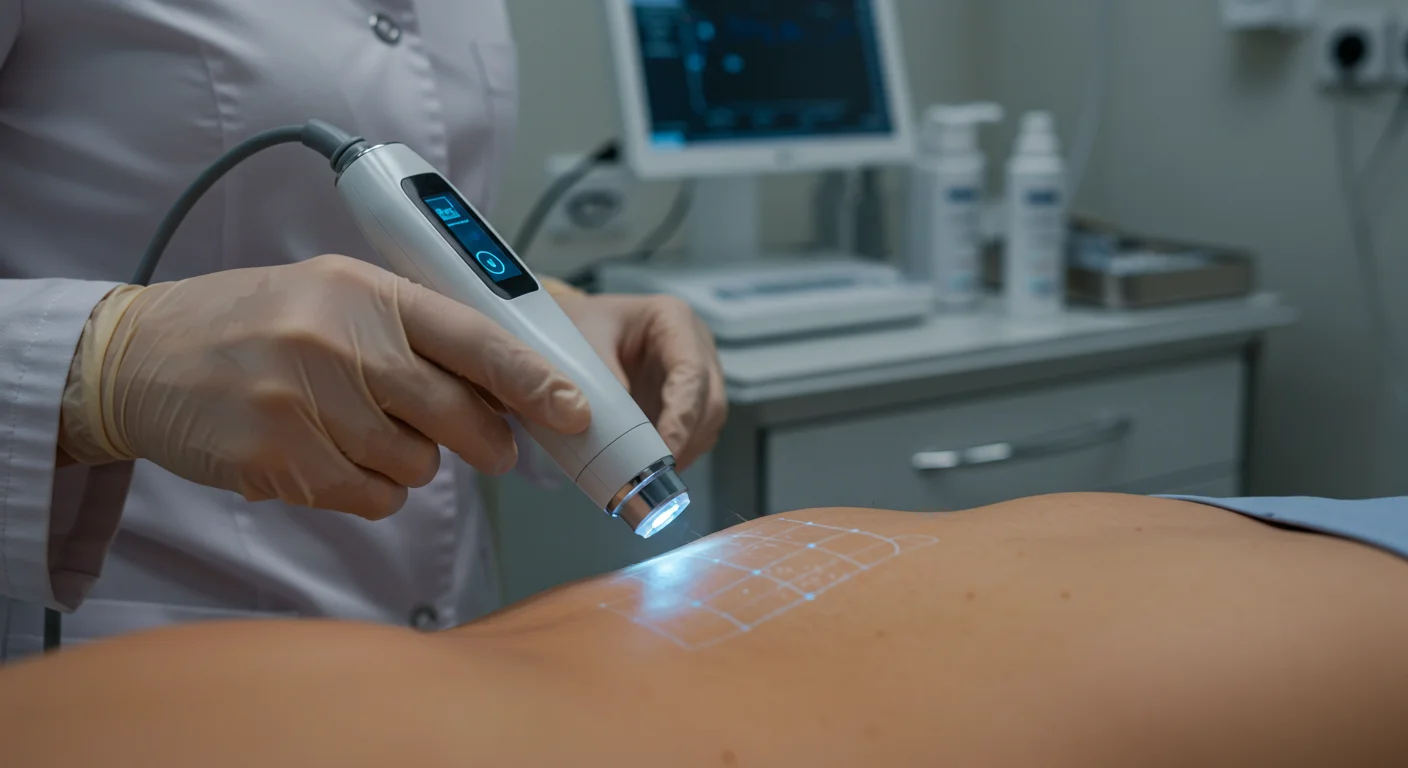
We opted for the Dermapen device, known for its precision and safety. Elara underwent extensive training and certification, including hands-on workshops at a medical aesthetics conference in Atlanta, focusing on proper depth, technique, and post-care protocols. “The training was intense,” she recalled, “but absolutely necessary. You’re working with delicate skin, and precision is everything.” My own experience echoes this; a poorly executed microneedling treatment can do more harm than good, so choosing a reputable device and comprehensive training is paramount. I had a client last year, a busy executive from Buckhead, who came to me after a bad experience elsewhere. Her skin was inflamed and uneven. It took several months of careful, corrective treatments to get her back on track. That’s why I always stress the importance of proper certification and understanding skin physiology deeply.
Integrating Techniques and Client Education
The real magic happens when you understand how to combine techniques for synergistic results. For example, a client with significant sun damage and dehydration might start with a series of HydraFacials to cleanse and hydrate, followed by microneedling sessions to stimulate collagen and reduce hyperpigmentation. This phased approach allows the skin to heal and respond optimally to each treatment.
But the best technique in the world won’t yield lasting results without client adherence to an at-home regimen. This is where education becomes a critical part of the technique. Elara learned to dedicate significant time during consultations and follow-up appointments to explain product ingredients, application methods, and the importance of consistency. We also introduced a subscription model for her clients, offering discounted packages for regular treatments and exclusive access to professional-grade skincare lines. This not only ensured consistent revenue but also encouraged clients to commit to their skin health journey.
One of Elara’s first microneedling success stories was Sarah, a 45-year-old teacher from the Ardsley Park neighborhood, who struggled with persistent melasma and fine lines around her eyes. Sarah had tried countless creams with minimal success. Elara’s initial assessment revealed underlying dehydration and significant sun exposure over the years. The plan: three monthly HydraFacial treatments to improve hydration and prepare the skin, followed by four microneedling sessions spaced six weeks apart, complemented by a strict at-home regimen including a medical-grade vitamin C serum and broad-spectrum SPF 50. After six months, Sarah’s melasma had visibly lightened, and her skin texture was dramatically smoother. “I actually feel confident without makeup for the first time in years,” Sarah beamed during her final follow-up. This wasn’t just about the machines; it was about Elara’s expertise in combining them, her meticulous attention to detail, and her commitment to educating Sarah every step of the way.
The Resolution: A Thriving Practice and Empowered Clients
Within a year of implementing these new techniques, Radiant Glow Esthetics was booming. Elara’s client retention soared, and she saw a significant increase in referrals. Her average client spend nearly doubled, and she was able to hire a second esthetician to keep up with demand. The shift from offering “just facials” to providing advanced, results-driven skin health solutions transformed her business. She became known in Savannah not just for pampering, but for delivering real, measurable improvements in skin health.
What Elara learned, and what every skin health professional must grasp, is that technique isn’t just about operating a machine. It’s about the holistic understanding of skin physiology, the nuanced art of client assessment, the strategic selection and combination of modalities, and the unwavering commitment to client education and follow-through. It’s about being a trusted advisor, not just a service provider. Her success story is a testament to the power of embracing advanced techniques with a thoughtful, client-centric approach.
Embracing advanced techniques requires continuous learning and a commitment to understanding the science behind the glow. Invest in proper training and high-quality devices to deliver transformative results that build lasting client relationships. For more insights on professional development, consider reading about how aestheticians can elevate skin prep and client outcomes.
What is the most important first step before implementing a new skin health technique?
The most crucial first step is a comprehensive client assessment, including their medical history, lifestyle factors, current skincare routine, and specific concerns, often aided by advanced skin analysis tools. This ensures the chosen technique is appropriate and safe for their individual needs.
How often should a client receive advanced skin health treatments like microneedling or HydraFacial?
The frequency depends on the specific treatment and individual client goals. HydraFacial treatments are often recommended monthly for maintenance, while microneedling is typically performed in a series of 3-6 sessions, spaced 4-6 weeks apart, allowing the skin adequate time to heal and regenerate.
Are there any contraindications for advanced skin health techniques?
Yes, many advanced techniques have contraindications. For example, microneedling is generally not recommended for individuals with active acne, rosacea, eczema, or certain autoimmune conditions. A thorough consultation and medical history review are essential to identify any contraindications.
What role does at-home skincare play in the success of professional techniques?
At-home skincare is absolutely critical. Professional treatments initiate change, but consistent use of appropriate medical-grade products (like retinoids, antioxidants, and SPF) at home maintains and enhances results, protects the skin, and addresses ongoing concerns. It’s truly a partnership between professional care and daily discipline.
How can I ensure I’m choosing a reputable provider for advanced skin health techniques?
Look for providers who are licensed and certified in the specific techniques they offer. Inquire about their training, experience, and the devices they use. Reputable professionals will conduct thorough consultations, provide clear explanations of the process, and show before-and-after photos of their work. Don’t hesitate to ask for certifications or references.


