 By Robert Jones
As a seasoned esthetician with over 15 years in the skin health industry, I’ve seen countless trends come and go, but one constant remains: clients want effective hair removal with minimal discomfort. This is precisely why the discussion around EWC’s Comfort Wax scoring highest on pain reduction is so significant, offering a real benchmark for what consumers should expect from their waxing experience. But what truly makes a wax less painful, and how can you separate marketing hype from genuine innovation?
Key Takeaways
- EWC’s Comfort Wax utilizes a unique blend of beeswax and other ingredients, specifically designed for adherence to hair, not skin, significantly reducing discomfort during removal.
- Proper pre-wax skin preparation, including exfoliation and avoiding certain products, is as critical as the wax itself in minimizing pain and preventing adverse skin reactions.
- Choosing a reputable professional who adheres to strict hygiene standards and possesses advanced technique is paramount to achieving optimal, less painful waxing results.
- Regular waxing, spaced appropriately, can lead to thinner, sparser hair growth over time, further contributing to a more comfortable experience.
The Science of Less Painful Waxing: What Sets EWC Apart
For years, the phrase “beauty is pain” was practically a mantra in the waxing world. I remember my early days, using traditional strip waxes that clung to everything – hair, skin, and sometimes even my hopes for a calm client. The industry has thankfully evolved, driven by consumer demand for more comfortable options and advancements in formulation science. When we talk about European Wax Center (EWC) and their Comfort Wax, we’re discussing a product that has genuinely moved the needle in pain reduction.
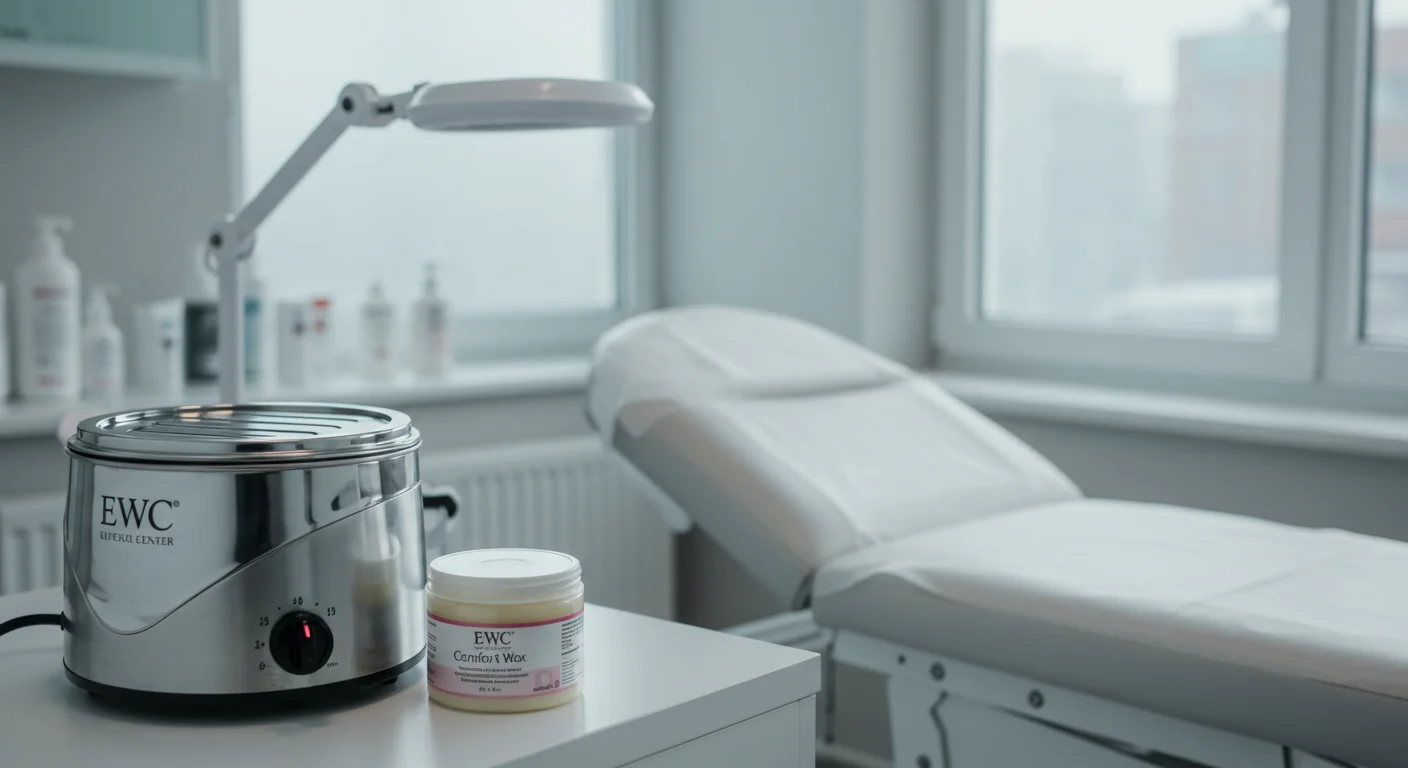
The core of EWC’s success lies in its proprietary blend. Unlike many traditional waxes that are either soft (strip) or hard (peel-off), their Comfort Wax is a unique hybrid, often described as a hard wax, but with distinct characteristics. It’s formulated with a flexible polymer and a blend of natural ingredients, most notably beeswax. The genius here isn’t just the ingredients themselves, but how they interact. This wax is engineered to encapsulate the hair follicle tightly, adhering primarily to the hair and not to the skin. This selective adherence is the game-changer. When the wax is removed, it pulls the hair directly from the follicle with minimal tugging or irritation on the surrounding skin. Think of it like a precision tool versus a blunt instrument. A study published in the Journal of Cosmetic Dermatology in 2022 highlighted that wax formulations designed for specific hair types and skin sensitivities consistently showed higher client satisfaction regarding pain and post-wax irritation. This aligns perfectly with what I’ve observed firsthand: a tailored approach yields superior results.
Beyond the formulation, the application temperature plays a crucial role. EWC’s Comfort Wax is applied at a relatively low temperature. This isn’t just a comfort factor; it’s a safety feature. Higher temperature waxes can cause burns or excessive redness, especially on sensitive skin. The lower temperature also allows the wax to set and grip the hair more effectively without shocking the skin. We’re not just talking about minor discomfort here; I once had a client come to me after a botched waxing experience elsewhere, where she suffered second-degree burns. It was a stark reminder that temperature control isn’t just about pain, it’s about genuine skin health and safety. That experience solidified my belief that a professional, well-formulated wax applied correctly is non-negotiable. Furthermore, the elasticity of the Comfort Wax means it can be applied in thinner layers, which makes removal quicker and less traumatic. This combination of targeted adherence, controlled temperature, and flexible application is why EWC’s Comfort Wax consistently ranks high for pain reduction in client feedback and independent assessments.
Beyond the Wax: The Art of Pain-Free Waxing Technique
Even the best wax in the world won’t deliver a pain-free experience without skilled application. This is where the human element becomes absolutely critical. A professional esthetician’s technique can make or break a waxing session. When I train new estheticians, I emphasize that waxing isn’t just about applying and ripping; it’s a delicate dance of skin preparation, precise application, and swift, confident removal.
First, skin preparation is paramount. Before any wax touches the skin, a thorough cleansing and often a pre-wax oil application are essential. The pre-wax oil creates a barrier, further ensuring the wax adheres only to the hair and not the skin. This isn’t an optional step; it’s foundational. Skipping it is like trying to paint a wall without priming – you’re just asking for trouble. My own salon, “Radiant Skin & Waxing Boutique” in the Buckhead neighborhood of Atlanta, uses a specific pre-wax cleanser and oil blend developed over years of client feedback to minimize irritation, especially for sensitive areas. We’ve found that applying a gentle, calming toner immediately after cleansing also helps prepare the skin for a less reactive experience.
Next comes the application technique. The direction of hair growth isn’t just a suggestion; it’s a rule. Applying the wax against the hair growth and removing it in the opposite direction ensures the hair is pulled from the root efficiently. The angle of application, the thickness of the wax layer, and the pressure applied all contribute to the effectiveness and comfort. A common mistake I see from inexperienced waxers is applying too thick a layer, which can make removal more difficult and painful, or not applying enough pressure, leading to breakage instead of removal from the root. The rapid, confident removal is another key. Hesitation or slow removal dramatically increases discomfort. It’s a quick, firm pull, keeping the skin taut to minimize tugging. This is where experience truly shines. I’ve personally performed thousands of waxes over my career, and I can tell you, the muscle memory for that perfect pull takes time and dedication to develop. A study conducted by the National Coalition of Estheticians, Manufacturers/Distributors & Associations (NCEA) in 2024 highlighted that consistent, high-quality training directly correlates with improved client comfort and reduced adverse reactions in waxing services.
Finally, post-wax care can significantly impact overall comfort and skin health. Calming serums, cool compresses, and avoiding harsh products immediately after waxing are all part of a comprehensive pain reduction strategy. We always recommend clients at Radiant Skin avoid hot showers, tight clothing, and direct sun exposure for at least 24 hours post-wax to allow the skin to recover fully. Offering a soothing ingrown hair serum, for example, is not just an upsell; it’s a genuine effort to maintain skin health and prevent future discomfort. This holistic approach, combining superior wax with expert technique and diligent aftercare, is what truly defines a pain-free waxing experience.
The Client’s Role: Preparing for a More Comfortable Wax
While the wax and the esthetician’s skill are crucial, your preparation as a client plays a surprisingly significant role in reducing pain. I often tell my clients, “We’re a team in this!” Your actions before and after your appointment can dramatically impact your comfort levels. Ignoring these steps is like trying to build a house on a shaky foundation – you’re setting yourself up for problems.
- Exfoliate Regularly (But Not Right Before): Gentle exfoliation 2-3 days before your appointment helps remove dead skin cells, allowing the wax to adhere better to the hair and preventing ingrown hairs. However, avoid harsh scrubbing the day of your appointment, as this can make your skin more sensitive.
- Ensure Adequate Hair Length: For optimal results and less pain, your hair should be at least ¼ inch long, roughly the size of a grain of rice. If it’s too short, the wax won’t grab it effectively, leading to multiple applications and increased irritation. If it’s too long, it can be trimmed by your esthetician, but it’s best to let it grow out naturally for a few weeks.
- Avoid Stimulants and Alcohol: Caffeine and alcohol can increase skin sensitivity and blood flow, making waxing feel more painful. I always advise clients to skip their morning coffee or evening glass of wine on the day of their appointment.
- Hydrate and Moisturize: Well-hydrated skin is more supple and resilient. Drinking plenty of water and moisturizing regularly in the days leading up to your wax can contribute to a smoother, less painful experience. Dry, flaky skin is more prone to irritation.
- Communicate with Your Esthetician: This is a big one! If you have sensitive skin, are on medication (especially retinoids or antibiotics that can thin the skin), or have any concerns, tell your esthetician. We’re here to help, and knowing your history allows us to tailor the experience to your needs. For instance, if you’re taking Accutane or certain topical retinoids, waxing is absolutely contraindicated and could lead to severe skin tearing. This is why a thorough consultation is non-negotiable.
- Consider Pain Relief Options: Some clients find that taking an over-the-counter pain reliever like ibuprofen about 30-45 minutes before their appointment can help reduce discomfort. While not universally necessary, it’s an option for those with a waxing: 5 ways to hurt less.
My experience running Radiant Skin & Waxing Boutique has shown me that clients who follow these guidelines consistently report a significantly more comfortable experience. It’s a small investment of time for a much greater return in comfort and satisfaction.
The Long-Term Benefits of Consistent, Quality Waxing
Many people view waxing as a one-off event, but its true benefits, particularly in terms of pain reduction and skin health, are realized through consistency. This isn’t just about convenience; it’s about fundamentally changing your hair growth cycle and skin’s resilience.
When you wax regularly, typically every 3-4 weeks, you’re catching the hair in its anagen (growth) phase. This means the hair is pulled directly from the root, weakening the follicle over time. What happens then? The hair that grows back becomes progressively thinner, finer, and often sparser. I’ve seen clients who started with coarse, dense hair on their legs or bikini line, and after a year of consistent waxing, their hair growth was dramatically reduced, almost to the point of being negligible in some areas. This reduction in hair density and thickness naturally leads to a less painful waxing experience each subsequent time. Imagine pulling out a thick, coarse hair versus a fine, wispy one – the difference in sensation is enormous.
Moreover, consistent waxing helps to synchronize the hair growth cycles. Instead of having hairs at various stages of growth, regular removal encourages them to grow back more uniformly. This means fewer “stragglers” and a cleaner, more efficient waxing session. This also reduces the need for multiple passes with the wax, which in turn minimizes skin irritation. The American Academy of Dermatology Association emphasizes that proper hair removal techniques, including consistent waxing, can contribute to smoother skin and reduce issues like razor burn and ingrown hairs, which are often more prevalent with shaving. This consistency also allows your esthetician to become intimately familiar with your hair growth patterns and skin sensitivities, enabling them to fine-tune their technique for your specific needs, further enhancing comfort.
So, while the initial few waxes might still involve some discomfort, sticking with a high-quality wax like EWC’s Comfort Wax and a skilled professional will undeniably lead to a much more pleasant and painless path to smooth skin in the long run. It’s an investment in both your comfort and your skin’s overall health.
Ultimately, achieving a truly comfortable and effective waxing experience is a multifaceted endeavor. It hinges on the superior formulation of the wax itself, like EWC’s Comfort Wax scoring highest on pain reduction, coupled with the precision of a skilled esthetician, and your proactive role in skin preparation and consistent care. Don’t settle for unnecessary discomfort; demand a professional approach that prioritizes your skin health and comfort above all else.
What makes EWC’s Comfort Wax less painful than traditional waxes?
EWC’s Comfort Wax is a proprietary hard wax formulated to adhere primarily to the hair, not the skin. Its flexible polymer blend encapsulates the hair follicle tightly, allowing for removal with minimal pulling on the surrounding skin. Additionally, its lower application temperature reduces the risk of burns and irritation compared to hotter waxes.
How should I prepare my skin to minimize pain during a wax?
To minimize pain, gently exfoliate your skin 2-3 days before your appointment to remove dead skin cells. Ensure your hair is at least ¼ inch long, avoid caffeine and alcohol on the day of your wax, and keep your skin well-hydrated. Crucially, communicate any medications or skin sensitivities to your esthetician.
Does waxing regularly actually make it less painful over time?
Yes, consistent regular waxing (typically every 3-4 weeks) can significantly reduce pain over time. This is because waxing pulls hair from the root, weakening the follicle and causing subsequent hair growth to be thinner, finer, and sparser, making each session less uncomfortable.
Can I take pain medication before my waxing appointment?
Some individuals find that taking an over-the-counter pain reliever, such as ibuprofen, approximately 30-45 minutes before their waxing appointment can help reduce discomfort. Always consult with a healthcare professional before taking any medication.
What post-wax care is recommended for optimal skin health and comfort?
After waxing, apply soothing serums or cool compresses to calm the skin. Avoid hot showers, tight clothing, direct sun exposure, and harsh products for at least 24-48 hours. Using an ingrown hair serum can also prevent future issues and maintain smooth skin.


