 By Jessica Garcia
Key Takeaways
- Estheticians are leaning heavily on exosomes, tiny vesicles packed with growth factors and genetic material, for advanced skin rejuvenation treatments.
- You and your esthetician need to understand the science behind exosome therapy, especially their role in cell-to-cell communication and tissue repair, before you commit to a treatment.
- Finding a qualified esthetician who has specific training in using exosomes is the only way to ensure you’re getting a proper treatment protocol and realistic expectations for your skin.
- Post-treatment care for exosome procedures has its own set of rules to get the most out of your results, much like any other advanced skin therapy.
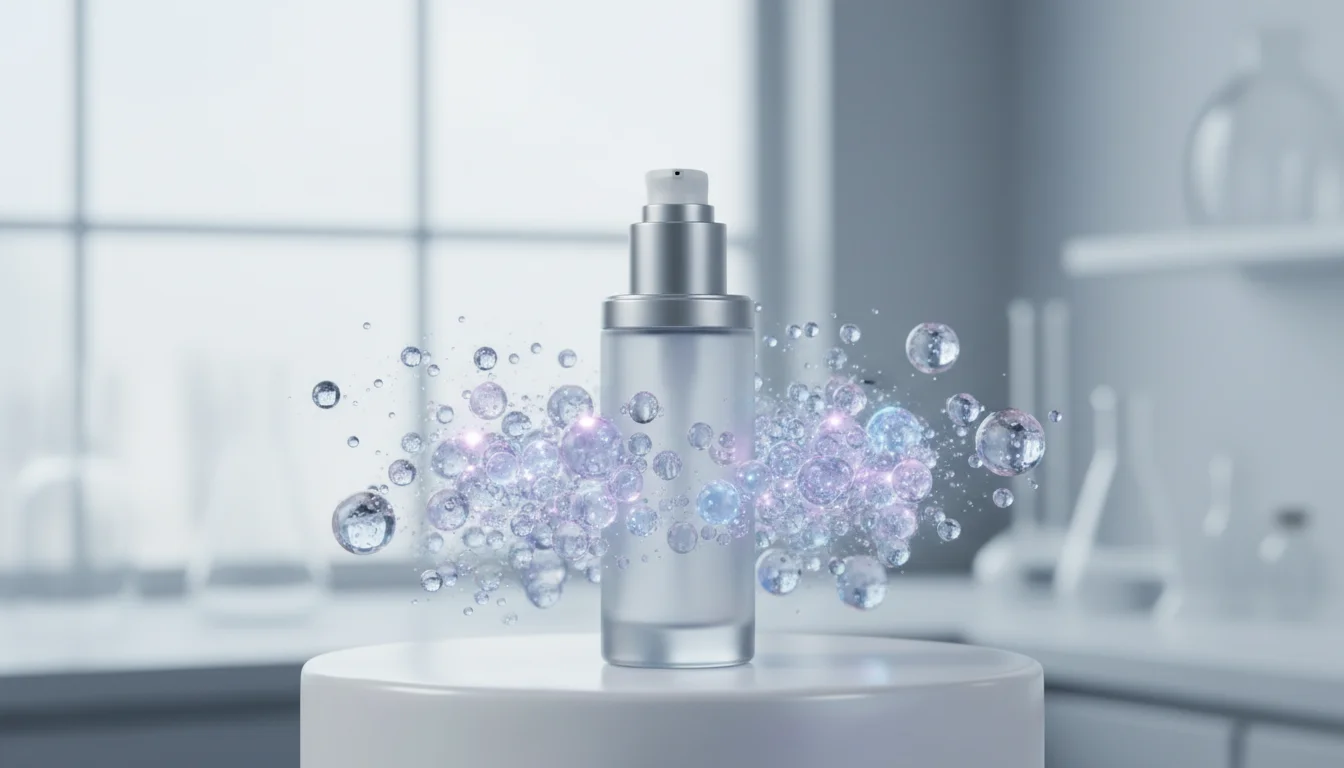
The way we approach skin health in the treatment room is changing because of advanced biological therapies. Out of all of them, exosomes esthetician treatments are becoming a seriously powerful tool for rejuvenation and repair, opening up a whole new level of skincare. These microscopic vesicles are full of growth factors, lipids, and genetic material, and they basically carry messages to your cells telling them to heal and regenerate.
The Science Behind Exosomes in Skincare
Exosomes are tiny sacs released from cells, technically called extracellular vesicles. Their main job is to communicate between cells by acting as little couriers, transporting different biomolecules from one cell to another. This information drop-off can actually influence things like gene expression and protein synthesis in the cells that receive them. For skin, the exosomes that come from mesenchymal stem cells (MSCs) are what we’re really interested in because they’re so good at regeneration. These MSC-derived exosomes send signals that kickstart collagen production, calm inflammation, and speed up wound healing. That’s why they work so well for things like fine lines, wrinkles, bad texture, and a compromised skin barrier. The science isn’t new, it’s been studied for decades, but using it in dermatology and esthetics is a more recent thing. You can find research in places like the Journal of Investigative Dermatology (URL: Journal of Investigative Dermatology) that shows their ability to tweak immune responses and fire up cellular repair. As an esthetician, you have to get this biology to actually use exosome therapy correctly in a treatment plan. It’s more than just slathering on a product. You’re using cellular biology to get deep, meaningful improvements in the skin.
Exosomes in Esthetic Practice: Applications and Benefits
In the treatment room, we’re finding more and more uses for exosomes to tackle a bunch of skin concerns. Usually, the treatment involves putting an exosome-rich serum on the skin and then using microneedling, a fractional laser, or radiofrequency to help it penetrate deeper. The whole point is to get these potent signaling molecules down into the layers of the skin where they can actually get to work and start the regenerative process. We’re using them for:
Your first wax, made simple and comfortable
Friendly specialists, a relaxing room and a smooth result. Find a welcoming studio near you.
Find a Studio Near You →- Anti-aging: Exosomes can wake up your fibroblasts, which then start producing more collagen and elastin, the stuff that keeps your skin firm and bouncy. This really helps soften the look of fine lines and wrinkles.
- Scar revision: Because they’re anti-inflammatory and regenerative, they help remodel scar tissue, which is promising for acne scars and other texture problems.
- Pigmentation issues: They can help even out skin tone by influencing melanocyte activity and bringing down inflammation.
- Hair restoration: Certain exosome formulas are made to support the health of hair follicles, which can promote new growth and reduce shedding. This is a big area of growth in medical esthetics.
A report from the American Academy of Dermatology (URL: American Academy of Dermatology) even points out that interest in regenerative medicine, with exosomes being a major part of that, is blowing up in the cosmetic dermatology world. The benefits go deeper than just a surface-level glow. They work to restore skin health at the cellular level, which is a much more sustainable way to approach rejuvenation.
Working through the Consultation: What to Discuss with Your Esthetician
A solid waxing consultation, or any good consultation for an advanced treatment, is non-negotiable, and that’s especially true for therapies like exosomes. This first conversation is where we figure out a customized treatment plan and set realistic expectations. Expect your esthetician to do a full skin analysis, go over your medical history, and really listen to your goals. During that talk, here’s what you need to bring up:
- Source of Exosomes: Ask where the exosomes in their products come from. Are they from plants, or are they derived from human mesenchymal stem cells? Knowing the source helps you understand the product’s safety and how effective it might be. A reputable company will have certificates of analysis and be able to tell you all about how they isolate and purify their exosomes.
- Treatment Protocol: How are they going to apply it? Will it just be topical, or will they pair it with another treatment? How many sessions will you need, and how far apart? You should walk out with a complete plan.
- Expected Results and Timeline: Exosomes have incredible potential, but the results don’t happen overnight. Talk about what kind of changes you can actually expect to see and how long it will take. A lot of my clients see visible changes within a few weeks, but the best results often show up after a few months of consistent treatments.
- Potential Side Effects: Even though exosomes are usually tolerated very well, any advanced treatment has risks. Your esthetician should walk you through any possible redness, swelling, or sensitivity, especially if you’re combining the exosomes with something like microneedling.
- Cost and Aftercare: Make sure you have a clear picture of the total cost for the series of treatments and what kind of aftercare you’ll need to do at home. Your home care routine is going to make or break your results.
Any expert advice from your esthetician should include a frank talk about whether exosome therapy is even the right move for your skin. These treatments aren’t for everyone, and an ethical practitioner puts your safety and satisfaction ahead of making a sale.
Post-Treatment Care and Maintaining Results
After you get an exosome treatment, what you do next is just as important as the treatment itself. Good post-care is what will optimize your results and help your skin recover properly. Your esthetician will give you specific instructions, but it usually comes down to a gentle skincare routine, lots of sun protection, and staying away from harsh active ingredients for a little while. Here’s the usual advice:
- Gentle Cleansing: Use a mild, pH-balanced cleanser so you don’t irritate your skin.
- Hydration: Slather on a rich, soothing moisturizer to support your skin barrier, especially if the treatment was combined with something that creates micro-channels like microneedling.
- Sun Protection: Applying a broad-spectrum sunscreen with SPF 30 or higher every single day is not optional. Sun exposure can actively work against the regenerative benefits and can make inflammation worse.
- Avoidance of Certain Ingredients: Stay away from retinoids, alpha hydroxy acids (AHAs), and any strong exfoliants for at least a week, or for however long your esthetician tells you.
- Follow-up Appointments: Stick to the schedule for your follow-up treatments. You need to build on the results to get the full effect.
Keeping your results long-term also means taking a well-rounded approach to your skin’s health. That means a consistent daily skincare routine, eating a diet with plenty of antioxidants, staying hydrated, and keeping your stress in check. The exosomes give your skin a powerful push, but they work best when you’re supporting them with healthy lifestyle choices. You’re giving your skin a high-performance engine. It still needs the right fuel and regular maintenance to run well.
The Future of Exosomes in Esthetics: An Esthetician’s Perspective
Regenerative esthetics is moving incredibly fast, and exosomes are at the front of the pack. For us practitioners, these therapies are so exciting because they give us real, science-backed ways to solve skin problems that used to be incredibly difficult to treat. The precision of exosome therapy is a huge leap forward from just applying traditional topicals. But with this new technology comes the responsibility to be well-educated and ethical. Estheticians have to constantly be learning to keep up with the new research and products. This also means understanding the regulations around exosome products which can change depending on where you are. In the U.S., for example, the FDA has specific rules for products that contain human cellular and tissue-based products, and we have to make sure what we’re using is compliant. The demand for non-invasive treatments that actually work for anti-aging and skin repair is huge, which means exosomes are probably going to become a standard offering in any advanced esthetics practice. Being able to stimulate the skin’s own healing processes is a powerful story for clients who want real, long-term improvements instead of a quick, temporary fix. This is a foundational shift in how we approach skin regeneration, not just a passing trend. Exosomes are a major step forward in the goal of getting healthier, more resilient skin. For anyone thinking about these treatments, a detailed waxing consultation with an esthetician who knows their stuff is the most important first step. This is how you get expert advice that’s actually for you, setting you up to hit your skin goals safely and effectively.
What exactly are exosomes?
They’re tiny vesicles that your cells release to act as messengers. They carry proteins, lipids, and genetic material between cells, playing a huge part in how cells talk to each other and how your body regenerates itself.
Are exosome treatments safe?
When they come from a reputable lab and are applied by a professional with proper training, they’re generally very safe. They’re biocompatible, meaning your body recognizes them and they work with its natural processes. But you should always ask your esthetician about the source and purity of the products they use.
How do exosomes differ from stem cell treatments?
Exosomes are the messengers sent out by stem cells. They aren’t the stem cells themselves. They carry all the beneficial signals from the stem cells but don’t contain any actual cellular material that could make your immune system freak out, which makes them a potentially safer and more stable choice for regenerative skin treatments.
What kind of results can I expect from exosome therapy?
Clients usually see better skin texture, a more even tone, improved elasticity, and fewer fine lines and wrinkles. Your results will depend on your own skin and the treatment plan, but the overall goal is to repair and regenerate skin at the cellular level.
How many exosome treatment sessions are typically needed?
It really depends on your skin’s condition and what you’re trying to achieve. A common plan is a series of 3 to 6 treatments, usually spaced a few weeks apart, with maintenance sessions after that. Your esthetician will give you a personalized plan during your consultation.


