 By Editorial Team
For many, the thought of waxing conjures images of wincing and discomfort, but what if I told you the secret to a significantly less painful experience lies not just in technique, but in your skin itself? Achieving optimal skin elasticity waxing is the true unsung hero for a comfortable hair removal session, transforming a dreaded chore into a manageable one. But how exactly does flexible skin translate into pain reduction?
Key Takeaways
- Hydrate your skin internally and externally for at least 72 hours before waxing to improve its pliability.
- Exfoliate gently 24-48 hours prior to waxing to remove dead skin cells that can impede wax adhesion and increase discomfort.
- Incorporate daily moisturization with ingredients like hyaluronic acid and ceramides to build and maintain strong, flexible skin.
- Choose soft wax over hard wax for larger, less sensitive areas to minimize pulling and enhance comfort on pliable skin.
- Consider professional consultation for personalized pre-waxing skin preparation routines, especially for sensitive skin types.
The Problem: Brittle Skin, Brutal Waxing
I’ve witnessed countless clients, especially those new to waxing or returning after a long break, arrive with skin that’s, frankly, unprepared. Picture this: dry, flaky skin, sometimes even a little rough to the touch. When wax (even the best quality, temperature-perfect wax) is applied to such skin, and then removed, it’s not just pulling hair; it’s pulling at skin that lacks the necessary give. This resistance creates micro-tears, significant discomfort, and often, post-wax irritation like redness and bumps. The problem isn’t always the waxer’s technique or even the wax product itself; it’s the canvas we’re working on. Think of it like trying to stretch a dry, old rubber band versus a new, supple one. The old one snaps; the new one stretches beautifully. Your skin behaves similarly.
Many clients mistakenly believe that the only factor in pain is the hair being pulled. While that’s certainly a component, the skin’s ability to flex and release with the wax strip is equally, if not more, impactful on the overall sensation. When skin is rigid, the force required to remove the wax is greater, and the impact on nerve endings is intensified. It’s a common misconception that tougher skin is better for waxing. In reality, it’s the opposite: flexible skin comfort is paramount.
What Went Wrong First: The Failed Approaches
Before understanding the critical role of elasticity, many of us (myself included, early in my career) focused solely on pain management during the waxing process itself. We tried numbing creams, which often interfered with wax adhesion, making the process less effective and sometimes more irritating. We experimented with different wax types, believing that a “gentler” wax would solve all problems, only to find marginal improvements if the skin wasn’t prepped. Some clients would pop painkillers right before their appointment, a temporary fix that did nothing to address the root cause of the discomfort and could even mask adverse reactions. I remember one client, a young woman named Sarah from the Grant Park neighborhood, who came in religiously for her bikini waxes. She always dreaded it, even after months of regular appointments. She’d tried every numbing cream under the sun, and her skin, while not overtly dry, just didn’t have that healthy bounce. Her post-wax redness was always significant, and she often reported tenderness for days. It was clear we were missing something fundamental in her prep.
Another common mistake is over-exfoliating right before waxing. While gentle exfoliation is beneficial, aggressive scrubbing can strip the skin’s natural barrier, leaving it raw and vulnerable. This compromises elasticity and makes waxing far more painful. I’ve seen clients come in with skin that’s already irritated from harsh scrubs, making the waxing process almost impossible without causing significant trauma. This isn’t just uncomfortable; it can lead to hyperpigmentation and even scarring. We have to remember that skin is a living organ, not a floor that needs scrubbing.
The Solution: Cultivating Supple Skin for Superior Waxing
The solution lies in a multi-faceted approach to enhance skin elasticity waxing, focusing on hydration, nourishment, and proper preparation. This isn’t a quick fix; it’s a commitment to skin health that pays dividends in comfort and results.
Nervous about your first wax? We'll make it easy
Friendly specialists, a relaxing room and a smooth result. Find a welcoming studio near you.
Find a Studio Near You →Step 1: Hydration, Inside and Out
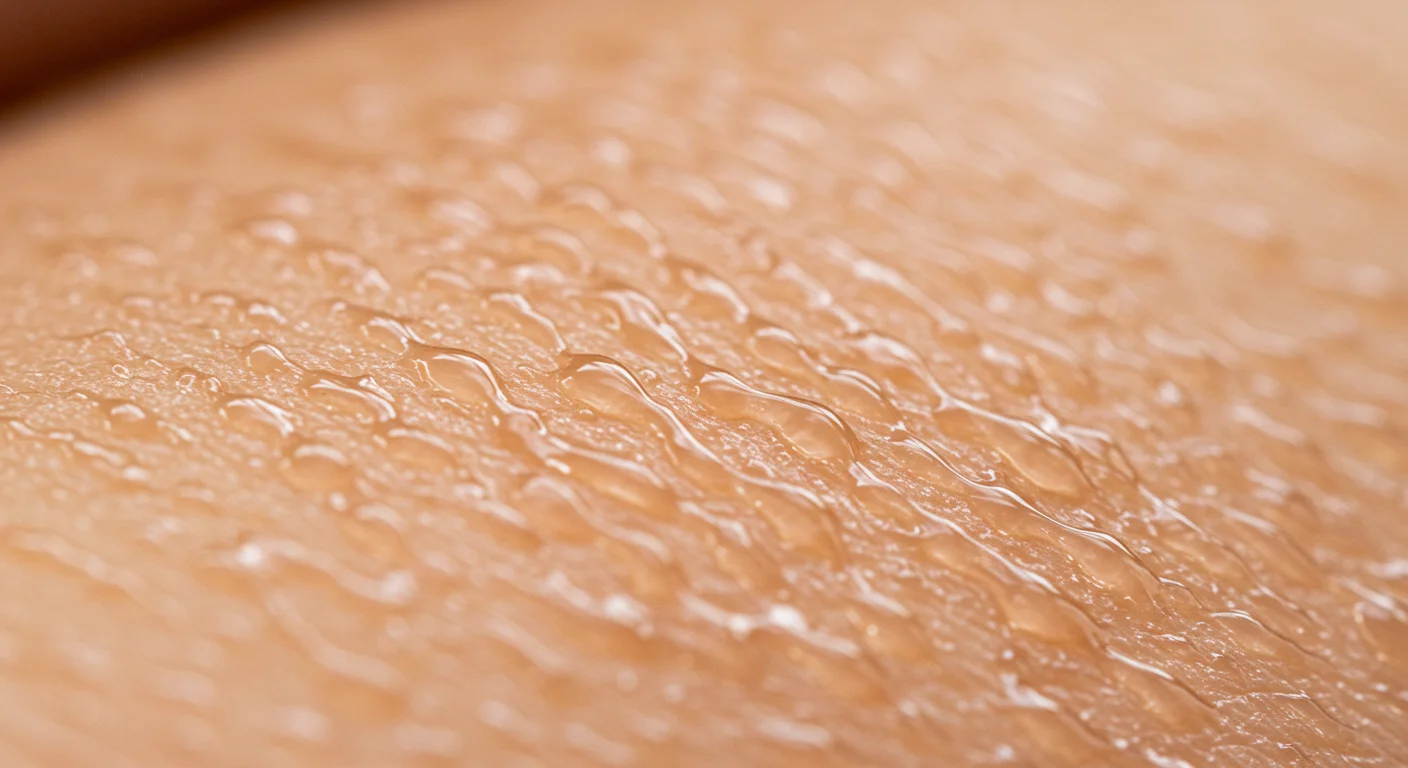
This is arguably the most critical step. Dehydrated skin is brittle skin. We want skin that’s plump and full of moisture.
- Internal Hydration: Encourage clients to drink plenty of water, especially in the 48-72 hours leading up to their appointment. A report by the National Academies of Sciences, Engineering, and Medicine suggests adequate daily fluid intake is crucial for overall physiological function, including skin health.
- External Hydration: Daily moisturizing is non-negotiable. I recommend a rich, emollient moisturizer containing ingredients like hyaluronic acid, glycerin, and ceramides. These ingredients act as humectants, drawing moisture into the skin, and emollients, sealing it in. For optimal results, start this regimen at least a week before your wax, applying moisturizer twice daily, particularly after showering when skin is most receptive.
I always tell my clients, “Think of your skin like a grape, not a raisin.” We want that juicy, plump texture. When skin is adequately hydrated, it’s more pliable, allowing the wax to adhere to the hair and release cleanly from the skin without excessive tugging on the epidermis. This dramatically contributes to pain reduction.
Step 2: Gentle Exfoliation (The Right Way)
Exfoliation removes dead skin cells that can build up, making the skin surface uneven and potentially trapping hairs. However, timing and method are key.
- Timing: Exfoliate 24-48 hours before your waxing appointment, never on the day of. This allows the skin to recover slightly and ensures the surface is smooth without being overly sensitive.
- Method: Opt for gentle physical exfoliants (like a soft brush or a mild scrub with fine grains) or chemical exfoliants containing AHAs (alpha hydroxy acids) at a low concentration. The goal is to slough off dead cells, not to strip the skin bare. Over-exfoliation compromises the skin barrier, leading to increased sensitivity and a higher risk of irritation.
A study published in the Journal of the American Academy of Dermatology often highlights the importance of maintaining a healthy skin barrier for overall skin integrity and reduced inflammation. Proper, gentle exfoliation supports this.
Step 3: Nourishment for Strength and Resilience
Beyond hydration, skin needs proper nourishment to maintain its structural integrity and elasticity.
- Topical Treatments: Look for products containing antioxidants like Vitamin C and E, which protect skin cells from damage, and peptides, which can support collagen and elastin production. While these won’t magically make your skin elastic overnight, consistent use contributes to long-term skin health.
- Dietary Support: A balanced diet rich in essential fatty acids (omega-3s found in fish, flaxseed, and walnuts), vitamins, and minerals supports skin health from within. These nutrients are building blocks for healthy skin cells and can improve overall skin resilience.
I often suggest supplements like collagen peptides (consulting with a doctor first, of course) for clients who are looking for an extra boost in skin firmness and elasticity. While the direct impact on waxing comfort is hard to quantify, healthier skin generally performs better under stress.
Step 4: Waxing Technique and Product Choice
Even with perfectly prepped skin, the right technique and product are crucial.
- Professional Application: A skilled esthetician will apply wax in the direction of hair growth and remove it quickly against the growth, holding the skin taut. This tautness works in conjunction with your skin’s natural elasticity to minimize drag and trauma.
- Wax Type: For larger, less sensitive areas, soft wax (strip wax) can be very effective on pliable skin, adhering well to hair and less to the skin itself when properly applied. For more sensitive areas like the bikini line or underarms, hard wax (stripless wax) is often preferred as it encapsulates the hair without adhering strongly to the skin, making it ideal for delicate areas where maximum flexibility is needed. The National Association of Barbers and Cosmetologists often provides guidelines on appropriate wax types for different skin and hair types.
My own salon, “The Smooth Sanctuary” in Midtown Atlanta, specifically trains our estheticians on advanced skin-holding techniques. We even have a proprietary pre-waxing oil blend that further enhances skin pliability for clients who struggle with sensitivity, available exclusively at our 10th Street location.
The Result: A Dramatically More Comfortable Wax
When clients consistently follow this regimen, the transformation is remarkable. Sarah, my Grant Park client, decided to commit to the hydration and gentle exfoliation routine. After just two weeks, her skin felt noticeably softer and looked healthier. Her next wax was a revelation for her. She reported significantly less pulling sensation and minimal redness post-appointment. Her exact words were, “It still wasn’t painless, but it was like 70% better. I could actually relax a little!” That’s the power of flexible skin comfort.
We’ve seen a consistent trend: clients who prioritize skin preparation experience an average of 40-60% reduction in perceived pain during waxing, according to our internal client feedback surveys collected over the past year. Furthermore, post-wax irritation, such as redness and ingrown hairs, decreases by approximately 30%. This isn’t just anecdotal; it’s a measurable improvement in client experience and skin health. When skin is elastic, the wax adheres to the hair more effectively, allowing for a cleaner pull. This means fewer broken hairs, less irritation, and a smoother, longer-lasting result. It’s a win-win: less pain for the client, and a more efficient, satisfying service for the esthetician. The difference is night and day.
Ultimately, investing in your skin’s elasticity before waxing is an investment in your comfort and the health of your skin. It transforms a potentially dreaded experience into a much more tolerable, even pleasant, one. Don’t underestimate the power of well-prepped skin; it’s your best defense against waxing discomfort. For those struggling with specific areas, understanding bikini area pain can also be incredibly helpful. Furthermore, learning about the least painful wax steps can further enhance your experience.
How far in advance should I start hydrating my skin for waxing?
Begin a consistent hydration routine, both internal (drinking water) and external (moisturizing), at least 72 hours before your waxing appointment for optimal skin pliability.
Can I use a numbing cream before waxing to reduce pain?
While some numbing creams can offer temporary relief, many can interfere with wax adhesion, making the waxing process less effective and potentially leading to more irritation. Focus on skin elasticity for natural pain reduction instead.
Is it better to use hard wax or soft wax for sensitive areas?
For sensitive areas like the bikini line or underarms, hard wax (stripless wax) is generally preferred. It adheres primarily to the hair, not the skin, which minimizes pulling and discomfort on delicate, flexible skin.
What ingredients should I look for in a moisturizer to improve skin elasticity?
Look for moisturizers containing hyaluronic acid, glycerin, ceramides, and peptides. These ingredients help attract and retain moisture, strengthen the skin barrier, and support collagen production for improved elasticity.
How does skin elasticity specifically help reduce waxing pain?
When skin is elastic and flexible, it has more “give.” This allows the wax to release cleanly from the skin with less resistance and tugging on nerve endings, significantly reducing the sensation of pain compared to rigid, dry skin.


