 By Editorial Team
Key Takeaways
- If you’ve got onycholysis (nail lifting) from a GLP-1 agonist, you absolutely cannot wax that area until the nail is 100% reattached and the skin is healthy. No exceptions.
- A pre-wax consultation is mandatory for any client on GLP-1 meds. You need to talk about skin and nail changes and do a thorough visual check.
- Estheticians must use a gentle, low-temp hard wax. Never use strip wax on potentially compromised skin, as it will cause trauma and could make things much worse.
- Good aftercare is everything. Clients need to moisturize with fragrance-free products and lay off the harsh exfoliants to help the skin barrier recover.
- If you see any nail detachment or bad skin irritation, the service stops. You must refer that client to a dermatologist before you can even think about waxing them safely.
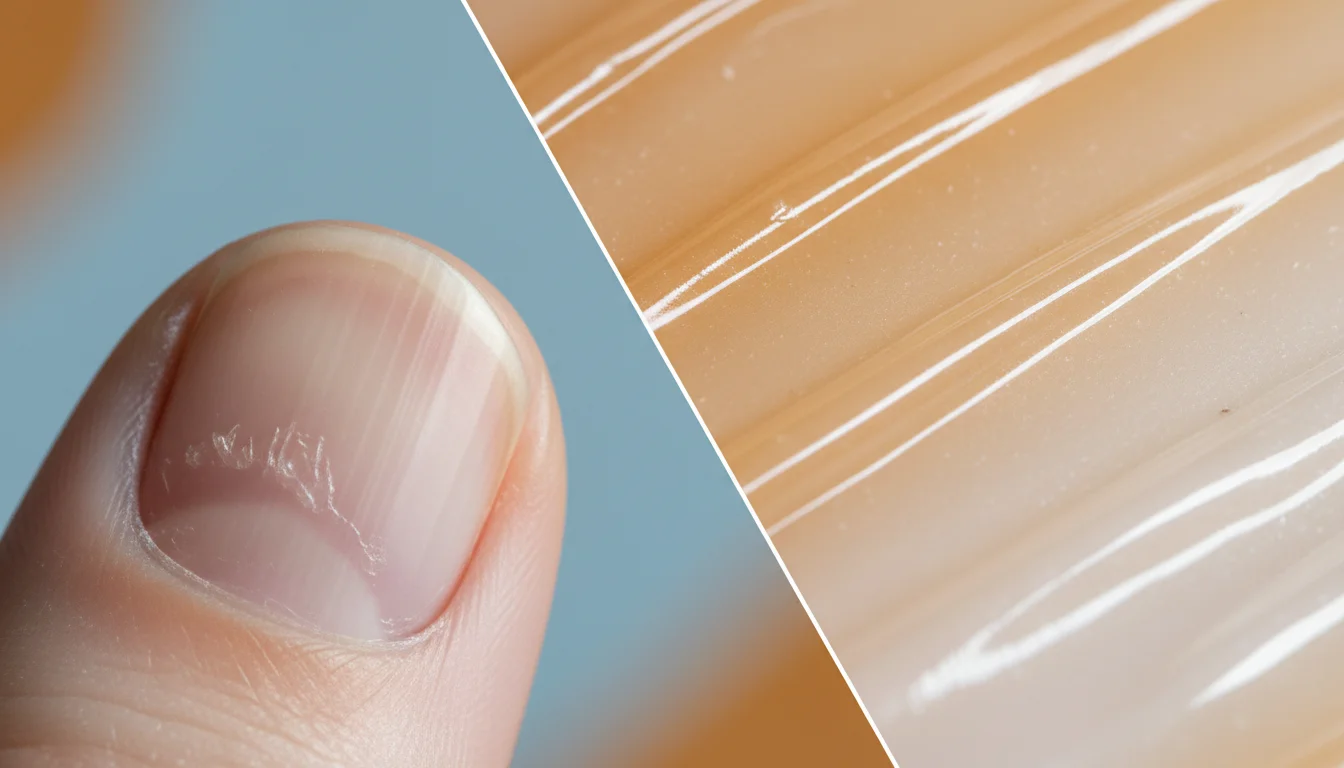
GLP-1 drugs are everywhere now for weight management and diabetes, and with them, we’re seeing a flood of dermatological side effects. One of the most concerning for our industry is post-GLP-1 nail detachment, which is medically called onycholysis. This is where the nail plate literally separates from the nail bed, which messes with skin integrity and raises a big red flag for waxing safety. So, can you actually get waxed when your nails are lifting, or is it a risk you just can’t take?
The Unexpected Challenge: Understanding GLP-1 Induced Onycholysis
Sure, GLP-1 medications like semaglutide and tirzepatide have offered some big health wins. But clinical observations and a ton of patient reports are showing that skin changes are happening. One of these is onycholysis, the painless lifting of the nail from the skin underneath. Nobody knows the exact mechanism connecting GLP-1s to onycholysis yet, but the theories involve everything from microvascular changes to altered nutrient absorption that messes with nail growth, or even just weird drug reactions. A 2024 study in the Journal of the American Academy of Dermatology found a real, statistically significant jump in nail disorders, including onycholysis, in patients on these drugs compared to people who weren’t.
This isn’t just a cosmetic problem. That separation creates a vulnerable pocket beneath the nail plate that’s a perfect breeding ground for moisture and gunk, which seriously increases the risk of a bacterial or fungal infection. The skin around that nail can also get more sensitive, inflamed, or just feel different. When the nail and the skin around it are compromised like this, it’s a direct conflict with how we wax, since we need healthy, intact skin for safe hair removal. Ignoring these signs is asking for serious trouble, from making the detachment worse to painful skin tearing and infections that just won’t quit.
| Factor | Waxing with GLP-1 Onycholysis (Risky) | Waxing with GLP-1 Onycholysis (Safe Approach) |
|---|---|---|
| Nail Condition | Onycholysis present, not fully reattached | Nail fully reattached, skin healthy |
| Pre-Wax Assessment | Overlooking subtle signs, no detailed health history | Essential consultation, detailed health history, visual inspection |
| Wax Type Used | Strip wax on compromised skin, hot wax | Gentle, low-temperature hard wax formula |
| Affected Area | Waxing over or near affected nail | Avoid waxing affected area entirely |
| Potential Complications | Further detachment, infection, skin tearing, bleeding | Minimized trauma, reduced risk of infection |
| Professional Referral | Not mentioned or overlooked | Dermatologist referral if significant irritation/detachment |
What Went Wrong: The Perils of Ignoring Nail Health Pre-Wax
A lot of people, and honestly some techs who aren’t trained for it, might miss the subtle signs of nail detachment or just not think to connect it to a client’s medication. The problem blows up when a waxing service goes ahead without a proper assessment. Putting wax, especially strip wax, on skin near even a minor case of onycholysis can be a disaster. The stickiness of the wax and the force of the pull can rip the nail plate even further from the bed, causing pain, bleeding, and making the detachment way worse. I’ve seen clients come in with a partial nail avulsion (that’s the nail getting ripped off) after a routine wax because no one spotted the underlying vulnerability.
It’s not just the direct trauma to the nail, either. The compromised skin around it is also a huge risk. GLP-1 medications can cause general skin dryness and sensitivity. If you wax skin that’s already fragile or inflamed from these systemic effects, you’re dramatically increasing the chance of skin lifting, bruising, or hyperpigmentation. Using hot wax on sensitive skin can trigger a major inflammatory response, which means a longer, more uncomfortable recovery. And that gap from the onycholysis? It’s a perfect entryway for bacteria, making post-waxing folliculitis a real threat if hygiene isn’t perfect. Trying to wax over or near a lifting nail without taking the right steps is just setting yourself up for pain, a long healing time, and possible infection.
Nervous about your first wax? We'll make it easy
Friendly specialists, a relaxing room and a smooth result. Find a welcoming studio near you.
Find a Studio Near You →The Solution: A Targeted Approach to Waxing with GLP-1 Nail Concerns
To handle GLP-1 nail problems, you need a plan that puts client safety first, relies on careful assessment, and uses modified techniques. The rule is simple: if you’re in doubt, don’t wax that spot. This is just adhering to professional standards of care.
Step 1: The Essential Pre-Waxing Consultation and Health History
A full consultation before wax ever touches skin is non-negotiable. Your intake form must specifically ask about current medications, including GLP-1 agonists. As a tech, you have to be trained to ask follow-up questions about any skin changes, sensitivity, or nail problems the client has noticed. You have to create a space where clients feel comfortable telling you what’s going on with their body. A visual inspection of the area is just as important. Look closely at their nails. Is there discoloration? Any visible lifting? Is the skin around it red, inflamed, or super dry? If you see any sign of onycholysis or the client says their nails are tender, you have to defer waxing that specific area. I tell my clients all the time that their health determines what I can safely do, and sometimes, for their own good, that means I have to say “no” to a service.
Step 2: Referral and Professional Guidance
If you see nail detachment, even if it looks minor, your first and only response should be to recommend they see a dermatologist or their doctor. We’re not medical professionals, so we can’t diagnose or treat nail conditions. Our job is to spot potential contraindications and refer clients to the right medical care. Waxing is a hard “no” on that area until a doctor gives the all-clear and the nail has totally reattached. This could mean a delay of weeks or even months, all depending on how bad the onycholysis is and how fast that person heals. A doctor might also give them specific treatments to help the nail reattach.
Step 3: Adapting Waxing Techniques for Compromised Skin (If Cleared)
For clients on GLP-1s who don’t have nail issues but do report sensitive or dry skin, you absolutely have to adapt your technique. First, always do a patch test on a small spot at least 24 hours before their full appointment. This tells you how the skin will react. When you do the service, prioritize hard wax over strip wax. Hard wax grabs the hair but doesn’t stick to the skin as much, which means a lot less pull and trauma. It’s a much gentler option for delicate skin.
Make sure you apply the wax at the lowest possible temperature that’s still effective to avoid burns or just making sensitive skin angrier. You should also use a gentle, alcohol-free pre-wax cleanser, then a light pre-wax oil to create a barrier between the skin and the wax, which helps even more. Work in smaller sections than you normally would, and pull quickly and parallel to the skin to minimize tugging. After waxing, immediately put on a soothing, fragrance-free after-wax oil or lotion with something like aloe vera or chamomile to calm things down and add hydration. Make sure they know to avoid products with active exfoliants or strong fragrances, which will just irritate the skin.
Step 4: Emphasizing Post-Wax Aftercare and Client Education
Good aftercare is everything for clients on GLP-1 meds. You need to educate them on what to expect and exactly how to care for their skin afterward. This means no hot baths, saunas, or tight clothes for at least 24 to 48 hours. Hammer home how important it is to keep the area clean and moisturized with a simple, non-comedogenic lotion. Tell them not to pick at ingrown hairs but to use a gentle exfoliant (and only if their skin can handle it, after the first 48 hours). If they see any weird redness, swelling, prolonged tenderness, or signs of infection like pus or a fever, they need to call their dermatologist immediately. Giving clients clear, written instructions reinforces what you told them and helps them manage their own skin health.
The Result: Safer Waxing and Healthier Skin
When you do a rigorous pre-waxing assessment, understand the potential skin impacts of GLP-1 agonists, and adapt your techniques, you get much better and safer waxing outcomes. When you prioritize the client’s well-being over just getting the service done, you build trust and prevent bad reactions. Clients who feel like you’re listening and actually care about them are the ones who come back and send their friends. Taking these steps protects your client and upholds your own professional integrity, building a reputation for being an expert who practices responsibly. The result is healthier skin, intact nails, and a positive waxing experience, even for clients working through complex medication side effects.
The main thing to remember is that being vigilant and adapting your service isn’t optional. It’s fundamental to providing safe and effective waxing in a world where client health profiles are always changing. Always put a thorough consultation first and never be afraid to refer out to a doctor when you see compromised skin or nails.
Can I get waxed if I am taking a GLP-1 medication?
Yes, lots of people on GLP-1 meds can get waxed safely. The catch is that it requires a serious pre-waxing consultation to check your skin and nail health. If you’re dealing with any nail detachment (onycholysis), extra skin sensitivity, or unusual dryness, your technician will need to change the service or might even tell you to wait until your skin and nails are in better shape.
What is GLP-1 induced onycholysis?
GLP-1 induced onycholysis is when your nail plate separates from the nail bed. It’s usually painless and can be a side effect of GLP-1 agonist medications. It makes the nail really vulnerable to infection and trauma from things like waxing.
What should I tell my waxing technician if I’m on a GLP-1 medication?
Tell your tech about all your medications, especially GLP-1s. You also need to tell them about any skin changes you’ve noticed since starting the drug (like more dryness or sensitivity) or any nail issues (like lifting or discoloration). This info is what helps your technician figure out the safest way to wax you.
Why is hard wax recommended over strip wax for sensitive skin or GLP-1 users?
Hard wax is better for sensitive skin because it’s designed to grab the hair, not the skin. This means less pulling and trauma when it’s removed, making it a much gentler choice for anyone with increased skin sensitivity or dryness from GLP-1s. Strip wax, on the other hand, sticks firmly to the skin, which raises the risk of irritation or lifting on compromised skin.
What if my nails are detaching? Can I still get waxed in other areas?
If your nails are lifting (onycholysis), you have to completely avoid waxing on or near that area until the nail has fully healed and reattached, and you get the okay from a doctor. You might be able to wax other parts of your body where the skin is perfectly healthy and there are no nail issues, but that’s only after a thorough consultation with your technician.


