 By Jessica Garcia
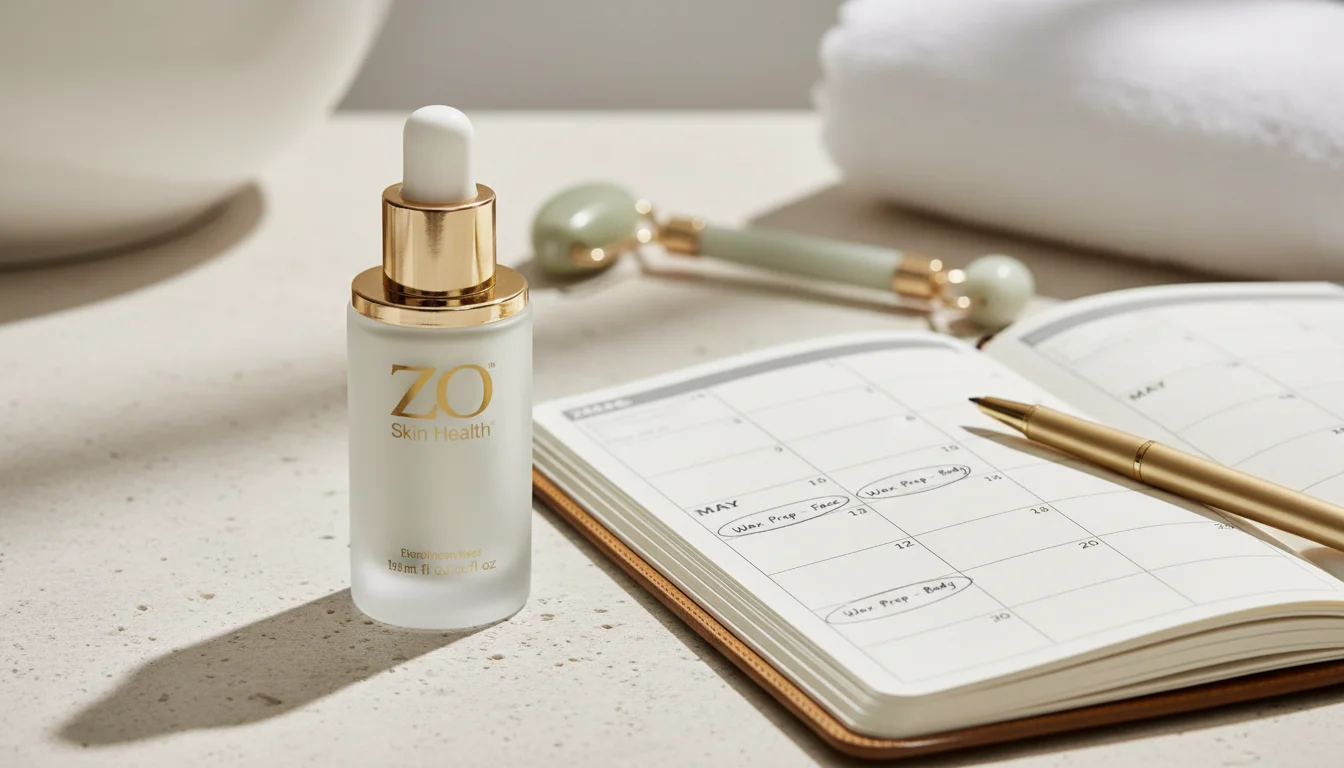
For years, we’ve heard about using the ZO Skin Health line for just about everything, and for good reason, it’s a serious dermatology line. But as we head into 2026, with so many specialized products on the market, you have to ask: is ZO Skin Health really the gold standard for pre-wax prep anymore?
Key Takeaways
- Proper pre-wax prep means you’ve got to gently cleanse, exfoliate, and hydrate the skin to cut down on irritation and make sure the wax actually sticks.
- Today’s pre-wax products use smart ingredients like salicylic acid, witch hazel, and chamomile to target specific issues and calm down sensitive skin.
- You can make some ZO Skin Health products work for pre-waxing, but you’ll find that dedicated professional lines are usually more targeted and way more cost-effective for a busy salon.
- Don’t skip the patch test. Seriously. With any new product, especially on clients with sensitive skin, you need to check for a reaction before you do a full service.
- The best results don’t just come from good prep. You have to follow it up with a solid post-wax aftercare routine.
The Evolution of Pre-Wax Preparation
Prepping skin for a wax used to be as basic as soap and water. We’d use harsh astringents to strip away every bit of oil, which just left the skin tight and angry. Thankfully, we know better now. The goal is creating the perfect canvas for hair removal, one that makes the process less painful and helps prevent things like redness and ingrown hairs later on.
To get that perfect canvas, you have to tackle a few things at once: get the bacterial count down, gently exfoliate to pop any trapped hairs free, calm down inflammation before it starts, and keep the skin barrier protected. It’s why you see ingredients like salicylic acid everywhere now. A 2024 review in the Journal of the American Academy of Dermatology pointed out how its ability to break down dead skin helps prevent ingrowns, so it’s a no-brainer for pre-wax formulas. We’re moving towards products that do more than just clean. They’re actively prepping and protecting the skin for the service.
The professional skincare market has absolutely exploded. So many brands now have complete pre- and post-waxing systems with ingredients picked specifically for being soothing, antiseptic, and good for the skin’s barrier, think aloe vera, tea tree oil, and other botanicals. With this huge pile of specialized products to choose from, we have to keep asking ourselves what the real “gold standard” is, because it’s no longer a one-size-fits-all answer.
Deconstructing ZO Skin Health’s Approach
Dr. Zein Obagi’s ZO Skin Health line is legendary for its philosophy of restoring and maintaining skin health, usually with heavy-hitting active ingredients like retinoids and AHAs. It’s a huge line, with products for everything from acne to aging. The key thing to remember is that these are mostly designed for long-term, deep skin changes, not for the quick, specific job of prepping skin for a wax.
Sure, you could look at their Exfoliating Cleanser with its jojoba and salicylic acid and think, “Hey, that’s great for pre-wax.” And you wouldn’t be totally wrong, it does remove dead skin. Or you might see the Calming Toner, pH Balancer with witch hazel and glycolic acid and think it’s perfect. But the catch is that the strength and mix of these ingredients are balanced for a daily skincare routine, which is a very different beast from the immediate, intense prep needed right before a waxing service.
Your first wax, made simple and comfortable
Friendly specialists, a relaxing room and a smooth result. Find a welcoming studio near you.
Find a Studio Near You →ZO’s philosophy often leans into aggressive skin renewal, which is exactly what you *don’t* want right before you rip wax off someone’s skin. Using those super-active products just before a wax can easily crank up sensitivity and cause a bad reaction, especially if the client already has reactive skin. The products are incredibly effective for their main purpose, which is long-term therapeutic skincare. They just aren’t designed to be a dedicated pre-wax system.
Comparing Dedicated Pre-Wax Solutions
Dedicated pre-wax products are engineered just for this job and usually fall into three camps: pre-cleansers, pre-wax oils, and dusting powders.
- Pre-Cleansers: These are usually antiseptic and made to get rid of makeup, oil, and sweat without totally stripping the skin. They often have ingredients like antimicrobial tea tree oil or soothing chamomile extract. The point is a clean, dry surface so the wax can do its job.
- Pre-Wax Oils: A thin layer of pre-wax oil is a must for hard wax because it creates a barrier so the wax sticks to the hair, not the skin. This makes the pull much less painful. These oils should be non-comedogenic and absorb fast.
- Dusting Powders: A little cornstarch-based or talc-free powder is great for soaking up any last bit of moisture, especially in humid climates or for clients who sweat a lot. A bone-dry surface is key.
Take a look at brands like Satin Smooth or LYCON, they live and breathe professional waxing, so their pre-wax products are made to work perfectly with their waxes. They use pH balancers and gentle antiseptics to get the skin ready without making it angry. LYCON’s Pre-Waxing Oil, for instance, uses jasmine and chamomile for their calming and protective effects, which is exactly what a client’s skin needs a minute before you apply hot wax. Using these specialized products gives you a much more consistent and predictable result every single time.
And then there’s the cost. Let’s be real. ZO products are high-quality, but you’re paying a premium for those long-term therapeutic actives and the research behind them. Dedicated pre-wax stuff is still professional grade, but it’s formulated for the very specific, temporary job of one waxing service, making it a much smarter buy when you consider how much product you go through in a busy salon.
Key Ingredients and Their Role in 2026 Pre-Wax Prep
As skincare science gets better, so does our understanding of what works for pre-wax prep. By 2026, a few key ingredients have proven they are essential for keeping clients comfortable and getting great results.
- Salicylic Acid (BHA): At low concentrations (0.5% to 2%), this oil-soluble acid is perfect for light exfoliation, getting into pores to clear out gunk and prevent ingrown hairs. A 2025 study in the Skin Research & Technology journal even showed that pre-wax wipes with BHA cut down on post-wax folliculitis.
- Witch Hazel: This classic natural astringent cleans skin, cuts oil, and tightens pores. Its anti-inflammatory side is a bonus for calming skin before the wax even touches it.
- Aloe Vera: Famous for being soothing and moisturizing, aloe hydrates skin without being greasy. Skin with good elasticity is more pliable, making for a smoother wax.
- Tea Tree Oil: A strong natural antiseptic that helps kill bacteria on the surface, which is great for lowering the risk of post-wax breakouts or infections. It’s always used in a diluted form in pre-wax products.
- Chamomile and Calendula: These botanicals are champions of calming inflammation. They’re a lifesaver for clients with sensitive skin, helping to reduce redness before you even start.
- pH Balancers: The skin’s natural pH is around 4.5 to 5.5, and keeping it there is important for its protective barrier. Pre-wax solutions that balance the pH get the skin into its strongest state to handle the waxing.
It’s pretty obvious that a good pre-wax routine needs a mix of these ingredients to hit all the bases for skin health. And while ZO products might have some of these on their label, the formulas are built for a different purpose. The dedicated pre-wax lines are just so much more precise in how they combine these ingredients for the immediate, localized job we need them to do, which makes them a more direct and frankly, more effective choice.
Making the Right Choice for Your Practice
The “gold standard” isn’t about one brand. It’s about how effective your whole routine is. As a professional, your priorities are always client comfort, getting every last hair, and preventing bad reactions. Sure, some estheticians cobble together a pre-wax routine using a few ZO Skin Health products, but that’s usually a more complicated and expensive route than you need to take.
In my experience, dedicated pre-wax lines just perform better for this specific job. They’re built with the mechanics of waxing in mind, they help the wax grab the hair instead of the skin, they calm everything down to reduce pain, and they give you a clean surface to work on. These products are built with the right pH, the right amount of antiseptic, and the right soothing agents, all balanced perfectly for what’s about to happen.
When you stick with a professional line that’s all about waxing, like the pre and post-wax solutions from Giella Cosmetics, you get a simple, consistent, and effective system. The instructions are clear, so every step is doing something to help the service succeed. From a business standpoint, using waxing-specific products also makes inventory and staff training a heck of a lot easier because there’s no confusion about what each bottle is for.
Look, ZO Skin Health products are good. They are fantastic for their intended purpose of long-term skin therapy. But are they the best tool for *this* specific job? Honestly, the answer is usually no. Specialized pre-wax products, refined over years by companies focused only on hair removal, are almost always the better fit.
For the best results and happiest clients, a dedicated pre-wax routine built around gentle cleansing, smart exfoliation, and calming agents is your most reliable bet. That kind of prep leads directly to a smoother, less angry wax, which is what builds the trust that keeps clients coming back. And don’t forget about your post-wax aftercare routine to complete the service. If you do a lot of bikini waxes, checking out specialized bikini serums for pre-wax prep can give you an extra edge.
What is the most important step in pre-wax preparation?
Thorough but gentle cleansing is number one. You have to remove all the oils, makeup, and dirt so the wax can stick to the hair, not the skin.
Can I use my regular facial cleanser before waxing?
You’re better off using a dedicated pre-wax cleanser. Regular facial cleansers can sometimes leave behind residues that mess with how the wax sticks or even cause extra irritation.
Should I exfoliate before waxing?
Yes, but do it gently 24 to 48 hours beforehand. This helps free up hairs by getting rid of dead skin. Just make sure you avoid any harsh scrubs or chemical peels right before your appointment, because that will make your skin way too sensitive.
What ingredients should I look for in a pre-wax product for sensitive skin?
If you have sensitive skin, look for products with calming ingredients. Things like aloe vera, chamomile, calendula, and witch hazel are great. Steer clear of anything with high concentrations of alcohol or strong acids.
Is it necessary to use a pre-wax oil?
You only really need pre-wax oil when you’re using hard wax. It puts a protective layer on the skin so the wax only grabs the hair, which makes it hurt less. It is not used with soft (strip) wax.


