 By Editorial Team
Sarah, a vibrant 32-year-old marketing executive from Buckhead, was ready to finally tackle the persistent redness and uneven texture that had plagued her complexion for years. She’d booked an appointment at The Dermatology Collective on Peachtree Road for a fractional laser treatment, a significant investment in her skin health. However, her biggest fear wasn’t the cost, but the pain. “I’m terrified of needles and even more terrified of intense heat on my face,” she confessed to me during our initial consultation. This common apprehension highlights a critical step often overlooked: effective numbing and pre-appointment prep. But what exactly does that entail, and how can you ensure a comfortable, successful treatment experience?
Key Takeaways
- Always apply topical numbing cream at least 60-90 minutes before your appointment for optimal effect, especially for deeper treatments.
- Avoid caffeine, alcohol, and blood-thinning supplements like ibuprofen or fish oil for 24-48 hours pre-treatment to minimize bruising and sensitivity.
- Ensure your skin is clean, free of makeup, and well-hydrated before arriving for your procedure to maximize product penetration and reduce irritation.
- Discuss any anxieties or pain thresholds openly with your provider; they can adjust protocols or recommend additional comfort measures.
Sarah’s Journey: From Apprehension to Assurance
When Sarah first walked into our clinic, her anxiety was palpable. She’d tried various over-the-counter numbing creams before, with mixed results for minor procedures like waxing, but a laser treatment felt like a different beast entirely. Her previous experiences with aesthetic treatments had been less than stellar, primarily due to discomfort. “I once had a micro-needling session where I felt every single prick,” she recalled, wincing slightly. “I swore I’d never do anything like that again without proper preparation.”
This is precisely where many go wrong. They underestimate the importance of a meticulous pre-treatment regimen. It’s not just about showing up; it’s about setting your body and skin up for success. I’ve seen countless clients, much like Sarah, whose treatment outcomes were significantly improved simply by adhering to a clear, actionable pre-appointment protocol.
The Numbing Dilemma: More Than Just a Cream
For Sarah’s fractional laser, effective numbing was non-negotiable. We prescribed a prescription-strength topical anesthetic, Lidocaine 23%/Tetracaine 7% cream, to be applied at home. “But how long should I leave it on?” she asked, a common and excellent question. My answer is always the same: longer than you think. For significant treatments, I recommend applying a thick layer 90 minutes to two hours before your scheduled appointment. Wrap the area with cling film (Saran Wrap works wonders) to create an occlusive barrier; this dramatically enhances absorption. According to a study published in the Journal of Clinical and Aesthetic Dermatology, occlusion can increase the bioavailability of topical anesthetics by up to 10-fold.
We also discussed the timing. Many clinics apply numbing cream in-office, but this often means only 30-45 minutes of contact time. For a powerful laser like the one Sarah was getting, that simply isn’t enough. I always advise clients to apply it at home, under specific instructions, to ensure maximum efficacy. This proactive step puts control back into the client’s hands and significantly reduces in-office waiting times, which can add to pre-treatment jitters.
Nervous about your first wax? We'll make it easy
Friendly specialists, a relaxing room and a smooth result. Find a welcoming studio near you.
Find a Studio Near You →Beyond Topical: The Holistic Pre-Treatment Approach
Numbing cream is just one piece of the puzzle. Sarah’s individualized pre-appointment prep included several other critical steps:
- Hydration is Key: I instructed Sarah to increase her water intake significantly in the week leading up to her appointment. Well-hydrated skin is more resilient, recovers faster, and responds better to treatments. Think of your skin cells like plump grapes versus shriveled raisins; which one would you rather treat?
- Dietary Adjustments: This is an area many overlook. I told Sarah to avoid alcohol and excessive caffeine for at least 48 hours beforehand. Both can dehydrate the skin and increase sensitivity. More importantly, she needed to discontinue any blood-thinning supplements like fish oil, Vitamin E, or ibuprofen for a full week prior. “I take ibuprofen for headaches all the time!” she exclaimed. This was a crucial discovery. These substances can increase the risk of bruising, which is the last thing anyone wants after a facial treatment. A resource from the American Academy of Dermatology consistently advises patients to avoid these agents.
- Skincare Product Pause: Retinoids, AHAs, and BHAs are fantastic for skin health, but they can make skin more sensitive. I had Sarah pause all active ingredients for five days before her laser appointment. This prevents potential irritation and allows the skin’s barrier to be at its strongest.
- Stress Reduction: This might sound fluffy, but it’s vital. When we’re stressed, our pain threshold can lower. I encouraged Sarah to practice mindfulness or light meditation the day before. Even a simple 15-minute walk in Piedmont Park can make a difference.
The Day of the Treatment: Execution and Experience
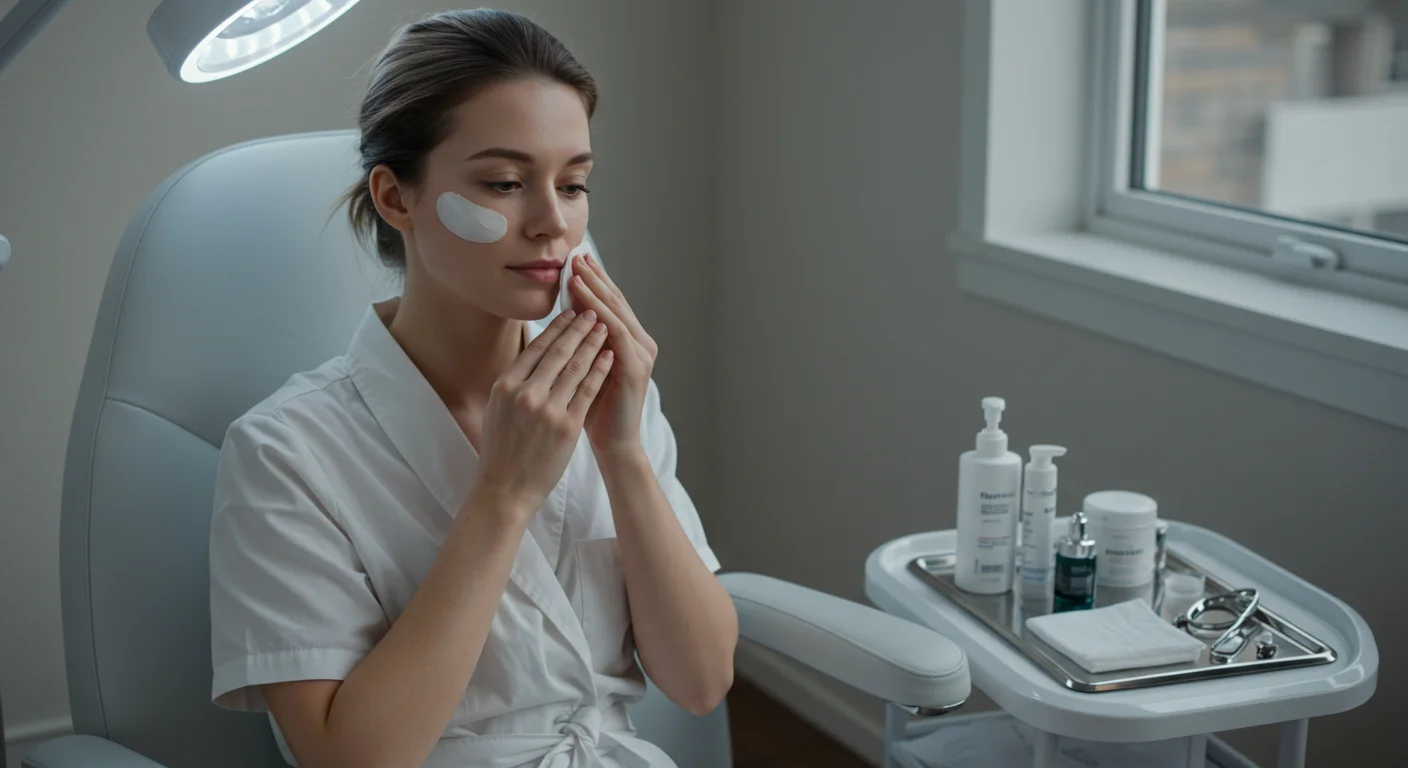
On the day of her appointment, Sarah arrived looking calm, albeit a little nervous. She had followed my instructions to the letter, applying her numbing cream diligently. Her skin was clean, fresh, and free of makeup. When I gently wiped away the cream, her skin was visibly blanched, a good sign of effective numbing.
During the fractional laser treatment, which typically takes about 30-45 minutes for a full face, Sarah reported feeling only a mild warmth and a “prickling sensation,” a far cry from the intense pain she had feared. We used our clinic’s Zimmer Cryo 6 cooling device, which blows chilled air onto the skin during the procedure, further enhancing comfort. This combination of diligent at-home numbing and in-office cooling is, in my professional opinion, the gold standard for patient comfort in laser treatments.
My philosophy is simple: a comfortable patient is a happy patient, and a happy patient is a compliant patient. When people dread a procedure, they’re less likely to commit to the full course of treatment necessary for optimal results. I once had a client who skipped the numbing cream for a tattoo removal session, believing he had a high pain tolerance. He lasted barely five minutes before asking us to stop. We rescheduled, he used the numbing cream, and the second session was a breeze.
Post-Treatment: Continuing the Care
The numbing and pre-appointment prep doesn’t end when the laser turns off. Sarah’s post-treatment care was just as crucial. We applied a soothing balm immediately and provided her with a detailed aftercare sheet, emphasizing gentle cleansing, consistent hydration, and strict sun protection (SPF 50+ applied every two hours, even indoors near windows). Post-procedure care is an extension of the prep; it ensures the results are maximized and complications minimized. Ignoring it is like preparing a gourmet meal and then serving it on a dirty plate. Why bother?
The Outcome: Sarah’s Radiant Reflection
A week after her treatment, Sarah returned for her follow-up. The initial redness had subsided, revealing a smoother, more even-toned complexion. “I can’t believe how little it hurt,” she said, beaming. “And my skin feels amazing. I’m actually excited for my next session.” This is the ultimate goal. Not just to achieve results, but to make the journey to those results a positive one.
Sarah’s case underscores a vital truth in aesthetics: preparation is not merely a suggestion; it’s a prerequisite for success. By taking the time to properly numb and prepare your skin, you’re investing not just in the treatment itself, but in your comfort, your recovery, and ultimately, the best possible outcome for your skin health.
I stand firm on this: anyone offering aesthetic procedures who doesn’t emphasize comprehensive pre-appointment prep is doing their clients a disservice. It’s not just about the technology; it’s about the entire patient experience. And a significant part of that experience is ensuring minimal discomfort and maximum results. Don’t ever settle for less.
Proper numbing and preparation can transform a potentially daunting procedure into a manageable and even pleasant experience, leading to superior results and a much happier you.
What is the best way to apply topical numbing cream for maximum effect?
Apply a thick, even layer of the prescribed numbing cream at least 60-90 minutes before your appointment. For enhanced absorption, cover the treated area with an occlusive dressing like cling film (plastic wrap) after application. Ensure the skin is clean and dry before applying.
What should I avoid eating or drinking before a skin treatment to minimize bruising and sensitivity?
For 24-48 hours before your treatment, avoid alcohol and excessive caffeine. For a full week prior, discontinue any blood-thinning supplements such as fish oil, Vitamin E, Ginkgo Biloba, and over-the-counter pain relievers like ibuprofen or aspirin, unless medically advised otherwise by your physician.
How does stress impact my pain tolerance during a procedure?
Stress and anxiety can significantly lower your pain threshold, making procedures feel more uncomfortable. Engaging in relaxation techniques like deep breathing, meditation, or light exercise the day before your appointment can help manage stress and potentially improve your comfort level.
Should I stop using my regular skincare products before an aesthetic treatment?
Yes, it’s generally recommended to pause the use of active ingredients like retinoids, AHAs (alpha hydroxy acids), and BHAs (beta hydroxy acids) for at least 3-5 days before an aesthetic treatment. This helps prevent skin irritation and ensures your skin’s barrier is strong and healthy for the procedure.
Can I apply numbing cream if I have sensitive skin?
If you have sensitive skin, it’s crucial to discuss this with your provider before applying any numbing cream. They may recommend a patch test to check for any adverse reactions or suggest a different formulation. Always follow your practitioner’s specific instructions for sensitive skin.


