 By Editorial Team
For many, the thought of waxing conjures images of wincing, redness, and days of discomfort. But what if I told you achieving smooth, hair-free skin doesn’t have to be a torturous ordeal? Discovering the least painful wax methods is entirely possible, and it’s a game-changer for your overall skin health. Ready to transform your waxing experience?
Key Takeaways
- Pre-waxing preparation, including exfoliation and avoiding stimulants, significantly reduces discomfort during hair removal.
- Hard wax is generally less painful than soft wax for sensitive areas because it adheres only to the hair, not to the skin.
- Post-waxing care, such as applying soothing products and avoiding harsh chemicals, prevents irritation and promotes healthy skin recovery.
- Consistent waxing every 3-4 weeks can lead to finer hair regrowth and decreased pain over time.
- Seeking out an experienced, licensed esthetician is paramount for a comfortable and effective waxing experience.
I remember Maya from Midtown Aesthetics. She’d been running her boutique salon near the historic Fox Theatre for years, and while she had a loyal clientele for facials and lash extensions, her waxing services were… well, they weren’t exactly booming. “Everyone comes in dreading it, Sarah,” she’d confessed to me over coffee one morning, her voice tinged with frustration. “They expect the worst, and honestly, sometimes I feel like I’m delivering it. How do I make waxing a pleasant experience, not just a necessary evil?”
Maya’s dilemma is one I’ve heard countless times from spa owners and individuals alike. The perception of waxing as inherently agonizing is deeply ingrained, and it often deters people from even trying it. But as a skin health consultant with over a decade in the industry, I know this perception is, thankfully, outdated. With the right techniques, products, and a little education, waxing can be surprisingly manageable, even for the most sensitive skin types.
The Science of Pain: Why Waxing Hurts (and How to Minimize It)
Let’s be real: pulling hair from its follicle isn’t going to feel like a gentle massage. The pain stems from two primary factors: the direct trauma to the nerve endings around the hair follicle and the pulling of the skin itself. Understanding this is the first step to minimizing discomfort. When Maya and I started working together, our first order of business was to dissect her current process.
“What’s your client prep like?” I asked her. She described a quick cleanse, a dusting of powder, and then straight to waxing. This, I explained, was a missed opportunity. Proper preparation is arguably 50% of the battle when it comes to a least painful wax.
Pre-Waxing Protocol: Setting the Stage for Comfort
1. Exfoliation is Non-Negotiable: A few days before waxing, gentle exfoliation is key. “Think of it like clearing a path,” I told Maya. “Dead skin cells can trap hairs, making them harder to remove and increasing the pull on the skin.” I recommended a mild physical exfoliant or an enzymatic scrub, like the Dermalogica Daily Microfoliant, which uses rice bran and papaya enzymes to gently resurface the skin without aggressive scrubbing. This helps to lift hairs and prevent ingrowns, making removal smoother and less painful.
2. Hydration from Within and Without: Well-hydrated skin is more pliable and less prone to tearing or excessive irritation. Encouraging clients to drink plenty of water in the days leading up to their appointment is simple but effective. Topically, avoiding heavy lotions on the day of the wax is important, but consistent moisturizing in the weeks prior helps maintain skin elasticity.
3. Timing is Everything: Hormonal fluctuations can significantly impact pain sensitivity. Many women find waxing more uncomfortable during their menstrual cycle due to increased blood flow and nerve sensitivity. I always advise clients to schedule their appointments for the week following their period, when pain tolerance is generally higher.
Silky-smooth legs that stay soft for weeks
Skip the daily shave. Find a top-rated waxing studio near you and book your first visit in minutes.
Find a Wax Studio Near You →4. Avoid Stimulants: This is a big one. Caffeine and alcohol are vasoconstrictors and can increase sensitivity. “I had a client last year,” I recounted to Maya, “who swore she could handle anything. She’d chugged two coffees before her appointment, and let me tell you, it was a rough session. She learned her lesson.” Advising clients to skip coffee and alcohol for at least 24 hours beforehand can make a noticeable difference.
Hard Wax vs. Soft Wax: The Unsung Hero of Pain Reduction
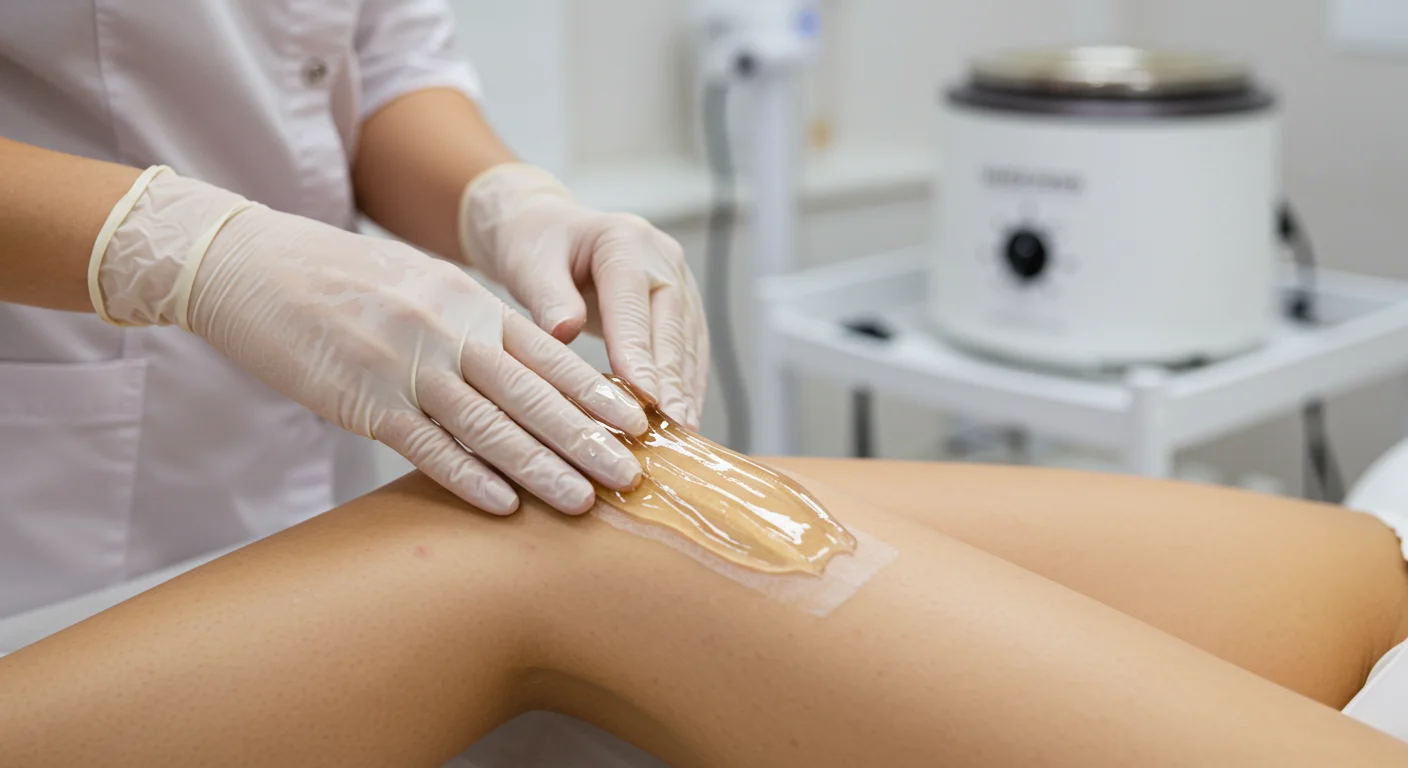
One of the biggest shifts Maya made was in her wax choice. She had been primarily using strip wax (soft wax) for most body areas. While efficient for large, less sensitive areas, soft wax adheres to both the hair and the skin, pulling at the epidermis upon removal. This is a significant source of pain, especially in delicate regions like the bikini line or underarms.
“For a truly least painful wax, especially for sensitive areas, hard wax is your best friend,” I emphasized. Hard wax, also known as stripless wax, is applied thicker, cools, and then hardens, encapsulating only the hair. When removed, it doesn’t pull the skin as much, resulting in a far more comfortable experience. Maya invested in a high-quality hard wax formulation, specifically a LYCON Lycotec White Hot Wax, known for its gentle, pliable texture and ability to grip even fine hairs.
She also started using pre-waxing oil. “This creates a barrier,” I explained, “between the wax and the skin. It ensures the wax only adheres to the hair, further reducing tugging and irritation.” This small addition made a massive impact on client feedback.
The Case Study: Maya’s Waxing Renaissance
Maya decided to implement these changes systematically. For three months, she tracked client feedback on her waxing services. She focused on her most common waxing service: the bikini wax.
- Baseline (Month 1): Using her previous soft wax method, 70% of clients reported significant discomfort (rating 7/10 or higher on a pain scale). Her average rebooking rate for bikini waxes was 40%.
- Intervention (Month 2): Maya introduced the pre-waxing exfoliation recommendation, advised clients to avoid stimulants, and began using hard wax with pre-waxing oil for all bikini services.
- Results (Month 3): Only 25% of clients reported significant discomfort (7/10 or higher). The average rebooking rate for bikini waxes jumped to 75%.
The numbers spoke for themselves. Maya’s clients were not only experiencing less pain but were also more likely to return, building her waxing business significantly. Her revenue from waxing services increased by 35% in that quarter alone, all by focusing on client comfort and superior technique.
Technique and Aftercare: The Finishing Touches for Optimal Skin Health
Even with the best wax and prep, a skilled hand makes all the difference. An experienced esthetician will apply the wax correctly, remove it swiftly and efficiently, and apply immediate pressure to the waxed area to soothe nerve endings. “This isn’t just about speed,” I advised Maya, “it’s about confidence and precision. Hesitation makes it worse.”
Post-Waxing Care: Calming the Skin and Preventing Issues
The job isn’t over once the hair is gone. Post-waxing care is critical for preventing irritation, redness, and ingrown hairs, all of which contribute to the perception of a painful experience.
- Soothing Applications: Immediately after waxing, applying a cool compress or a soothing product like aloe vera gel or a specialized post-wax oil (many contain ingredients like chamomile or tea tree oil) can significantly calm the skin. I recommend Tend Skin Solution for preventing ingrown hairs, which is a fantastic product for anyone prone to them.
- Avoid Heat and Friction: For 24-48 hours, clients should avoid hot baths, saunas, tight clothing, and intense exercise. Heat and friction can exacerbate redness and irritation, leading to uncomfortable bumps.
- Gentle Cleansing: Clients should cleanse the waxed area with a mild, fragrance-free cleanser and continue gentle exfoliation a few days after waxing to prevent ingrown hairs.
- Sun Protection: Freshly waxed skin is more susceptible to sun damage. Clients must use a broad-spectrum SPF 30 or higher on any exposed waxed areas.
One editorial aside: I see so many people make the mistake of thinking they can just wax at home with cheap kits and expect salon-quality results and minimal pain. While DIY waxing has its place, for areas like the bikini or face, I strongly advocate for professional services. A licensed esthetician has the training, the right products, and the angles down pat. They know how to stretch the skin, apply pressure, and remove the wax in a way that minimizes discomfort – something incredibly difficult to replicate on yourself. Trust me, your skin will thank you.
Consistency and Hair Growth Cycles
Here’s what nobody tells you: consistent waxing actually makes it less painful over time. When you wax regularly, typically every 3-4 weeks, you catch the hair in its anagen (growth) phase. This means the hair root is smaller and weaker, making removal easier and less painful. Moreover, regular waxing can damage the hair follicle over time, leading to finer, sparser hair regrowth. This is a huge win for long-term comfort and smoother skin.
Maya began educating her clients about this. She created a simple “waxing journey” handout that explained the benefits of consistency and proper aftercare, empowering them to take an active role in their skin health. She even offered a small discount for rebooking within four weeks, incentivizing the consistent schedule that yields the best results.
The transformation at Midtown Aesthetics was remarkable. Maya’s waxing services, once a source of dread, became a trusted, comfortable experience. Clients were leaving her salon not just smooth, but genuinely happy, often remarking on how much less painful it was than they expected. This shift wasn’t magic; it was the result of understanding the nuances of hair removal, prioritizing client comfort, and implementing scientifically-backed techniques.
Achieving a truly least painful wax is a combination of meticulous preparation, superior product choice, expert technique, and diligent aftercare. It’s a holistic approach that prioritizes both hair removal and the overarching goal of healthy, happy skin. By embracing these principles, anyone can transform their waxing experience from a dreaded chore into a manageable, even pleasant, part of their beauty routine.
What is the best type of wax for sensitive skin to ensure the least painful experience?
For sensitive skin, hard wax (also known as stripless wax) is generally considered the best option. It adheres primarily to the hair and not the skin, significantly reducing discomfort upon removal compared to soft wax.
How often should I wax to minimize pain and achieve the best results?
To minimize pain and encourage finer hair regrowth, it’s recommended to wax consistently every 3 to 4 weeks. This schedule helps to catch hair in its anagen (growth) phase, making removal easier and less painful over time.
What can I do before a waxing appointment to make it less painful?
Before your waxing appointment, gently exfoliate the area 2-3 days prior, ensure your skin is well-hydrated, avoid caffeine and alcohol for 24 hours, and schedule your appointment for the week after your menstrual cycle if you are sensitive to hormonal fluctuations.
Are there any specific products I should use after waxing to soothe my skin and prevent irritation?
After waxing, apply soothing products like aloe vera gel, a specialized post-wax oil containing ingredients such as chamomile or tea tree oil, or a product designed to prevent ingrown hairs like Tend Skin Solution. Avoid hot baths, tight clothing, and direct sun exposure for 24-48 hours.
Can regular waxing permanently reduce hair growth?
While waxing does not permanently remove hair, consistent and long-term waxing can damage the hair follicle over time, leading to finer, sparser, and sometimes slower hair regrowth. The hair that does grow back is often softer and less noticeable.


