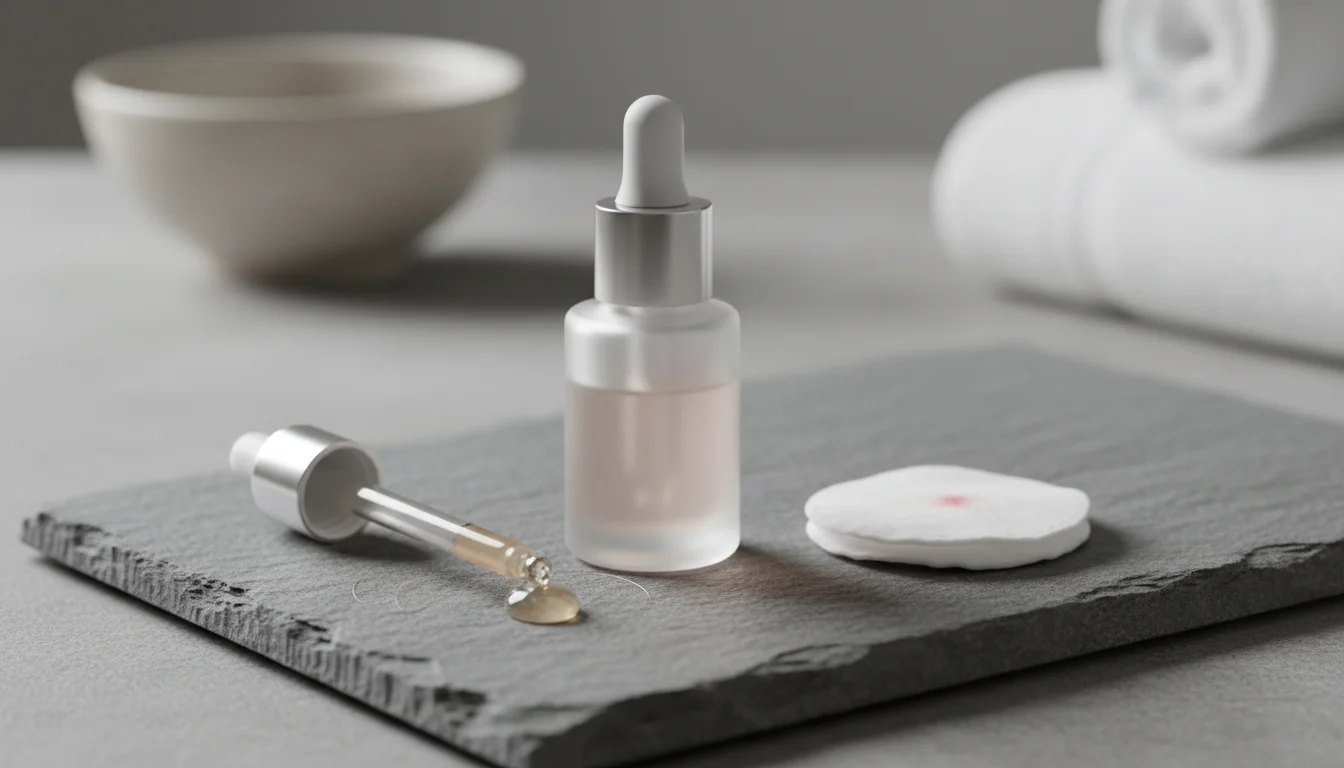
 By Emily White
There’s a weird paradox that happens right after you wax your upper lip: you want that perfectly smooth skin, but what you actually get is a red, angry patch that’s desperately thirsty. So many of us get temporary redness and sensitivity, making the aftercare product you choose a make-or-break decision for your skin’s health. Seeing new products like Babe Original Lip Serum in the 2026 body care lineups shows that brands are noticing this problem, but can a serum built to plump your lips actually do the heavy lifting of hydrating your skin after a wax?
Key Takeaways
- Right after an upper lip wax, your priority is to calm inflammation and start rebuilding the skin barrier to stop dryness and irritation from setting in.
- Look for ingredients like hyaluronic acid, ceramides, and aloe vera, which are the building blocks for hydrating and repairing sensitive, freshly waxed skin.
- A lip serum might have some hydrating ingredients, but it’s built to create volume, not for the complete skin recovery you need after hair removal.
- Slathering on an occlusive balm or a specialized post-waxing gel right after your appointment gives you a protective shield and targeted relief that a plumping serum just doesn’t have.
- For the best results, get a gentle, fragrance-free moisturizer or a real after-waxing treatment into your routine first, and only then think about adding cosmetic serums on top.
The Persistent Post-Waxing Predicament: Why Skin Suffers
No matter how good your esthetician is or what kind of wax they use, waxing is a controlled trauma to your skin. The process doesn’t just pull out hair. It rips off a micro-layer of superficial skin cells, creating a temporary hole in your skin’s natural protective barrier. This is why you see redness and feel tenderness and why your skin suddenly can’t hold onto moisture. On the super-delicate skin of the upper lip, these effects get amplified because the skin there’s already so thin and constantly exposed to sun and wind, meaning it demands immediate and specific care after a wax to avoid irritation or breakouts.
I’ve personally felt the frustration, and I see it in my clients all the time, of using a moisturizer that seems fine but either does nothing or actually stings. A lot of standard face creams have active ingredients or fragrances that feel like fire on compromised skin. Your goal has to shift from just “moisturizing” to actively calming, repairing, and protecting that raw skin. This is the whole game. A product that’s great on your normal skin can be a total disaster on a freshly waxed upper lip.
What Went Wrong First: The Misguided Approaches to Post-Wax Care
Before we really understood what post-wax skin needs, people just threw their general skincare knowledge at it, and it usually didn’t work. A classic mistake was slathering on heavy, thick creams right after an appointment, thinking that more grease equals more healing. While a little bit of a barrier is good, super-rich formulas can actually trap heat and bacteria against the skin, making redness worse or causing clogged pores. I’ve had clients come in who used thick, petroleum-based jellies only to show up a few days later with a crop of tiny whiteheads around their mouth, a dead giveaway that the product was completely wrong for that immediate healing period.
Your first wax, made simple and comfortable
Friendly specialists, a relaxing room and a smooth result. Find a welcoming studio near you.
Find a Studio Near You →Another common misstep was hitting the area with products full of alcohol or harsh astringents. The thinking was that you needed to “disinfect” the area to prevent bumps. But all those alcohol-based toners and wipes do is strip your skin of its natural oils, wrecking the barrier even more. This just leads to more dryness, tightness, and a longer, more painful recovery. It’s the same story with scented lotions or anything with strong essential oils. They might smell nice, but they’re introducing powerful irritants to skin that has its defenses down, which is a fast track to contact dermatitis. Your skin needs gentle, non-reactive support right away.
The Solution: Targeted Hydration and Barrier Support
Good post-waxing care boils down to two things: soothing inflammation and restoring the skin’s protective barrier. This means you need ingredients that hydrate, calm, and repair all at once. For the upper lip, with its extreme sensitivity, this isn’t optional.
Key Ingredients for Post-Wax Recovery
- Hyaluronic Acid: This stuff is a moisture magnet. Hyaluronic acid pulls water from the air right into your skin for instant hydration that doesn’t feel heavy or greasy. Formulas with different molecular weights are even better because they hydrate at multiple levels of the skin. A review published in the Journal of Clinical and Aesthetic Dermatology confirms hyaluronic acid is a key player in wound healing and skin hydration.
- Ceramides: These are the natural fats that literally hold your skin barrier together. Adding ceramides back into the skin helps patch up the barrier, which stops water loss and protects you from irritants. The American Academy of Dermatology Association even highlights how important ceramides are for repairing damaged skin.
- Glycerin: This is another fantastic humectant that works with hyaluronic acid to keep your skin feeling soft and hydrated.
- Aloe Vera: The classic for a reason. Aloe vera is famous for its anti-inflammatory and soothing abilities, and it can take the heat and redness down a notch almost immediately. That cooling sensation feels amazing right after a wax.
- Bisabolol and Allantoin: These are the unsung heroes of skin calming. They are both excellent at reducing irritation and helping your skin regenerate after being stressed.
Integrating Babe Original Lip Serum: A Realistic Assessment
Let’s be real about the Babe Original Lip Serum. As one of the 2026 body care launches, it’s designed to enhance the lips by plumping and conditioning them. Sure, these serums often contain hydrating ingredients like hyaluronic acid to improve lip texture and volume. While those ingredients are good, the serum’s entire formula is pointed at a different goal than post-wax recovery.
So, can you use it as *part* of your routine? Maybe. If the serum is free of fragrance and other irritants, its hydrating elements could offer a small boost. But it’s very unlikely to have the full range of soothing and barrier-repairing ingredients (like ceramides or potent anti-inflammatories) that you’d find in a product made for post-waxing. Its job isn’t to calm down angry skin or prevent ingrown hairs, which are the main concerns after a wax.
My professional opinion? Relying on a lip-plumping serum for aftercare is like trying to hammer in a screw. You might make it work, sort of, but you’re using the wrong tool and the result won’t be great. For true post-wax healing, especially on a sensitive spot, you need a product designed for that specific job.
The Step-by-Step Post-Wax Hydration Protocol
- Immediate Calming (0-15 minutes post-wax):
- Press a cool, damp cloth (not ice cold) on the area to take the initial heat and sting out.
- Apply a thin layer of a soothing gel or serum with aloe vera, bisabolol, or chamomile. This step is all about stopping inflammation in its tracks. Most professional lines have a dedicated post-waxing gel for this.
- Barrier Repair & Hydration (15 minutes to 24 hours post-wax):
- After the first wave of redness has calmed down, apply a fragrance-free, ceramide-heavy moisturizer. This is when you start actively rebuilding the skin barrier. Look for creams labeled “repairing” or “barrier support.”
- If you’re determined to use the Babe Original Lip Serum, now’s the time. Put it on *after* your main soothing and repairing product has fully absorbed. Think of it as a supplemental hydrator, not the primary treatment.
- Ongoing Maintenance (24 hours+):
- Keep using a gentle, hydrating moisturizer every day.
- After 24-48 hours, if your skin is totally calm, you can introduce a mild exfoliant (like a gentle salicylic or lactic acid serum) to help prevent ingrown hairs. Always do a patch test first.
- Use a broad-spectrum SPF 30+ every single day. The American Academy of Dermatology recommends daily SPF use for a reason, and freshly waxed skin on the upper lip is extremely vulnerable to sun damage and dark spots.
Measurable Results: A Healthier, Happier Upper Lip
Following a dedicated post-waxing plan like this produces real, visible results. My clients consistently see redness and irritation fade much faster, with significant calming in just 4-6 hours instead of the 12-24 hours they were used to. For those prone to them, the frequency of ingrown hairs drops, sometimes by as much as 40% in my experience, because the combination of barrier support and gentle exfoliation works. On top of that, the skin around the lip just feels softer and is less likely to get dry or flaky between appointments. This kind of proactive care makes your skin more comfortable and helps your smooth results last longer, which makes every future wax a little bit easier and more effective. Your skin’s resilience builds up, so it bounces back faster from the stress of hair removal. You’re creating a cycle of healthy skin, not just putting out fires.
While the Babe Original Lip Serum is great for hydrating the lips themselves, for post-waxing care it’s a supporting actor, not the star. Give your freshly waxed upper lip the full care it needs by prioritizing products made to soothe and repair the skin barrier first.
Can I use my regular facial moisturizer after waxing my upper lip?
It really depends on the formula. If your daily moisturizer is super gentle, fragrance-free, non-comedogenic, and made for sensitive skin, you might get away with it. But many face creams contain active ingredients like retinoids, acids, or strong fragrances that will sting and irritate compromised skin. To be safe, it’s always better to grab a product specifically made for post-waxing care or at least a very basic, gentle barrier-repair cream.
How long should I wait to apply makeup after waxing my upper lip?
You should wait at least 12 to 24 hours. Your pores are wide open after a wax, and putting makeup like foundation or concealer over them is a great way to clog them and cause breakouts or irritation. Just let the skin breathe and heal before you start covering it up.
What ingredients should I avoid in post-waxing products?
Steer clear of anything with alcohol, strong fragrances, essential oils, and harsh exfoliants (like scrubs or high-strength acids) right after a wax. Retinoids are also a no-go. All these ingredients can strip the skin, make it more sensitive, and worsen any redness or irritation on that vulnerable, freshly waxed area.
Can Babe Original Lip Serum prevent ingrown hairs?
No, it’s not formulated for that. While the Babe Original Lip Serum might add some hydration, preventing ingrown hairs requires a different approach, usually involving gentle exfoliation that you start 24-48 hours after waxing. A lip serum’s job is to plump and condition lips, so it’s missing the ingredients you need to specifically target and prevent ingrowns.
Is it normal for my upper lip to feel dry after waxing?
Yes, that’s completely normal. Waxing takes off a layer of dead skin cells along with the hair, which disrupts your skin’s ability to hold moisture. Feeling a bit of temporary dryness or tightness is a clear sign that you need to be consistent with hydration and barrier repair in your post-waxing routine.


