 By Editorial Team
Key Takeaways
- Micro-needling should generally be avoided for active post-wax ingrown hairs due to the risk of exacerbating inflammation and infection.
- For prevention of ingrowns, professional micro-needling can be considered, but only on healthy, unbroken skin, and at least 7-10 days after waxing.
- At-home micro-needling devices are often less effective and carry higher risks of improper use, making professional treatments a safer choice.
- Consulting a board-certified dermatologist or licensed esthetician is essential before combining micro-needling with any post-wax care regimen.
- Effective alternatives for treating and preventing ingrowns include gentle exfoliation, salicylic acid, and proper moisturizing.
There’s a startling amount of misinformation swirling around skin care, especially when it comes to advanced treatments like micro-needling for post-wax ingrowns. Many people incorrectly assume that if a treatment is good for one skin concern, it must be good for all. But when we talk about micro-needling ingrowns in the context of post-wax care, we need to separate fact from fiction to ensure safety and efficacy. Can this popular collagen-inducing treatment truly help with those pesky bumps, or could it make things worse?
Myth 1: Micro-Needling Is a Quick Fix for Active Ingrown Hairs
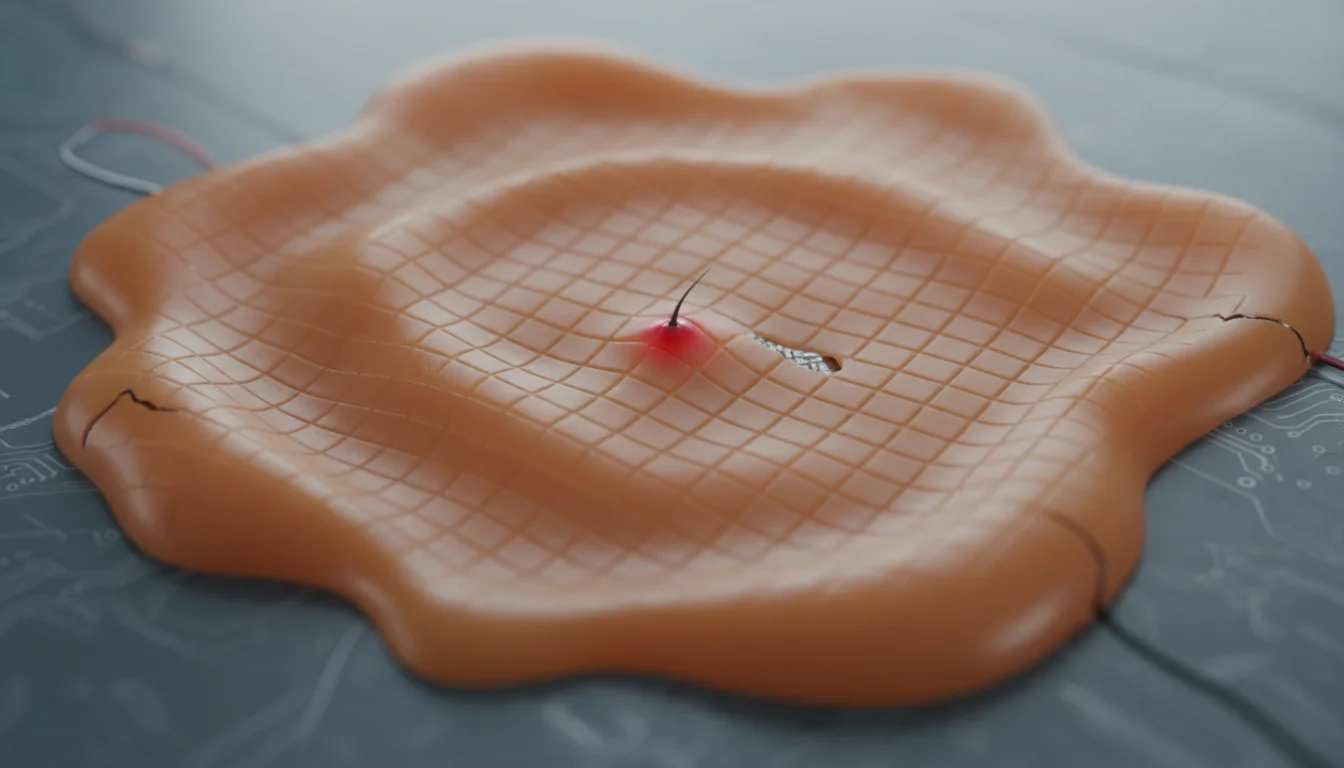
This is perhaps the most dangerous misconception out there. I’ve had countless clients walk into my practice, convinced that a quick session with a dermaroller will magically clear up their inflamed, painful ingrowns. The truth? Applying micro-needling to an active ingrown hair is a recipe for disaster. An ingrown hair is essentially a hair trapped under the skin, often accompanied by inflammation, redness, and sometimes pus. Introducing tiny needles to an already compromised area significantly increases the risk of infection. You’re creating microscopic channels that can push bacteria deeper into the follicle, leading to a more severe inflammatory response, hyperpigmentation, or even scarring. Think of it this way: if you have a splinter, you don’t rub sandpaper over it; you carefully remove it. The same principle applies here. The American Academy of Dermatology Association (AAD) consistently advises against using invasive treatments on active skin infections or inflamed lesions, and an irritated ingrown hair certainly falls into that category. We prioritize treating the infection and inflammation first, before even considering something like micro-needling. My advice has always been: if it’s red, raised, or painful, leave it alone or see a professional for extraction and soothing treatments.
Silky-smooth legs that stay soft for weeks
Skip the daily shave. Find a top-rated waxing studio near you and book your first visit in minutes.
Find a Wax Studio Near You →Myth 2: At-Home Micro-Needling Devices Are Just as Effective and Safe for Post-Wax Ingrown Prevention
The allure of at-home beauty tools is strong, and dermarollers are no exception. They’re readily available online, often advertised as a cost-effective solution for everything from wrinkles to ingrowns. However, when it comes to preventing post-wax ingrowns, the efficacy and safety of at-home devices are significantly lower than professional treatments. The needle depth, sterility, and technique are paramount for effective micro-needling. Most at-home devices have shorter needles (typically 0.2mm to 0.5mm), which primarily aid in product penetration rather than stimulating significant collagen remodeling or effectively addressing deeper skin concerns that contribute to ingrowns. Furthermore, proper sterilization is often overlooked in a home setting. A dermaroller used without meticulous cleaning can harbor bacteria, turning a preventative measure into a potential source of infection. We often see clients who have inadvertently caused minor abrasions or exacerbated existing skin issues due to improper technique or contaminated devices. A 2023 study published in the Journal of Clinical and Aesthetic Dermatology highlighted the increased risk of adverse events, including infection and granulomas, associated with improper at-home micro-needling practices compared to professional settings. For true preventative measures, especially on delicate areas prone to ingrowns, I always recommend professional guidance. A licensed esthetician or dermatologist can assess your skin, recommend appropriate treatments, and ensure sterile conditions.
Myth 3: Micro-Needling Immediately After Waxing Will Prevent Ingrowns
This myth is born from a misunderstanding of how both waxing and micro-needling affect the skin. Waxing removes hair from the root, leaving the follicle temporarily open and vulnerable. The skin itself experiences a degree of trauma and inflammation. Introducing micro-needling immediately after this process is counterproductive and potentially harmful. The skin needs time to heal and for the follicles to close naturally. Performing micro-needling too soon after waxing can further irritate the skin, increase redness, and ironically, make it more susceptible to infection and ingrown hair formation. It’s like trying to run a marathon right after a strenuous workout; your body needs recovery time. I always advise clients to wait at least 7 to 10 days after a waxing session before considering any form of micro-needling, and even then, only if the skin is completely calm, free of irritation, and fully healed. Our primary goal is always to support the skin’s natural healing process, not to overwhelm it.
Myth 4: Micro-Needling Is the Best Preventative Measure for All Types of Post-Wax Ingrowns
While micro-needling can play a role in preventing certain types of ingrown hairs by improving skin texture and promoting healthier hair growth, it’s not a universal panacea. Ingrown hairs can result from various factors: curly hair types, improper waxing technique, tight clothing, dead skin cell buildup, and even genetic predisposition. Micro-needling primarily works by creating controlled micro-injuries, which stimulates collagen and elastin production, leading to smoother, more resilient skin. This can make it easier for new hair to grow through the skin surface rather than becoming trapped. However, if your ingrowns are primarily caused by, say, consistently wearing restrictive clothing immediately after waxing, micro-needling won’t solve that underlying issue. Similarly, if your waxing technique is consistently breaking hairs rather than removing them from the root, micro-needling will only address the symptom, not the cause. A holistic approach is always best. This includes proper exfoliation with ingredients like salicylic acid, keeping the skin hydrated, and wearing breathable fabrics. For instance, I had a client last year, a runner, who struggled with persistent ingrowns on her inner thighs despite regular professional waxing. We realized her athletic leggings were the primary culprit. While we discussed micro-needling for skin texture, the real solution involved switching to looser, moisture-wicking fabrics and a consistent post-wax exfoliation routine. Micro-needling was a secondary consideration, not the first line of defense.
Myth 5: All Skin Types and Conditions Can Safely Undergo Micro-Needling for Ingrowns
This is a critical point that often gets overlooked in the enthusiasm for advanced treatments. Micro-needling, while generally safe for many, is not suitable for everyone. Individuals with certain skin conditions, such as active acne, eczema, psoriasis, or a history of keloid scarring, should absolutely avoid micro-needling, especially on areas prone to ingrowns. The trauma from the needles can exacerbate these conditions, leading to flare-ups, increased inflammation, or even permanent scarring. Furthermore, those on certain medications, particularly retinoids or blood thinners, may need to adjust their regimen or avoid micro-needling altogether. Pregnant or breastfeeding individuals are also typically advised to postpone such treatments. A thorough consultation with a qualified skin care professional is non-negotiable. We conduct a detailed skin analysis and health history review before ever considering micro-needling. It’s about understanding the individual’s skin, their specific concerns, and ensuring the chosen treatment aligns with their overall health and skin integrity. Trust me, a good professional will always err on the side of caution. The notion that micro-needling is a universal solution for post-wax ingrowns is largely unfounded and potentially harmful. While it can be a valuable tool for improving skin texture and preventing future ingrowns in certain, healthy skin scenarios, it is absolutely not a treatment for active, inflamed ingrown hairs. Prioritize gentle care, targeted exfoliation, and professional advice to keep your skin smooth and free from irritation.
Can I use a dermaroller on an ingrown hair that has pus?
Absolutely not. Using a dermaroller or any micro-needling device on an ingrown hair with pus can push bacteria deeper into the skin, leading to a more severe infection, increased inflammation, and potential scarring. It’s best to allow the ingrown to heal naturally, apply a warm compress, or consult a dermatologist for proper extraction.
How long after waxing should I wait before considering micro-needling for ingrown prevention?
You should wait at least 7 to 10 days after waxing before considering micro-needling. This allows the skin to fully heal, reduces inflammation, and minimizes the risk of irritation or infection from the micro-needling process.
What are some safer alternatives for treating existing ingrown hairs?
Safer alternatives include gentle exfoliation with a chemical exfoliant like salicylic acid or glycolic acid, applying warm compresses to help release the trapped hair, and using soothing, anti-inflammatory topical treatments. Always ensure your skin is clean and moisturized.
Is professional micro-needling different from at-home devices for ingrowns?
Yes, professional micro-needling uses sterile, medical-grade devices with adjustable needle depths, performed by trained practitioners. This allows for deeper, more controlled penetration and significantly reduces the risk of infection and improper technique compared to at-home dermarollers, which typically have shorter needles and are prone to user error and inadequate sterilization.
Will micro-needling help with hyperpigmentation caused by previous ingrown hairs?
Once the ingrown hair has fully healed and any inflammation has subsided, professional micro-needling can be beneficial for reducing post-inflammatory hyperpigmentation (dark spots) caused by previous ingrown hairs. It stimulates cell turnover and collagen production, which can help fade discoloration over time. However, it should only be performed on healed skin, not active lesions.


