 By Editorial Team
Even with great waxing technique, some people get left with annoying little marks or scars. It just happens. The real question is what to do about them, and clients are constantly asking if nano-needling can actually fix these post-wax scars and improve overall skin healing.
Key Takeaways
- Nano-needling uses microscopic silicone pyramids to stamp temporary channels in your skin, letting products sink in way deeper and kicking cellular renewal into gear.
- It’s not micro-needling, it’s way less invasive because it only works on the epidermis (the top layer), so it’s great for sensitive skin and has almost no downtime.
- To get real results for scar reduction, you’re looking at a series of 4 to 6 nano-needling sessions, spaced about 2 to 4 weeks apart, and you have to use the right topical serums with it.
- Post-wax marks, especially hyperpigmentation and slight texture issues, respond really well to nano-needling because it pushes cell turnover and helps build some new collagen.
- Your aftercare is everything. You must be gentle with cleansing, keep the skin hydrated, and be super strict with a broad-spectrum SPF 30+ sunscreen to get the most out of your treatments and prevent more damage.
Understanding Nano-Needling Technology
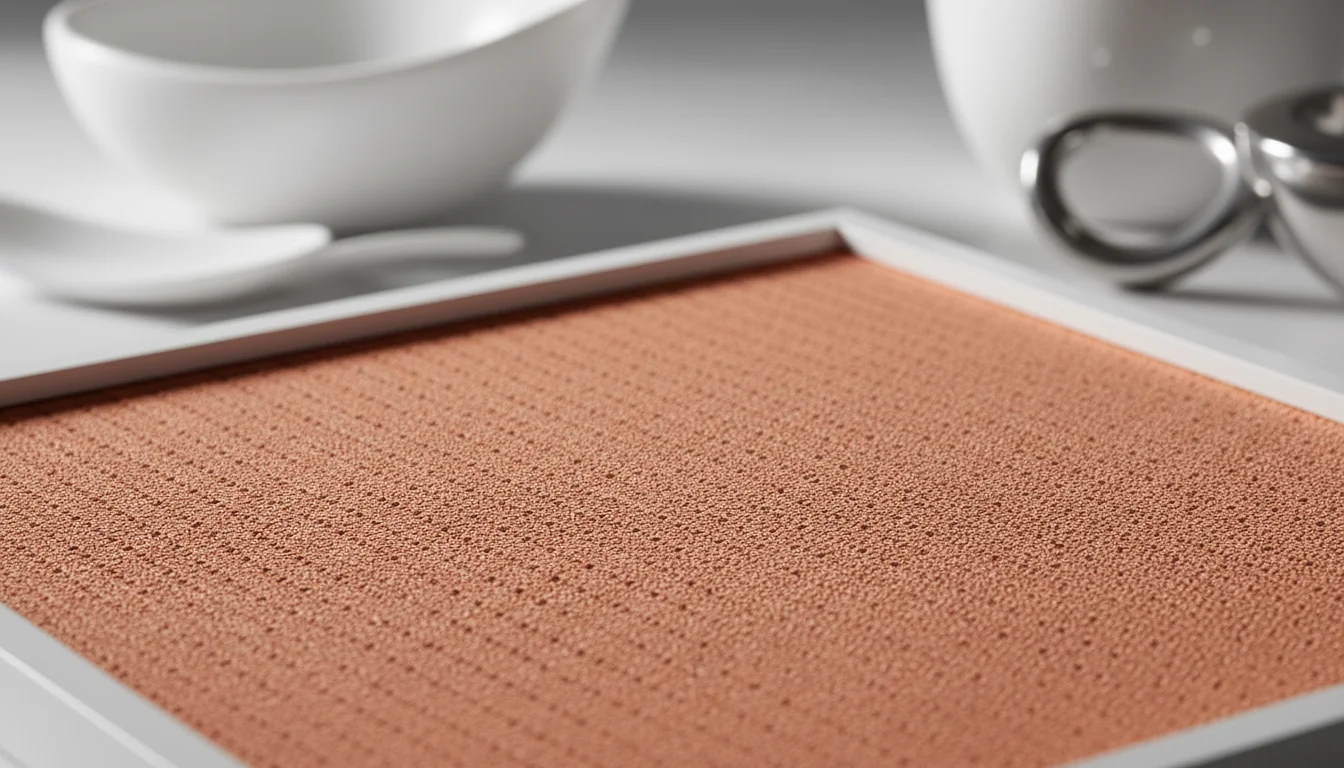
So, what is nano-needling? It’s a device with a tip that has microscopic, pyramid-shaped points made of silicone or stainless steel, each one smaller than a human hair. These tips press temporary micro-channels into the stratum corneum, the absolute outermost layer of skin, without ever breaking into the dermis below. Unlike traditional micro-needling which uses needles to create a controlled wound deep in the dermis, nano-needling is a gentler, surface-level treatment, which is why it’s so appealing for people with sensitive skin or who can’t afford any downtime.
The main reason nano-needling works so well is that it dramatically boosts how much of your topical products actually get absorbed. By creating these tiny, temporary pathways, the serums, peptides, and growth factors we apply during the treatment can penetrate much deeper than they ever could on their own, meaning the active ingredients can get to work more effectively. There’s a reason non-ablative epidermal treatments are getting so much attention for improving skin texture and tone with minimal risk, as noted in a 2024 review in the Journal of the American Academy of Dermatology.
On top of better product absorption, nano-needling does give your cells a little kick. It’s not going to trigger the major collagen production you’d see from a deeper treatment, but the gentle stimulation does encourage faster cell turnover and can improve microcirculation. Over time, this subtle biological push helps the skin look healthier and more lively. The tips are designed to be non-abrasive, so the whole procedure just feels like a light vibration on the skin, which is a world away from the discomfort of other skin resurfacing treatments.
The Nature of Post-Wax Scars
Scars left over from waxing usually show up in a few common ways. The most frequent issue is post-inflammatory hyperpigmentation (PIH), which are those brown or reddish-brown patches that appear after the skin gets inflamed. Waxing can easily cause that kind of inflammation, especially if the skin is sensitive or the technique isn’t perfect, and the skin’s response is to pump out extra melanin, leaving a dark mark behind.
You might also see textural irregularities, which can look like little bumps or even slight depressions where the skin just didn’t heal right. This can happen from trauma to the hair follicle itself, from ingrown hairs that get inflamed and cause their own little scars, or from a wax that was too aggressive and pulled up skin along with hair. You have to figure out what’s causing the scars to treat them effectively. For example, if a client keeps getting ingrowns, we have to fix that problem first or the scars will just keep coming back.
While pretty rare, some people can develop hypertrophic scars or keloids, those raised, reddish scars that grow bigger than the original spot of trauma. These are usually tied to a genetic predisposition and will need much more than just nano-needling to treat. A professional skin assessment is the only way to properly identify the scar type and set realistic expectations for what any treatment can (and can’t) do.
How Nano-Needling Addresses Scar Tissue
Nano-needling helps with superficial post-wax scars by both pushing products deeper and giving the cells a gentle nudge. When you’re dealing with post-inflammatory hyperpigmentation, getting pigment-inhibiting serums pushed way down into the epidermis is a huge advantage. Ingredients like vitamin C, niacinamide, and tranexamic acid can do their job suppressing melanin production much better when delivered this way, which helps fade dark spots faster. In fact, a 2022 study in Dermatologic Surgery showed how much better topical treatments work when you combine them with techniques that create channels in the epidermis.
For minor texture problems, nano-needling helps by promoting a healthier cell turnover cycle. It doesn’t force the deep collagen remodeling you get from more intense treatments, but the consistent, gentle stimulation encourages the skin to shed old, damaged cells and replace them with new ones. This process gradually smooths out small bumps and makes the skin’s surface more even. The results build up over time with consistent sessions.
Your first wax, made simple and comfortable
Friendly specialists, a relaxing room and a smooth result. Find a welcoming studio near you.
Find a Studio Near You →The micro-channels also create a very mild inflammatory response, which is actually a good thing. This tiny, controlled signal tells the skin to start its repair processes. It’s not the deep wound-healing cascade you get from deeper needling, but this subtle activation, especially when combined with healing serums (like ones with epidermal growth factors or hyaluronic acid), creates the perfect environment for reducing scars and improving overall skin healing.
You have to be realistic about what it can do. Nano-needling is fantastic for superficial scars, especially PIH and minor texture issues. It’s a tool for refinement. For deep, pitted acne scars or old, tough hypertrophic scars, you’re going to need more aggressive treatments like traditional micro-needling or fractional laser.
The Treatment Process and Expected Outcomes
When a client comes in for nano-needling, we start by deep cleansing the area to make sure it’s totally free of makeup, oil, and dirt. This prep work ensures the best possible product penetration and cuts down any risk of irritation. Then, I’ll apply a professional serum chosen specifically for their skin goals, maybe something for brightening, hydration, or regeneration. After that, I use the nano-needling device, gliding it over the skin in a set pattern to create the channels. The process is generally comfortable.
A single session usually takes between 30 and 60 minutes, depending on how big the area is. Afterwards, the skin might look a little pink, sort of like a very light sunburn, but that redness typically fades within a couple of hours. A huge plus is that nano-needling has minimal downtime. People can go right back to their day, although I tell them to skip any tough workouts or saunas for 24 hours. You can usually put makeup on the next day.
To really knock down post-wax scars, a series of treatments is always necessary. I usually recommend a course of 4 to 6 sessions, scheduled 2 to 4 weeks apart to give the skin time to go through its healing and regeneration cycle. You have to be consistent. Coming in for random sessions here and there just won’t give you the same results. Clients start to see subtle improvements at first, like a fading of dark spots and a smoother feel, with the full, most noticeable results appearing a few months after they finish the whole series.
The goal is to see a visible reduction in dark spots and uneven tone, better skin radiance, and a smoother, more refined texture. For those minor textural scars, the skin’s surface can become much more uniform. It diminishes the appearance of scars significantly while also improving the skin’s overall health and resilience. Many people also say their skin feels more hydrated and plump because of how well their moisturizing serums are working.
Post-Treatment Care for Enhanced Healing
What you do after the treatment is just as important as the nano-needling itself for getting good results and proper skin healing. Right after a session, your skin is a sponge for products, but it’s also more vulnerable. The main goals are to protect it, hydrate it, and let it do its repair work. For the first day or two, you have to stay away from harsh cleansers, exfoliants, and strong active ingredients like retinoids or acids, unless your practitioner says otherwise, because they can really irritate fresh skin.
A gentle, hydrating cleanser and a calming moisturizer are what you need. Look for products without fragrance or other common irritants, ingredients like hyaluronic acid, ceramides, and niacinamide are perfect for soothing the skin and rebuilding the barrier. Sun protection is mandatory, not optional. Your skin is extra sensitive to the sun after a treatment, and sun exposure can make hyperpigmentation even worse. A broad-spectrum sunscreen with SPF 30 or higher needs to be applied every single day, no excuses, and reapplied often if you’re outside. The American Academy of Dermatology Association confirms that consistent sunscreen use is one of the most important things you can do to prevent UV-related pigmentation issues.
Try to stay out of direct sun and wear a hat if you have to be outdoors. You should also skip heavy sweating, hot showers, saunas, and swimming for at least a day or two to avoid irritation or infection. While the infection risk with nano-needling is very low since it doesn’t break the skin, keeping things clean is always smart. And don’t pick or scratch at your skin, even if you see a little flaking (which is rare with nano-needling but can happen).
Following these aftercare rules helps your skin heal perfectly so you get the full benefits of the treatment. If you slack on aftercare, you can compromise your results and even cause problems. Always listen to the specific instructions from your skin care professional, since they’ll be tailored to your skin and the exact treatment you had.
Combining Nano-Needling with Other Therapies
For more stubborn or complicated post-wax scars, we often get the best results by using a few different treatments together. Nano-needling is great for superficial stuff, but you can pair it with other therapies to really boost the effects. A common partner treatment is a professional chemical peel. A series of light peels, timed correctly, can speed up cell turnover and help fade hyperpigmentation even faster. The sequencing has to be done carefully, with peels happening either before a nano-needling series to prep the skin or between sessions once the skin has fully recovered.
Another powerful strategy is to build a strong at-home skincare routine with advanced ingredients. Using medical-grade retinoids (like tretinoin), hydroquinone for tough pigment, or specific peptide complexes at home works hand-in-hand with nano-needling. These actives keep stimulating cell renewal and inhibiting melanin between your professional treatments. Of course, the timing and strength of these products have to be managed carefully to avoid irritating skin that’s just been nano-needled.
If you’re dealing with deeper textural scars or pigmentation that just won’t budge, a professional might suggest alternating nano-needling with something stronger, like a light fractional laser or even traditional micro-needling. These more intense options can get into the deeper dermal layers to break down scar tissue and remodel collagen more aggressively. In that scenario, nano-needling can be a great maintenance therapy or a way to get the skin healthier before the big guns. The right combination always comes down to the scar type, how bad it is, and the client’s skin. A personalized plan from an experienced practitioner is the only way to get lasting improvements.
Nano-needling is a promising, non-invasive option for anyone looking to reduce post-wax scars and improve their overall skin healing. Because it boosts product penetration and gently stimulates the epidermis, it’s a solid tool in any esthetician’s kit. For the best results, you need consistent treatments and you must be diligent with your aftercare.
Is nano-needling painful?
No, it’s generally not painful at all. Most people say it feels like a light vibration or buzzing on the skin. It’s a comfortable treatment because the tips are microscopic and don’t go past the very top layer of skin.
How soon can I see results from nano-needling for scars?
The results build up over time. You’ll probably notice your skin feels smoother and looks brighter after 2 or 3 sessions, but the real reduction in post-wax scars and hyperpigmentation shows up after you’ve completed a full series of 4 to 6 treatments over a few months.
Can nano-needling treat all types of scars?
Nano-needling is best for superficial issues like post-inflammatory hyperpigmentation (the dark spots left after a blemish) and minor textural bumps. It isn’t the right tool for deep, pitted scars, serious hypertrophic scars, or keloids, those need more aggressive treatments.
What should I avoid after a nano-needling session?
For the first 24-48 hours, don’t use any harsh cleansers, scrubs, or strong actives like retinoids. You also need to avoid heavy sweating, hot showers, saunas, swimming, and direct sun. And you absolutely have to wear a broad-spectrum SPF 30 or higher.
How does nano-needling compare to micro-needling for scar reduction?
Nano-needling works only on the epidermis (top layer) to boost product absorption and gently speed up cell turnover with zero downtime. Micro-needling goes deeper into the dermis to trigger a bigger wound-healing response for new collagen, which is better for deeper scars but also means more downtime.


