 By Emily White
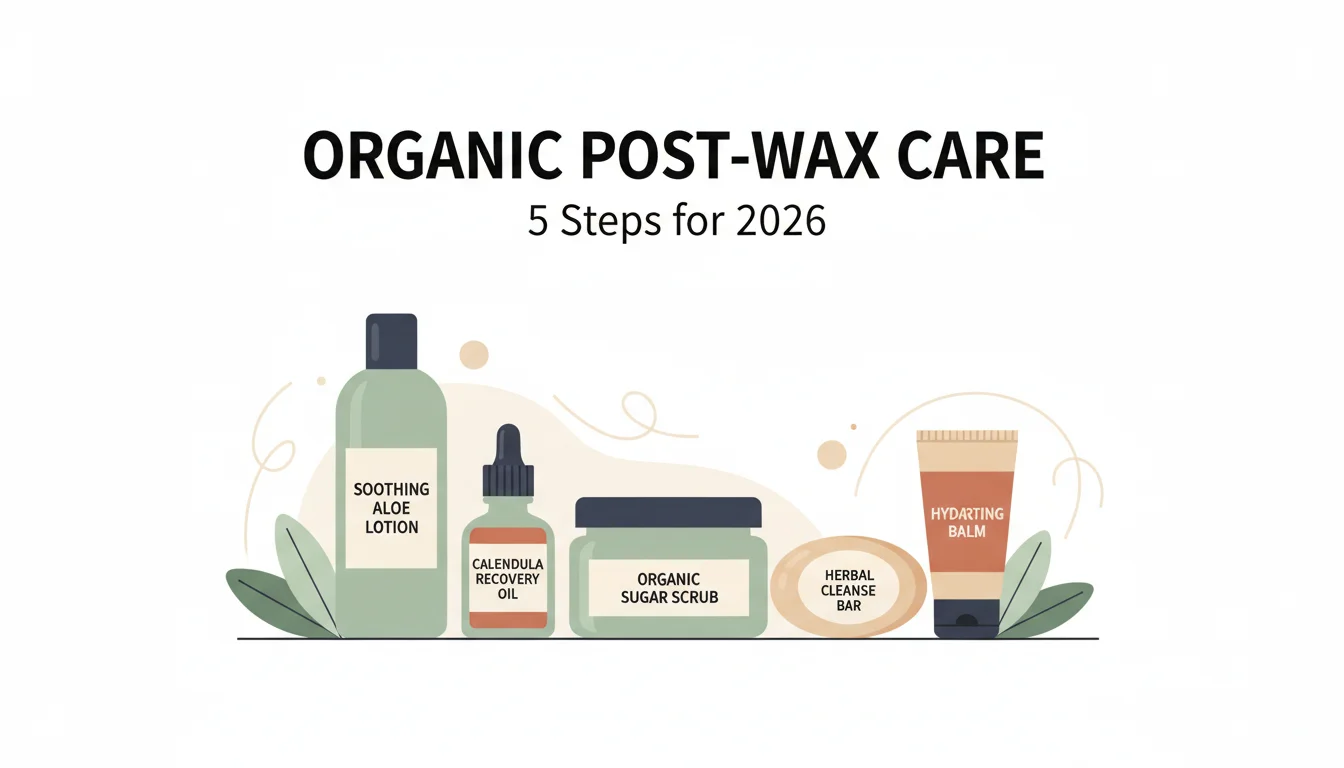
Figuring out what to do after a wax is confusing, especially if you’re trying to stick to eco-friendly products. So many of the usual aftercare lotions are packed with synthetics that just make sensitive skin angry and aren’t great for the planet. Using organic skincare is a much better way to go, since it soothes your skin and helps you heal up faster without all the harsh stuff. So, how do you actually build a solid, natural routine that works after waxing?
Key Takeaways
- Right after your wax, get a cold compress on there to bring down the first wave of redness and swelling, a cloth soaked in cold organic witch hazel works best.
- Wash the area within the first 24 hours using a gentle, fragrance-free organic cleanser to keep pores clear and stop ingrowns before they start.
- For at least a week, moisturize the skin twice a day with a certified organic, non-pore-clogging oil or lotion like jojoba or aloe vera.
- Start gently exfoliating 2-3 days after your wax with an organic sugar scrub or a natural fiber mitt, and keep it up 2-3 times a week to prevent ingrowns.
- Keep freshly waxed skin out of the sun for 48 hours by covering up with loose clothes or using a mineral-based organic sunscreen (SPF 30+).
1. Apply an Immediate Cold Compress with Organic Witch Hazel
Those first few minutes after a wax really matter for calming down the immediate pain and redness. Your skin just went through some trauma, so of course its first reaction is to get inflamed. A cold compress is your best friend here because it constricts the blood vessels, taking down the swelling and just feeling good. For a truly organic fix, I always tell people to use pure, alcohol-free organic witch hazel. It’s a natural astringent that’s amazing for calming irritation and is very effective at reducing redness. You’ll want to look for certified organic brands that distill it without alcohol, like Thayers Witch Hazel, which is a staple for a lot of pros.
Keep a bottle of the witch hazel in your fridge so it’s always chilled and ready. Just soak a clean, soft cloth (organic cotton or bamboo feels great) with the cold liquid and gently press it onto the waxed spot for about five to ten minutes. Don’t rub it. That will just make things angrier. You can repeat this every few hours on that first day if it still feels uncomfortable. I’ve found that my clients who actually commit to this initial cooling step always report way less sensitivity hanging around later on.
Pro Tip: Choose the Right Witch Hazel
You have to be picky about your witch hazel. A lot of the versions you see in drugstores have alcohol in them, which will dry out and sting freshly waxed skin. Always grab an alcohol-free, organic type to be as gentle as possible. Just read the ingredients, the shorter the list, the better.
Common Mistake: Over-cooling
Cold is good, but don’t go overboard. Putting ice directly on your skin or leaving a compress on for too long can cause frostbite or more irritation. Stick to 10-minute sessions. You’re just trying to gently cool the skin, not make it go numb.
2. Cleanse with a Gentle, Organic Wash within 24 Hours
Once you’ve got the initial redness under control, the next big thing is cleansing to keep breakouts and infections away. Your pores are wide open and basically an invitation for bacteria and gunk. But grabbing a harsh soap will just strip all your skin’s natural oils, making it dry and even more irritated. You need a mild, fragrance-free organic cleanser. I’m a fan of things like Dr. Bronner’s Pure-Castile Liquid Soap (the unscented baby mild one) or Ursa Major’s Fantastic Face Wash because their plant-based formulas are so gentle.
Sometime in that first 24-hour window, wash the area with lukewarm water and a tiny bit of your organic cleanser. Use your fingertips to lather up gently, rinse it all off completely, and then pat the skin dry with a clean, soft towel. This wash removes any leftover wax or surface bacteria without messing with your skin’s protective barrier. I tell my clients this is like hitting a reset button for the skin, getting it prepped for moisturizer.
Pro Tip: Patch Test New Products
Just because a product is organic doesn’t mean your skin will automatically love it, since everyone’s sensitivities are different. If you’re using a new cleanser, it’s smart to do a patch test on a small bit of skin 24 hours before you use it all over, especially if you have known allergies or very sensitive skin types.
Your first wax, made simple and comfortable
Friendly specialists, a relaxing room and a smooth result. Find a welcoming studio near you.
Find a Studio Near You →Common Mistake: Using Scented Soaps
Most soaps you grab at the drugstore are loaded with synthetic fragrances and dyes that are notorious for causing rashes and bumps on freshly waxed skin. These kinds of additives are a fast track to irritation. Go for something that’s actually “fragrance-free,” because “unscented” can sometimes just mean they added more chemicals to hide the product’s natural smell.
3. Moisturize Regularly with Certified Organic Oils or Lotions
Keeping your skin hydrated is non-negotiable if you want it to heal well and prevent ingrown hairs. A good, certified organic moisturizer will soothe and protect the skin to help it recover without plugging up your pores. I always recommend looking for non-comedogenic stuff like organic jojoba oil, pure aloe vera gel, or a lotion made with high-quality shea butter or coconut oil (make sure it’s the virgin, cold-pressed kind).
Get in the habit of applying a thin layer of moisturizer twice a day, morning and night, for at least a week after your wax. Gently massage it in until it’s absorbed. When you keep the skin this consistently hydrated and soft, new hairs can push through the surface easily instead of getting stuck under a layer of dry, hard skin. There’s even research backing this up, like a 2018 study in the Journal of Clinical and Aesthetic Dermatology that talked about how well natural oils work to maintain the skin’s barrier function.
Pro Tip: Jojoba Oil for Balanced Hydration
I love recommending organic jojoba oil. Its structure is so similar to your skin’s own oil (sebum) that your skin just accepts it, which makes it far less likely to cause a breakout. It’s also full of vitamins E and B, which help with skin repair. Just make sure you get a cold-pressed, unrefined version for the best results.
Common Mistake: Heavy, Pore-Clogging Creams
Stay away from any thick, greasy creams right after a wax, especially anything petroleum-based. They just suffocate the skin, trapping bacteria and setting you up for folliculitis or painful ingrown hairs. You want light, breathable formulas that are made for sensitive skin.
4. Gently Exfoliate 2-3 Days Post-Wax
Don’t even think about exfoliating right away. But after two or three days, once the skin isn’t so tender, you absolutely need to start. Gentle exfoliation is what sloughs off the dead skin cells that can otherwise block new hairs from growing out properly. For this, I always point people toward organic sugar scrubs or natural fiber mitts because you get the physical scrub without any chemical irritants.
Take a little bit of an organic sugar scrub (you can easily make one yourself) or a wet natural fiber mitt and work it over the area in small, gentle circles. The whole point is just to buff the skin, not sand it down aggressively. Rinse it off and then follow up with your organic moisturizer. If you do this two or three times a week, you’ll keep the skin smooth and clear, which is what the American Academy of Dermatology recommends for preventing ingrown hairs.
Pro Tip: DIY Organic Sugar Scrub
For a super simple and natural option, just combine 1/2 cup of organic granulated sugar with 1/4 cup of organic coconut oil or olive oil. You can even add a couple of drops of organic lavender essential oil for extra soothing benefits. Mix it up and keep it in a sealed container for a custom exfoliant.
Common Mistake: Exfoliating Too Soon or Too Harshly
If you exfoliate in that first 48-hour window, you’re just asking for major irritation and potential skin damage. Using harsh chemical exfoliants (like something with a high concentration of AHAs or BHAs) or being too rough with a physical scrub can also create tiny tears in the skin and make everything more sensitive. Be patient and gentle with your skin.
5. Protect from Sun Exposure and Wear Loose Clothing
Your skin is incredibly vulnerable to sun damage and friction after a wax. For at least the first 48 hours, you have to keep the waxed area out of direct sunlight. UV rays can easily cause dark spots (hyperpigmentation), sunburn, and make any redness last longer on that new skin. At the same time, tight clothing is a bad idea, it’ll just rub, trap sweat, and can lead to breakouts or ingrown hairs.
For a couple of days, stick to loose, breathable clothes made of natural fabrics like organic cotton or linen. If you absolutely have to be in the sun, slather on a mineral-based organic sunscreen with an SPF of 30 or higher. Mineral sunscreens, the ones with zinc oxide or titanium dioxide, are better because they create a physical block on top of your skin. Brands like Badger Balm or Raw Elements make great organic mineral options. This is a step so many people skip, but it’s what stops you from getting long-term skin discoloration. Trust me, nobody wants weird tan lines on their freshly waxed bikini line, and it happens all the time.
Pro Tip: Reapply Sunscreen Diligently
If you’re going to be outdoors, you need to reapply that mineral sunscreen every two hours, and even more often if you’ve been swimming or sweating. Consistent reapplication is what actually keeps you protected.
Common Mistake: Ignoring Sun Protection
People really don’t take the sun seriously enough after a wax. Even if it’s cloudy, those UV rays are getting through and doing damage. Skipping sunscreen or squeezing into tight clothes can ruin all your other aftercare efforts, leading to a much longer healing time and skin discoloration you’ll have to deal with later.
Switching to an organic aftercare routine isn’t some fleeting trend. It’s just a smarter way to take care of your skin while being mindful of the planet. When you stick with these steps, you’re protecting your skin from irritation, stopping problems like ingrown hairs before they start, and getting much smoother, healthier skin with the help of natural products. For more insights on making the whole process easier, you might want to explore our guide on bikini comfort.
What is the best organic product for preventing ingrown hairs after waxing?
Your best bet for preventing ingrowns is a two-part approach: start gently exfoliating with an organic sugar scrub 2-3 days after your wax, and moisturize every single day with organic jojoba oil. The oil keeps your skin soft so new hairs can pop right through without getting trapped.
How long should I use organic aftercare products after hair removal?
Keep it up! The gentle cleansing and daily moisturizing with organic products, plus exfoliating a couple of times a week, should be your routine all the way until your next wax appointment. Sticking with it’s what keeps skin healthy and trouble-free between sessions.
Can I use essential oils in my organic aftercare routine?
Yes, some can be really helpful. Organic lavender is great for soothing and tea tree oil has antiseptic qualities. But you absolutely must dilute them in a carrier oil (like organic jojoba or coconut oil) before they ever touch your skin. And always do a small patch test first to make sure you don’t have a reaction.
Are there any organic ingredients to avoid in post-wax aftercare?
Just because it’s organic doesn’t mean it’s good for post-wax skin. Stay away from anything highly acidic, like undiluted lemon juice, which can irritate your skin and make it super sensitive to the sun. If your skin is easily upset, I’d also be cautious with products that have strong natural scents, even if they’re from organic sources.
What should I do if I get a rash or breakout after using organic aftercare products?
Stop using that product right away. Gently rinse the area with just plain water and put some pure organic aloe vera gel on it to calm things down. If the irritation doesn’t get better or starts to look worse, it’s time to consult a dermatologist.


