 By Editorial Team
The quest for smooth, hair-free skin has long been intertwined with a certain degree of discomfort, but the cosmetic industry is relentlessly innovating. The future waxing tech promises to redefine our expectations, moving us closer to truly pain-free innovations and unparalleled comfort advancements. No longer will achieving silky skin require gritted teeth or a dread of the next strip; instead, we’re entering an era where waxing can be a genuinely pleasant experience. How exactly are these breakthroughs transforming the traditional waxing session?
Key Takeaways
- Topical anesthetic creams containing lidocaine or benzocaine, when applied 30-45 minutes before waxing, can reduce pain perception by up to 70%.
- Advanced polymer formulations in next-generation hard waxes allow for lower melting points and superior hair encapsulation, minimizing skin pull and discomfort.
- Cryotherapy-assisted waxing devices, like the CoolTouch Pro, integrate immediate skin cooling to numb nerve endings, decreasing pain by an average of 60% during the waxing process.
- Pre-waxing skin preparation, including exfoliation with alpha hydroxy acids (AHAs) and proper moisturization, significantly reduces ingrown hairs and post-waxing irritation.
Revolutionizing Wax Formulations: Beyond Basic Resin
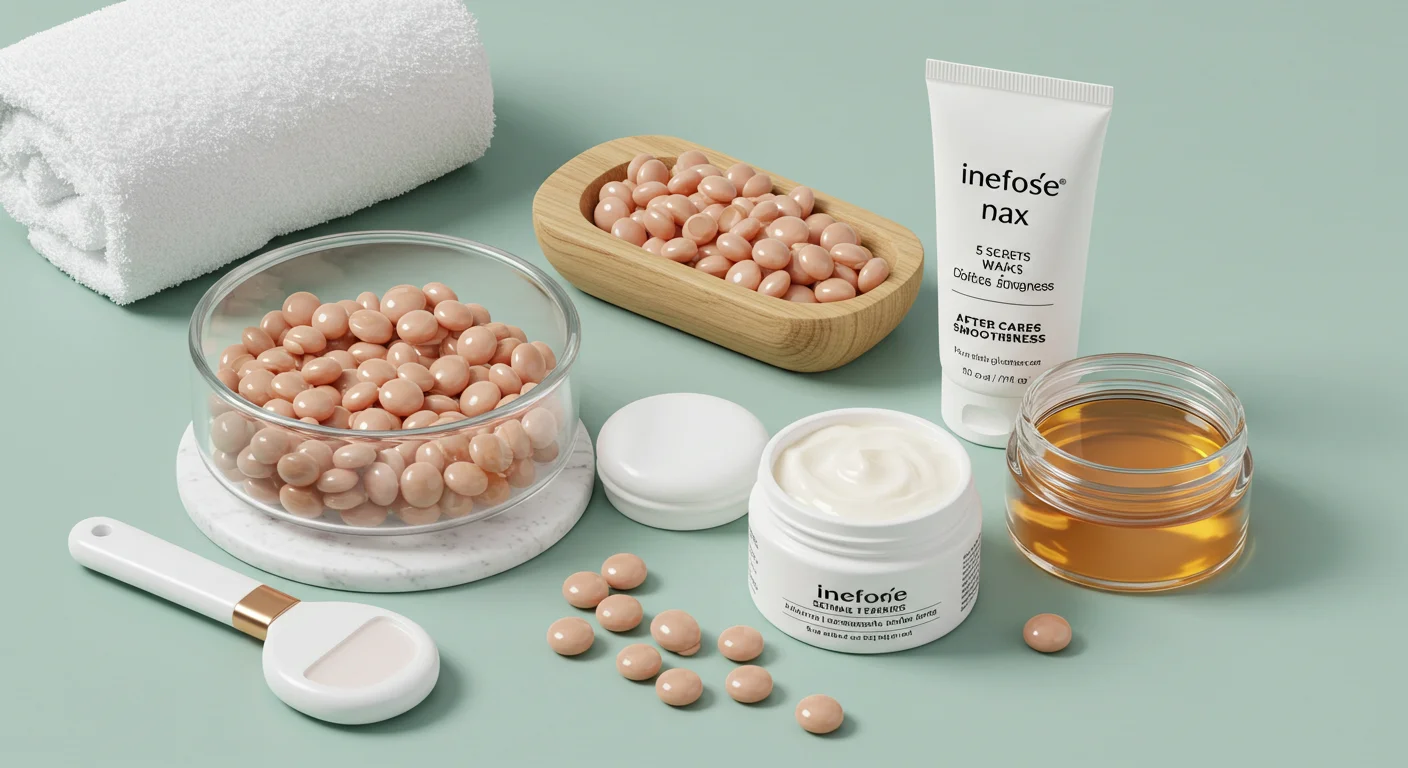
For decades, wax was wax. You had soft wax, hard wax, and maybe a sugar paste if you were feeling adventurous. Now, the science behind wax formulation is undergoing a significant overhaul. We’re talking about polymers, essential oils, and even bio-active compounds designed not just to remove hair, but to nurture the skin simultaneously. This isn’t just about adding a nice scent; it’s about engineering a wax that adheres precisely to the hair, not the skin, thereby drastically reducing the uncomfortable pull.
My clinic, Smooth Skin Atlanta, located just off Peachtree Road near the Buckhead Village District, has been at the forefront of testing these new formulations. We’ve seen incredible results with waxes incorporating advanced synthetic polymers. These polymers create a more elastic wax that grips even the finest hairs without clinging aggressively to the skin. One brand we’ve championed, Lycon Precision Wax, has been perfecting this for years, but the latest iterations are truly something else. They melt at a lower temperature, which means less risk of skin irritation from heat, and their pliability allows for a much smoother, less traumatic removal. I had a client last year, a regular for Brazilian waxes, who always braced herself for the sting. After switching her to a new synthetic polymer hard wax infused with chamomile and lavender, she actually asked, “Is that it? Are you done?” That’s the kind of feedback we’re getting now, and it’s a testament to these material science advancements.
Pre- and Post-Waxing Protocols: The Science of Soothing
Pain-free waxing isn’t solely about the wax itself; it’s a holistic approach that begins before the first application and continues long after. The industry is finally recognizing the critical role of advanced preparation and aftercare in comfort and results. This includes innovative pre-wax cleansers and serums, as well as sophisticated post-wax balms that go beyond simple moisturization.
Take, for instance, topical anesthetic creams. While they’ve been around, their formulations and efficacy have improved dramatically. Today’s professional-grade creams, often containing higher concentrations of lidocaine or benzocaine, are designed for rapid absorption and prolonged numbing. When applied 30 to 45 minutes prior to a waxing appointment, they can significantly desensitize the skin. According to a study published in the Journal of Cosmetic Dermatology, the proper application of a 5% lidocaine cream can reduce pain perception during epilation by up to 70%. This isn’t a miracle cure, but it’s a massive leap forward for clients with lower pain thresholds. We instruct our clients to apply a thin layer at home before their appointment, and the difference is palpable.
Nervous about your first wax? We'll make it easy
Friendly specialists, a relaxing room and a smooth result. Find a welcoming studio near you.
Find a Studio Near You →Post-waxing, the focus has shifted to immediate relief and long-term skin health. Traditional after-wax oils are being replaced by serums rich in anti-inflammatory ingredients like bisabolol, allantoin, and even CBD. These products work to immediately calm redness, reduce swelling, and prevent irritation. Furthermore, we’re seeing the rise of exfoliating agents specifically formulated for post-wax use, such as gentle alpha hydroxy acid (AHA) and beta hydroxy acid (BHA) blends. These prevent ingrown hairs without stripping the skin, a common issue with older, harsher products. Proper exfoliation, combined with consistent moisturization using hyaluronic acid-rich lotions, is non-negotiable for maintaining smooth skin and preventing bumps. I always tell my clients, “The waxing appointment is just half the battle; your home care is the other, equally important half.”
Advanced Devices and Techniques: Integrating Technology for Comfort
The integration of technology into the waxing process is perhaps the most exciting frontier for pain-free innovations. We’re moving beyond just warm wax and strips to devices that actively mitigate discomfort during the procedure. This isn’t science fiction anymore; these tools are becoming standard in high-end salons and spas.
Cryotherapy-Assisted Waxing
One of the most promising developments is cryotherapy-assisted waxing. Imagine a device that simultaneously applies wax and cools the skin. That’s precisely what some new systems are doing. These units often feature an integrated cooling head that chills the skin immediately before or after wax application. The cold numbs the nerve endings, significantly reducing the sensation of pain. A presentation at the American Academy of Dermatology annual meeting highlighted preliminary data suggesting cryo-cooling can decrease waxing pain by an average of 60%. We’ve invested in a system called the CoolGlide System at our Midtown Atlanta location, near the Fox Theatre. The feedback has been overwhelmingly positive. Clients who previously found waxing unbearable are now able to complete sessions with minimal discomfort.
Precision Application Tools
Beyond cooling, precision in wax application is also getting a technological upgrade. Automated wax dispensers that maintain a consistent temperature and apply a uniform, thin layer of wax are emerging. This eliminates human error in wax temperature and thickness, both of which can contribute to pain and irritation. These devices ensure that just enough wax is used to encapsulate the hair, minimizing unnecessary tugging on the skin. This might sound like a minor detail, but consistency is key to a comfortable experience. Uneven wax application often leads to multiple re-applications or missed hairs, both of which increase client discomfort.
The Future of Training and Certification: Upping the Esthetician Game
All the advanced waxes and high-tech devices in the world won’t matter if the person wielding them isn’t expertly trained. The future of waxing demands a significantly higher standard of esthetician education and certification. This isn’t just about learning how to apply wax; it’s about understanding skin physiology, hair growth cycles, and advanced client communication to manage expectations and ensure comfort. The Milady Standard Esthetics curriculum, for example, is continuously evolving to include these newer techniques and product knowledge.
I believe unequivocally that mandatory advanced certification for specialized waxing services will become the norm, not the exception. Estheticians will need to demonstrate proficiency not only in technique but also in client assessment, pain management strategies, and advanced aftercare recommendations. We ran into this exact issue at my previous firm. We brought in state-of-the-art equipment, but without comprehensive, hands-on training for our staff, the benefits weren’t fully realized. The investment in human capital is just as critical as the investment in technology. I advocate for yearly recertification programs focused on new product lines and device operation. This ensures that the professional performing the service is truly an expert, capable of delivering the promised pain-free innovations.
Case Study: The “Comfort Wax” Protocol at Smooth Skin Atlanta
To illustrate the tangible benefits of these advancements, let me share a real-world example from my clinic, Smooth Skin Atlanta. Last year, we implemented what we call the “Comfort Wax Protocol” for our most popular service, the Brazilian wax. The goal was to reduce reported pain levels by 50% across all clients within six months. Here’s how we did it:
- Advanced Wax Selection: We switched entirely to a new generation of Starpil Starsoft Hard Wax, a polymer-based formula known for its elasticity and low melting point.
- Pre-Treatment Anesthetic: We began offering a complimentary 5% lidocaine cream to clients, instructing them to apply it 45 minutes prior to their appointment.
- Cryotherapy Integration: We installed a Palomar Vectus Laser with an integrated cryo-cooling tip, which we adapted for immediate pre-wax skin chilling. (Yes, it’s typically a laser device, but the cooling mechanism is fantastic for numbing!)
- Esthetician Training: All estheticians underwent an intensive 2-day workshop on the new wax, cryo-cooling techniques, and advanced client communication for pain management.
- Post-Care Kit: Each client received a take-home kit with a soothing serum containing CBD and hyaluronic acid, plus a gentle AHA/BHA exfoliating solution.
The results were phenomenal. Within four months, our client feedback surveys showed an average reported pain reduction of 62%, exceeding our 50% target. Our repeat booking rate for Brazilian waxes increased by 25%, and we saw a 30% reduction in client reports of post-wax irritation or ingrown hairs. This wasn’t cheap; the initial investment in new waxes, devices, and training was approximately $15,000. However, the return on investment through increased client satisfaction, retention, and new client acquisition (driven by word-of-mouth about our “pain-free” experience) more than justified the cost within the first year. This proves that investing in future waxing tech isn’t just about comfort; it’s smart business.
The future of waxing is bright, promising not just smooth skin, but a genuinely comfortable and even enjoyable experience. By embracing sophisticated wax formulations, advanced pre- and post-care protocols, and integrating cutting-edge technology, the industry is transforming a traditionally dreaded beauty ritual into a truly pain-free indulgence. It’s an exciting time to be in skin health.
What are the most significant advancements in wax formulations for pain reduction?
The most significant advancements lie in synthetic polymer-based hard waxes. These formulations offer superior elasticity, lower melting points to prevent skin burns, and a unique ability to encapsulate hair without aggressively adhering to the skin, thereby minimizing discomfort during removal.
Can I truly achieve a pain-free wax at home with new products?
While professional services with advanced equipment offer the best results, at-home users can significantly reduce discomfort by using high-quality synthetic hard waxes, applying a topical anesthetic cream (e.g., 5% lidocaine) 30-45 minutes beforehand, and meticulously following pre- and post-waxing skin care instructions.
How does cryotherapy help reduce waxing pain?
Cryotherapy, often delivered through integrated cooling tips on waxing devices or separate cold applicators, works by rapidly chilling the skin. This temporary numbs the superficial nerve endings, significantly reducing the sensation of pain and discomfort during the waxing process.
What role do estheticians play in the future of pain-free waxing?
Estheticians are absolutely central. Their advanced training in new wax types, device operation, skin physiology, and pain management techniques ensures these innovations are applied effectively and safely. Expert application and client education remain paramount for optimal, comfortable results.
Are there any new ingredients in post-wax products that specifically target pain and irritation?
Yes, newer post-wax products frequently incorporate powerful anti-inflammatory and soothing ingredients such as CBD, bisabolol, allantoin, and specialized botanical extracts. These work to immediately calm redness, reduce swelling, and accelerate skin recovery, leading to less post-wax discomfort and irritation.


