 By Editorial Team
As a seasoned esthetician with over 15 years in the business, I’ve seen countless clients struggle with uncomfortable waxing experiences, and more often than not, the culprit isn’t the wax itself, but inadequate skin preparation. Achieving a truly comfortable and effective wax hinges significantly on skin hydration waxing. It’s the secret weapon for a smoother, less painful wax, and frankly, it’s non-negotiable for anyone serious about skin health.
Key Takeaways
- Maintaining optimal skin hydration for at least 7-10 days prior to waxing significantly reduces pain and discomfort during the procedure.
- Well-hydrated skin allows for easier hair extraction, minimizing breakage, ingrown hairs, and post-wax irritation.
- Utilize humectant and emollient-rich moisturizers daily, focusing on areas to be waxed, and increase water intake to support internal hydration.
- Avoid harsh exfoliants or dehydrating products in the days leading up to your wax, as these can compromise the skin’s barrier function.
The Science Behind Hydrated Skin and Pain-Free Waxing
Let’s get down to brass tacks: why does hydrated skin comfort make such a difference? Think of your skin like a sponge. A dry, brittle sponge is stiff and unyielding; try to pull something from its surface, and you’ll likely tear it or have the item snap. A moist, supple sponge, however, is flexible and resilient. The same principle applies to your skin and hair follicles. When your skin is adequately hydrated, the outermost layer, the stratum corneum, is plump and pliable. This flexibility is absolutely critical for a successful wax.
When hair is removed from a well-hydrated follicle, it slides out with far less resistance. The skin around the follicle is supple enough to stretch and release the hair easily, reducing the “grip” and subsequent tugging sensation that leads to pain. Conversely, dry skin is rigid. The hair follicle constricts, making the hair extraction much more difficult. This increased resistance translates directly to more pain, a higher likelihood of hair breakage at the surface (leading to stubble and ingrown hairs), and significant post-wax irritation. A study published in the Journal of the American Academy of Dermatology (while not specifically on waxing, it highlights barrier function) consistently shows that compromised skin barriers, often a result of dehydration, are more susceptible to external stressors and inflammation. Waxing, let’s be honest, is definitely an external stressor!
I had a client last year, a young woman from the East Atlanta Village area, who came to me complaining of excruciating pain during her previous waxes at another salon. Her skin was visibly flaky and tight, even though she claimed to moisturize. After a thorough consultation, we discovered her “moisturizer” was a lightweight lotion with minimal occlusives, and her water intake was practically non-existent. We implemented a strict hydration regimen: she started drinking at least 8 glasses of water a day and switched to a richer, humectant-rich cream, like CeraVe Moisturizing Cream, applied twice daily for two weeks before her next appointment. The difference was night and day. She reported a “70% reduction” in pain, her words, and her skin was noticeably calmer post-wax. That’s the power of committed hydration.
Pre-Wax Hydration: Your Non-Negotiable Prep Plan
So, how do you achieve this mythical state of perfectly hydrated skin? It’s not just about slathering on lotion an hour before your appointment. It’s a strategic, multi-pronged approach that starts days, sometimes even weeks, before you step into the salon. I tell all my clients at my salon in Midtown Atlanta, near Piedmont Park, that consistent preparation is the key to a truly less painful wax.
Internal Hydration: Drink Up!
This is where many fall short. Topical moisturizers are fantastic, but true skin hydration begins from within. Your skin cells need water to function optimally. Aim for at least eight 8-ounce glasses of water daily, more if you’re active or live in a dry climate. Herbal teas and water-rich fruits and vegetables also contribute. Forget the sugary sodas and excessive caffeine; they can actually dehydrate you. Think of your body as a complex system; if the internal well is dry, no amount of external watering will fully compensate. This is where I often see the biggest improvement in clients who commit to the process.
Nervous about your first wax? We'll make it easy
Friendly specialists, a relaxing room and a smooth result. Find a welcoming studio near you.
Find a Studio Near You →Topical Hydration: The Right Products, Applied Consistently
This is where product selection and application frequency become paramount. For at least 7-10 days leading up to your wax, you need to be moisturizing diligently. I recommend a two-pronged approach:
- Humectants: These ingredients attract water from the air and deeper layers of the skin, binding it to the surface. Look for products containing hyaluronic acid, glycerin, urea, or lactic acid. A good serum with hyaluronic acid applied to damp skin can make a huge difference.
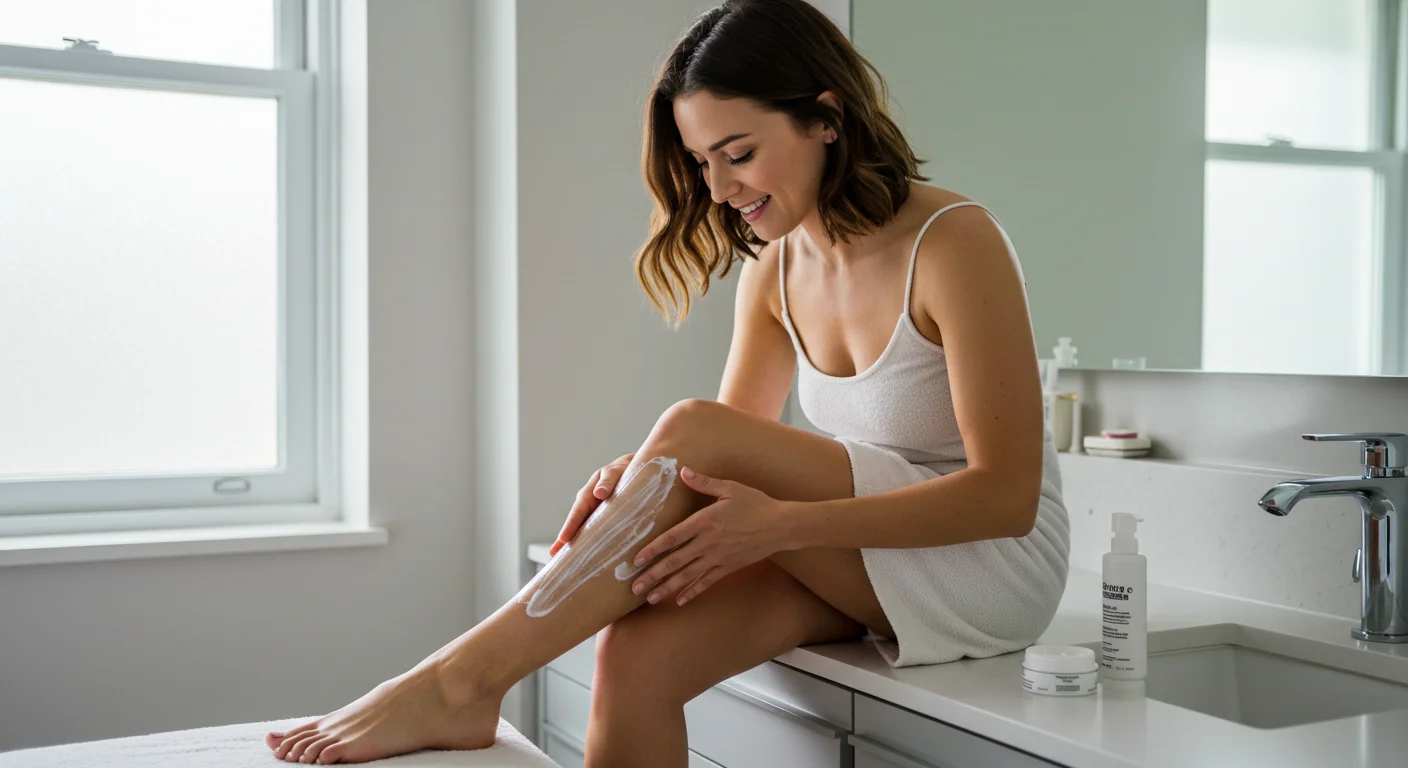
- Emollients and Occlusives: These ingredients smooth and soften the skin, and create a barrier to prevent water loss. Shea butter, ceramides, petrolatum, and dimethicone are excellent examples. A rich cream, rather than a light lotion, is usually preferred for waxing prep. Apply it generously after showering when your skin is still slightly damp to lock in moisture. Focus especially on the areas to be waxed. Don’t be shy with it!
A common mistake I see is clients using products that are too harsh or stripping. Avoid strong retinoids, alpha-hydroxy acids (AHAs), or beta-hydroxy acids (BHAs) on the areas to be waxed for at least 3-5 days prior. These can thin the skin, making it more sensitive and prone to tearing during waxing. We want supple, resilient skin, not compromised skin.
Exfoliation: A Delicate Balance for Optimal Results
Exfoliation is often touted as a waxing prep step, and yes, it has its place, but it’s a delicate balance. The goal of exfoliation before waxing is to remove dead skin cells that can trap hairs and prevent a clean pull. However, over-exfoliating can strip your skin’s natural oils and compromise its barrier, leading to dehydration and increased sensitivity. This is an editorial aside, but honestly, most people exfoliate too aggressively. Less is often more.
For best results, I recommend a gentle physical exfoliant (like a sugar scrub, not salt, which can be too harsh) or a mild chemical exfoliant (like a very low concentration of lactic acid) 2-3 days before your wax. This gives your skin time to recover and rehydrate. Do not exfoliate on the day of your wax. And if your skin is already feeling dry or sensitive, skip exfoliation entirely and focus solely on hydration. It’s better to have slightly less exfoliation than to have irritated, compromised skin for your waxing appointment.
When you do exfoliate, always follow up immediately with a rich moisturizer. This helps to replenish any moisture lost and reinforces the skin barrier. For clients in the Buckhead area, I often recommend specific products available at local apothecaries that prioritize gentle, nourishing ingredients, ensuring they don’t inadvertently sabotage their waxing prep.
The Day Of: Last-Minute Tips for a Smooth Experience
The day of your waxing appointment isn’t the time for radical changes, but there are still a few things you can do to ensure your skin hydration waxing efforts pay off.
- Shower, Don’t Bathe: A warm shower is fine, but avoid long, hot baths right before your wax. Hot water can strip the skin’s natural oils, leading to temporary dehydration.
- Skip the Lotion (Right Before): While consistent moisturizing is key, avoid applying heavy lotions or oils directly before your appointment. These can create a barrier that prevents the wax from adhering properly to the hair, leading to multiple passes and increased irritation. A clean, fresh wash is all you need.
- Wear Loose Clothing: After your wax, your skin will be sensitive. Tight clothing can cause friction and irritation, hindering the healing process. Opt for breathable, loose-fitting fabrics like cotton.
One time, we had a new client come in from the Decatur area, eager for a Brazilian wax. She was meticulously hydrated, had exfoliated gently days before, and was feeling confident. However, she arrived wearing incredibly tight synthetic leggings. Despite her excellent prep, the friction from the leggings immediately after the wax caused significant redness and bumps. It was a good lesson for both of us that post-wax care, including clothing choices, plays a role in comfort and results, even with perfectly hydrated skin. So, plan your outfit accordingly!
Post-Wax Care: Maintaining the Glow and Preventing Issues
Your journey with hydration doesn’t end when you leave the salon. In fact, post-wax care is just as vital for preventing common issues like ingrown hairs and maintaining smooth skin. Immediately after waxing, your pores are open, and your skin is susceptible to bacteria and irritation. We focus heavily on soothing and protecting the skin.
For the first 24-48 hours, avoid anything that could irritate the freshly waxed area: hot baths, saunas, swimming pools, intense exercise, and harsh products. Instead, focus on calming and hydrating. I often recommend products containing aloe vera, chamomile, or colloidal oatmeal. These ingredients help reduce redness and inflammation. Once the initial sensitivity subsides (usually within 24-48 hours), you can resume your regular, gentle hydration routine.
To prevent ingrown hairs, continue to moisturize daily. Well-hydrated skin keeps the hair follicle soft, allowing new hairs to grow through without getting trapped under the skin. About 3-5 days after your wax, you can reintroduce very gentle exfoliation (again, gentle is the operative word here) to help shed dead skin cells that might otherwise block emerging hairs. Products containing salicylic acid or glycolic acid in low concentrations can be beneficial for preventing ingrowns, but use them sparingly and always follow with moisturizer. Remember, consistency is the true secret weapon here. A quick, sporadic effort won’t yield the same results as a dedicated, daily regimen.
Ultimately, making skin hydration waxing a priority isn’t just about reducing pain; it’s about investing in the overall health and resilience of your skin. It leads to better results, fewer complications, and a much more positive experience every time you wax.
How long before my wax should I start hydrating my skin?
Ideally, you should start a consistent hydration regimen at least 7-10 days before your waxing appointment. This includes increasing your water intake and applying a rich moisturizer twice daily to the areas to be waxed.
Can I use any moisturizer, or are there specific types that are better for waxing prep?
While any moisturizer is better than none, for optimal waxing prep, opt for richer creams containing humectants (like hyaluronic acid or glycerin) and emollients/occlusives (like ceramides, shea butter, or petrolatum). These provide deeper hydration and create a stronger skin barrier.
Should I exfoliate right before my waxing appointment?
No, avoid exfoliating on the day of your wax. Gentle exfoliation can be beneficial 2-3 days prior to remove dead skin cells, but immediately before, it can make your skin more sensitive and prone to irritation.
What should I avoid applying to my skin on the day of my wax?
On the day of your wax, avoid applying heavy lotions, oils, deodorants, or any products that could create a barrier on the skin. These can interfere with wax adhesion. A clean, fresh wash is all that’s needed.
Does drinking water really help with waxing pain?
Absolutely! Internal hydration through adequate water intake is fundamental. Well-hydrated skin cells are plumper and more flexible, allowing hair to be extracted more easily and with significantly less discomfort during the waxing process.


