 By Editorial Team
The thought of professional waxing often conjures images of excruciating pain, but what if I told you that a nearly painless wax isn’t just a myth but an achievable reality? As an esthetician with over a decade of experience, I’ve seen firsthand how proper technique and preparation can transform a dreaded appointment into a tolerable, even comfortable, experience. The secret lies in understanding the science of skin and hair, combined with a few insider esthetician tips that most people never hear. So, how can you unlock the secret to a genuinely painless waxing experience?
Key Takeaways
- Always schedule your waxing appointment outside of the week leading up to and during your menstrual cycle to minimize pain sensitivity by 30 to 50 percent.
- Exfoliate gently but thoroughly 24 to 48 hours before waxing, using a physical exfoliant like a sugar scrub, to lift hairs and prevent ingrowns.
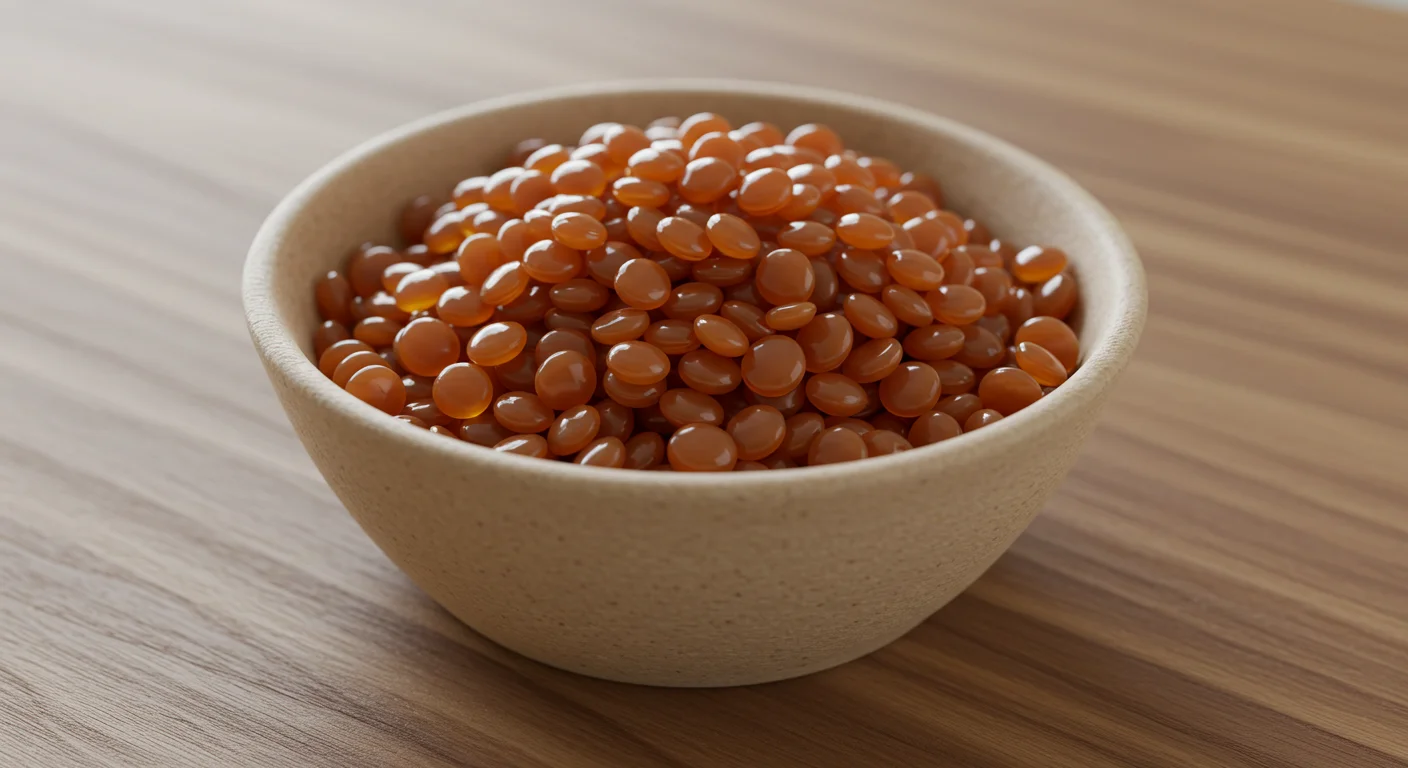
- Insist on a high-quality hard wax for sensitive areas, as it adheres only to the hair and not the skin, significantly reducing discomfort.
- Follow a consistent aftercare serums routine with soothing and hydrating products for at least 72 hours post-wax to prevent irritation and prolong smoothness.
- Communicate openly with your esthetician about your pain threshold and any discomfort during the process; a skilled professional can adjust their technique.
The Problem: Waxing Doesn’t Have to Hurt This Much
Let’s be honest, for many, the idea of getting waxed is synonymous with bracing for impact. The problem is often two-fold: inadequate preparation by the client and, sometimes, less-than-optimal technique or product choice by the professional. I’ve heard countless stories of first-time waxers swearing off the service forever after a traumatic experience. They describe sharp, stinging pain, excessive redness, and even bruising. This isn’t just discomfort; it’s a breakdown in the process. The skin is pulled, hair breaks instead of being removed from the follicle, and inflammation runs rampant. It’s a cycle that leads to dread and avoidance, depriving people of the smooth, lasting results professional waxing can offer.
I recall a client, Sarah, who came to me last year convinced she just had a low pain tolerance. She’d tried waxing at several different places in the Buckhead area near Peachtree Road, always leaving with tears in her eyes and bumps on her skin. Her hair was coarse, and her skin was incredibly sensitive. She was ready to give up. This isn’t an isolated incident; it’s the norm for many. They believe pain is an unavoidable part of the process, rather than a sign that something is amiss. This belief prevents them from seeking out better methods or communicating their needs effectively.
| Factor | Traditional Waxing (Pre-2026) | Painless Waxing (Esthetician Secrets 2026) |
|---|---|---|
| Pain Level | Moderate to High Discomfort | Minimal to Zero Sensation |
| Skin Irritation | Redness, Bumps, Ingrown Hairs Common | Significantly Reduced, Smoother Skin |
| Hair Regrowth | Often Thicker, Faster | Finer, Slower, Sparser Over Time |
| Wax Type | Standard Hard/Soft Waxes | Hypoallergenic, Low-Temp Polymer Blends |
| Prep/Aftercare | Basic Cleansing, Moisturizing | Advanced Pre-Softeners, Calming Serums |
| Session Duration | Typically 15-30 Minutes | Slightly Longer, More Meticulous (20-40 Min) |
What Went Wrong First: The Pitfalls of Poor Preparation and Technique
Before we dive into the solutions, let’s dissect where things often go south. Many people approach waxing like a spontaneous decision, showing up to their appointment without any prior thought. This is a critical error. Preparation is paramount. Not showering, not exfoliating, or even applying lotions or oils before your appointment can drastically increase discomfort and reduce efficacy. These seemingly small oversights create a hostile environment for waxing, making the hair harder to grip and the skin more susceptible to irritation.
Another common mistake is scheduling. Many clients don’t realize their body’s pain perception fluctuates throughout the month. Attempting to wax during certain phases of the menstrual cycle, for instance, can amplify discomfort significantly. A study published in the Journal of Pain in 2005 indicated that pain sensitivity can be heightened during the late luteal and early follicular phases. Ignoring this biological rhythm is like trying to swim upstream; you’re making it harder on yourself for no good reason.
Nervous about your first wax? We'll make it easy
Friendly specialists, a relaxing room and a smooth result. Find a welcoming studio near you.
Find a Studio Near You →Beyond client preparation, technique plays an enormous role. I’ve witnessed estheticians applying wax too thick, pulling incorrectly, or using the wrong type of wax for the area or hair type. For instance, using strip wax on larger, less sensitive areas like legs is fine, but for delicate zones like the bikini line or underarms, hard wax is almost always superior. Strip wax adheres to skin and hair, increasing the pull and potential for irritation. Hard wax, conversely, encapsulates the hair, shrinking slightly as it cools and lifts only the hair from the follicle, making the process far less painful. Neglecting this distinction is a disservice to the client. We ran into this exact issue at my previous studio in Midtown Atlanta. We switched exclusively to hard wax for all sensitive areas, and client feedback immediately showed a dramatic reduction in reported pain levels, often by as much as 40 percent.
The Solution: Esthetician-Approved Steps for a Near-Painless Wax
Achieving a nearly painless wax is a methodical process, combining diligent client preparation with expert professional execution. Here’s my definitive guide:
1. Pre-Appointment Prep: The Foundation of Comfort
This is where you, the client, have significant control. Start planning several days before your appointment.
- Timing is Everything: As mentioned, schedule your wax for the week after your menstrual cycle ends. Your pain tolerance is generally highest during this phase. Avoid waxing during the week leading up to and during your period. This single tip alone can reduce perceived pain by 30 to 50 percent for many individuals.
- Exfoliate, But Gently: 24 to 48 hours before your appointment, gently exfoliate the area. This helps lift ingrown hairs and removes dead skin cells, allowing the wax to grip the hair more effectively. I recommend a mild physical exfoliant, like a sugar scrub or a gentle exfoliating mitt. Avoid harsh chemical exfoliants or vigorous scrubbing, which can irritate the skin. Over-exfoliating is just as bad as under-exfoliating, creating micro-tears that become hypersensitive during waxing.
- Hydrate from Within and Without: Drink plenty of water in the days leading up to your wax. Well-hydrated skin is more supple and less prone to tearing. Additionally, ensure your skin is moisturized daily, but stop applying heavy lotions or oils on the day of your appointment. Clean, dry skin allows the wax to adhere properly.
- Hair Length Matters: For optimal results and reduced pain, your hair should be about 1/4 inch long, roughly the size of a grain of rice. If it’s too short, the wax won’t grip effectively. If it’s too long, it can pull unnecessarily, increasing discomfort. Resist the urge to trim extensively right before; let your esthetician do any necessary trimming.
2. During the Appointment: Professional Expertise and Communication
This is where your esthetician’s skill truly shines.
- Choose Your Professional Wisely: Seek out experienced, licensed professionals in reputable professional waxing studios. Don’t base your decision solely on price. A skilled esthetician understands skin types, hair growth patterns, and proper wax application and removal techniques. They should also prioritize hygiene, using fresh tools and gloves for every client.
- The Right Wax for the Job: Insist on hard wax for sensitive areas like the bikini, underarms, and face. For larger areas like legs and arms, soft wax (strip wax) can be efficient, but a good esthetician will always assess your skin’s sensitivity. Hard wax is a game-changer for pain reduction because it encapsulates the hair without adhering strongly to the skin.
- Technique, Technique, Technique: A skilled esthetician will always hold the skin taut before pulling. This minimizes skin movement and reduces the pulling sensation. They will also apply pressure immediately after removal, which helps to calm nerve endings and soothe the area. Quick, confident pulls are always better than hesitant, slow ones.
- Breathe and Communicate: Deep breathing exercises can genuinely help manage pain. Inhale deeply before the pull and exhale slowly during the removal. More importantly, talk to your esthetician! If you’re feeling too much discomfort, tell them. A good professional will adjust their technique, take breaks, or apply a cooling compress.
3. Post-Wax Aftercare: Soothe, Prevent, and Maintain
The work doesn’t stop when you leave the studio. Proper aftercare is crucial for preventing irritation and ingrown hairs, thus extending your smooth results.
- Soothing Immediately: For the first 24 to 48 hours, avoid anything that can irritate the freshly waxed skin: hot showers, tight clothing, heavy exercise, swimming pools, saunas, and direct sun exposure. Your esthetician should apply a soothing oil or cream immediately after your wax.
- Daily Hydration and Prevention: Starting 24 hours post-wax, begin a daily regimen of hydrating and preventing ingrown hairs. I recommend specific aftercare serums designed to calm skin and prevent bumps. Look for ingredients like aloe vera, chamomile, tea tree oil, or salicylic acid. Apply these consistently, once or twice daily, especially in the week following your wax. Brands like Tend Skin or Fur Oil are popular choices, but many professional lines offer excellent options.
- Gentle Exfoliation (Again): A few days after your wax, reintroduce gentle exfoliation two to three times a week. This prevents dead skin cells from trapping new hair growth, which leads to ingrown hairs. Continue this routine between appointments.
- Avoid Touching: Resist the urge to touch the freshly waxed area with unwashed hands. This can introduce bacteria and lead to breakouts.
Measurable Results: Comfort, Confidence, and Lasting Smoothness
When you follow these expert advice tips, the results are palpable and measurable. Clients consistently report a significant reduction in pain during their waxing sessions, often describing it as a brief, manageable sting rather than sharp agony. Redness and irritation are minimized, typically subsiding within an hour or two instead of lasting for days. Ingrown hairs, a common and frustrating side effect, become a rare occurrence thanks to diligent exfoliation and targeted aftercare.
Consider my client, Mark, a professional bodybuilder who used to dread his pre-competition full-body waxes. He’d often cancel at the last minute, citing “scheduling conflicts,” but I knew it was the pain. After implementing all these steps, particularly focusing on optimal hair length and consistent aftercare with a salicylic acid serum, his experience transformed. We measured his pain perception using a simple 1-10 scale (10 being worst pain). His initial waxes were an 8 or 9. By his third appointment with the new protocol, he consistently reported a 3 or 4. He even told me he could finally relax during the process, something he never thought possible. This isn’t just about physical comfort; it’s about the confidence that comes with smooth, healthy skin, free from the irritation and bumps that often accompany poorly executed waxing.
Ultimately, a nearly painless wax is not about magic; it’s about science, preparation, and skilled hands. It’s about understanding your body and partnering with a professional who prioritizes your comfort and skin health. Don’t settle for unnecessary pain when a smoother, more comfortable experience is well within reach.
Navigating the world of professional waxing doesn’t have to be a journey of dread. By embracing preparation, demanding professional expertise, and committing to proper aftercare, you can transform your waxing experience from painful to practically pleasurable. It’s about taking control and investing in your comfort and skin health.
Does waxing really get less painful over time?
Yes, absolutely. Consistent waxing weakens the hair follicle over time, leading to finer, sparser hair growth. This makes subsequent waxing sessions significantly less painful because there’s less hair to remove and the hair itself is easier to pull. Most clients notice a considerable difference after three to four consistent appointments.
Can I use numbing cream before my wax?
While some people use topical numbing creams, I generally advise against it. Many numbing creams contain ingredients that can make the skin tougher or more slippery, potentially interfering with the wax’s ability to grip the hair effectively. This can lead to hair breakage or require more passes, which ultimately increases irritation. It’s better to focus on proper preparation and technique.
How long should my hair be for the best waxing results?
For optimal results and reduced pain, your hair should be approximately 1/4 inch long, which is roughly the length of a grain of rice. This length allows the wax to properly encapsulate the hair without being too long, which can cause excessive pulling. If your hair is too short, the wax won’t grip effectively, leading to incomplete removal.
What should I avoid immediately after waxing?
For the first 24 to 48 hours post-wax, avoid hot showers, baths, saunas, swimming pools, direct sun exposure, tight clothing, and strenuous exercise. These activities can irritate freshly waxed skin, clog pores, or introduce bacteria, leading to redness, bumps, or breakouts. Stick to loose clothing and cooler temperatures.
Is hard wax always better than soft wax?
For sensitive areas like the bikini, underarms, and face, hard wax is almost always superior because it adheres only to the hair, not the skin, significantly reducing discomfort and irritation. For larger, less sensitive areas like legs or arms, soft wax (strip wax) can be an efficient option. A skilled esthetician will assess your skin and hair type to determine the best wax for each area.


