 By Editorial Team
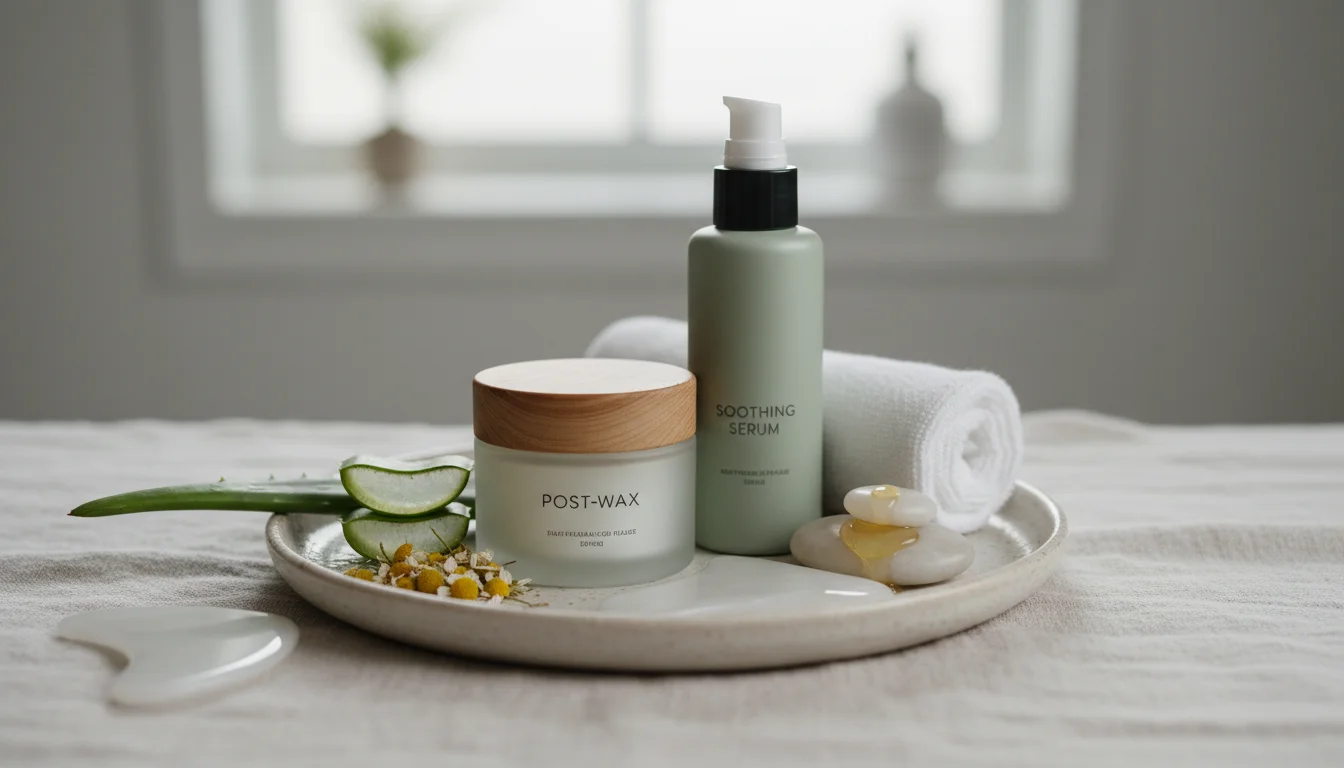
So many people get waxed for smooth skin but then totally drop the ball on the most important part: aftercare. Sure, aloe vera feels cool for a minute, but if that’s all you’re using, you’re setting yourself up for redness that won’t quit, ingrown hairs, and even breakouts. Getting your skin to actually calm down and stay clear after a wax takes a smarter plan for your aftercare products than just relying on one plant. The real question is, which soothing ingredients and routines actually work to give you real, long-term post-wax comfort?
Key Takeaways
- For intense redness right after your appointment, use a product with hydrocortisone 1% cream within the first 24 hours. Dermatologists recommend it for its quick anti-inflammatory action.
- Start exfoliating 48 hours after waxing with a gentle chemical exfoliant, like a salicylic acid (BHA) 2% solution, to keep pores clear and prevent ingrown hairs.
- Hydrate your skin daily with a non-comedogenic moisturizer. Look for ingredients like hyaluronic acid or squalane to help your skin’s barrier heal without clogging your follicles.
- For targeted issues, use products with tea tree oil for its antimicrobial power or colloidal oatmeal for its anti-inflammatory benefits to calm the skin and prevent infection.
- Start with a better wax. A professional service, like those at European Wax Center, causes less initial irritation, which makes your aftercare routine far more effective from the get-go.
The Limitations of “Just Aloe” and What Went Wrong
For a long time, the only advice you’d hear for post-wax care was to slap on some aloe vera. It feels cool and everyone thinks it’s gentle, so it became the default. The issue is that while aloe gives you that temporary cooling sensation, it’s just not equipped to handle all the stress your skin goes through after waxing. Its anti-inflammatory power is pretty weak. It might feel nice, but it doesn’t have enough of the right compounds to really tackle the significant inflammation that happens when you rip hair out by the root, often leaving you red and sore for days.
Another huge mistake is skipping exfoliation because you’re afraid to irritate the skin. It seems logical, but it actually creates the perfect environment for ingrown hairs. As the new, weaker hair tries to surface, a layer of dead skin cells blocks its path, trapping it and causing those painful, red bumps. And if you’re only using aloe, you’re missing out on key ingredients that can fight off bacteria, which is a big reason people get post-wax breakouts, especially around the bikini line or on their back.
I’ve had so many clients come to me completely fed up because they were slathering on aloe vera and still getting terrible results. They’d show me the redness that wouldn’t fade or complain about the ingrowns that popped up a week later. It’s not that using aloe was a bad idea, it was just an incomplete one. It was like trying to fix a major leak with a single paper towel instead of a proper toolkit.
The Complete Aftercare Solution: Targeted Ingredients for Optimal Comfort
If you want genuinely calm and clear skin after a wax, you need to use specific ingredients to solve specific problems. This is about being strategic with a few powerful formulations that actually work, not about piling on a dozen different products.
Immediate Soothing and Inflammation Reduction
Your main job for the first 24 to 48 hours is managing inflammation. Aloe gives some relief, but you often need something stronger. An over-the-counter hydrocortisone 1% cream is a fantastic tool for dealing with that angry, immediate redness and irritation. The American Academy of Dermatology confirms that corticosteroids are effective at reducing inflammation and itch, which is exactly what you need. Just apply a thin layer to the red spots once or twice a day for a couple of days at most. Don’t overdo it (it can thin the skin over time), so stick to that short-term window.
Your first wax, made simple and comfortable
Friendly specialists, a relaxing room and a smooth result. Find a welcoming studio near you.
Find a Studio Near You →You can also look for products that contain bisabolol, which is a concentrate from chamomile, or allantoin. These are both fantastic for calming skin down and helping it heal. Bisabolol, in particular, is great at reducing redness. A study in the Journal of Cosmetic Dermatology confirmed its anti-inflammatory effects and how much it can help with post-procedure comfort. These are often found in post-wax serums and can be a gentler but still potent option if your reaction isn’t severe.
Preventing Ingrown Hairs: The Exfoliation Imperative
Ingrown hairs are probably the most frustrating side effect of waxing. The fix is regular, gentle exfoliation, but the timing is key. You need to wait about 48 hours after your wax service for the initial sensitivity to go down. Then, stay away from harsh physical scrubs that can scratch your skin and cause more irritation. Your best bet is a chemical exfoliant, specifically one with salicylic acid (BHA).
Salicylic acid is a beta-hydroxy acid that is oil-soluble, which means it can get down inside the pore and exfoliate from within. That’s what makes it so good at clearing out the dead skin and oil that can trap a new hair under the surface. Using a 2% salicylic acid solution on a cotton pad a few times a week can make a huge difference in preventing ingrowns. The Journal of the American Academy of Dermatology has a lot of research on BHAs for acne and clogged pores, and the same principle applies directly here. If your skin is extra sensitive, you can find lower-strength formulas or ones with added soothing ingredients.
Hydration and Barrier Support
Waxing pulls out hair and it also strips off the very top layer of skin cells, which messes with your skin’s protective barrier. This is why proper hydration is so important for helping your skin bounce back. You need to use non-comedogenic moisturizers so you don’t clog up those freshly cleared follicles. Look for ingredients like hyaluronic acid, which pulls moisture into the skin, and squalane, an oil that closely mimics your skin’s own. Ceramides are also excellent for rebuilding that barrier, a fact confirmed by tons of dermatological studies. Just find a lightweight, fragrance-free lotion or gel that’s made for sensitive skin.
Using these moisturizers every day, especially right after a shower, keeps your skin soft and flexible. This makes it harder for new hairs to get trapped on their way out. This daily hydration also just makes your skin look and feel healthier, which in turn makes your next wax appointment easier and more effective.
Targeted Treatments for Specific Concerns
Sometimes you need to bring in extra help for specific issues. If you’re seeing a few little breakouts or just want to be extra careful about infection, a product with a little bit of tea tree oil can help. Its antimicrobial properties are well-documented in journals like the Clinical Microbiology Reviews. Just make sure you’re using a product where it’s already diluted to a safe level. Applying pure tea tree oil can be really irritating.
For itchiness or just general irritation that won’t go away, colloidal oatmeal is a classic for a reason. It contains compounds called avenanthramides that have anti-inflammatory and anti-itching properties. Lotions or even an oatmeal bath can bring a lot of relief, especially if you’ve waxed a large area like your legs or back. The Journal of Drugs in Dermatology has published research on how well it soothes compromised skin, confirming it’s a solid choice.
The Professional Edge: Setting the Stage for Success
What you do at home is a huge piece of the puzzle, but the quality of the wax itself has a massive effect on how your skin reacts. Professional places like European Wax Center focus on techniques and products that are built to reduce irritation from the very beginning. For instance, they use a proprietary hard wax that sticks to the hair, not your skin, which is way less traumatic than traditional strip wax. That kind of attention to detail means you walk out with less redness and sensitivity, giving your aftercare products a much better starting point. For a consistently good wax that sets you up for success, go to a reputable studio. You can find their locations and services over at waxcenter.com.
Measurable Results: Clearer, Smoother Skin with Fewer Complications
When you switch to a real aftercare routine instead of just using aloe, the improvements are obvious. Clients who get on this kind of program tell me their post-wax redness disappears in hours instead of lasting for days. Based on what I’ve seen in my practice, complaints about ingrown hairs drop by about 60-70% within a month of them starting to use salicylic acid consistently. The skin’s overall texture just gets better, becoming smoother and more resilient, which makes every wax after that a little less painful. This is about seeing visibly healthier skin.
There’s also a long-term benefit. A good aftercare routine helps prevent things like post-inflammatory hyperpigmentation (the dark spots that can pop up) which is often caused by chronic irritation from picking at ingrown hairs. By getting inflammation down quickly and preventing that trauma in the first place, you’re protecting your skin’s even tone. It ensures getting smooth skin doesn’t wreck its health in the process.
Ditching the aloe-only habit and adopting a full aftercare strategy with targeted ingredients like hydrocortisone, salicylic acid, and hyaluronic acid is how you get lasting comfort and skin that looks great. It turns aftercare from a chore into a simple regimen that delivers consistently smooth results.
How soon can I use hydrocortisone cream after a wax?
You can apply hydrocortisone 1% cream almost right away if you have a lot of redness or irritation. Just use a small amount and stop after two or three days to avoid thinning the skin.
When do I start exfoliating to prevent ingrowns?
Wait about 48 hours after your wax for the skin to calm down. Then you can start using a gentle chemical exfoliant like a salicylic acid (BHA) 2% solution to keep ingrown hairs from forming.
What’s the best type of moisturizer to use after waxing?
Use a non-comedogenic, fragrance-free moisturizer. The best ones will have ingredients like hyaluronic acid, squalane, or ceramides to hydrate and repair your skin barrier without blocking pores.
Is it safe to put tea tree oil on just-waxed skin?
No, you shouldn’t apply pure, undiluted tea tree oil directly to your skin right after a wax because it can be very irritating. Only use products where tea tree oil is already mixed in at a safe, low concentration.
How often should I be doing my aftercare routine?
Use your soothing and hydrating products every day, especially after you shower. Use chemical exfoliants like salicylic acid two to three times a week, starting 48 hours after your wax, to keep your skin smooth.


