 By Editorial Team
Key Takeaways
- Putting alcohol after wax on your skin is a bad idea. It causes serious dryness, irritation, and can even give you a chemical burn instead of cleaning anything.
- Right after your wax, you should clean up with a gentle, fragrance-free cleanser and lukewarm water to get any residue off without wrecking your skin’s natural barrier.
- That first 24 to 48 hours is make-or-break time for aftercare, so you have to avoid harsh stuff, hot environments, and tight clothes to keep folliculitis and ingrowns away.
- Start exfoliating gently 2-3 days after your appointment with a soft brush or a mild chemical exfoliant that has salicylic acid in it, this is the real secret to stopping ingrown hairs.
- Slather on a non-comedogenic, soothing lotion right after you get waxed and then every day after that to keep skin hydrated and cut down on irritation.
Let’s get one thing straight: using alcohol after wax to “disinfect” the area is a total myth that will wreck your skin. So many people think a quick swipe of alcohol will stop breakouts, but doing that actually does some serious harm to freshly waxed skin. It just strips your skin’s protective barrier raw, which directly causes the irritation and other problems you were trying to prevent.
1. Understand the Skin’s Vulnerability Post-Wax
Your skin is incredibly vulnerable right after a wax. The whole process, whether it’s with hard or soft wax, takes off the top layer of dead skin cells, leaving the brand-new skin underneath totally exposed. This means its natural protective barrier, the stuff made of lipids and ceramides, is temporarily gone. Think of it like a freshly tilled garden. It’s prepped and ready, but it’s also wide open to any weeds or bad weather that comes along. Slapping something harsh like isopropyl alcohol on that fresh skin is like spraying weed killer all over a newly seeded lawn. It damages the delicate skin cells, which is why you get that redness, stinging, and sensitivity that just won’t quit. According to a report by the American Academy of Dermatology Association, keeping that skin barrier intact is the most important thing for preventing irritation and infection, especially after you’ve done something like waxing that messes with the surface.
Pro Tip: Assess Skin Sensitivity
Before you even start, tell your esthetician about any skin sensitivities or allergies you know you have. It’s a good idea to do a patch test on a small, hidden spot to see if you’ll react, though that’s usually done to test the wax itself, not the aftercare products.
Common Mistake: Ignoring Initial Redness
A lot of clients just write off that initial redness as a normal part of the process that’ll go away. And while a little bit of pinkness (what we call transient erythema) is expected, if your skin is bright red, burning, or just plain uncomfortable for a while, that’s a sign of real irritation that’s often made worse by bad aftercare, like using alcohol.
2. Opt for Gentle Cleansing Methods
Forget the alcohol. Your first cleaning job after a wax should be all about being gentle and adding hydration. Your only goal here is to get any leftover wax off your skin without stripping its natural oils or making it more irritated. Grab a clean, soft cloth or some cotton pads and get them damp with lukewarm water, never hot, which just opens your pores more and makes you more sensitive. Squeeze out a small amount of a fragrance-free, pH-balanced cleanser. You want to find something made for sensitive skin, which will usually say “dermatologist-tested” or “hypoallergenic” on the bottle. Brands like CeraVe Hydrating Facial Cleanser (CeraVe.com) or Cetaphil Gentle Skin Cleanser (Cetaphil.com) are solid choices because they have things like hyaluronic acid and ceramides that actually help rebuild your skin’s barrier. Just gently rub the cleanser on the area in little circles, rinse it off well with more lukewarm water, and then pat your skin dry with a clean, soft towel. Don’t rub. The whole thing shouldn’t take you more than a couple of minutes.
Pro Tip: Ingredient Check
Always read the ingredient list on your aftercare products. You’re looking for irritants like alcohol denat., synthetic fragrances, or even some essential oils. Even a tiny amount can cause a big reaction when your skin is this compromised.
Common Mistake: Using Scented Soaps
Those nice-smelling bar soaps and body washes might be great for the rest of your body, but they are full of harsh detergents and perfumes that will dry out and seriously irritate your freshly waxed skin. They just aren’t designed for this kind of delicate work.
Nervous about your first wax? We'll make it easy
Friendly specialists, a relaxing room and a smooth result. Find a welcoming studio near you.
Find a Studio Near You →3. Implement Soothing and Hydrating Practices
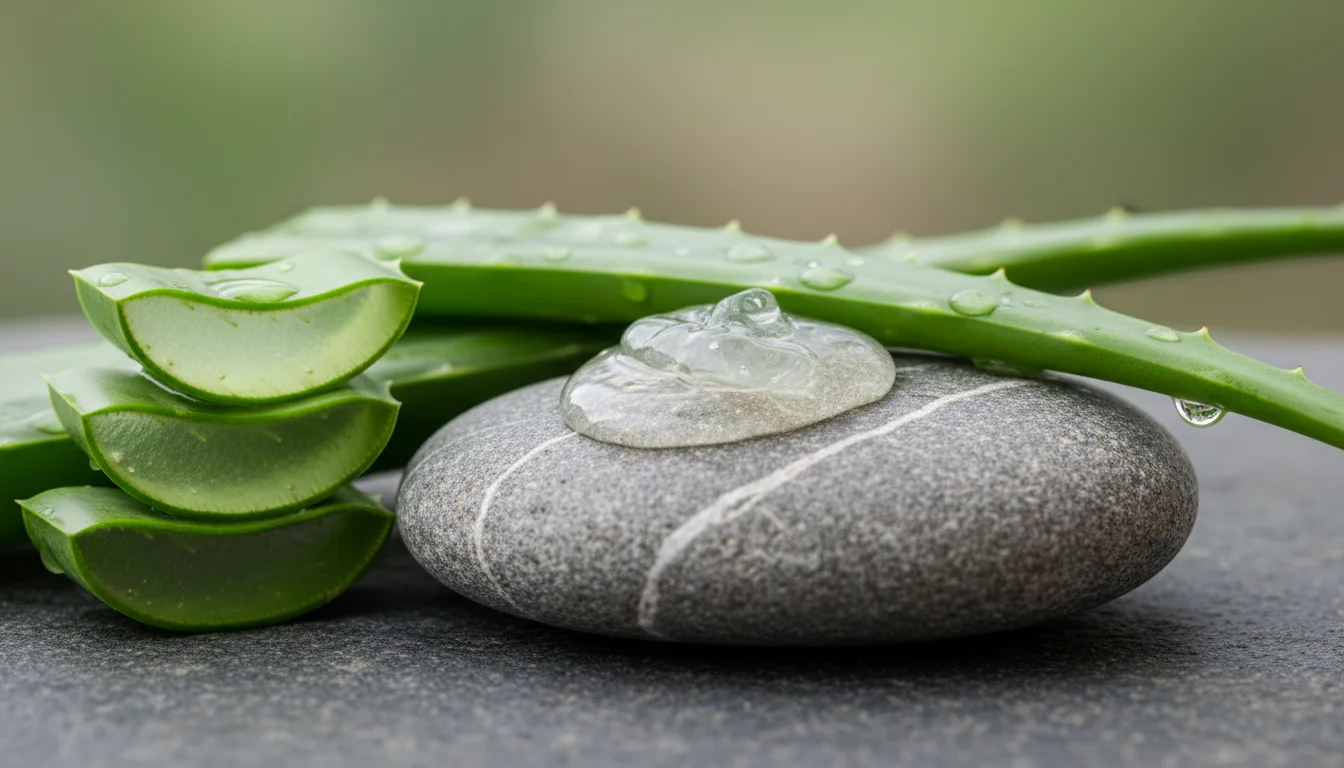
Okay, so your skin is clean and dry. Now you need to calm it down and get some moisture back in. This is how you’ll get the redness to fade, stop the irritation, and rehydrate the skin. Get a good amount of a non-comedogenic, calming moisturizer and apply it. Look for ingredients like aloe vera, chamomile, bisabolol, and hyaluronic acid because they’re known for being anti-inflammatory and super hydrating. Gels or light lotions are usually better than heavy creams right now, since they sink in faster without clogging your pores. A pure aloe vera gel is a fantastic choice (just make sure it’s 99% or 100% pure aloe without any added alcohol or perfume), or you could use a post-wax serum specifically made to reduce redness. The National Eczema Association (NationalEczema.org) even points out that colloidal oatmeal has an amazing ability to soothe inflamed skin, which definitely applies to post-wax irritation. Use clean hands and apply the moisturizer in gentle, upward strokes. You should do this twice a day for the first 24 to 48 hours.
Pro Tip: Cool Compresses for Immediate Relief
If the area feels really hot or tender, you can get instant relief with a cool compress. Just soak a clean washcloth in cool water, wring it out, and lay it over the waxed area for about 5-10 minutes. It’ll help constrict the blood vessels and bring down some of the swelling.
Common Mistake: Over-applying Heavy Oils
Some oils are good for your skin, but slathering on heavy, thick oils right after a wax can actually trap heat and bacteria against your skin. This can lead to breakouts or folliculitis. For the first day or so, stick to those lighter, non-comedogenic lotions and gels.
4. Avoid Irritants and Friction for 24-48 Hours
That first day or two after your appointment is when you can make or break your results. During this time, your skin is a magnet for irritation from friction and outside gunk. You need to stay away from anything that could cause inflammation or introduce bacteria. That means:
- No hot baths, showers, or saunas: Too much heat opens pores and makes them a perfect home for bacteria. Take lukewarm showers instead.
- Wear loose clothes: Friction from tight clothes, especially around the bikini line or underarms, rubs that sensitive skin raw and can cause chafing or even waxing hives. Stick to loose, cotton clothing.
- Skip scented products: Don’t spray deodorants, perfumes, or body sprays with alcohol or strong fragrances on the waxed areas. The chemicals will sting and cause redness.
- Take a day off from the gym: A hard workout that makes you sweat a lot can create a swamp of bacteria in your open pores. Give your skin a day or two off before you get back to it.
- Stay out of the sun: Freshly waxed skin will get sunburned way more easily. If you absolutely have to be in the sun, you must use a broad-spectrum sunscreen with at least SPF 30 on the area, and make sure it’s a mineral-based one (with zinc oxide or titanium dioxide) that’s better for sensitive skin. The Skin Cancer Foundation (SkinCancer.org) constantly reminds us how important sunscreen is for protecting vulnerable skin.
Pro Tip: Plan Your Wardrobe
If you know you’re getting waxed, lay out some loose, comfy clothes for afterward. It’s a simple thing that makes a huge difference in preventing discomfort and skin problems.
Common Mistake: Resuming Normal Activities Too Soon
So many people think their skin is fine and jump right back into their normal routine. But going to a hot yoga class or squeezing into tight jeans right after a wax can completely reverse all the good aftercare you just did.
5. Incorporate Gentle Exfoliation (After 2-3 Days)
After about 2 or 3 days, when the skin isn’t so sensitive anymore, you need to start gently exfoliating. This is the foundation for preventing ingrown hairs, which happen when a hair curls back and grows into the skin instead of out. Exfoliating sloughs off the dead skin cells that can block the hair’s path. Just don’t start too soon or scrub too hard. For physical exfoliation, you can use a soft-bristled brush, a loofah, or an exfoliating mitt in the shower, just rubbing gently in circles. For chemical exfoliation, find a product with a mild alpha hydroxy acid (AHA) like glycolic acid, or a beta hydroxy acid (BHA) like salicylic acid. Salicylic acid is great because it gets down into the pores to clear out blockages. Use these products a few times a week as the directions say, usually after a shower and before you moisturize. The American Academy of Dermatology Association (AADA.org) recommends gentle exfoliation for exactly this reason, to improve skin texture and keep pores from getting clogged.
Pro Tip: You Have to Be Consistent
Exfoliating isn’t something you do just once. You have to make it a regular part of your routine, doing it 2-3 times a week, to keep your skin smooth and free of ingrowns.
Common Mistake: Over-exfoliating
When it comes to exfoliating, more is definitely not better. Scrubbing too hard or using harsh chemical exfoliants too often will just irritate your skin, mess up its barrier, and ironically make you more likely to get ingrowns or other sensitivities. Pay attention to how your skin feels.
6. Maintain Daily Hydration and Skin Health
Long after the initial post-wax period, you’ve got to keep up with daily hydration and general skin care to get good, comfortable results long-term. Keep moisturizing every day with a lotion that won’t clog your pores. Skin that’s hydrated is more flexible, which lets new hairs grow through the surface much more easily and reduces your chances of getting ingrowns. Look for products with shea butter, glycerin, or ceramides that help support that skin barrier. And don’t forget about your diet and how much water you drink. Being hydrated on the inside really does make your skin more resilient and less prone to irritation on the outside. A diet full of antioxidants from fruits and vegetables can also help your skin recover and reduce inflammation. Any dermatologist will tell you that what you drink directly affects your skin’s health and appearance.
Pro Tip: Choose the Right Moisturizer for Your Skin Type
If your skin is oily, go for a gel or oil-free moisturizer. If it’s on the dry side, you might need a richer lotion, but you still need to make sure it’s non-comedogenic.
Common Mistake: Neglecting Skin Between Waxing Sessions
Some clients only think about skincare right before or right after their waxing appointment. But taking care of your skin every day, with gentle cleansing, moisturizing, and regular exfoliating, is what keeps it in great shape for your next wax which means you’ll get better results with less pain and irritation.
The whole idea that alcohol is good for cleaning up after a wax is a myth that needs to die. It’s a practice that seriously damages your skin’s health, causing dryness, irritation, and a weaker protective barrier. If you focus on gentle cleansing, soothing hydration, and consistent care, your skin will stay healthy and smooth.
So what’s the big deal with alcohol after waxing?
Alcohol is an astringent that literally strips your skin of its natural oils. On freshly waxed skin, this causes extreme dryness, redness, irritation, and can even result in a chemical burn.
What should I use to clean up right after my wax?
Use a gentle, fragrance-free, pH-balanced cleanser with lukewarm water to get any wax residue off. Then just pat the skin dry with a clean, soft towel.
How do I actually prevent ingrown hairs?
Wait 2-3 days after your wax, then start exfoliating gently with a soft brush or a product containing something like salicylic acid. You also need to moisturize every single day.
What stuff should I absolutely avoid after waxing?
For at least 24 to 48 hours, stay away from harsh chemicals, products with heavy scents (like perfumes and some deodorants), tight clothes, hot baths, saunas, and direct sun.
How long do I have to wait before exfoliating?
You need to wait at least 2 to 3 days. This gives your skin time to calm down from the initial sensitivity so you don’t cause more irritation.


