 By Editorial Team
Key Takeaways
- Always perform a patch test with new products to avoid widespread irritation, especially for sensitive skin types.
- Implement a consistent post-waxing skincare routine including gentle exfoliation and hydration to prevent ingrown hairs and soothe inflammation.
- Identify and avoid common irritants like harsh soaps, tight clothing, and excessive heat immediately following hair removal to minimize adverse skin reactions.
- Seek professional advice for persistent or severe skin issues, as some rashes or bumps may indicate an an underlying condition requiring medical attention.
- Maintain proper hygiene and sterilization practices for all waxing tools and products to prevent bacterial infections and subsequent skin complications.
As a seasoned esthetician with over fifteen years in the skin health industry, I’ve seen countless clients walk through my doors, each with their unique concerns. But few issues cause as much immediate distress and discomfort as post-wax bumps and skin rashes. It’s a common scenario, one that often leaves individuals feeling frustrated and self-conscious. Many wonder if their skin is simply “too sensitive” or if they’ve done something wrong. The truth is, managing these reactions requires a proactive approach and a deep understanding of skin physiology. It’s not just about what you do in the waxing studio, but critically, what happens before and long after. Can a few simple changes truly transform your post-waxing experience?
The Case of Maria and the Mystery Rash
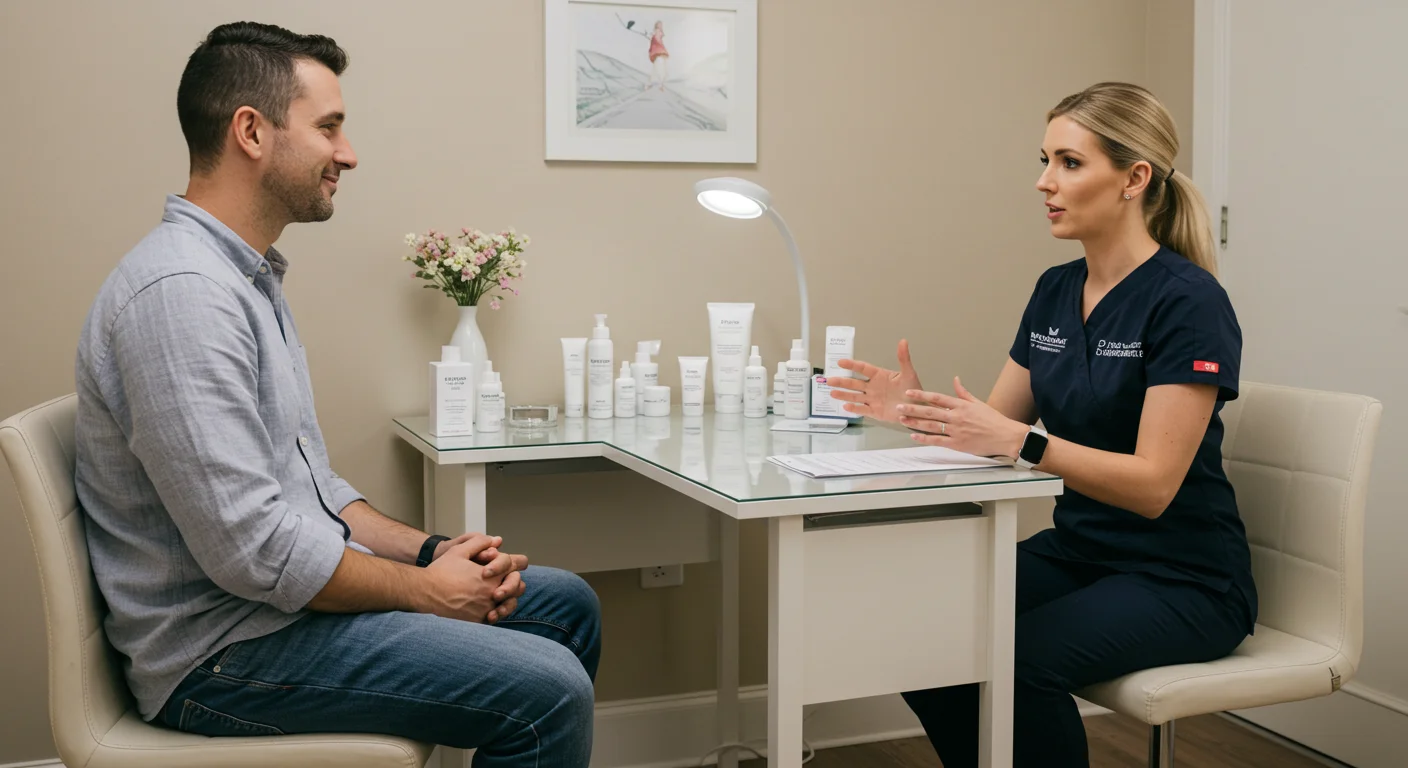
I remember Maria vividly. She was a new client who came to me about two years ago, her eyes wide with desperation. Maria had been getting body waxing for years, but suddenly, after every session, her skin would erupt in an angry, itchy rash. Not just a few red spots, mind you, but a widespread, bumpy irritation that lasted for days. She’d tried everything: different technicians, various types of wax, even switching her laundry detergent. Nothing worked. “It’s like my skin just decided to hate waxing overnight,” she told me, a tremor in her voice. Her confidence was taking a real hit; she was avoiding social gatherings and even hesitated to wear shorts in the Atlanta summer heat. We had to get to the bottom of this.
Initial Assessment and Clues
When I first examined Maria’s skin, it was clear she was dealing with more than just typical post-wax redness. Her bumps were inflamed, some with small whiteheads, indicative of a possible infection or severe irritation rather than simple follicular swelling. I asked her a barrage of questions about her routine, her diet, any new medications, and especially her post-waxing care. Most clients will tell you they moisturize, but the specifics matter. What kind of moisturizer? How often? And what about exfoliation? Maria confessed she was inconsistent with exfoliation, often forgetting until she saw an ingrown hair, and she used whatever lotion was on sale at the local CVS Pharmacy in Midtown.
One critical detail emerged: Maria had recently started a new, intense workout regimen at the YMCA of Metro Atlanta, often heading straight from the gym to her waxing appointment, or vice versa, without showering. This was a red flag. Sweat, friction from tight workout clothes, and waxing create a perfect storm for bacterial growth and irritation. The skin, particularly after hair removal, is incredibly vulnerable. Its natural barrier is temporarily compromised, making it susceptible to environmental aggressors.
Expert Analysis: Understanding Post-Wax Reactions
Post-waxing skin reactions fall into a few main categories. First, there’s folliculitis, which presents as small, red bumps, sometimes with a white head. This is often caused by inflammation of the hair follicles or a bacterial infection from improper hygiene. The pores are open after waxing, making them easy targets for bacteria. Then there are ingrown hairs, which occur when hair curls back into the skin and grows beneath the surface, causing inflammation and often painful bumps. Finally, some individuals experience a contact dermatitis, an allergic reaction to an ingredient in the wax or post-wax product, or simply irritation from the trauma of hair removal itself.
According to a study published by the American Academy of Dermatology Association, proper pre and post-waxing care can significantly reduce the incidence of these adverse reactions by up to 70%. That’s a huge number, and it underscores the importance of a holistic approach. It’s not just about the wax itself; it’s about the entire ecosystem of your skin care.
Nervous about your first wax? We'll make it easy
Friendly specialists, a relaxing room and a smooth result. Find a welcoming studio near you.
Find a Studio Near You →Implementing a Targeted Solution
For Maria, we designed a rigorous, yet simple, plan. My philosophy is always to start with the basics and refine. We focused on three pillars: preparation, post-care, and prevention.
Pillar 1: Meticulous Preparation
I insisted Maria shower immediately before her waxing appointments, using a gentle, pH-balanced cleanser. This removes surface oils, sweat, and bacteria that could otherwise be pushed into open follicles. We also discussed the importance of wearing loose, breathable clothing to her appointment, avoiding the dreaded friction from her usual athletic wear. I had a client last year who swore by silk pajamas after a Brazilian wax, and while that might be a bit much for a leg wax, the principle holds: minimize irritation.
Pillar 2: Diligent Post-Care: The First 48 Hours Are Critical
This is where most people falter. The skin is most vulnerable right after waxing. I advised Maria to avoid hot showers, saunas, and intense exercise for at least 24-48 hours. Heat and sweat exacerbate inflammation and create a breeding ground for bacteria. Instead, she used cool compresses to soothe the skin immediately after waxing. For moisturizing, I recommended a fragrance-free, non-comedogenic lotion containing ingredients like aloe vera or hyaluronic acid. We needed something that would hydrate without clogging pores. I also introduced her to a gentle, alcohol-free post-waxing oil designed to calm irritation and prevent ingrown hairs. I truly believe that investing in quality aftercare products is non-negotiable; cheap lotions often contain irritants that make things worse.
Pillar 3: Long-Term Prevention: The Exfoliation Factor
This was the game-changer for Maria. We implemented a consistent exfoliation routine using a chemical exfoliant (specifically, a salicylic acid-based serum) three times a week, starting 48 hours after waxing. Physical scrubs can be too harsh, especially on sensitive skin, and can actually cause micro-tears, leading to more ingrown hairs. Chemical exfoliants gently dissolve dead skin cells, preventing them from trapping new hair growth. I often tell my clients, “Think of it like clearing the path for new growth. You wouldn’t want to drive on a road full of debris, would you?”
We also looked at her diet. While not a direct cause of post-wax bumps, a diet rich in inflammatory foods can contribute to overall skin sensitivity. I suggested she incorporate more anti-inflammatory foods and stay well-hydrated, a piece of advice that benefits overall health, not just skin.
The Resolution and Lessons Learned
Within two months, Maria’s skin was transformed. The angry rash was gone, replaced by smooth, calm skin. She still got the occasional tiny bump, which is normal, but nothing like the widespread irritation she’d experienced before. Her confidence soared, and she was back to enjoying her active lifestyle without worrying about her skin. She even started recommending me to her friends at the gym, which is always the best compliment.
Maria’s case study taught me, and many of my clients, that managing post-wax bumps and rashes isn’t about finding a magic bullet. It’s about understanding the delicate balance of your skin and committing to a consistent, tailored routine. It’s a process that requires patience and attention to detail. Many people want a quick fix, but skin health, like any health, is a marathon, not a sprint. The real secret? It’s often the small, consistent efforts that yield the most dramatic and lasting results. Don’t underestimate the power of a good pre-cleanse and a diligent post-care serum. Those tiny steps make all the difference.
For anyone struggling with similar issues, my advice is always this: don’t give up. Your skin isn’t “broken”; it’s just trying to tell you something. Listen to it, and adjust your routine accordingly. If you’re in the Atlanta area and experiencing persistent skin issues, resources like the dermatologists at Piedmont Atlanta Hospital can provide further diagnostic insights and treatment options.
Managing post-wax bumps and rashes is entirely achievable with the right approach and a commitment to skin health. By understanding your skin’s needs and implementing a consistent, gentle care routine, you can enjoy smooth, comfortable skin after every hair removal session. It’s about empowering yourself with knowledge and making informed choices for your skin’s well-being.
What causes post-wax bumps and rashes?
Post-wax bumps and rashes are primarily caused by inflammation of hair follicles (folliculitis), ingrown hairs, or irritation/allergic reactions. Factors like improper hygiene, tight clothing, excessive heat, and friction after waxing can exacerbate these issues by trapping bacteria or irritating sensitive skin.
How can I prevent ingrown hairs after waxing?
Preventing ingrown hairs involves regular, gentle exfoliation starting 48 hours after waxing, using a chemical exfoliant like salicylic acid. Keeping the skin hydrated with non-comedogenic moisturizers and avoiding tight clothing helps new hairs grow out freely rather than curling back into the skin.
Is it normal for skin to be red and bumpy immediately after waxing?
Some redness and small bumps (follicular edema) are normal immediately after waxing as the hair follicles react to the removal. However, persistent, widespread, or intensely itchy rashes, especially those with pus, are not normal and suggest irritation, infection, or an allergic reaction requiring attention.
What should I avoid doing right after waxing to prevent irritation?
For at least 24 to 48 hours post-waxing, avoid hot showers, saunas, steam rooms, swimming pools, intense exercise, and tight clothing. These activities can introduce bacteria into open follicles, cause excessive sweating, and create friction, all of which contribute to irritation and bumps.
When should I seek professional help for post-waxing skin issues?
You should seek professional help from a dermatologist if your post-waxing bumps are painful, persist for more than a few days, worsen over time, show signs of infection (like pus or increasing redness), or if you experience severe itching or an extensive rash. These symptoms might indicate a more serious skin condition or infection.


