 By Editorial Team
The world of professional waxing is rife with misconceptions, particularly when it comes to the critical period immediately following your service. So much misinformation exists regarding how to properly care for your skin that it’s no wonder many men experience frustrating and avoidable post wax discomfort. Getting a smooth result is only half the battle; a diligent aftercare routine is what truly ensures lasting comfort and flawless skin. But what common beliefs are actually holding you back from achieving that perfect, irritation-free finish?
Key Takeaways
- Immediately after waxing, avoid hot showers and strenuous exercise for at least 24 hours to prevent irritation and follicle inflammation.
- Apply a high-quality, alcohol-free soothing serum containing ingredients like aloe vera or chamomile twice daily for the first 72 hours.
- Exfoliate gently 2-3 times per week, starting 48 hours post-wax, using a chemical exfoliant to prevent ingrown hairs.
- Hydrate the waxed area daily with a non-comedogenic moisturizer to maintain skin barrier integrity.
Myth 1: Hot Showers and Baths Are Great for Soothing Freshly Waxed Skin
This is perhaps one of the most pervasive and damaging myths I encounter in my practice. Clients often tell me they plan to relax in a hot bath right after their appointment, believing the warmth will calm their skin. Nothing could be further from the truth. Hot water is your enemy immediately after waxing. When hair is removed from the follicle, those pores are left open and vulnerable. Introducing hot water, especially with harsh soaps, can lead to immediate irritation, redness, and even a heightened risk of bacterial infection. Think about it: your skin just underwent a significant exfoliation and hair removal process. It’s primed for sensitivity. According to a study published in the Journal of Clinical and Aesthetic Dermatology, maintaining a cool, clean environment for the skin post-epilation is paramount to minimizing adverse reactions such as folliculitis and contact dermatitis. I always advise clients to stick to lukewarm or even cool showers for at least 24 to 48 hours. This helps close the pores, reduce inflammation, and prevents the introduction of bacteria into those open follicles. I had a client last year, a seasoned triathlete, who ignored this advice and jumped into a steamy hot tub right after his back wax. He called me the next morning with an angry, red rash of tiny pustules. It took a week of diligent cold compresses and medicated creams to clear up. A simple cool shower would have saved him that misery.
Nervous about your first wax? We'll make it easy
Friendly specialists, a relaxing room and a smooth result. Find a welcoming studio near you.
Find a Studio Near You →Myth 2: You Should Exfoliate Immediately to Prevent Ingrown Hairs
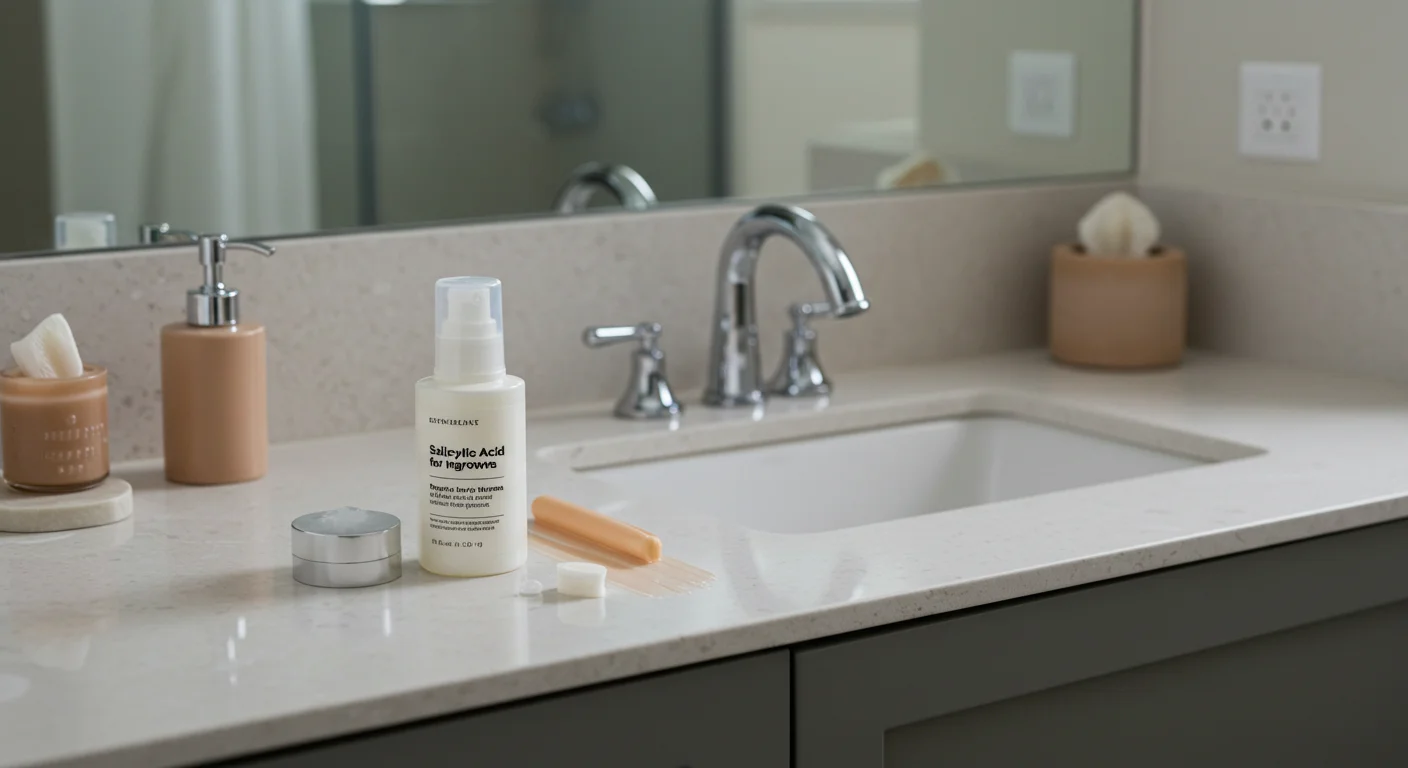
Another common misconception is the urge to scrub your skin right away to prevent those pesky ingrown hairs. While exfoliation is undeniably a critical component of preventing ingrowns in the long run, doing it too soon after waxing is a recipe for disaster. Your skin barrier is compromised, and aggressive scrubbing will only exacerbate irritation, potentially leading to micro-tears and increasing the likelihood of infection. The goal is to allow your skin ample time to heal and for the follicles to settle before introducing any abrasive action. My professional recommendation, based on years of experience and consistent results, is to wait a minimum of 48 hours, and ideally 72 hours, before beginning any form of exfoliation. When you do start, opt for a gentle chemical exfoliant rather than a harsh physical scrub. Look for products containing salicylic acid or glycolic acid, which work by dissolving dead skin cells without the friction of physical exfoliants. These acids gently unblock pores and allow new hairs to grow through freely. A report from the American Academy of Dermatology Association (AAD) emphasizes the efficacy of alpha and beta hydroxy acids for managing ingrown hairs, citing their ability to promote cell turnover without causing further trauma to sensitive skin. We use a salicylic acid-based serum in our studio’s aftercare kits and have seen a dramatic reduction in ingrown hair complaints when clients adhere to the schedule.
Myth 3: Any Moisturizer Will Do for Post-Wax Hydration
Many men assume that their regular body lotion or face cream will suffice for skin soothing after a wax. This is a subtle but significant mistake. Freshly waxed skin needs specific ingredients to calm inflammation, restore moisture, and protect the newly exposed skin. Many standard moisturizers contain fragrances, dyes, or heavy oils that can clog open pores or irritate sensitive skin. You absolutely need to be discerning here. I always tell my clients: think of your skin after waxing as a fresh canvas. You wouldn’t paint a masterpiece with cheap, abrasive brushes, would you? Similarly, you need to use products designed for this specific vulnerability. Look for moisturizers that are non-comedogenic, fragrance-free, and ideally contain calming ingredients like aloe vera, chamomile, or calendula. Hyaluronic acid is also a fantastic humectant that draws moisture into the skin without feeling heavy. We ran into this exact issue at my previous firm where a client, despite repeated warnings, continued to use a heavily perfumed aftershave balm on his chest after waxing. He developed a persistent itchy rash that only resolved once he switched to a bland, professional-grade post-wax serum. The difference was night and day. Prioritize ingredients that promote healing and reduce redness, not just generic hydration.
Myth 4: Sweating and Exercise Are Fine If You Shower Afterward
This myth combines a half-truth with a dangerous assumption. Yes, showering after sweating is generally good hygiene, but immediately after waxing, the combination of sweat and friction from exercise can be incredibly detrimental. Your pores are open, and sweat provides a warm, moist environment where bacteria can thrive. Furthermore, the friction from clothing during a workout can irritate the sensitive, newly exposed skin, leading to chafing, redness, and even tiny bumps or pustules known as folliculitis. The best practice is to avoid strenuous physical activity, including intense workouts, swimming, and even saunas, for at least 24 to 48 hours post-wax. This gives your follicles time to close and your skin a chance to recover. Think of it as a brief recovery period for your skin. It’s a small sacrifice for a much smoother, irritation-free experience. A comprehensive review on skin health best practices, published by the National Institutes of Health, underscores the importance of minimizing exposure to potential irritants and bacterial sources during periods of skin vulnerability. I’ve seen cases where a client, eager to hit the gym, developed a severe case of heat rash and ingrown hairs on his back because the combination of sweat, tight clothing, and friction was simply too much for his skin. It’s an editorial aside, but honestly, just chill for a day or two. Your gains won’t disappear, but your smooth skin might if you push it.
Myth 5: Professional Waxing Means Zero Aftercare Required
Some clients mistakenly believe that because they’ve invested in a professional service, the aftercare is somehow less important. “You’re the expert,” they’ll say, “so my skin will be fine, right?” Wrong. While a professional service ensures proper technique, hygiene, and product application during the waxing process, the responsibility for maintaining those results and preventing complications falls squarely on the client’s shoulders once they leave the studio. Your aftercare routine is just as crucial as the waxing itself. Think of it like this: a dentist can give you a perfect cleaning, but if you don’t brush and floss daily, your oral health will quickly decline. The same principle applies to waxing. Neglecting aftercare can lead to a host of problems including ingrown hairs, breakouts, redness, and generalized discomfort. A 2025 survey conducted by the Professional Beauty Association (PBA) revealed that clients who consistently followed a recommended aftercare regimen experienced 70% fewer post-wax complications compared to those who did not. This isn’t just anecdotal; it’s a measurable difference. My advice is always to ask your professional for a detailed aftercare plan and stick to it religiously. They know their products and your skin type best. A concrete case study from our studio illustrates this point perfectly. We had a new client, Michael, who was getting his chest and abdomen waxed for the first time. He followed our pre-wax instructions to the letter, resulting in a fantastic initial wax. We provided him with a detailed aftercare kit, including a calming serum and an ingrown hair preventative. Michael, however, admitted he only used the products “sometimes” and resumed his usual heavy-duty, fragranced body wash and lotion immediately. Within a week, he developed severe ingrown hairs and redness across his chest. We brought him back in for a consultation, provided an in-depth explanation of why his current products were counterproductive, and gave him a fresh aftercare kit with strict instructions. He committed to using the professional-grade soothing serum and gentle exfoliant twice daily for three weeks. By his next appointment, his skin was significantly clearer, with only a few minor ingrowns remaining. This turnaround demonstrated the undeniable power of consistent, targeted aftercare.
Myth 6: Picking at Ingrown Hairs or Bumps Will Make Them Go Away Faster
This is a dangerous habit that many people, men especially, fall into. Seeing a bump or an ingrown hair can be frustrating, and the natural inclination might be to pick, squeeze, or try to “dig out” the hair. Let me be unequivocally clear: do not pick at your skin after waxing. This is one of the quickest ways to introduce bacteria, cause scarring, and worsen the problem. Picking can lead to hyperpigmentation (dark spots), infection, and even permanent scarring. When you attempt to extract an ingrown hair yourself, you often push the hair further under the skin, create more inflammation, or break the skin, leaving it vulnerable to bacteria. The result is often a much more noticeable, painful, and long-lasting blemish than if you had simply left it alone. Instead, rely on your gentle chemical exfoliants to encourage the hair to surface naturally. If you have a particularly stubborn or painful ingrown hair, consult your waxing professional or a dermatologist. They can safely address the issue without causing further damage. This is a non-negotiable rule in my book. Patience and proper product use are your allies, not your fingernails. Understanding and debunking these common myths is the first step toward achieving truly comfortable, smooth skin after professional waxing. Your post-wax success hinges on a diligent, informed aftercare routine.
How long after waxing should I wait to exfoliate?
You should wait at least 48 to 72 hours after waxing before beginning any exfoliation. This allows your skin to recover from the hair removal process and reduces the risk of irritation or infection.
What ingredients should I look for in a post-wax soothing serum?
Look for ingredients known for their calming and anti-inflammatory properties, such as aloe vera, chamomile, calendula, and tea tree oil. Hyaluronic acid is also excellent for hydration. Ensure products are fragrance-free and non-comedogenic.
Can I go to the gym immediately after getting waxed?
No, it is strongly advised to avoid strenuous exercise, heavy sweating, and tight clothing for at least 24 to 48 hours after waxing. This prevents irritation, friction, and the introduction of bacteria into open follicles.
How often should I moisturize after waxing?
You should moisturize the waxed area daily, starting immediately after the waxing service (with a suitable product). Consistent hydration helps maintain skin barrier integrity and promotes overall skin health.
What should I do if I get an ingrown hair?
Do not pick or squeeze an ingrown hair. Instead, continue with gentle chemical exfoliation 2 to 3 times per week to encourage the hair to surface naturally. If it’s painful or persistent, consult your waxing professional or a dermatologist.


