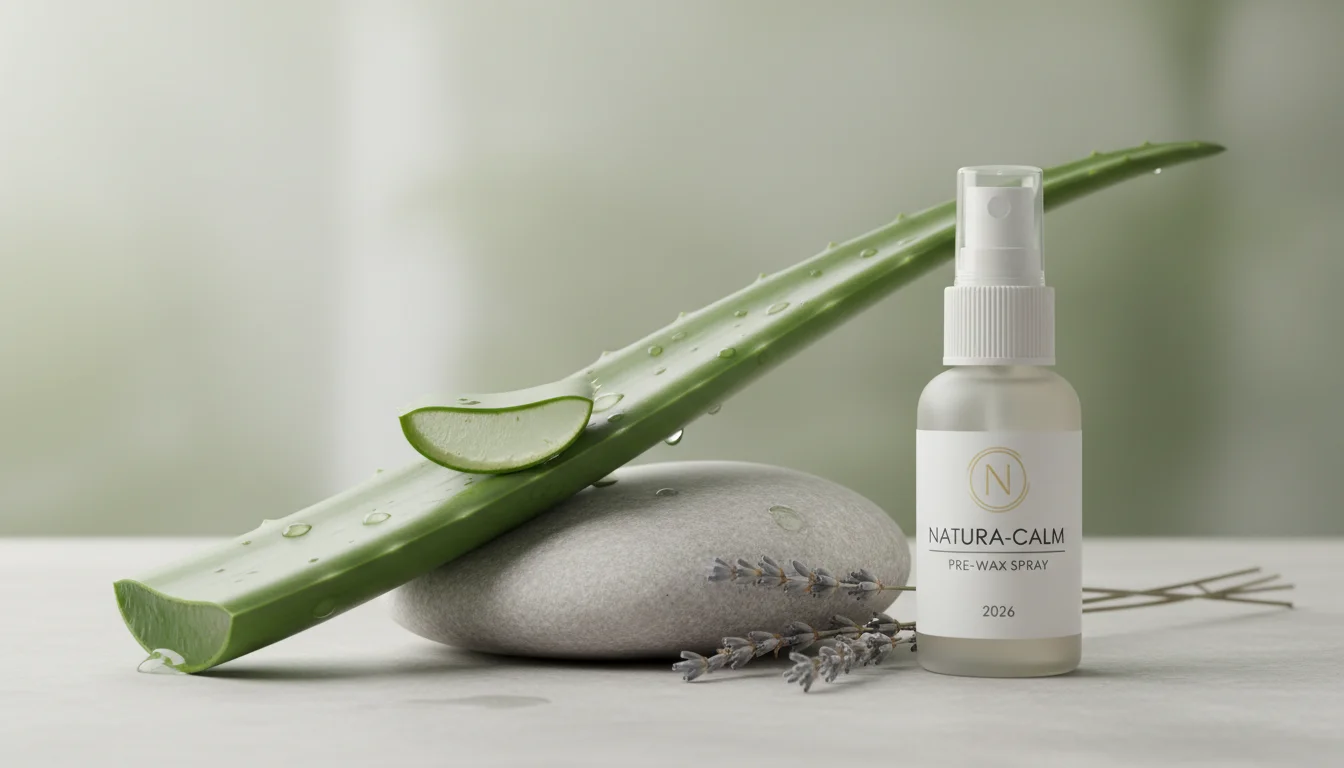
 By Editorial Team
The quest for a pain-free hair removal experience often leads individuals down a rabbit hole of home remedies and over-the-counter solutions. Among these, the allure of a pre-wax numbing spray is particularly strong, promising to transform a typically uncomfortable process into a breeze. But do these sprays truly deliver on their lofty promises of significant pain relief during waxing? Or are they just another bottle of wishful thinking?
Key Takeaways
- Topical anesthetics, the active ingredients in numbing sprays, temporarily desensitize nerve endings in the skin.
- For optimal efficacy, apply numbing sprays 30 to 45 minutes before waxing and cover the area with plastic wrap.
- Over-the-counter numbing sprays contain lidocaine or benzocaine, typically in concentrations of 4% to 5%.
- While effective for surface-level discomfort, numbing sprays may not fully eliminate the deeper sensation of hair removal.
- Consult a dermatologist before using numbing sprays if you have sensitive skin or medical conditions.
Understanding the Science Behind Numbing Sprays
Let’s get real about how these products work. A pre-wax numbing spray isn’t magic; it’s chemistry. The active ingredients are typically topical anesthetics, most commonly lidocaine or benzocaine. These compounds work by temporarily blocking nerve signals in the skin, effectively reducing the sensation of pain. Think of it like a localized mute button for your nerve endings.
When applied to the skin, these anesthetics penetrate the outer layers, reaching the nerve endings just beneath the surface. They interfere with the sodium channels in nerve membranes, preventing the nerves from transmitting pain signals to the brain. This doesn’t mean you won’t feel anything at all, but it should significantly dull the sharp, stinging sensation associated with hair removal. The effectiveness hinges on a few factors: the concentration of the active ingredient, how long it’s left on the skin, and the individual’s pain threshold. I’ve seen clients come in who swear by a particular brand, while others find little to no difference. It’s not a one-size-fits-all solution, and anyone promising otherwise is selling you snake oil.
Application Techniques for Maximum Efficacy
Simply spraying and wiping won’t cut it if you want real results. Proper application is paramount. From my experience, the biggest mistake people make is not allowing enough time for the product to absorb. You need to apply the pain relief waxing spray generously to the area at least 30 to 45 minutes before your waxing appointment. And here’s a pro tip that nobody tells you: cover the treated area with plastic wrap (like kitchen cling film) after application. This creates an occlusive barrier, forcing the product to penetrate deeper into the skin and preventing it from evaporating too quickly. Without this step, you’re essentially just wasting product and time.
Nervous about your first wax? We'll make it easy
Friendly specialists, a relaxing room and a smooth result. Find a welcoming studio near you.
Find a Studio Near You →For instance, I had a client last year, Sarah, who was incredibly nervous about her first full leg wax. She’d tried an over-the-counter numbing spray before, following the package directions, but felt it did nothing. When she came to me, I walked her through the proper application: a liberal spray, followed by plastic wrap for 40 minutes. The difference was night and day. She still felt some sensation, of course, but she described it as a “dull pressure” rather than the “sharp shock” she’d anticipated. This isn’t just anecdotal; research supports the enhanced absorption under occlusion. A study published in the Journal of Clinical and Aesthetic Dermatology, while focusing on laser hair removal, highlighted the improved efficacy of topical anesthetics when applied under occlusive dressings. It makes all the difference.
Over-the-Counter vs. Prescription Options
When considering a pre-wax numbing spray, you’ll encounter both over-the-counter (OTC) and prescription options. OTC products typically contain lidocaine or benzocaine in concentrations ranging from 4% to 5%. These are generally safe for self-application and can be quite effective for surface-level discomfort. They’re readily available at pharmacies and online retailers, making them a convenient choice for many. However, their depth of penetration and duration of effect are limited.
Prescription-strength topical anesthetics, on the other hand, can contain higher concentrations of lidocaine (up to 23%) or a combination of different anesthetic agents. These are often used in medical settings for minor surgical procedures or more intense cosmetic treatments. While more potent, they also come with a higher risk of systemic absorption and potential side effects, such as allergic reactions or even cardiac issues if applied incorrectly or to large areas. This is why a dermatologist or medical professional must supervise their use. For routine hair removal, an OTC spray is usually sufficient, provided it’s used correctly. I always advise my clients to start with an OTC option and only consider prescription-strength products if their pain is truly debilitating and under the guidance of a doctor.
What to Expect: Realistic Efficacy and Limitations
Let’s manage expectations. A pre-wax numbing spray will not make your waxing experience completely pain-free. That’s a myth. What it will do is significantly reduce the intensity of the discomfort. Think of it as turning down the volume on the pain, not muting it entirely. The superficial nerve endings are desensitized, which helps with the initial tug and pull. However, the deeper sensation of the hair being ripped from the follicle might still be present, albeit dulled. It’s a noticeable improvement for most, but not a magic bullet.
The product efficacy also varies depending on the body area. Thicker skin, like on the legs, might require a longer application time or a slightly stronger product than more sensitive areas, like the bikini line or underarms. And let’s not forget individual pain thresholds. Some people have a naturally higher tolerance for pain, while others are incredibly sensitive. A study published by the American Academy of Dermatology, while not specifically on numbing sprays, acknowledges that pain is a significant deterrent for many contemplating hair removal, highlighting the need for effective pain management strategies. While these sprays are a valuable tool in that arsenal, they are just one piece of the puzzle. Combining them with other strategies, like proper breathing techniques and choosing an experienced professional, can yield the best results.
Potential Side Effects and Safety Considerations
While generally safe when used as directed, pre-wax numbing sprays are not without potential side effects. The most common reactions are localized: redness, itching, or a mild burning sensation at the application site. These are usually temporary and resolve quickly. More serious, though rare, side effects can include allergic reactions (hives, swelling, difficulty breathing), or even systemic toxicity if excessive amounts are absorbed into the bloodstream. This is a particular concern with products containing higher concentrations of lidocaine, especially if applied to large areas of broken or irritated skin.
Always perform a patch test on a small, inconspicuous area of skin 24 hours before full application to check for any adverse reactions. Avoid applying these sprays to open wounds, sunburned skin, or mucous membranes. Pregnant or breastfeeding individuals, and those with certain medical conditions (like heart problems or liver disease), should consult their doctor before using any numbing product. I always tell my clients, “When in doubt, ask your doctor.” It’s not worth risking your health for a slightly less painful wax. Always prioritize safety over convenience, and never exceed the recommended dosage or application time stated on the product label.
Ultimately, a pre-wax numbing spray can be a valuable tool in your hair removal routine, offering a tangible reduction in discomfort. However, they are not a substitute for proper technique or realistic expectations; they’re an aid, not a miracle cure. For more tips on reducing discomfort, check out our guide on waxing pain’s top topical relievers.
How long before waxing should I apply a numbing spray?
For optimal results, apply the numbing spray at least 30 to 45 minutes before your scheduled waxing appointment to allow sufficient time for the active ingredients to penetrate the skin and desensitize nerve endings.
Will a numbing spray completely eliminate pain during waxing?
No, a numbing spray will not completely eliminate all pain. It significantly reduces the intensity of discomfort by dulling the sensation, but you may still feel a muted pulling or pressure as the hair is removed.
Are there any side effects to using pre-wax numbing sprays?
Common side effects are usually mild and localized, including temporary redness, itching, or a mild burning sensation. Rare but more serious side effects can include allergic reactions or systemic toxicity if misused.
Can I use a numbing spray on sensitive areas like the bikini line?
Yes, many numbing sprays are formulated for use on sensitive areas. However, always perform a patch test first and ensure the product is not applied to broken skin or mucous membranes.
Do prescription-strength numbing creams work better than over-the-counter sprays?
Prescription-strength options typically contain higher concentrations of active ingredients and may offer a deeper level of numbness. However, they carry a higher risk of side effects and should only be used under medical supervision, making OTC sprays sufficient for most routine waxing.


