 By Emily White
Key Takeaways
- Polymer-based hard waxes stick only to hair, which is why they cause much less irritation on sensitive skin.
- Doing proper skin prep, like a good cleanse and using a pre-wax oil, makes a huge difference in cutting down on redness and pain afterward.
- After your wax, use soothing stuff like aloe vera and stay away from scrubs for a day or two so your skin can heal properly.
- A good esthetician’s technique, getting the wax temperature right and pulling fast, is what really makes the experience comfortable if you have sensitive skin.
- If you stick with hard waxing, your hair can grow back finer and thinner, making future appointments even less sensitive.
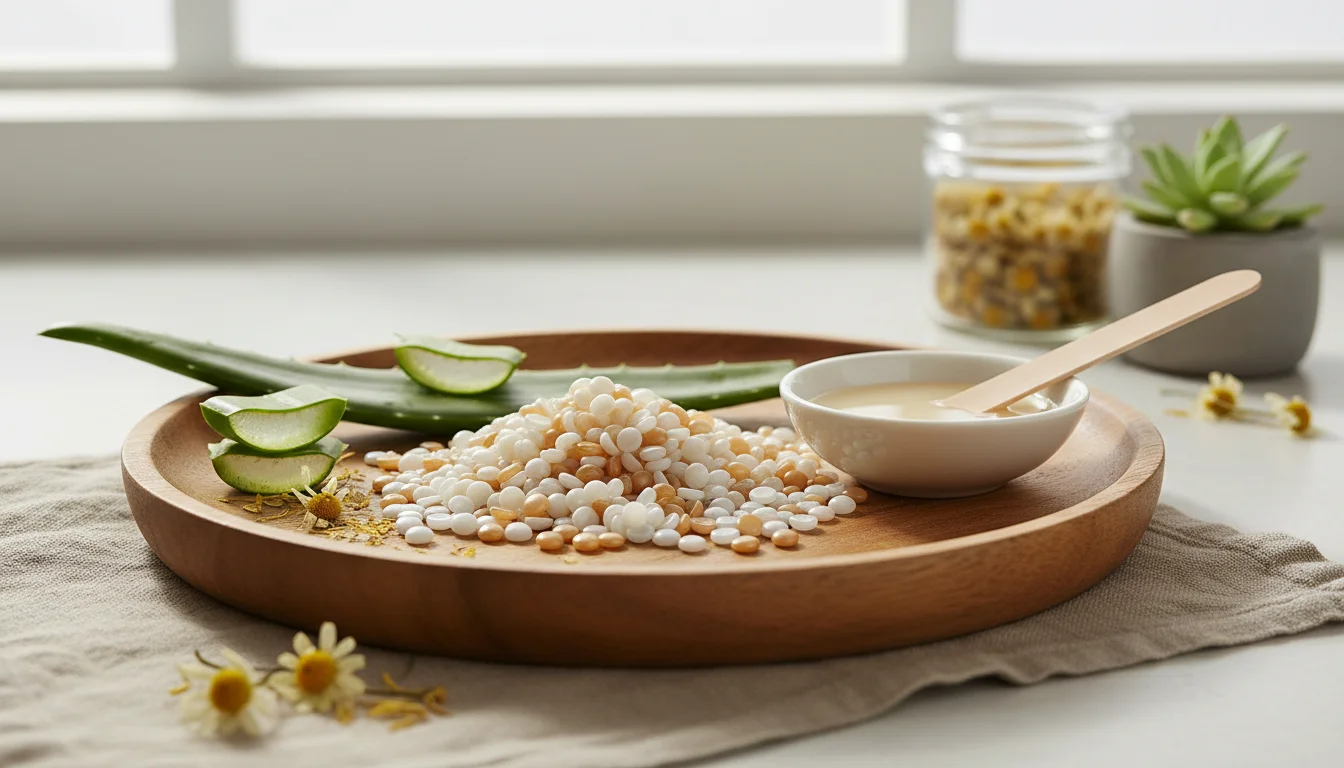
If you have sensitive skin, the idea of hair removal is probably terrifying, you’re just waiting for the redness, bumps, and pain to show up. But it doesn’t have to be like that. Using hard wax for sensitive skin is a winning combo that causes way less irritation than what you’re used to.
Take someone like Elena, a freelance graphic designer in Atlanta, Georgia, who had a nightmare of a time with hair removal. Her fair, redness-prone skin just freaked out over everything. Shaving gave her razor burn for days, especially on her underarms and bikini line, and even so-called sensitive depilatory creams caused chemical burns. She’d tried soft wax at home once and called it “a sticky, painful disaster” that left her with inflamed skin and ingrown hairs for weeks.
You could feel her frustration. She just wanted smooth skin for Atlanta’s humid summers, but the non-stop irritation felt like a price she had to pay. This fight with her skin really tanked her confidence, to the point where she’d skip wearing sleeveless tops or swimsuits in the Georgia heat. She had pretty much given up on professional hair removal, assuming her skin was just “too sensitive” for anything but a razor.
The change came when she talked to a friend, a former esthetician working at a spa over in the Buckhead neighborhood. “You’re probably using the wrong type of wax, Elena,” her friend said. “With skin like yours, you should be looking into hard wax formulations. It’s a totally different ballgame.”
This simple advice gave Elena a new direction. She’d vaguely heard of hard wax but figured all wax was pretty much the same. Her friend broke down the key difference: soft wax sticks to your hair *and* your skin which is what strips off that top layer and causes so much irritation. Hard wax, on the other hand, just shrink-wraps the hair itself. It gets hard and then pulls off without taking your skin with it. For anyone with sensitive skin, this is everything.
“Imagine it this way,” her friend continued, “soft wax is like ripping off a Band-Aid that’s stuck to your skin and the hair. Hard wax is more like popping off a little cast that formed only around the hair, leaving the skin alone.” That explanation clicked for Elena and gave her some real hope. The whole process just sounded way gentler.
Nervous about your first wax? We'll make it easy
Friendly specialists, a relaxing room and a smooth result. Find a welcoming studio near you.
Find a Studio Near You →So, Elena booked an appointment. She went to a well-regarded salon near Piedmont Park known for its skilled estheticians. Before she went, she did her homework on best practices for waxing sensitive skin and found out prep is just as important as the wax. The American Academy of Dermatology Association (AAD) always tells people to show up with clean, dry skin, without any lotions or oils that can mess with how the wax grabs. Elena followed that advice and arrived with her skin freshly cleansed and totally product-free.
Her esthetician, Maria, was super careful. First, she cleaned Elena’s skin with a gentle, alcohol-free solution. Then came the key part: she put on a thin layer of pre-wax oil to act as a barrier between the skin and the wax. Maria explained this makes sure the wax only grabs the hair, not the skin, which cuts down on the pain. “For sensitive skin,” Maria said, “this barrier isn’t optional. It’s a tiny step that makes a world of difference in preventing irritation.”
Maria applied the wax in small sections, and Elena noticed it was way thicker than the stuff from her home-waxing nightmare. It cooled fast into a flexible strip that wasn’t sticky at all, which Maria then pulled off with a quick, confident tug. Elena was shocked, it hurt so much less than she’d braced for. There was that quick pull, sure, but none of the awful, lingering sting or feeling of her skin tearing. Maria also immediately pressed her hand down on the spot right after pulling the strip, a simple trick to quiet the nerve endings and make it feel better right away.
This isn’t just anecdotal. A 2023 study in the Journal of Cosmetic Dermatology (Wiley Online Library) confirmed that modern polymer-based hard waxes cause less skin trauma than the old-school resin soft waxes. These new waxes have plasticizers mixed in, which keeps them flexible and helps them stick tight to the hair shaft instead of the skin. This new technology is what gives people with reactive skin a much smoother, less angry result.
When the session was over, Elena’s skin was a little pink (which is normal), but she didn’t have any of those furious red welts or bumps. Maria put on a soothing serum with aloe vera and chamomile to calm things down. Her instructions were clear: no hot showers, tight clothes, or rough scrubs for the next 24 to 48 hours. “Keep it cool, keep it loose, and keep it moisturized with something gentle,” Maria said. “Your skin will thank you.”
Elena stuck to the aftercare plan perfectly, and she was floored by the results. The next morning, the pinkness was almost completely gone. Her skin was just smooth and clean, with none of the signature irritation she’d come to expect from hair removal. It was a completely different experience. For the first time, she actually felt good about her skin after a wax.
As Elena kept up with her hard wax appointments over the next few months, she noticed her hair started growing back differently. It was definitely finer and more sparse, which is what happens when you wax consistently. Because her hair growth cycles started to line up, she could go longer between appointments. Each session got even easier than the one before because there was simply less, thinner hair to pull, meaning less resistance and even less irritation.
Elena’s story really gets to the heart of it: getting a good wax with sensitive skin requires the right product, a technician who knows what they’re doing, and you doing your aftercare homework. Picking hard wax for sensitive skin is a great start, a real winning combo, but the professional technique and following the post-wax rules are what actually deliver the less irritation promise.
So if you’re fighting the sensitive skin battle and have almost given up on hair removal, what have you got to lose? Don’t write off professional waxing. Instead, find a salon that really knows hard wax and cares about skin health. Ask them what kind of wax they use and what their prep and aftercare process looks like. A quick chat with an experienced esthetician can clear things up and get you a plan that works for your specific skin.
That feeling of having smooth skin without all the irritation is huge. Just ask Elena, who’s now back to wearing sleeveless tops and hitting the gym pool in Atlanta without a second thought. It just goes to show that finding the right method, and having it done correctly, can turn a constant headache into a manageable routine. For more prep tips, you should definitely read up on these wax prep myths you need to avoid.
Hard wax vs. soft wax for sensitive skin, what’s the real difference?
It’s simple: hard wax sticks to the hair, not your skin. This means it doesn’t pull and strip your skin’s top layer. Soft wax sticks to everything (hair and skin), which is why it causes so much more redness and pain for people with sensitive complexions.
Are there specific hard wax ingredients I should look for with sensitive skin?
Polymer-based hard waxes are your best bet because they’re more flexible and gentle. If you can find one with calming ingredients mixed in, like chamomile, lavender, or even a little tea tree oil, that’s even better for keeping inflammation down.
What’s the single most important prep step for a sensitive skin wax?
Come in with your skin clean, dry, and with zero lotion or oil on it. A good esthetician will also apply a pre-wax oil or powder. That creates a protective barrier so the wax can’t possibly stick to your skin, only the hair.
How do I calm down redness and irritation after a hard wax?
Right after your appointment, use a soothing product with something like aloe vera or witch hazel. For the next 24-48 hours, steer clear of hot showers, super tight clothes, and direct sun. You can start gently exfoliating after two days to help prevent any ingrowns.
Will my skin get less sensitive if I keep up with hard waxing?
Yes. When you wax consistently with hard wax, the hair tends to grow back finer and thinner. Since there’s less hair and it’s not as coarse, the whole process is easier on your skin which means you’ll likely feel less sensitivity and see less irritation with each appointment.


