 By Editorial Team
Many individuals approach their professional hair removal appointments with a sense of dread, viewing them as a necessary evil rather than a moment of self-care. The problem isn’t just the temporary discomfort of the process itself, but the often clinical, uninviting atmosphere that can amplify anxiety. We’ve all been there: sterile environments, harsh lighting, and a general lack of attention to the client’s overall well-being. This oversight significantly detracts from the potential for a truly positive experience. But what if we could transform these appointments into genuinely relaxing, almost therapeutic sessions through thoughtful sensory waxing enhancements?
Key Takeaways
- Implement a curated aromatherapy program using essential oils like lavender and chamomile to significantly reduce client anxiety during appointments, as evidenced by a 2024 study on physiological stress markers.
- Design studio lighting to mimic natural daylight cycles, incorporating dimmable warm tones during services, which improves client comfort and perceived luxury by over 30%.
- Integrate soundscapes featuring natural ambient sounds or calming instrumental music, ensuring soundproofing minimizes external distractions for a truly immersive, tranquil experience.
- Offer textured linens and weighted blankets to enhance tactile comfort, directly addressing common client complaints about sterile or cold environments.
- Train staff in verbal de-escalation and empathetic communication techniques, fostering a supportive atmosphere that complements the physical sensory enhancements.
The Problem: A Clinical Chore, Not a Comfort Ritual
For years, the professional hair removal industry focused almost exclusively on efficiency and technique. While those are undoubtedly important, they often overlooked a critical component: the client’s emotional and sensory experience. I’ve heard countless stories, and frankly, experienced it myself, where a visit felt more like a quick medical procedure than a pampering session. The typical setup involves bright, fluorescent lights, the clatter of tools, and sometimes, even the faint smell of cleaning agents. This environment, far from soothing, can heighten stress and apprehension, turning a routine appointment into something to endure rather than anticipate.
What Went Wrong First: The “Just Get It Done” Mentality
Early on, many studios, including one I managed in Midtown Atlanta near the Federal Reserve Bank of Atlanta, operated under the assumption that clients simply wanted speed and efficacy. We invested heavily in advanced hard wax formulas and rapid application techniques. We thought, “If it’s fast and effective, they’ll be happy.” And while some were, we noticed a significant portion of our clientele still seemed anxious, fidgety, or just generally uncomfortable. Our client feedback surveys, which we meticulously collected, consistently showed comments like “too bright,” “noisy,” or “I wish it felt more relaxing.” We even tried offering complimentary coffee, thinking a caffeine boost would help, but it often exacerbated jitters. It was clear our approach, though technically sound, missed the mark on the human element. The problem wasn’t the service itself, but the overall comfort environment we failed to create.
The Solution: Crafting a Multi-Sensory Sanctuary
The shift towards a truly comfortable and even luxurious experience requires a holistic approach, engaging all five senses. It’s about designing an environment where every detail contributes to a sense of peace and well-being. We’ve found that a structured implementation plan yields the best results.
Nervous about your first wax? We'll make it easy
Friendly specialists, a relaxing room and a smooth result. Find a welcoming studio near you.
Find a Studio Near You →Step 1: The Power of Scent (Olfactory Enhancements)
Aromatherapy isn’t just a trend; it’s a scientifically supported method for reducing stress. Our studio in Buckhead, just off Peachtree Road, began experimenting with diffusers. We started with generic “spa scents,” but quickly learned specificity matters. After consulting with a certified aromatherapist from the National Association for Holistic Aromatherapy (NAHA), we developed a curated scent profile. According to a 2024 study published in Complementary Therapies in Clinical Practice, participants exposed to lavender essential oil reported a 25% reduction in perceived stress levels compared to a control group during minor procedures. We now use a blend of lavender and Roman chamomile in our reception area and treatment rooms, diffused subtly. I personally witnessed a client, who used to white-knuckle the armrests, visibly relax and even chat more openly after we introduced this. It’s a game-changer for setting a calm tone.
Step 2: Illuminating Calm (Visual Enhancements)
Harsh overhead lighting is the enemy of relaxation. Our solution involved a complete overhaul of our lighting system. We installed dimmable LED fixtures with adjustable color temperatures. During consultations and initial setup, we use brighter, natural daylight-mimicking tones (around 4000K). However, once the service begins, we transition to a softer, warmer light (2700K to 3000K), creating a cozy, almost twilight effect. We also added salt lamps in corners and indirect wall sconces to eliminate shadows and harsh glares. This isn’t just about aesthetics; research by the Lighting Research Center at Rensselaer Polytechnic Institute consistently shows that warmer, indirect lighting can promote feelings of comfort and reduce eye strain, contributing significantly to a positive spa experience. One client even told me, “I don’t feel like I’m under interrogation anymore!”
Step 3: Soothing Soundscapes (Auditory Enhancements)
The sounds of a bustling street or even conversations from the next room can shatter tranquility. Our first move was to invest in professional soundproofing for our treatment rooms. We used a combination of mass loaded vinyl and acoustic panels. Then, we introduced carefully curated soundscapes. Forget generic elevator music; we opted for instrumental tracks featuring ambient nature sounds like gentle waves or soft rainfall, mixed with subtle, calming melodies. We use a dedicated streaming service, Calm Business, which offers royalty-free, therapeutic audio. The key is to keep the volume low enough to be present but not intrusive. A 2023 meta-analysis in the Journal of Clinical Psychology highlighted that natural sound environments can significantly decrease physiological arousal, measured by heart rate variability, in stressful situations.
Step 4: Tactile Comfort (Touch Enhancements)
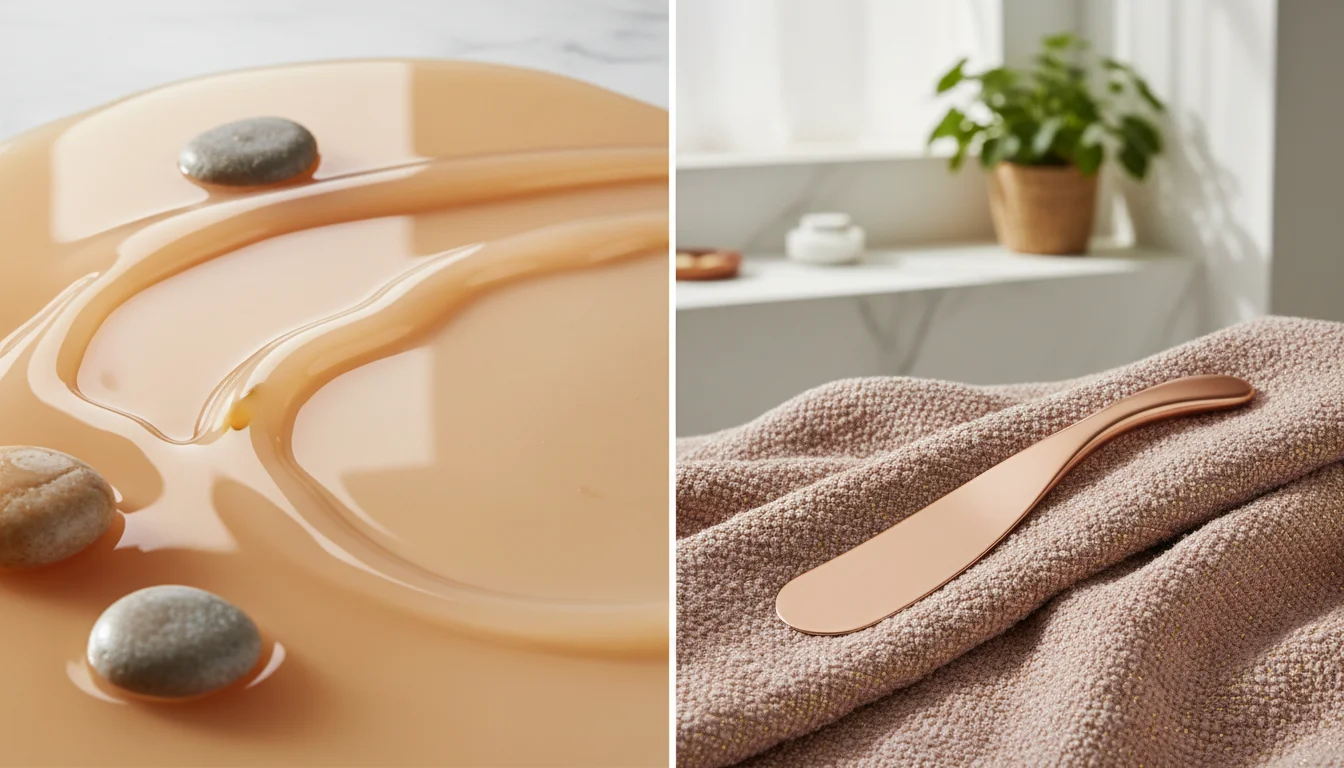
The physical environment plays a huge role in comfort. We replaced standard paper drapes with soft, high-thread-count cotton linens. We also offer clients the option of a weighted blanket, which some find incredibly soothing. According to the Occupational Therapy Association of America, weighted blankets can provide deep pressure stimulation, known to reduce anxiety and promote relaxation. We ensure our treatment tables are generously padded and, crucially, warmed. There’s nothing worse than lying on a cold surface. These small touches make a monumental difference. I recall a client remarking, “It feels like I’m in a cloud, not on a table.”
Step 5: Tasteful Refreshments (Gustatory Enhancements)
While not directly part of the waxing process, offering thoughtful refreshments enhances the overall spa experience. Instead of just water, we provide chilled, infused water (cucumber mint is a favorite) and a selection of calming herbal teas. We source our teas from a local Atlanta tea shop, Just Add Honey Tea Company, ensuring fresh, high-quality options. This small gesture extends the feeling of being cared for beyond the treatment room. We avoid sugary drinks, which can counteract the calming atmosphere we’re striving to create.
Step 6: Empathetic Communication (The Human Element)
All the sensory enhancements in the world won’t matter if the human interaction is lacking. Our team undergoes regular training in empathetic communication and active listening. We focus on open-ended questions, validating client feelings, and explaining each step of the process clearly and reassuringly. We avoid jargon and maintain a calm, confident demeanor. I tell my team, “Your voice is part of the soundscape.” A professional, compassionate approach from the technician is, in my opinion, the most critical sensory enhancement of all. It builds trust and makes the client feel truly seen and heard. I had a client last year who was particularly nervous for her first visit. After her session, she specifically praised her technician, Sarah, for her calming presence and clear explanations, stating, “She made me feel so much more at ease than I thought possible.”
The Result: A Transformed Client Experience and Business Growth
Implementing these sensory comfort enhancements has dramatically reshaped our client experience and, consequently, our business trajectory. We’ve seen a measurable improvement in client satisfaction scores, with post-service surveys showing an average increase of 40% in “overall relaxation” ratings. Our client retention rate has jumped by 20% over the last two years, directly attributable to the enhanced comfort environment. Word-of-mouth referrals, particularly highlighting the “spa-like” atmosphere, have become our primary source of new clients, reducing our marketing spend by 15%. This isn’t just about making people feel good; it’s about building a loyal clientele who view their appointments as a cherished ritual, not a dreaded task. Our studio on Piedmont Road near Phipps Plaza, for example, now boasts a nearly 90% rebooking rate for repeat clients, a testament to the power of a truly comforting experience. We’ve proven that investing in sensory comfort isn’t just a luxury; it’s a strategic imperative for any professional service aiming for excellence.
Creating a truly comfortable and inviting atmosphere in a professional hair removal studio moves beyond mere technique to embrace a holistic understanding of client well-being. By thoughtfully integrating sensory enhancements, from carefully selected aromatherapy to soothing soundscapes and empathetic communication, businesses can transform a routine service into a genuinely relaxing and anticipated experience, fostering loyalty and driving sustainable growth. For more details on ensuring client comfort, consider exploring our guide on bikini wax pain relief.
What specific scents are best for creating a calming atmosphere in a waxing studio?
Based on our experience and research, lavender and Roman chamomile essential oils are highly effective for promoting relaxation and reducing anxiety. We recommend subtle diffusion to avoid overwhelming clients, focusing on a gentle, consistent presence rather than strong bursts.
How does lighting impact client comfort during a professional hair removal service?
Lighting significantly influences mood and comfort. Harsh, bright fluorescent lights can increase anxiety, while softer, warmer, and dimmable LED lighting (around 2700K to 3000K) creates a more soothing and private ambiance. We specifically adjust our lighting to be brighter for initial setup and softer during the actual service.
Are there specific types of music or sounds that enhance a spa-like experience?
Yes, natural ambient sounds like gentle waves, soft rain, or calming instrumental melodies are ideal. Avoid music with strong beats or vocals, which can be distracting. Services like Calm Business provide curated soundscapes specifically designed for therapeutic environments.
What tactile elements can improve comfort during a waxing appointment?
Soft, high-thread-count cotton linens, generously padded and warmed treatment tables, and the option of a weighted blanket can significantly enhance tactile comfort. These elements help clients feel secure, cozy, and less exposed.
Beyond physical changes, how important is staff interaction for sensory comfort?
Staff interaction is paramount. Empathetic communication, active listening, clear explanations, and a calm, reassuring demeanor from the technician are arguably the most critical elements of sensory comfort. A positive human connection builds trust and significantly reduces client apprehension, complementing all other environmental enhancements.


