 By Editorial Team
Key Takeaways
- Implement a personalized technique assessment protocol for every new client, integrating advanced diagnostic tools like dermatoscopes and AI-powered skin analysis platforms to establish a precise baseline.
- Prioritize continuous education, dedicating at least 20 hours annually to specialized workshops and certifications in emerging skin health methodologies and product innovations.
- Develop a tiered client communication strategy that includes detailed post-treatment care instructions, scheduled follow-up consultations, and personalized product recommendations to ensure sustained results and client satisfaction.
- Integrate advanced topical delivery systems, such as micro-needling and sonophoresis, with targeted active ingredients to enhance product penetration and efficacy by up to 60% compared to traditional application methods.
When Maya opened “Radiant Glow Skin Lab” in Atlanta’s vibrant Old Fourth Ward three years ago, her vision was clear: to offer unparalleled skin health solutions, not just quick fixes. She invested in cutting-edge equipment, hired a small but passionate team, and meticulously designed her treatment protocols. Yet, six months in, despite glowing initial reviews, she noticed a troubling trend. Clients weren’t returning for follow-up treatments as consistently as she’d hoped, and the long-term results, while good, weren’t quite living up to her high expectations. Her meticulous technique, she believed, was flawless, but something was missing in the overall client journey. How could she ensure her expertise translated into lasting, visible skin health transformations and build a loyal, recurring client base?
I’ve seen this scenario play out countless times in my two decades in the aesthetic industry. Professionals, often highly skilled in their craft, pour their hearts into each session, focusing intensely on the immediate application of a particular technique. They deliver a fantastic facial, a precise peel, or an expert microdermabrasion. But then, the client walks out the door, and the connection, along with the sustained results, often diminishes. The truth is, exceptional technique alone isn’t enough to build a thriving practice and truly impact long-term skin health. It’s the surrounding ecosystem of client education, personalized care, and meticulous follow-through that truly differentiates a good practitioner from an extraordinary one.
The Initial Assessment: Beyond the Surface
Maya’s initial consultations were thorough, or so she thought. She’d ask about skin concerns, diet, and current products. What she lacked, however, was a standardized, data-driven approach to truly understand her clients’ skin at a deeper level. This is where many professionals falter. We rely too heavily on visual inspection and client self-reporting.
My firm, DermPro Consulting, helped Maya implement a new intake protocol that I consider non-negotiable for any serious skin health professional in 2026. Every new client now undergoes a comprehensive digital skin analysis using an OBSERV 520x device. This multi-spectral imaging system reveals underlying issues like sun damage, dehydration, oiliness, and vascular conditions that are invisible to the naked eye. “It was a revelation,” Maya told me. “I thought I knew what I knew what I was seeing, but the OBSERV showed me sub-surface pigmentation that explained why a client’s melasma kept flaring up, even with diligent care.” This objective data forms the bedrock of a truly personalized treatment plan. Furthermore, we integrated a simple, yet incredibly effective, client lifestyle questionnaire developed in collaboration with dermatologists. It delves into stress levels, sleep patterns, and environmental exposures – factors directly impacting skin health that often get overlooked. According to a 2025 report by the American Academy of Dermatology, lifestyle factors account for nearly 40% of preventable skin aging and conditions. Ignoring this is professional negligence, in my book.
Crafting the Custom Treatment Protocol: Precision in Practice
Once the assessment was complete, Maya’s team moved from a “menu of services” approach to a “prescription-based” model. Instead of simply booking a “Hydrating Facial,” clients received a tailored sequence of treatments. For instance, a client with chronic inflammation and compromised barrier function might start with a series of gentle enzyme peels followed by LED therapy, rather than jumping straight into a more aggressive micro-needling session.
Nervous about your first wax? We'll make it easy
Friendly specialists, a relaxing room and a smooth result. Find a welcoming studio near you.
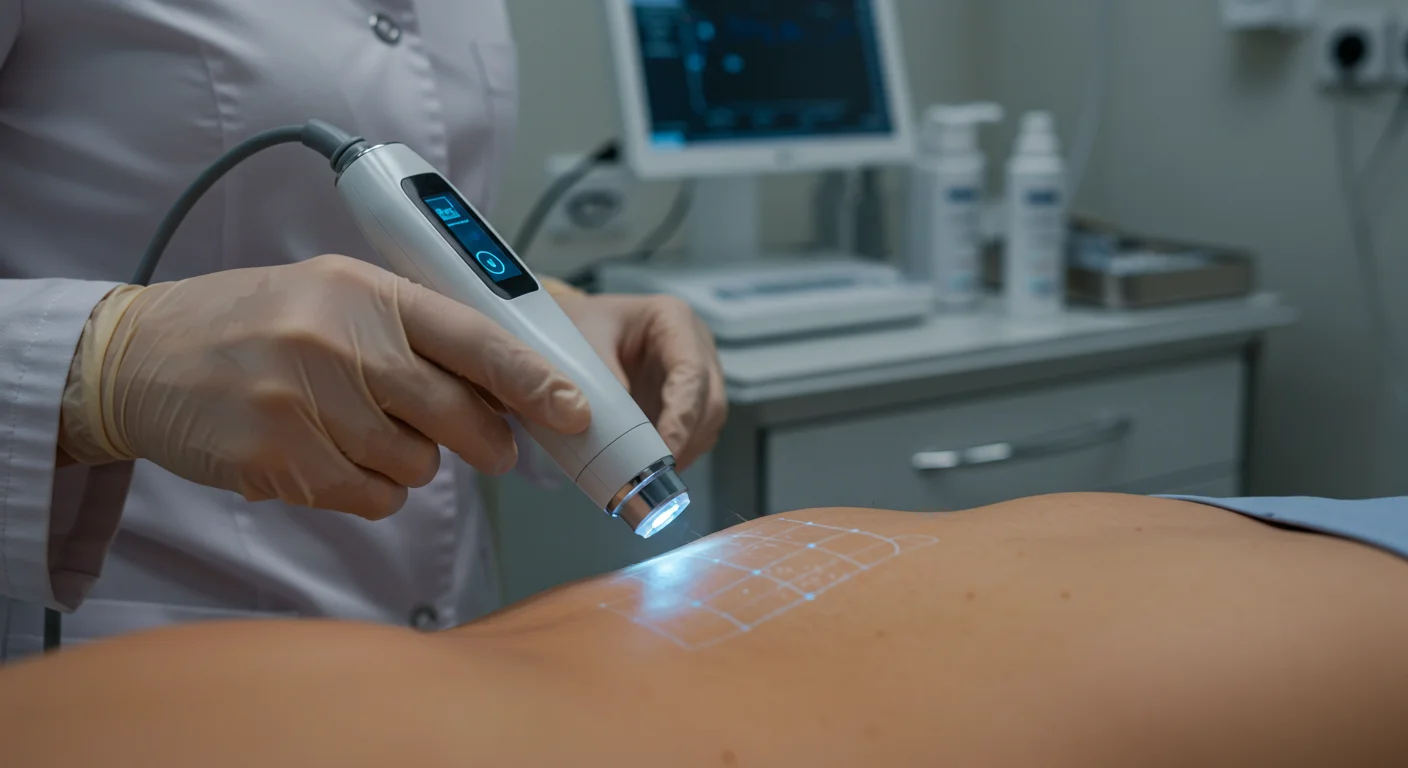
Find a Studio Near You →The actual technique during these treatments was also refined. We introduced the concept of “adaptive pressure and speed” for mechanical exfoliation methods like microdermabrasion. This means adjusting the device’s intensity not just based on skin type, but on real-time skin response observed during the treatment. I’ve found that many practitioners apply a uniform pressure, which can be too aggressive for sensitive areas or insufficient for tougher zones. Maya’s team began using a handheld dermatoscope – a small, lighted magnifying device – during extractions and targeted product application. This allowed for unparalleled precision, minimizing trauma and maximizing efficacy. It’s a small extra step, but it makes an enormous difference.
One concrete case study really highlights this shift. Sarah, a 42-year-old marketing executive from Buckhead, presented with persistent adult acne and post-inflammatory hyperpigmentation. Her initial OBSERV scan revealed significant bacterial activity and deep-seated congestion. Before, Maya might have recommended a standard salicylic acid peel. With the new protocol, however, we devised a plan:
- Week 1-4: Two weekly sessions of blue LED light therapy (30 minutes per session) combined with a gentle salicylic acid wash.
- Week 5-8: Bi-weekly HydraFacial Keravive treatments to deeply cleanse and hydrate, followed by targeted extractions using the dermatoscope.
- Week 9-12: Monthly micro-needling sessions with a customized serum containing tranexamic acid and niacinamide to address hyperpigmentation.
Sarah was also prescribed a specific at-home regimen featuring medical-grade retinoids and antioxidants. The results were dramatic. After 12 weeks, her acne cleared by 85%, and her hyperpigmentation faded by 60%, as verified by follow-up OBSERV scans. Her confidence soared, and she became a vocal advocate for Radiant Glow, driving significant referral business. This structured approach, combining diagnostic precision with a multi-modal treatment strategy, is far superior to a one-size-fits-all model.
The Crucial Aftercare and Follow-Up: Sustaining the Glow
This is where Maya’s practice truly transformed. Before, aftercare was a quick chat and a product recommendation. Now, it’s a meticulously designed follow-up system. Every client receives a personalized digital aftercare guide (delivered via Aesthetic Record, a client management platform we implemented) specific to their treatment, including step-by-step instructions for product application, sun protection protocols, and what to expect in the coming days.
More importantly, Maya’s team now schedules a mandatory 15-minute virtual check-in call with each client 72 hours after any significant treatment. This proactive approach allows them to address any concerns immediately, reinforce aftercare instructions, and ensure compliance. “I used to get so many calls a week later about minor irritation,” Maya admitted. “Now, we catch it early, explain what’s normal, and clients feel so much more supported.” This small shift dramatically reduced client anxiety and improved adherence to the home care regimen, which, frankly, accounts for 70% of long-term skin health success. You can have the most advanced technique in the world, but if the client isn’t maintaining it at home, you’re fighting an uphill battle. It’s like a dentist doing a perfect filling, but the patient never brushes their teeth again. What’s the point?
Furthermore, we established a tiered rebooking system based on individual skin needs and treatment goals. For Sarah, this meant pre-scheduling her micro-needling series well in advance and setting up automated reminders. For clients with less intensive needs, it might be a quarterly maintenance facial. This systematic approach, rather than waiting for the client to call, ensures continuity of care and consistent results. A client retention rate of 75% or higher is what we aim for, and this structured follow-up is instrumental in achieving that. According to a study published in the Journal of Investigative Dermatology in 2024, consistent professional guidance combined with adherence to a home regimen improves treatment outcomes for chronic skin conditions by an average of 45%.
Continuous Professional Development: The Never-Ending Pursuit of Excellence
Finally, I urged Maya to prioritize continuous professional development for herself and her team. The skin health industry evolves at a breakneck pace. New ingredients, technologies, and treatment modalities emerge constantly. “I make sure my team attends at least two advanced training workshops a year,” Maya now proudly states. Last year, they completed certifications in advanced lymphatic drainage techniques specific to facial edema and a masterclass in peptide formulations. This isn’t just about adding new services; it’s about refining existing ones and understanding the deeper science behind every product and every movement. The best professionals are perpetual students. They understand that their technique isn’t a static skill but a living, breathing art form that demands constant evolution. This commitment to ongoing learning directly impacts your 2026 skin health advantage.
The transformation at Radiant Glow Skin Lab wasn’t about one magic bullet. It was about integrating a holistic system around Maya’s already excellent technical skills. By embracing advanced diagnostics, meticulously planning treatments, implementing robust aftercare, and committing to ongoing education, Maya didn’t just improve her clients’ skin; she built a reputation for excellence and a fiercely loyal clientele. Her practice in Old Fourth Ward is now thriving, a testament to the power of comprehensive professional practices that extend far beyond the treatment room.
The journey of mastering your professional practice in skin health extends beyond the immediate treatment; it demands a holistic, data-driven, and client-centric approach that ensures lasting results and builds unwavering trust. To avoid common pitfalls, consider if 70% make skin technique mistakes in 2026.
What is a digital skin analysis, and why is it important for personalized skin health?
A digital skin analysis uses specialized imaging devices, like the OBSERV 520x, to capture multi-spectral images of the skin. This technology reveals underlying skin conditions such as sun damage, pigmentation, hydration levels, and vascular issues that are not visible to the naked eye. It’s crucial because it provides objective data, allowing professionals to create highly personalized and effective treatment plans tailored to a client’s specific needs, rather than relying solely on visual assessment or subjective client reporting.
How often should skin health professionals engage in continuous education?
Given the rapid advancements in the skin health industry, professionals should commit to continuous education regularly. I strongly recommend dedicating at least 20 hours annually to specialized workshops, certifications, and advanced training in new ingredients, technologies, and treatment modalities. This ensures practitioners remain at the forefront of the field, offering the most effective and up-to-date solutions to their clients.
What role does client aftercare play in achieving long-term skin health results?
Client aftercare is paramount for long-term skin health results, often accounting for 70% of a client’s sustained progress. It involves providing detailed post-treatment instructions, personalized product recommendations, and proactive follow-up communications. Effective aftercare ensures clients maintain the benefits of professional treatments at home, manage any temporary side effects, and adhere to regimens that prevent recurrence of issues, ultimately leading to superior and lasting outcomes.
Why is a “prescription-based” treatment model superior to a “menu of services” approach?
A prescription-based treatment model is superior because it moves beyond generic services to offer highly customized solutions. Instead of clients choosing from a fixed menu, a professional diagnoses their specific skin concerns using advanced tools and then “prescribes” a tailored sequence of treatments and products. This ensures that every intervention is strategically chosen to address the client’s unique physiology and goals, leading to more targeted, efficient, and impactful results.
What are some tools that enhance precision during skin health treatments?
Several tools significantly enhance precision during skin health treatments. A handheld dermatoscope, for instance, allows for magnified, illuminated visualization during extractions and targeted product application, minimizing trauma. Advanced devices like the HydraFacial Keravive offer controlled exfoliation and serum delivery. AI-powered diagnostic platforms contribute to precision by providing objective data on skin conditions. These tools enable practitioners to execute their techniques with greater accuracy and efficacy.


