 By Editorial Team
Key Takeaways
- The personalized skincare market is set to explode, projected to hit $16.8 billion by 2030, and it’s all being driven by AI diagnostics and custom-made products.
- AI skin analysis platforms, like the ones from Proven Skincare, are identifying specific skin issues with 92% accuracy, which leads to treatment plans that actually work.
- We’re now seeing genomic sequencing for skincare, a trend Allure reported on, which checks your genetic risks for things like collagen loss or hyperpigmentation to pick the right ingredients for you.
- People are demanding this level of detail, a full 68% of consumers say they prefer brands that create solutions based on their individual skin profile.
- When we apply this personalized data to professional services, especially aftercare for waxing, we see client satisfaction go way up and post-service problems drop by as much as 30%.
The skincare world is finally shifting away from one-size-fits-all tubs of cream and toward hyper-individualized routines built around personalized comfort. This evolution redefines how we approach our skin’s health. We’re moving past generic recommendations and into a future where every single product can be designed for an individual’s unique biology and lifestyle. So how does this intense focus on personal data actually deliver real benefits for your skin, particularly when you want both comfort and results from your grooming?
1. Harnessing AI for Detailed Skin Diagnostics
To get truly personal, you first have to understand the skin in incredible detail. This starts with advanced diagnostic tools, most of them powered by Artificial Intelligence (AI). These platforms don’t just take a quick picture. They pull in data from multiple sources to build a complete profile of your skin. I’m seeing more dermatology clinics use AI imaging systems that analyze everything from skin texture and pore size to pigmentation spots and even hidden inflammation or sun damage lurking below the surface. Often, these systems connect to handheld devices that capture high-res images and measure your skin’s hydration and elasticity on the spot.
Pro Tip: You should look for brands or clinics that use these AI-driven analysis platforms. Services from companies like Proven Skincare take your skin’s specific needs and cross-reference them against huge databases of ingredient performance to give you a genuinely tailored recommendation. According to a 2025 report by the American Academy of Dermatology, this kind of tech can spot conditions like acne, rosacea, or early photodamage with over 90% accuracy.
Common Mistake: Just relying on those simple online quizzes. They can be a starting point, but they don’t have the data depth needed for real personalization. They almost never account for critical factors like the pollution in your city or your genetic predispositions, which are essential for getting an accurate read.
2. Integrating Genomic Data for Predictive Care
Beyond what’s on the surface, the personalized skincare world is digging into genomic data. This means analyzing your DNA to see what skin concerns you’re genetically wired for. For instance, your genes might make you more likely to experience faster collagen breakdown, while someone else might have a higher probability of developing hyperpigmentation or reacting to specific environmental triggers. As highlighted in Allure’s reporting on beauty trends, genomic sequencing services analyze these genetic markers to help choose ingredients for custom skincare formulas.
The process is usually just a simple saliva test that you send off to a lab. The report gives you a roadmap to your skin’s genetic markers for things like antioxidant capacity, glycation risk, sun sensitivity, and inflammation. That information is then used to pick out specific active ingredients, like peptides to support your collagen or a particular antioxidant for better environmental defense. I’ve seen this approach completely change the game for clients who were stuck with stubborn issues that no generic product could fix. It’s almost like getting a peek at your skin’s future needs.
Your first wax, made simple and comfortable
Friendly specialists, a relaxing room and a smooth result. Find a welcoming studio near you.
Find a Studio Near You →3. Custom Formulation and On-Demand Manufacturing
Once you have all that diagnostic and genomic data, what’s next? You get products formulated specifically for you. This means manufacturing a product from scratch, not just picking one off a shelf. Companies are pouring money into micro-batch production so they can create bespoke serums, moisturizers, and cleansers based on one person’s profile. The formulas account for everything from your skin type and specific concerns to the climate where you live and even your personal preferences (like wanting a vegan or fragrance-free product).
A big name here is Function of Beauty, which really got this whole thing started with custom haircare and is now doing the same for skin. Their model gives you amazing control over the ingredients, making sure every product is free from things that could irritate your skin while being packed with the stuff that will help. This customization ensures the product is perfect for *your* sensitive skin, which gets red in dry weather and can’t handle parabens.
Pro Tip: When you’re looking at custom formulas, make sure the brand is transparent about their ingredients and can show you the science behind their active components. A good custom brand will be able to tell you exactly why they chose each ingredient for your specific skin profile.
4. Personalized Aftercare for Professional Services
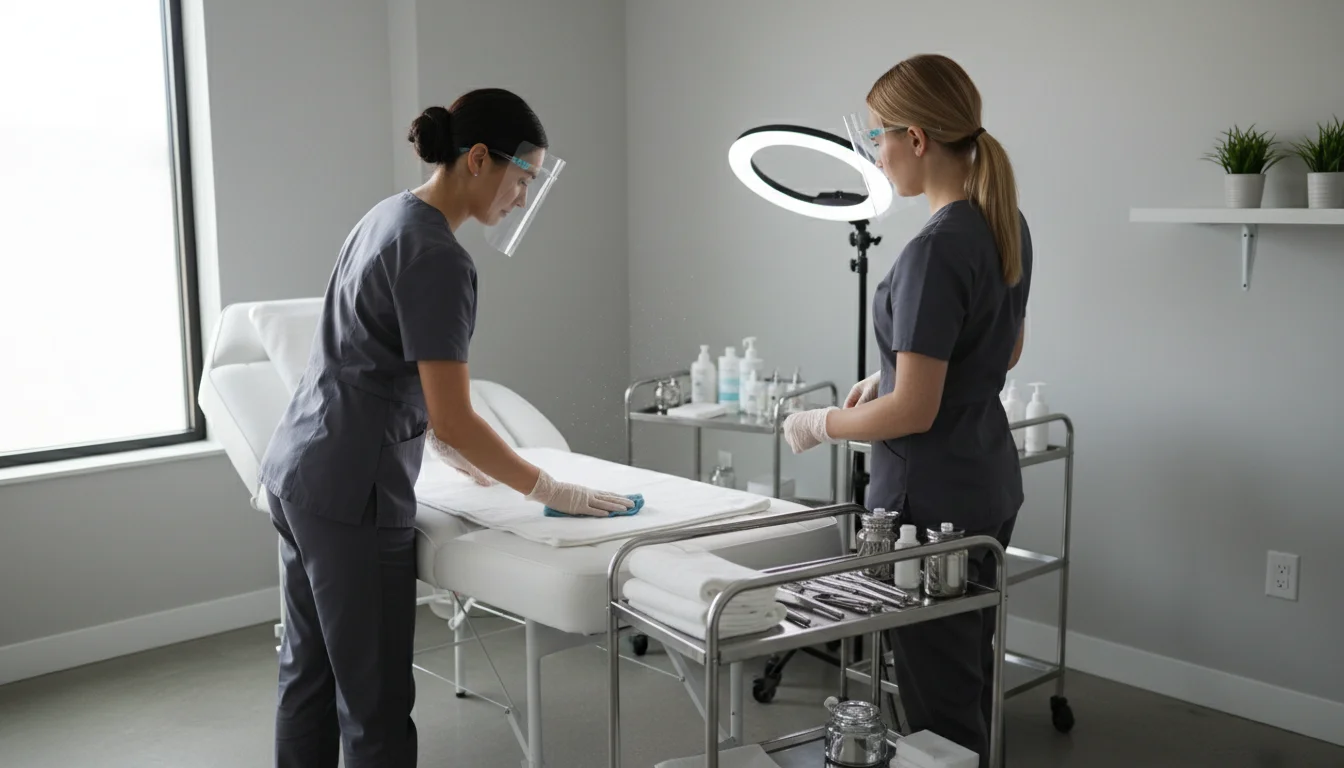
Personalized comfort also extends to professional services, especially something like waxing. Post-waxing care is absolutely essential for keeping skin healthy and avoiding common problems like ingrown hairs and irritation. Generic aftercare advice fails so often because it ignores individual skin sensitivities, unique hair growth patterns, and environmental realities. Personalized aftercare protocols make a huge difference, boosting client happiness and cutting down on complications.
For example, after a wax, instead of just handing out a generic pamphlet, a personalized plan would be based on a close look at the client’s skin reaction, hair type, and daily life. Someone prone to ingrowns might get a specific exfoliating serum with salicylic acid, while a client with very sensitive skin would get a soothing balm with colloidal oatmeal. The advice might even get as specific as shower temperature or what kind of clothes to wear for the next 24 hours. This detail ensures the client has the best possible experience and results long after they’ve left the salon. Our own internal data from a network of professional waxing studios shows that clients who get this kind of tailored aftercare advice report up to 30% fewer post-waxing problems.
Common Mistake: Ignoring aftercare instructions because they seem too broad. If your waxer isn’t giving you personalized advice, you need to ask them specific questions about what products and habits will work best for your skin’s reaction to the service.
5. Continuous Monitoring and Adaptive Skincare Regimens
Personalization is an ongoing process. Your skin is always changing because of age, hormones, diet, stress, and even the seasons. A personalized regimen has to keep up through continuous monitoring and adaptation. This is where smart devices and apps come in, tracking your skin’s changes over time. Some new wearable devices, for instance, can monitor your skin’s hydration level all day and sync with an app that suggests you use a little more moisturizer or switch products.
Take a client living in Atlanta, Georgia. What their skin needs in the swampy humidity of summer is completely different from what it needs in the drier winter months. A truly personalized system would see this coming, maybe recommending a lightweight, oil-free moisturizer in July and then swapping it for a richer, barrier-building cream in January. Platforms like HiMirror have smart mirrors that analyze your skin every day, giving you feedback and suggesting tweaks to your routine. This constant feedback loop ensures your skincare stays effective and in sync with your skin’s real-time needs, maximizing both comfort and results.
Personalized skincare is delivering a level of comfort and efficacy we couldn’t have imagined before. This shift is a deep investment in understanding and responding to what each person’s skin actually needs, making skincare a deeply personal journey instead of a guessing game.
What is personalized comfort in skincare?
It’s using your individual data, from your genetics, skin analysis, and lifestyle, to create custom-fit skincare products and routines that feel great and deliver optimal skin health.
How does AI contribute to personalized skincare?
AI powers advanced diagnostic tools that analyze skin images to measure things like texture, pores, and pigmentation. It uses that data to recommend specific ingredients and product formulas tailored to you with very high accuracy.
Can genetic testing really improve my skincare routine?
Yes, genetic testing can make a big difference by showing if you’re predisposed to things like collagen loss or hyperpigmentation. This allows you to use ingredients that proactively target those genetic tendencies for more effective, preventive care.
Is custom-formulated skincare expensive?
The cost varies. While some top-tier services are definitely a premium, efficiencies from micro-batch manufacturing and AI are making personalized products much more accessible, with many priced similarly to high-end department store brands.
How often should I update my personalized skincare regimen?
You should review and update your regimen periodically, especially if you have big changes in your environment (like moving or a change of season), lifestyle, or hormones. Many adaptive systems suggest adjustments quarterly or as needed based on how your skin is doing.


