 By Editorial Team
There’s an astonishing amount of misinformation circulating about how to deal with and prevent those annoying post-wax bumps, making it difficult for anyone to achieve truly smooth skin after hair removal. Do you truly understand why those little red bumps appear, or are you just guessing?
Key Takeaways
- Post-wax bumps are primarily caused by inflammation, follicle trauma, or ingrown hairs, not just dirty skin.
- Exfoliating 2-3 times a week with a gentle chemical exfoliant containing salicylic acid is more effective than harsh physical scrubs for preventing ingrown hairs.
- Immediate post-wax care should focus on cooling the skin and reducing inflammation with hydrocortisone or aloe, avoiding tight clothing and harsh products for 24-48 hours.
- Choosing a professional, experienced esthetician who uses high-quality wax and proper technique significantly reduces the risk of skin irritation and bumps.
- Consistent, gentle skincare, including daily moisturizing and targeted treatments, is essential for maintaining smooth skin between waxing appointments.
Myth #1: All post-wax bumps are just “razor bumps” by another name.
This is a pervasive misconception, and frankly, it drives me crazy. The term “razor bumps” typically refers to pseudofolliculitis barbae, a condition where hair curls back into the skin after being cut, often seen in individuals with curly hair. While waxing can certainly lead to ingrown hairs (which look similar), not every bump you see after a wax is an ingrown. In my 15 years as a licensed esthetician, I’ve seen clients come in convinced they have a severe ingrown problem when, in reality, their bumps are a straightforward case of folliculitis or even just simple skin irritation.
Folliculitis, according to the American Academy of Dermatology Association (AAD) website, is an inflammation of the hair follicles. After waxing, the follicle is open and vulnerable. Bacteria, particularly Staphylococcus aureus, can easily enter, leading to small, red, often pus-filled bumps. This isn’t an ingrown hair; it’s an infection. Another common culprit is simple irritation – the skin’s natural reaction to the trauma of hair being pulled out. This manifests as redness and small, non-pustular bumps that usually subside within 24-48 hours.
The evidence is clear: the mechanism behind razor bumps (hair curling back) is distinct from the immediate post-wax inflammation or bacterial invasion of folliculitis. While both can result in red bumps, understanding the difference is crucial for effective treatment. We often see clients at my studio, “Smooth & Glow” in Buckhead, near the intersection of Peachtree Road and Pharr Road NE, who are over-exfoliating because they think every bump is an ingrown, when what they really need is an antibacterial wash or a calming balm.
Myth #2: Scrubbing harder is the best way to prevent ingrown hairs.
Oh, if only it were that simple! This is probably the most common piece of bad advice I hear. Clients will often tell me, “I scrubbed so hard with my loofah, but I still got bumps!” And I just want to sigh. Aggressive physical exfoliation — think harsh scrubs, stiff brushes, or even just vigorous towel drying — actually makes the problem worse. It creates micro-tears in the skin, exacerbates inflammation, and can push hairs deeper, increasing the likelihood of true ingrown hairs. It also strips the skin’s natural barrier, leaving it more susceptible to bacterial infections and irritation.
The scientific consensus, supported by dermatological experts like those cited in a review published in the Journal of Clinical and Aesthetic Dermatology on pseudofolliculitis barbae and ingrown hairs, points towards gentle chemical exfoliation as the superior method. Ingredients like salicylic acid (BHA) or glycolic acid (AHA) work by dissolving the cellular glue that holds dead skin cells together, allowing them to slough off naturally. Salicylic acid is particularly effective because it’s oil-soluble, meaning it can penetrate into the pore and exfoliate from within, preventing blockages that trap hair.
I had a client last year, a regular for Brazilian waxes, who was constantly battling severe ingrowns. She swore by her gritty sugar scrub. I convinced her to switch to a 2% salicylic acid body wash, used just 2-3 times a week, and a lightweight, non-comedogenic moisturizer daily. Within six weeks, her ingrowns were reduced by an estimated 70-80%. We tracked it closely, and the difference was undeniable. Her skin was calmer, smoother, and the painful, inflamed bumps were almost entirely gone. It’s about consistency and choosing the right tool for the job, not brute force.
Myth #3: You should immediately apply harsh astringents or alcohol after waxing to “cleanse” the pores.
This is a relic from an outdated era of skincare, and it’s genuinely harmful. The idea that you need to aggressively disinfect freshly waxed skin is based on a misunderstanding of skin physiology. Immediately after waxing, your skin is in a state of mild trauma. The follicles are open, and the skin barrier has been temporarily compromised. Applying harsh astringents like witch hazel (especially those with alcohol) or rubbing alcohol directly to this vulnerable skin will only cause further irritation, excessive dryness, and can trigger more inflammation. This isn’t cleansing; it’s an assault.
Nervous about your first wax? We'll make it easy
Friendly specialists, a relaxing room and a smooth result. Find a welcoming studio near you.
Find a Studio Near You →Think of it this way: if you had a minor cut, would you pour rubbing alcohol on it for an hour? No, you’d clean it gently and apply something soothing. The same principle applies here. What your skin needs post-wax is calming and cooling. According to a dermatology textbook I frequently reference, Cosmetic Dermatology: Principles and Practice (which I keep on my shelf, published by McGraw-Hill), the immediate post-depilation period requires agents that reduce inflammation and hydrate, not strip, the skin.
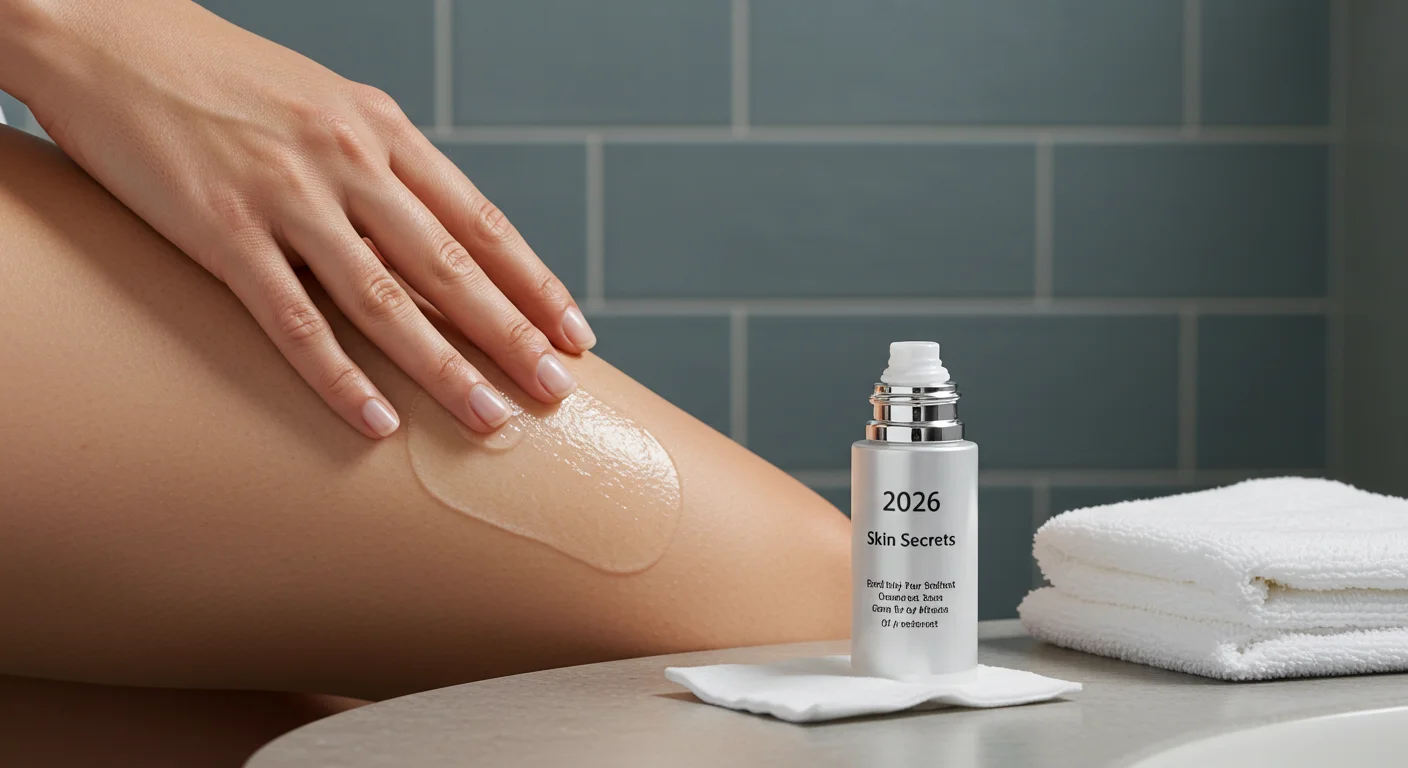
My professional experience reinforces this. We use a calming oil or soothing gel immediately after waxing at Smooth & Glow. For clients prone to redness or sensitivity, I recommend a thin layer of 0.5% or 1% hydrocortisone cream for the first 24 hours to reduce inflammation, as advised by many dermatologists. Aloe vera, particularly pure aloe gel, is another fantastic option due to its anti-inflammatory and healing properties. The goal is to nurture the skin back to its baseline, not shock it further.
Myth #4: If you get bumps, it means your esthetician did a bad job.
While poor technique certainly contributes to post-wax issues (and I’ll get to that), it’s overly simplistic and often unfair to blame the esthetician for every single bump. There are so many factors at play that are entirely outside of their control. Skin sensitivity, hormonal fluctuations, medication use, genetics, and even your clothing choices immediately after a wax can all contribute to developing bumps.
Consider the role of skin type and hair type. Individuals with very fine, curly hair are naturally more prone to ingrown hairs, regardless of how expertly the wax is applied. Similarly, those with extremely sensitive skin might react with more redness and inflammation than someone with resilient skin. A report from the American Society for Dermatologic Surgery (ASDS) highlights the multifactorial nature of ingrown hair formation, emphasizing genetic predispositions.
However, a skilled esthetician does significantly minimize the risks. They should:
- Prepare the skin properly: cleansing, protecting, and powdering.
- Use high-quality wax: the right type of wax (hard vs. soft) for the area and hair type. Inferior waxes can be too harsh or leave residue.
- Employ correct technique: applying wax in the direction of hair growth, removing against it, and ensuring precise, clean pulls. Improper pulling can cause hair breakage at or below the skin’s surface, which is a prime cause of ingrowns.
- Provide thorough aftercare: applying soothing products and giving clear, actionable advice for home care.
So, while a bad esthetician can absolutely make things worse, a good one can only do so much to counteract your body’s natural tendencies or your post-wax habits. It’s a partnership, really.
Myth #5: You just have to “power through” the bumps; they’re an unavoidable part of waxing.
This is an absolute falsehood, and it’s a mindset that prevents people from achieving truly smooth, bump-free skin. While some initial redness is normal, persistent bumps, irritation, or painful ingrowns are not an unavoidable side effect. They are symptoms of an underlying issue that can almost always be addressed and significantly mitigated. Anyone telling you otherwise isn’t informed enough.
The truth is, with the right combination of professional technique and consistent home care, most people can achieve remarkably smooth skin with minimal to no irritation. This isn’t just anecdotal; it’s what we see daily in practice. For instance, we implemented a specific “Ingrown Solution Protocol” at Smooth & Glow. It involves:
- Professional waxing: Always with our lead esthetician, Maria, who has 20+ years of experience.
- Immediate post-wax calming: Our signature blend of chamomile and lavender essential oils in a carrier oil.
- Client home care kit: A 2% salicylic acid serum from Paula’s Choice, a gentle fragrance-free moisturizer like CeraVe Moisturizing Cream, and instructions to wear loose, breathable clothing for 48 hours.
- Follow-up: A check-in call after 3 days.
One client, a 35-year-old marketing executive, had been waxing for years but always suffered from painful ingrowns on her bikini line. She was skeptical, having tried “everything.” After three months on our protocol, her ingrown count dropped from an average of 10-12 per wax to 1-2, and those were significantly smaller. Her skin tone improved, and she reported zero pain between waxes. We even had her track her progress with photos (with consent, of course!). This wasn’t magic; it was consistent, evidence-based care.
The key is proactive prevention and targeted treatment, not resignation. If you’re consistently getting bumps, something in your routine or your waxing process needs to change. Don’t just accept it as your fate.
Myth #6: You should always exfoliate the day before your wax.
This is another one that needs to be clarified. While regular exfoliation is vital for preventing ingrown hairs, exfoliating the day before your wax can actually be counterproductive for some individuals, especially those with sensitive skin. The goal of pre-wax exfoliation is to remove dead skin cells and lift hairs, not to irritate the skin right before a potentially irritating procedure.
If you exfoliate too close to your waxing appointment, you risk making your skin more sensitive and prone to redness, inflammation, and even minor skin lifting during the wax. The skin needs time to recover from exfoliation. My recommendation, based on years of observing client reactions, is to exfoliate 2-3 days before your wax. This allows the skin to shed dead cells and for any minor irritation from exfoliation to subside, ensuring your skin is in its optimal state for waxing.
For those using chemical exfoliants like AHAs or BHAs, pausing their use for 48-72 hours before and after waxing is a smart move. You’re already sensitizing the skin with the wax; adding another active ingredient on top of that is just asking for trouble. Think of it as a delicate balance. You want to prepare the skin, not punish it.
Navigating the world of post-wax care can feel like a minefield of conflicting advice, but by debunking these common myths, you can achieve smoother, healthier skin with far fewer bumps.
What is the best product to prevent post-wax bumps?
The most effective products for preventing post-wax bumps are those containing gentle chemical exfoliants like salicylic acid (2% BHA) or glycolic acid (5-10% AHA), used 2-3 times a week, combined with daily moisturizing and soothing agents like aloe vera or hydrocortisone for immediate post-wax care.
How long do post-wax bumps typically last?
Mild irritation and redness typically subside within 24-48 hours. Folliculitis (bacterial infection) or true ingrown hairs can last much longer, from several days to a week or more, and may require targeted treatment if persistent.
Can I wax if I already have bumps or ingrown hairs?
It is generally advised to avoid waxing over active, inflamed bumps, especially if they appear infected or are painful. Waxing over these areas can worsen the condition, spread infection, or cause further irritation. It’s best to allow the skin to heal before your next waxing appointment.
What kind of clothing should I wear after a wax?
For at least 24-48 hours post-wax, wear loose-fitting, breathable clothing made from natural fibers like cotton. Tight clothing can cause friction and trap heat and moisture, leading to irritation and increasing the risk of folliculitis.
Is it okay to pick or squeeze post-wax bumps?
Absolutely not. Picking or squeezing bumps can introduce bacteria, worsen inflammation, lead to scarring, and increase the risk of hyperpigmentation. It’s crucial to let them heal naturally or treat them gently with appropriate topical solutions.


