 By Editorial Team
Navigating the unique dynamic between an esthetician and their client often involves more than just technical skill; it demands a nuanced understanding of human psychology, particularly when addressing client anxiety. Many individuals approach beauty services with trepidation, a feeling that can stem from pain anticipation, body insecurity, or simply the vulnerability of the experience. How can an esthetician ensure a comfortable and reassuring environment?
Key Takeaways
- Implement a thorough, empathetic consultation process to identify and address client concerns before any service begins, establishing a foundation of trust.
- Master specific communication techniques, including active listening and clear explanations, to manage expectations and reduce perceived unpredictability during waxing services.
- Create a physically soothing environment through controlled temperature, appropriate lighting, and thoughtful product selection to enhance overall waxing comfort.
- Develop specific distraction and breathing exercises that clients can employ during sensitive procedures, empowering them to manage discomfort effectively.
- Follow up with clients post-service to reinforce positive experiences and gather feedback, which refines future interactions and builds long-term loyalty.
1. Master the Empathetic Consultation
The consultation phase is your first, and arguably most important, opportunity to mitigate client anxiety. This isn’t a quick checklist; it’s a deep dive into their concerns, expectations, and past experiences. A rushed consultation signals indifference, which only amplifies nervousness. Start by welcoming them warmly, making eye contact, and offering a comfortable seat. I always begin by asking, “What brings you in today, and what are your primary concerns?” This open-ended question encourages them to share freely.
Pro Tip: The “Tell Me More” Technique
When a client expresses a vague fear, such as “I’m worried it will hurt,” don’t dismiss it. Instead, use the “Tell me more” technique. Ask, “Could you tell me a bit more about what you’re expecting, or if you’ve had a difficult experience before?” This invites them to elaborate, providing you with specific information to address. You might discover they had a bad reaction to a certain type of wax years ago, or a previous esthetician was rough. Knowing this allows you to tailor your approach and explain how your methods differ.
Common Mistake: Over-promising Painlessness
Never promise a service will be entirely painless. This sets an unrealistic expectation. Instead, acknowledge potential discomfort and emphasize your techniques to minimize it. Say, “You might feel a quick pinch, but I’ll work efficiently, and we can take breaks if you need them.” Honesty builds trust far more effectively than false assurances.
2. Cultivate a Soothing Environment
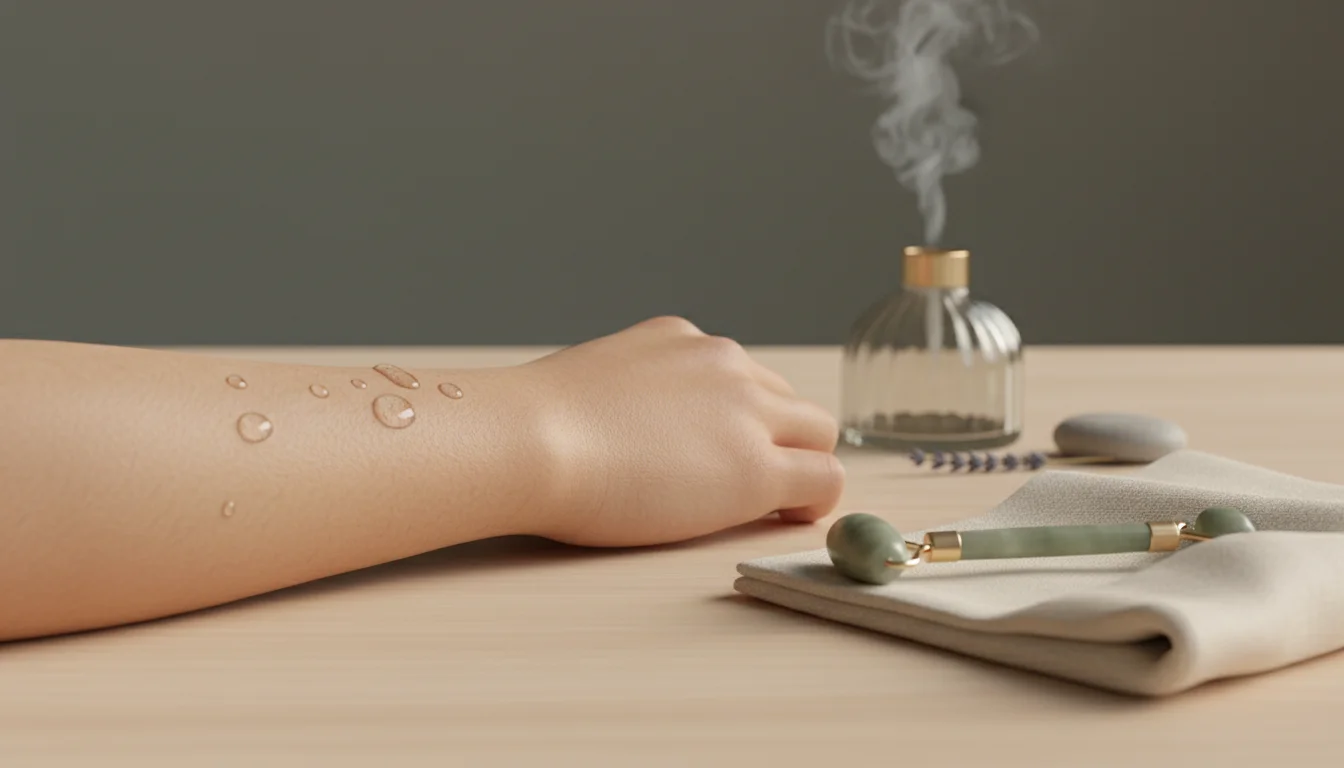
The physical space plays a significant role in a client’s emotional state. Think of your treatment room as a sanctuary. Temperature control is paramount; a chilly room makes anyone tense. Aim for a comfortable 72 to 74 degrees Fahrenheit. Lighting should be soft, not harsh fluorescent. Dimmers are a smart investment. I find a warm, diffused light helps clients relax almost immediately.
Pro Tip: The Power of Sound and Scent
Subtle background music, specifically instrumental or nature sounds, can be incredibly calming. Avoid anything with lyrics that might distract. For scent, a very light, natural essential oil diffuser can be beneficial. Lavender or chamomile are classic choices. Be extremely cautious with scents, however; strong odors can trigger allergies or headaches, exacerbating anxiety. Less is always more here. According to a 2023 study published in Complementary Therapies in Clinical Practice (https://www.sciencedirect.com/journal/complementary-therapies-in-clinical-practice), aromatherapy can significantly reduce perceived stress levels in clinical settings, a principle that extends to personal care environments.
Common Mistake: Cluttered or Unclean Spaces
A cluttered, untidy, or visibly unclean room immediately undermines confidence and creates unease. Clients are hyper-aware of hygiene in personal care settings. Ensure all surfaces are spotless, tools are organized, and fresh linens are always used. A clean space communicates professionalism and care, which directly reduces anxiety.
Nervous about your first wax? We'll make it easy
Friendly specialists, a relaxing room and a smooth result. Find a welcoming studio near you.
Find a Studio Near You →3. Implement Clear, Reassuring Communication During Service
Once the service begins, your verbal cues become critical. Talk your client through each step. Explain what you’re doing, why you’re doing it, and what they might feel. This predictability is a powerful anxiety reducer. For example, before applying wax, I’ll say, “I’m just going to apply a thin layer of pre-wax cleanser now; it feels cool and helps prepare the skin.”
Pro Tip: The Countdown Method for Waxing
When performing a waxing service, the “countdown” method is incredibly effective. Before each strip, say, “Okay, deep breath in… and out. Ready? One, two, three!” This gives the client a moment to mentally prepare and synchronizes their breathing with the action. It empowers them by giving them a sense of control over the timing. This technique aligns with principles of cognitive behavioral therapy, which emphasizes predictable routines to reduce anticipatory anxiety.
Common Mistake: Silence or Excessive Chitchat
Complete silence can feel awkward and heighten a client’s internal anxieties. Conversely, incessant, unrelated chitchat can be equally distracting and prevent them from focusing on managing discomfort. Find a balance. Engage in light, reassuring conversation, but be sensitive to their cues. If they close their eyes and become quiet, respect that as a sign they prefer a more tranquil experience.
4. Offer Distraction and Coping Mechanisms
Not every client wants to “power through” discomfort. Some benefit greatly from active coping strategies. Having options readily available shows you’re prepared for their needs.
Pro Tip: Guided Breathing Exercises
Teach a simple breathing exercise. “When I say ‘one, two, three,’ take a slow, deep breath in through your nose, hold it for a count of three, and then slowly exhale through your mouth as I remove the strip.” Practicing this once or twice before the actual waxing can make a significant difference. The focus on breath diverts attention from the sensation. Research from institutions like the American Psychological Association (https://www.apa.org/topics/stress/breathing-techniques) consistently highlights the efficacy of controlled breathing in managing acute stress and pain perception.
Pro Tip: Targeted Pressure Points
For particularly sensitive areas, you can offer to apply gentle pressure to an adjacent area immediately after removing the wax. For instance, pressing the palm of your hand firmly on the freshly waxed skin can instantly reduce the stinging sensation. This is a simple, non-invasive technique that provides immediate relief.
Common Mistake: Ignoring Client’s Non-Verbal Cues
A client’s body language often speaks volumes. Tensing up, gripping the table, or shallow breathing are all signs of increasing anxiety or discomfort. Do not ignore these. Pause, check in with them, and ask, “Are you doing okay? Would you like a moment?” This demonstrates attentiveness and care.
5. Provide Thorough Aftercare Guidance and Follow-Up
Anxiety doesn’t always end when the service does. Many clients worry about post-service reactions or how to maintain results. Clear, written aftercare instructions are essential. Don’t just tell them; give them a printed card or send a digital version.
Pro Tip: The “What to Expect” Post-Service
Explain what they might expect in the hours and days following the service. “You might see some redness or feel a bit sensitive for the next few hours. This is completely normal. If you experience X, Y, or Z, please don’t hesitate to call or text me.” This manages expectations and provides reassurance that they won’t be left guessing.
Pro Tip: Personalized Product Recommendations
Recommend specific, generic aftercare products that soothe the skin and prevent common issues like ingrown hairs. Explain the benefits of each product. For example, “An exfoliating mitt used gently a few days after waxing can help prevent ingrown hairs, and a soothing cream with aloe vera can calm any redness.” Do not use proprietary product names here; focus on generic solutions.
Common Mistake: Assuming Clients Remember Everything
Clients are often overwhelmed with information during their appointment. Assuming they will recall all your verbal aftercare instructions is a mistake. Always provide a tangible resource. A follow-up text message 24 hours later, simply asking “How are you feeling after your service yesterday?” or “Just checking in to see if you have any questions about your aftercare,” can significantly enhance their experience and demonstrate ongoing care. This small gesture builds loyalty and trust. Managing client anxiety effectively requires a blend of technical skill, empathetic communication, and thoughtful environmental design. By mastering these steps, estheticians can transform a potentially stressful experience into one that is comfortable, reassuring, and ultimately, rewarding for both client and practitioner. It’s about building a relationship where clients feel seen, heard, and cared for.
What is the most effective way to address a client’s fear of pain during a waxing service?
The most effective approach involves a combination of honest communication and active coping strategies. Acknowledge that some discomfort is possible, but immediately follow up by explaining your techniques to minimize it, such as working quickly and using high-quality products. Crucially, teach them a breathing exercise like the “countdown method” (deep breath in, exhale on the count of three as wax is removed) to give them a tangible way to manage the sensation.
How important is the physical environment in reducing client anxiety?
The physical environment is incredibly important. A clean, organized, and comfortably warm room with soft lighting immediately sets a calming tone. Subtle ambient music or a very light, natural scent can further enhance relaxation. Conversely, a cluttered, cold, or brightly lit room can heighten anxiety before the service even begins, regardless of your skill.
Should I engage in conversation during a sensitive service, or keep quiet?
Neither extreme is ideal. Complete silence can make clients feel isolated and hyper-focus on discomfort, while excessive chatter can be distracting. The best approach is balanced, reassuring conversation. Explain each step before you perform it, ask open-ended questions during breaks, and be attentive to their non-verbal cues. If they seem to prefer quiet, respect that, but always offer verbal check-ins.
What specific aftercare advice helps reduce post-service anxiety?
Providing clear, written aftercare instructions is vital. Detail what normal post-service reactions look like (e.g., redness, slight sensitivity) and for how long. Recommend generic soothing products like aloe vera or a gentle exfoliator to prevent common issues. Most importantly, give them a direct line of communication for any questions or concerns, reinforcing that your care extends beyond the appointment.
How can I build trust with a new client who is visibly nervous?
Building trust starts with an empathetic and unhurried consultation. Listen actively to their concerns without interruption. Be honest about the process and potential sensations, but emphasize your expertise in minimizing discomfort. Maintain a calm, confident demeanor, and ensure your treatment room is immaculate and inviting. Demonstrating genuine care and professionalism from the outset will significantly ease their apprehension.


