 By Editorial Team
Key Takeaways
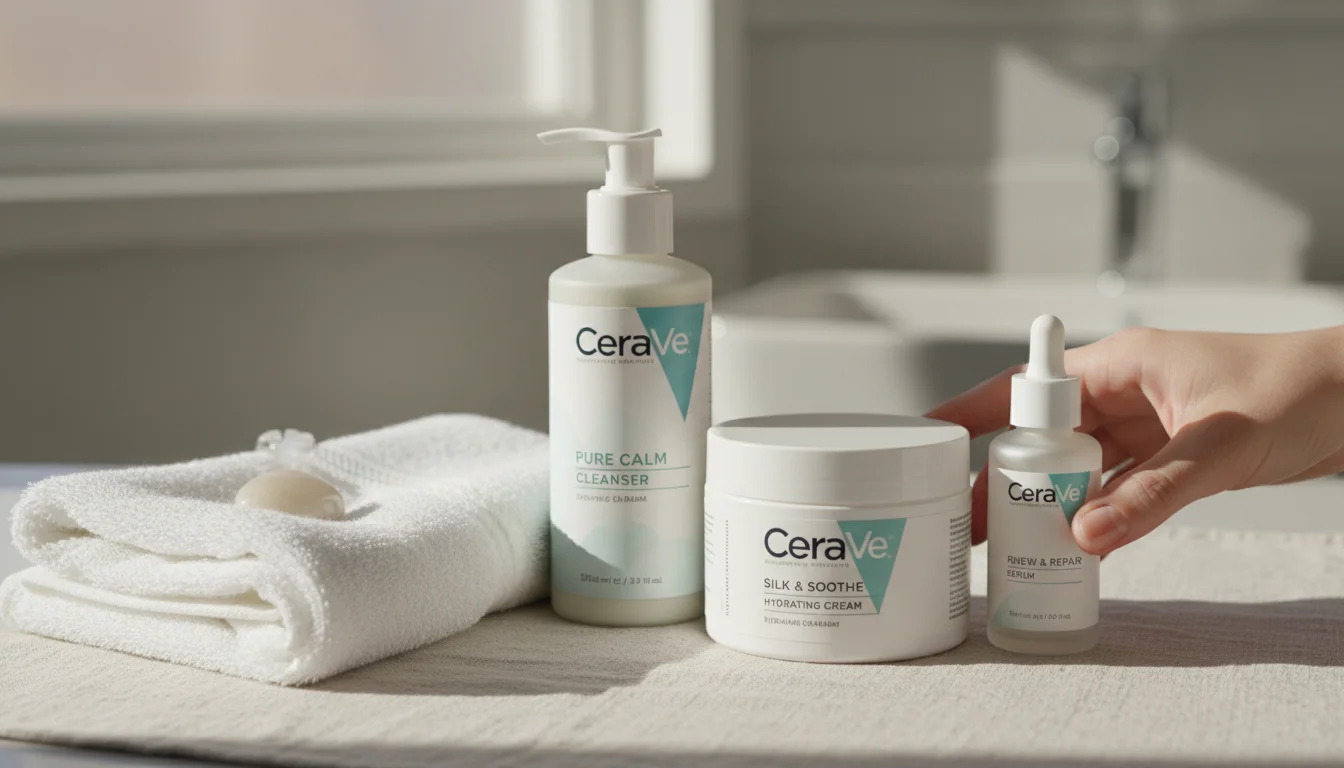
- Lots of mainstream brands like CeraVe make stuff that supports your skin barrier, which is what you need for good waxing and aftercare.
- When you’re looking at CeraVe alternatives, look for ceramides, hyaluronic acid, and niacinamide to calm and fix skin after a wax.
- Using these barrier-focused products seriously cuts down on redness, irritation, and ingrown hairs because your skin just holds up better.
- Go for fragrance-free and non-comedogenic products so you don’t accidentally cause a reaction on freshly waxed, sensitive skin.
- If you get into a consistent barrier care routine before and after you wax, your skin will get more resilient and your waxing results will improve.
A strong skin barrier is everything if you want a comfortable wax and a quick recovery. CeraVe has obviously cornered the market on this, but plenty of CeraVe competitors have great barrier care products too. You need to know how they stack up if you want to keep irritation low and your skin healthy between appointments. The right product can make routine waxing genuinely comfortable instead of a chore. So, which ones actually work?
The Science of Skin Barrier Function and Waxing
Your skin barrier, which is mostly the top layer called the stratum corneum, is your body’s front line. It protects you from junk in the environment and stops water from escaping your skin. This layer is a tough structure of skin cells (corneocytes) held together by a mix of lipids like ceramides, cholesterol, and fatty acids, but it’s not invincible. Waxing works by pulling hair out of the follicle, and when it does that, it also rips off a thin layer of surface skin cells. It’s an effective way to get rid of hair, but it definitely messes with your skin barrier. When the barrier is weak, your skin gets dehydrated, inflamed, and sensitive. All the usual post-waxing problems, redness, tenderness, even ingrown hairs, get way worse when your barrier is compromised. A 2023 report in the Journal of Clinical and Aesthetic Dermatology, for example, showed that properly restoring the barrier cuts down on trans-epidermal water loss (TEWL) after procedures that rough up the skin, which is exactly what happens with waxing. Products meant to fix this barrier work by putting back the key lipids and humectants your skin just lost. Ceramides are lipid molecules that hold skin cells together and keep it hydrated. Hyaluronic acid is a humectant that pulls moisture into the skin. Niacinamide (Vitamin B3) is anti-inflammatory and helps skin elasticity. Choosing products with these ingredients is a strategic move for your skin’s health, especially if you wax regularly.
Key Ingredients: What to Look for in Barrier Care Products
When you’re looking at barrier care options, especially for waxing, focusing on specific ingredients really does make a difference. A product’s effectiveness comes down to its formulation, and some ingredients just have a better track record for supporting the skin barrier. Ceramides: The Foundation of Barrier Repair
Ceramides are lipids that are already in your skin, forming a protective layer that holds in water. You can think of them as the mortar holding your skin cell “bricks” together. After you wax, your skin’s natural ceramide supply can get depleted, which leads to dryness and irritation. Products with a mix of ceramides (look for Ceramide NP, Ceramide AP, Ceramide EOP on the label) help put those lipids back, restoring your skin’s barrier. A 2024 study in Dermatology Research and Practice found that topical ceramides speed up barrier recovery in compromised skin which makes them a must-have for post-waxing care. Without enough ceramides, your skin can’t hold moisture or protect itself. Hyaluronic Acid: The Hydration Powerhouse
Hyaluronic acid is a humectant that can hold up to 1,000 times its weight in water. This ability makes it an amazing ingredient for pulling moisture into the skin and keeping it there, which is exactly what you need to fight post-waxing dehydration. When your skin is hydrated, it’s more flexible, less likely to flake, and heals better. The instant plumping you get from hyaluronic acid also soothes the skin and can soften any fine lines that show up when your skin is dry. Try to find products with different molecular weights of hyaluronic acid so you get hydration at multiple levels of the skin. Niacinamide: Soothing and Strengthening
Niacinamide, or Vitamin B3, is a workhorse ingredient that’s anti-inflammatory, an antioxidant, and a barrier-strengthener. It’s great for calming redness and blotchiness, making it super useful for sensitive skin after a wax. On top of that, niacinamide helps your skin produce its own ceramides and fatty acids, which strengthens the barrier from the inside out. It also improves skin tone and texture, which can help minimize any post-inflammatory hyperpigmentation you might get after waxing. Even the National Eczema Association talks about the benefits of niacinamide for a healthy skin barrier which tells you how useful it is. Other Beneficial Ingredients:
Besides those big three, look for things like glycerin (another great humectant), petrolatum or dimethicone (occlusives that create a seal to lock moisture in), and colloidal oatmeal (famous for being soothing). What should you avoid? Anything with strong fragrances, essential oils, or alcohols, those will just irritate freshly waxed skin. For sensitive, healing skin, a simpler ingredient list is almost always better.
CeraVe vs. The Field: A Comparative Look at Barrier Care Formulations
CeraVe got famous because its whole philosophy is about barrier repair, putting ceramides, hyaluronic acid, and niacinamide front and center in most of its products. Since they’re everywhere and dermatologists recommend them, they’ve become the default choice for sensitive skin. But the market is packed with CeraVe competitors that offer similar, and sometimes better, options.
The CeraVe Approach: Consistent and Accessible
CeraVe’s big selling point is its patented MVE Delivery Technology, which is just a fancy way of saying it releases moisturizing ingredients slowly over 24 hours. That kind of long-lasting hydration is great for skin that’s just been stressed out by waxing. Their classic products, like the Moisturizing Cream and Hydrating Cleanser, get recommended by derms all the time because they work and they don’t cause irritation. They’re usually fragrance-free and non-comedogenic, so they work for most people, even if you’re prone to breakouts after waxing. The brand sticks to a specific ratio of ceramides (1, 3, and 6-II) that’s supposed to mimic your skin’s natural lipid makeup to help restore the barrier. That predictability is a huge plus if you have reactive skin.
Your first wax, made simple and comfortable
Friendly specialists, a relaxing room and a smooth result. Find a welcoming studio near you.
Find a Studio Near You →Competitors Offering Similar Benefits
A few other brands have formulas that are just as good as CeraVe’s for barrier care.
- La Roche-Posay: This is a big contender. La Roche-Posay products almost always contain their thermal spring water, which is known for being soothing and having antioxidant properties. Their Toleriane Double Repair Face Moisturizer has ceramides, niacinamide, and glycerin, so it gives you comparable barrier support. A lot of people feel like La Roche-Posay’s stuff has a more elegant, luxurious texture while still being made for sensitive skin. Their Cicaplast Baume B5 is a cult favorite for intense soothing, making it perfect for calming down specific irritated spots after a wax.
- Vanicream: If you have seriously sensitive or allergy-prone skin, Vanicream is often the best choice. Their formulas are famous for what they *don’t* have: dyes, fragrance, parabens, and other common irritants. The Vanicream Moisturizing Cream is a very thick, occlusive cream that is fantastic at stopping moisture loss and protecting a damaged barrier. It doesn’t have the same “active” ingredient list as CeraVe (no niacinamide, for example), but its super simple formula means there’s almost no chance of a bad reaction. For post-waxing recovery, sometimes simple is best.
- Cetaphil: Cetaphil has been a sensitive-skin staple for ages. Their Moisturizing Cream and Gentle Skin Cleanser use ingredients like glycerin and sweet almond oil to provide good hydration and gentle cleansing without stripping your skin. They might not be as loaded with ceramides as CeraVe, but Cetaphil’s products are known for being gentle and easy to find, making them a solid choice for daily barrier upkeep and post-wax care.
- Paula’s Choice: This brand is a step up in price, but they make very sophisticated barrier repair products. Their Omega+ Complex Moisturizer, for instance, uses a mix of omega fatty acids, ceramides, and cholesterol to give your skin a full lipid replacement. It’s more expensive, but that concentrated blend of lipids can provide a real boost for skin that’s extra stressed out.
Differentiating Factors and Considerations
The main differences between these brands usually come down to texture, extra ingredients, and how the product feels on your skin. Some people love the light feeling of a La Roche-Posay moisturizer, while others need the thick, comforting feel of Vanicream on dry, irritated skin. The extra ingredients, like the thermal spring water in La Roche-Posay or the omega fatty acids in Paula’s Choice, can also make a difference depending on your specific skin issues. There’s no single “best” choice. It’s very personal. I always tell my clients to think about what their skin needs after a wax. If you get really dry, you might need a thicker, more occlusive cream. If redness and inflammation are your biggest problems, a formula with niacinamide could be the answer. The goal is to find a product that feels good, keeps your skin hydrated, and doesn’t have any irritants, no matter what brand name is on the bottle.
Pre-Waxing Preparation: Building a Resilient Barrier
A successful wax, one that’s efficient and doesn’t leave you in pain, starts way before you even get on the table. A strong, well-prepared skin barrier is less likely to get irritated, less prone to ingrown hairs, and it bounces back faster. People often skip this proactive step, but it’s just as important as aftercare. About two weeks before your appointment, start working barrier-supporting products into your daily routine. This doesn’t have to be complicated. Just be deliberate. Switch to a mild, hydrating cleanser that doesn’t strip your skin. In the days before your appointment, stop using harsh exfoliants, retinoids, or strong acids on the area you’re going to wax, since those can thin the skin and make it extra sensitive. Then, moisturize consistently. Use a barrier-focused cream or lotion twice a day. Something rich in ceramides, hyaluronic acid, and glycerin will help build up your skin’s protective layer. This pre-conditioning makes sure your skin is hydrated and its barrier is strong, so it can handle the temporary trauma of hair removal. As a bonus, well-hydrated skin lets the wax get a cleaner pull, which means less hair breakage and less irritation around the follicle. A 2025 study in the International Journal of Cosmetic Science actually showed that skin pre-treated with ceramide creams had way less redness and discomfort after a procedure compared to untreated skin. Don’t forget to hydrate from the inside, too. Drinking enough water helps your skin’s overall health, elasticity, and resilience. While creams and lotions work on the barrier from the outside, systemic hydration gives it a solid foundation. Honestly, skipping this prep phase is just a missed opportunity to make your waxing experience so much better. Your skin’s health reflects consistent care, not just damage control after the fact.
Post-Waxing Aftercare: Soothing and Restoring the Barrier
The first few hours after a wax are all about minimizing discomfort and preventing problems. Your aftercare should focus on soothing the skin, calming inflammation, and restoring the barrier that just got compromised. This is where your barrier care products really go to work.
Immediate Soothing and Protection
Right after a wax, your skin is probably going to be red and feel sensitive. Your first move should be to apply a gentle, fragrance-free, and non-comedogenic soothing product. Look for things like aloe vera, allantoin, or bisabolol to calm everything down. Most barrier creams with ceramides and hyaluronic acid are great here because they soothe and start the repair process at the same time. Don’t use anything too heavy or greasy that could trap heat or bacteria in the follicles, a lightweight lotion or gel is probably best for the first few hours. You should also wear loose clothing and avoid sweating or direct sun for at least 24 to 48 hours.
Consistent Barrier Restoration
Over the next few days, your job is to consistently restore the barrier. Keep applying your barrier repair cream or lotion twice a day. You’re trying to put back the lipids that were stripped away and reinforce your skin’s natural shield. This continuous care helps prevent dryness and flaking, and it seriously cuts down on the risk of ingrown hairs. How? When your skin barrier is healthy, it can shed dead skin cells normally instead of letting them pile up and trap new hairs. One of the biggest mistakes I see is clients stopping their barrier care as soon as the redness goes away. Your skin barrier can take several days to a week to fully heal. You have to keep applying product throughout that whole period if you want the best results. It’s non-negotiable. You could even use a rich, ceramide-heavy cream at night and a lighter hydrating lotion during the day, especially for areas that get a lot of friction from clothes.
Addressing Specific Concerns
If you’re dealing with redness that won’t quit, a product with niacinamide can really help. For areas that always get ingrown hairs, you can *carefully* introduce a very mild exfoliant like an AHA toner, but only after the initial sensitivity is gone (usually 2-3 days post-wax). And always patch test first! The main goal, though, is always barrier health. A healthy barrier is your skin’s best defense against every post-waxing problem. If you neglect it, you’re setting yourself up for longer-lasting discomfort, more sensitivity, and just a bad waxing outcome.
Choosing Your Ideal Barrier Care Routine
Picking the right barrier care products for your waxing routine is a personal thing. The basic rules apply to everyone, gentle cleansing and consistent moisturizing with ceramides, hyaluronic acid, and niacinamide. But your specific skin type, where you’re waxing, and your budget will all play a part in what you end up choosing. First, figure out what your skin’s main issue is. Is it usually dry and flaky, or is it sensitive and prone to redness? If your skin is dry, a richer cream with more emollients and occlusives is probably what you need. If it’s sensitive, you should look for simple formulas without a lot of potential irritants, even if it means fewer “active” ingredients. For reactive skin, more is not always better. Think about the area you’re waxing, too. For your legs or back, you’ll probably want a big, affordable tub of lotion you can slather on. For your face, you might want a lighter, non-comedogenic formula that won’t cause breakouts. Texture also matters. Do you like a gel-cream that absorbs quickly, or do you prefer the comforting feel of a thick balm? Finally, you can’t underestimate consistency. The best barrier repair cream in the world won’t do much if you only use it once in a while. You have to work it into your daily routine, both before and after your waxing appointments. That means gentle cleansing and moisturizing twice a day, every day. It’s a long-term commitment to your skin’s health. If you can, get samples and see how your skin reacts over a few days. The right routine will leave your skin feeling calm, hydrated, and strong, which makes the whole waxing process much more pleasant. When your skin barrier is in good shape, waxing is a much smoother experience, literally. Prioritizing products that protect and replenish your skin’s defenses will cut down on irritation and help you heal faster, keeping your skin healthy and resilient.
What ingredients should I prioritize in barrier care products for waxing?
Focus on products with ceramides, hyaluronic acid, and niacinamide. These are your go-to ingredients for rebuilding the skin’s barrier, adding hydration, and calming down inflammation after a wax.
How soon before waxing should I start a barrier care routine?
You should start using barrier-supporting products about two weeks before your waxing appointment. This gives your skin enough time to get well-hydrated and strong, which helps minimize sensitivity during the wax.
Can barrier care products prevent ingrown hairs after waxing?
It’s not a direct cure, but yes, it helps a lot. A healthy skin barrier allows your skin to shed cells properly and reduces inflammation, which significantly lowers the chances of getting ingrown hairs because new hairs can grow out easily.
Are there any ingredients to avoid in barrier care products for freshly waxed skin?
Yes. Right after waxing, stay away from products with strong fragrances, essential oils, drying alcohols, and harsh exfoliants. They can all make irritation worse and slow down your barrier’s recovery.
How long should I continue using barrier care products after waxing?
Keep applying your barrier care products consistently for at least 3 to 7 days after you wax, or until your skin feels completely back to normal. This ensures your barrier fully recovers and stays healthy.


