 By Editorial Team
Maria, a vibrant fashion influencer with a large following in Atlanta, contacted me last spring, her voice tinged with frustration. She’d just had a disastrous waxing experience at a new salon near Ponce City Market, leaving her with significant post-inflammatory hyperpigmentation on her legs. For someone whose career depended on flawless skin, this was a major setback. Her story isn’t unique; many individuals with melanin-rich skin tones face unique challenges in waxing, from understanding their skin’s specific needs to preventing complications like hyperpigmentation. This is why understanding the nuances of waxing skin tones is not just good practice, it’s essential for expert results. How can we ensure every client, regardless of their skin’s natural pigment, achieves a smooth, radiant finish without adverse effects?
Key Takeaways
- Always perform a thorough client consultation, including a patch test, to identify skin sensitivity and potential for hyperpigmentation before any waxing service.
- Utilize only high-quality hard wax formulations that adhere solely to the hair, not the skin, to minimize trauma, especially for individuals prone to ingrown hairs and discoloration.
- Implement a strict pre- and post-waxing skincare regimen, emphasizing gentle cleansing, exfoliation with BHAs, and consistent hydration to prevent common complications.
- Educate clients with darker skin tones on the critical importance of daily SPF 30+ application to waxed areas to prevent and manage post-inflammatory hyperpigmentation.
The Challenge of Melanin and Trauma Response
Maria’s situation perfectly illustrates a common issue: the heightened risk of post-inflammatory hyperpigmentation (PIH) in clients with more melanin. Melanin-rich skin, by its very nature, is more prone to producing excess pigment in response to inflammation or trauma. Think about a mosquito bite or a minor scratch; for many, it fades, but for others, it leaves a dark spot that can linger for months. Waxing, by its very mechanism, creates a controlled trauma. When not executed with precision and appropriate products, this trauma can trigger an overproduction of melanin, leading to those stubborn dark spots.
My first step with Maria was a detailed consultation, something I insist on with every new client, especially when addressing previous negative experiences. We discussed her skin history, previous waxing methods, and her at-home skincare routine. She admitted the previous salon hadn’t done a patch test, nor had they inquired about her skin’s specific sensitivities. This is a cardinal sin in our industry. A proper consultation, as outlined by the National Coalition of Estheticians, Manufacturers/Distributors & Associations (NCEA) guidelines, is your first line of defense against complications. It’s where you identify potential contraindications and tailor your approach. I always tell my team: “No two skins are alike, and no two waxing sessions should be identical.”
Choosing the Right Wax: A Non-Negotiable
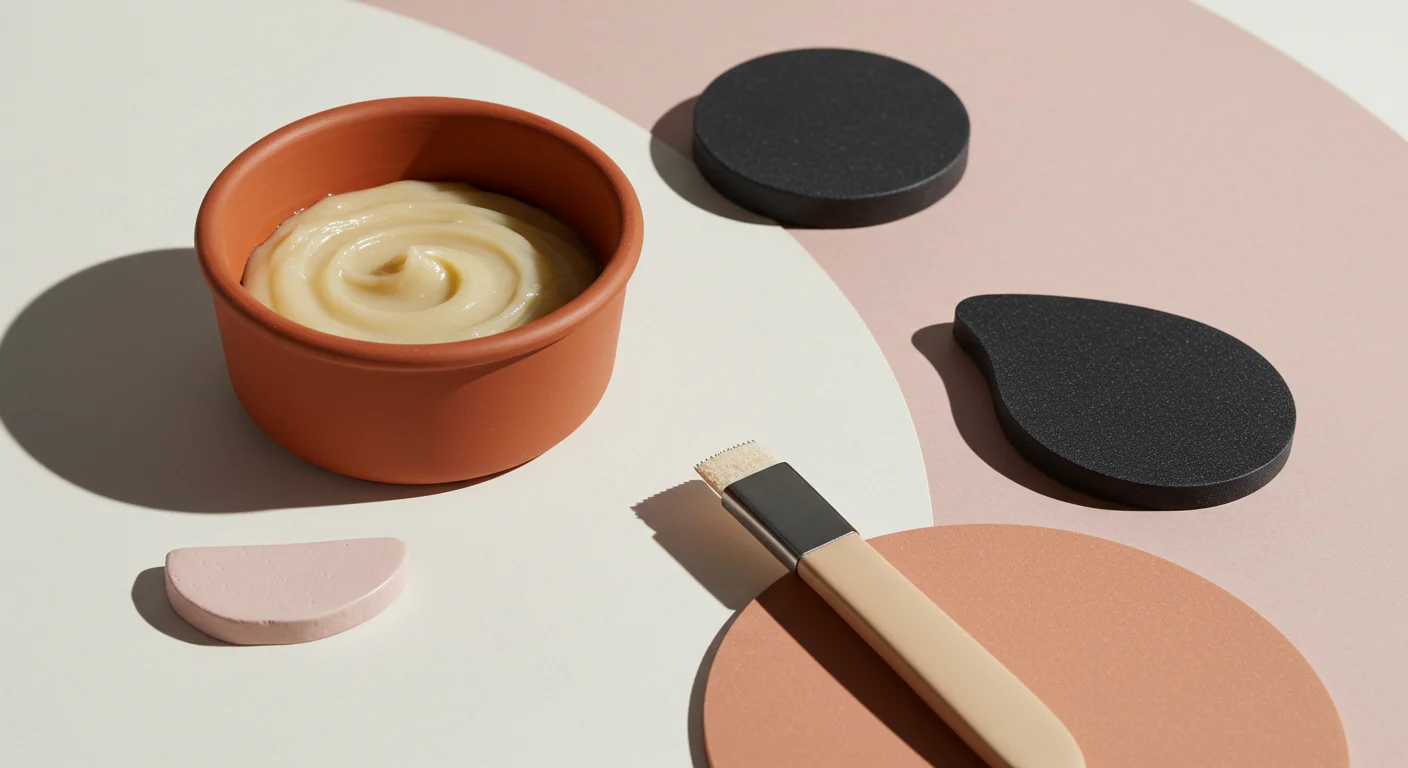
For individuals with skin types prone to PIH, the type of wax used is paramount. I am an absolute advocate for hard wax, especially for sensitive areas and clients with darker skin tones. Why? Hard wax encapsulates the hair, lifting it directly from the follicle without adhering significantly to the skin itself. This dramatically reduces skin trauma compared to strip wax, which can pull at the skin, causing unnecessary irritation and, consequently, inflammation. We’ve seen clients come in with significant bruising and tearing from improper strip wax application, which is simply unacceptable. A study published in the Journal of Clinical and Aesthetic Dermatology emphasizes the importance of minimizing trauma in skin of color to prevent pigmentary changes.
I had a client last year, a professional dancer named Chloe, who came to me after struggling with ingrown hairs and persistent dark spots on her bikini line for years. She’d been using strip wax at home and at various salons. After switching her to a high-quality hard wax and implementing a consistent post-care routine, her ingrown hairs diminished by 80% within three months, and her hyperpigmentation began to visibly lighten. This wasn’t just anecdotal; we took progress photos every four weeks, and the visual evidence was compelling. It proved that the right product, applied correctly, makes all the difference.
Nervous about your first wax? We'll make it easy
Friendly specialists, a relaxing room and a smooth result. Find a welcoming studio near you.
Find a Studio Near You →The Art of Application and Removal
Beyond the wax type, the technique of application and removal is critical. For darker skin tones, I emphasize a few key principles:
- Temperature Control: The wax must be at the optimal temperature. Too hot, and you risk burns, which are a direct path to hyperpigmentation. Too cool, and it won’t adhere properly, leading to multiple applications and increased irritation.
- Precise Application: Apply wax in small, manageable sections. This allows for better control and ensures even cooling and setting, which is vital for a clean lift.
- Swift, Confident Removal: This is where true expertise shines. A quick, confident pull, parallel to the skin, minimizes discomfort and reduces the likelihood of skin lifting or bruising. Hesitation is your enemy here.
- Skin Support: Always hold the skin taut during removal. This simple step prevents unnecessary pulling on the skin, reducing trauma and pain.
I remember training a new esthetician once, and she was struggling with removal. Her pulls were slow and tentative. I told her, “Think of it like a bandage. You rip it off quickly, not peel it slowly.” It clicked for her, and her technique improved dramatically. This isn’t about being rough; it’s about being efficient and reducing the skin’s exposure to stress.
Pre- and Post-Waxing Skincare: The Unsung Heroes
Maria’s previous salon had sent her home with no specific aftercare instructions. This is a massive oversight. For all clients, but especially those prone to hyperpigmentation, a robust pre- and post-waxing regimen is non-negotiable. I mean it. It’s like building a house without a foundation; it’s just going to crumble. Here’s what I recommend:
Pre-Waxing Preparation
- Gentle Exfoliation: 24-48 hours before waxing, a mild exfoliant containing salicylic acid (BHA) can help prevent ingrown hairs by keeping follicles clear. I often recommend a gentle salicylic acid cleanser. The American Academy of Dermatology Association advocates for chemical exfoliants over harsh physical scrubs, especially for sensitive skin.
- Clean Skin: Always start with clean, dry skin. Any oils or lotions can interfere with wax adhesion.
Post-Waxing Care
- Soothing Products: Immediately after waxing, apply a calming, anti-inflammatory product. Ingredients like aloe vera, chamomile, or colloidal oatmeal are excellent.
- Prevent Ingrown Hairs: Continue with gentle exfoliation (BHA-based products are my favorite) a few days after waxing, once the initial redness subsides. This prevents dead skin cells from trapping new hair growth. For more detailed strategies, consider our Ingrown Prevention: Your 2026 Serum Strategy.
- Hydration: Keeping the skin hydrated is crucial for its overall health and barrier function. Use a fragrance-free, non-comedogenic moisturizer daily.
- Sun Protection: This is perhaps the most critical step for preventing PIH. Freshly waxed skin is more susceptible to sun damage. Clients with melanin-rich skin must use a broad-spectrum SPF 30 or higher on all waxed areas, every single day, without fail. I drill this into my clients. The sun will absolutely darken any existing or potential hyperpigmentation. The Skin Cancer Foundation recommends daily sunscreen use year-round.
Maria followed my advice religiously. Within six weeks, the dark spots on her legs had significantly lightened, and she was able to confidently post her fashion content again. We even collaborated on an Instagram Live session discussing proper waxing aftercare, which reached thousands of her followers. Her success story wasn’t just about my technique; it was about her commitment to the prescribed aftercare, especially the daily SPF. That’s the power of client education.
Addressing Existing Hyperpigmentation
For clients like Maria who already present with PIH, our approach needs to be twofold: prevent further discoloration and actively work to lighten existing spots. While waxing itself won’t lighten PIH, proper technique prevents worsening it. For lightening, I often recommend incorporating products with ingredients like niacinamide, alpha arbutin, vitamin C, or kojic acid into their daily routine. These ingredients work to inhibit melanin production or break down existing pigment. It’s a marathon, not a sprint, and consistency is key.
I also advise clients to be patient. Pigmentation issues don’t resolve overnight. It can take several weeks to months to see noticeable improvement. Over-exfoliating or using harsh products can actually worsen the problem, so a gentle, consistent approach is always best. Sometimes, for very stubborn cases, I refer clients to a dermatologist for prescription-strength treatments, but for most, diligent at-home care and proper waxing techniques are sufficient.
The Expert’s Responsibility: Education and Empowerment
Ultimately, as waxing professionals, our role extends beyond simply removing hair. We are educators, skin health advocates, and problem-solvers. We must empower our clients with the knowledge and tools they need to maintain healthy, beautiful skin. This means being transparent about potential risks, especially for diverse skin tones, and providing clear, actionable advice. Don’t assume your client knows anything about skin care. Explain everything. And if you don’t know the answer to a question, find it or refer them to someone who does. That’s what builds trust and establishes you as a true expert.
When you prioritize understanding the unique needs of different waxing skin tones, particularly those prone to hyperpigmentation, and combine that knowledge with superior products and meticulous technique, you create a service that isn’t just about hair removal, but about enhancing skin health and client confidence. This is the true hallmark of an expert advice driven practice.
Why are individuals with darker skin tones more prone to post-inflammatory hyperpigmentation (PIH) after waxing?
Melanin-rich skin naturally contains more melanocytes, the cells responsible for producing pigment. When this skin experiences trauma or inflammation, such as from waxing, these melanocytes can overproduce melanin, leading to dark spots that linger long after the initial irritation subsides.
What type of wax is best for sensitive skin or skin prone to hyperpigmentation?
Hard wax is generally recommended for sensitive skin and those prone to hyperpigmentation. It adheres primarily to the hair, not the skin, minimizing trauma and reducing the likelihood of irritation and subsequent pigment changes compared to traditional strip wax.
Can I wax if I already have existing hyperpigmentation?
Yes, you can wax with existing hyperpigmentation, but it’s crucial to ensure your esthetician uses proper techniques and products to prevent worsening the condition. A thorough consultation and a gentle approach are key. For lightening existing spots, a consistent skincare routine with pigment-reducing ingredients and daily SPF is essential.
What specific ingredients should I look for in post-waxing products to prevent PIH?
Look for soothing ingredients like aloe vera, chamomile, or colloidal oatmeal to calm the skin. For preventing ingrown hairs and gentle exfoliation, salicylic acid (BHA) is highly effective. Most importantly, use a broad-spectrum SPF 30 or higher daily on waxed areas to prevent UV exposure from darkening any potential PIH.
How long does it take for post-inflammatory hyperpigmentation to fade after waxing?
The fading time for PIH varies greatly depending on the individual, the depth of the pigmentation, and the consistency of treatment. It can take anywhere from several weeks to several months, and sometimes even longer, for spots to fully fade. Patience and diligent skincare are crucial for optimal results.


