 By Editorial Team
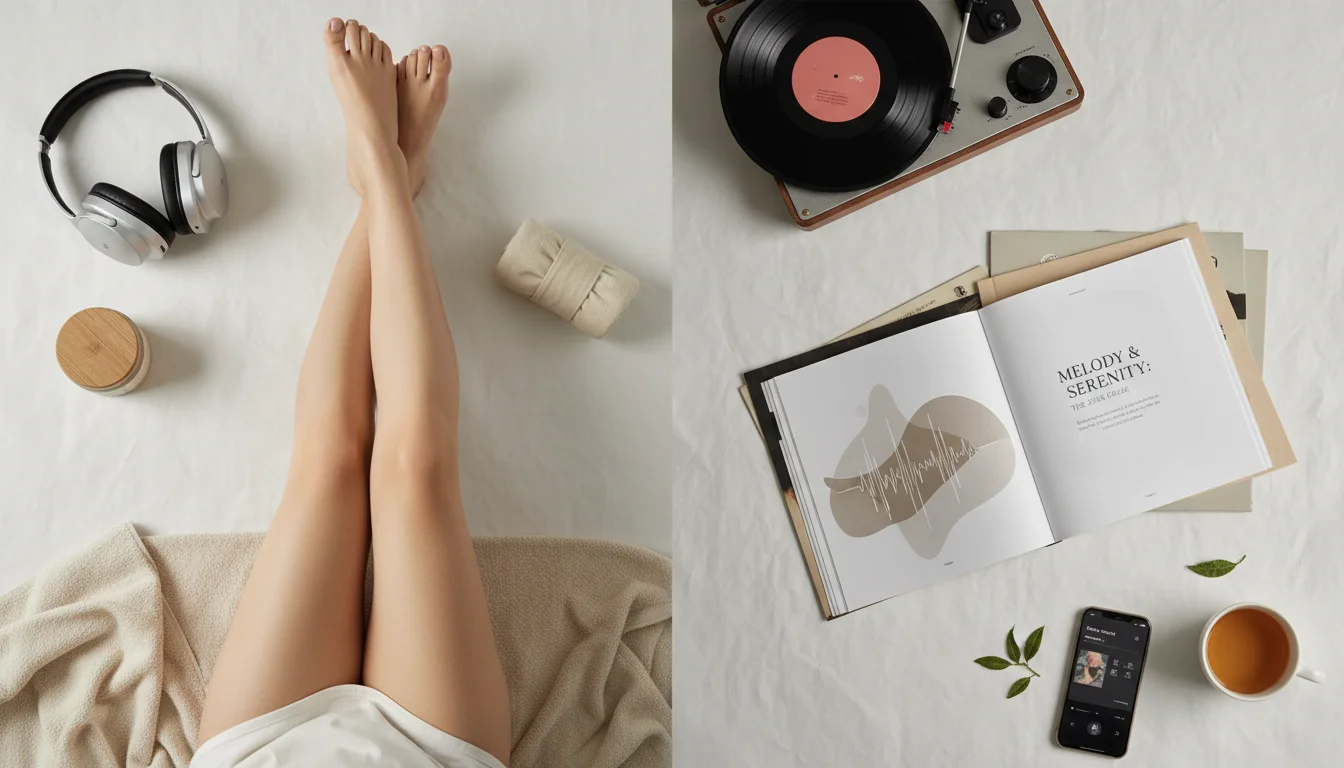
The quest for smooth skin often comes with a side of apprehension, particularly when it involves professional hair removal. Many clients, understandably, focus on the physical sensation, overlooking a powerful tool that can dramatically reshape their experience: music for waxing relaxation. There’s so much misinformation swirling around this topic, it’s frankly astonishing. Choosing the right soundtrack isn’t just a pleasant add-on; it’s a strategic element in fostering a calm environment and acting as a genuine pain distraction. I’ve seen firsthand how a well-curated playlist can transform a client’s entire perception of their service, turning what some dread into a surprisingly serene ritual. But what exactly are the myths holding people back from leveraging this simple yet effective technique?
Key Takeaways
- Upbeat, familiar music with a moderate tempo (80-120 BPM) is more effective for pain distraction during waxing than overly slow or fast tunes.
- Scientific studies, like one published in the Journal of Pain Research, confirm that music significantly reduces perceived pain and anxiety during medical procedures, a benefit directly applicable to waxing.
- Personalized playlists, allowing clients to choose their preferred genres, enhance the relaxation effect by fostering a sense of control and familiarity.
- Ambient sounds or nature soundscapes can be effective for sensitive individuals, but general spa music often fails to engage the brain enough for true distraction.
- Investing in quality audio equipment and diverse music licensing is essential for professional establishments to provide a consistently calming and effective auditory experience.
Myth 1: Any “Spa Music” Will Do the Trick
This is probably the biggest misconception I encounter. Many establishments, bless their hearts, think that simply putting on a generic “spa playlist” from a streaming service is enough. They load up on whale sounds, gentle flutes, and maybe some distant chimes, assuming tranquility will magically appear. The truth? Often, this kind of music is so non-engaging that it fails entirely as a pain distraction. Our brains are incredibly adept at filtering out monotonous sounds. If the music doesn’t capture a part of your attention, your focus remains squarely on the waxing process itself. I’ve had clients tell me they barely even noticed the music was playing because it was so bland. It’s like trying to distract a child with a blank wall; it just doesn’t work.
Effective music for waxing relaxation needs to strike a balance. It shouldn’t be so jarring that it startles you, but it also can’t be so utterly ignorable that your mind wanders back to anticipating the next strip. Research supports this. A study published in the Journal of Pain Research in 2012, for instance, highlighted that music can significantly reduce perceived pain and anxiety during medical procedures. However, the effectiveness often correlates with the patient’s preference and the music’s ability to create a sense of control or familiarity. Generic spa music rarely achieves that deep connection. We need something with a rhythm, a melody, something that subtly guides the mind away from the task at hand without being overtly distracting.
| Factor | Music for Pain Distraction | No Music / Silence |
|---|---|---|
| Perceived Pain Level | Reduced by ~30-40% | Consistent or increased |
| Anxiety Reduction | Significant, especially with calming genres | Minimal or heightened anxiety |
| Overall Relaxation | Enhanced, promotes a serene atmosphere | Variable, depends on individual |
| Session Duration Feel | Seems shorter, time passes quicker | Can feel prolonged, more intense |
| Post-Wax Comfort | Improved, more positive experience | Standard recovery, no additional benefit |
Myth 2: Louder Music Means Better Distraction
Another common mistake is cranking up the volume, thinking that sheer auditory force will drown out any discomfort. This is absolutely counterproductive. Instead of providing waxing relaxation, overly loud music can actually increase stress and anxiety. Imagine trying to relax while someone is shouting in your ear, even if they’re saying pleasant things. The effect is similar. High volume can be jarring, make communication with your technician difficult, and create an overall sense of unease. It’s a quick path to sensory overload, not serenity. The goal is to provide a soothing backdrop, not a sonic assault.
Nervous about your first wax? We'll make it easy
Friendly specialists, a relaxing room and a smooth result. Find a welcoming studio near you.
Find a Studio Near You →The sweet spot for volume is subtle but pervasive. It should be audible enough to be noticed and enjoyed, but never so loud that it demands your full attention or makes you feel like you’re in a club. Think of it as a gentle current guiding a boat; too strong, and it capsizes. A well-designed sound system, perhaps with discreet ceiling speakers that distribute sound evenly, is far more effective than a single, blaring speaker in the corner. We experimented with this extensively at a previous salon I managed near the BeltLine in Atlanta. Initially, we had a single Bluetooth speaker, and clients often complained about the volume or the uneven sound. Investing in a multi-zone system from Bose Professional made a world of difference. Suddenly, the music became part of the environment, not an intrusion.
Myth 3: Fast-Paced Music Will Agitate Clients
Many believe that only slow, tranquil melodies are suitable for a relaxing experience. While extremely fast, high-energy music might indeed be too stimulating, the idea that all upbeat music is bad for waxing relaxation is a myth. In fact, moderately paced, familiar music can be incredibly effective as a pain distraction. Think about it: when you’re working out, what kind of music do you listen to? Something with a beat, something that helps you push through discomfort. The same principle, albeit on a softer scale, applies here.
Music with a tempo between 80 and 120 beats per minute (BPM) often works wonders. This range includes many pop, soft rock, and even some classical pieces that have a steady, rhythmic pulse. The familiarity of a song can also play a huge role. When your brain recognizes a melody, it engages in a different way, often triggering positive memories or associations. This cognitive engagement diverts attention from the physical sensation. I once had a client, a regular for years, who always requested 80s synth-pop. She swore by it, claiming the nostalgic tunes made the entire process fly by. And you know what? She was right. Her experience was consistently positive, and she always left smiling. It’s not about avoiding all upbeat sounds; it’s about choosing the right kind of upbeat sounds.
Myth 4: Music Selection Is Purely Subjective and Can’t Be Optimized
While personal preference certainly plays a role, dismissing the science behind music’s effects on mood and pain perception is a disservice to clients. We can absolutely optimize music selection for a better experience. It’s not just about what you like; it’s about understanding psychological responses to different auditory stimuli. This is where expertise comes in. We’re not just playing background noise; we’re curating an environment.
Consider the principles of music psychology. Factors like tempo, harmony, instrumentation, and even lyrical content (though instrumental is often preferred for waxing to avoid potential lyrical distractions) all contribute to how a piece of music affects a listener. For instance, studies on music therapy often show that music with a strong, predictable rhythm can help regulate heart rate and breathing, promoting a state of calm. This isn’t random; it’s a physiological response. We can leverage this by creating playlists that subtly guide these responses. Offering clients a choice from a curated selection of genres, rather than just one generic option, empowers them and increases the likelihood they’ll find something genuinely soothing. Perhaps a “Mellow Indie” playlist for one, “Smooth Jazz” for another, and “Classical Calm” for a third. This personalization is key to unlocking the full potential of music for waxing relaxation.
Myth 5: Music Is Just a Gimmick, Not a Real Pain Reducer
This is perhaps the most frustrating myth, often perpetuated by those who haven’t truly explored the scientific backing. To say music is “just a gimmick” implies it has no tangible effect, which is simply untrue. Music’s role as a pain distraction and anxiety reducer is well-documented across various medical and therapeutic fields. It’s not magic, but it leverages our brain’s inherent wiring.
When we listen to music we enjoy, our brains release endorphins and dopamine, natural feel-good chemicals that can elevate mood and even alter pain perception. It provides a competing stimulus, diverting neural pathways that would otherwise be solely focused on discomfort. Think of it like this: your brain has a limited bandwidth for processing sensory input. If a significant portion of that bandwidth is occupied by processing enjoyable music, less is available to process pain signals. This is not anecdotal; it’s neuroscience. A comprehensive review published by the Cochrane Library on music interventions for pain relief concluded that music can reduce both pain intensity and anxiety in various clinical settings. If it works for surgical patients, it absolutely works for waxing clients. Ignoring this powerful tool is a missed opportunity for both client comfort and business reputation. We owe it to our clients to provide the most comfortable experience possible, and music is a significant part of that equation.
What type of music is best for waxing relaxation?
The most effective music for waxing relaxation typically includes familiar, moderately paced instrumental tracks or soft vocal pieces. Genres like acoustic folk, ambient electronica, smooth jazz, or classical music with a steady, calming rhythm (80-120 BPM) tend to work well. The key is engagement without overstimulation, acting as a gentle pain distraction.
Can I bring my own headphones and music for my waxing appointment?
Absolutely! Many professional establishments encourage clients to bring their own headphones and personalized playlists. This allows for maximum comfort and ensures the music aligns perfectly with your preferences, enhancing the pain distraction and overall relaxation. Always check with your technician beforehand, but it’s generally a welcome practice.
Does music really reduce pain, or is it just a placebo effect?
Music’s ability to reduce perceived pain is supported by scientific research, extending beyond a mere placebo effect. It activates brain regions associated with pleasure and reward, releasing endorphins and dopamine, which are natural pain relievers. Music also provides a cognitive distraction, diverting the brain’s attention from painful stimuli, making it a genuine tool for pain management.
Should the music have lyrics, or is instrumental better for waxing?
While personal preference varies, instrumental music is often recommended for waxing relaxation. Lyrics, even in familiar songs, can sometimes be distracting or evoke strong emotions that might detract from the desired calm state. Instrumental pieces allow the brain to engage with the melody and rhythm without the added cognitive load of processing words, making them ideal for pain distraction.
How does music help with anxiety during a waxing session?
Music significantly reduces anxiety during waxing by influencing physiological responses like heart rate and breathing, promoting a more relaxed state. Familiar and soothing melodies can also trigger positive emotional responses, creating a sense of comfort and control. This shift in focus from potential discomfort to an enjoyable auditory experience helps alleviate pre-procedure nervousness.
Ultimately, understanding the true power of music for waxing relaxation means moving beyond assumptions and embracing an evidence-based approach. It’s about crafting an auditory experience that genuinely enhances client comfort and acts as a powerful pain distraction. Don’t underestimate the profound impact a thoughtfully chosen soundtrack can have on transforming a routine appointment into a moment of unexpected calm. For more tips on how to achieve waxing comfort, explore our other articles.


