 By Editorial Team
Sarah, a vibrant entrepreneur running a bustling boutique in Buckhead, Georgia, always prided herself on looking polished. Her regular waxing appointments were a non-negotiable part of her routine. For years, she’d enjoyed smooth skin with minimal fuss, but around late 2024, something shifted. She started noticing persistent redness, tiny bumps, and an uncomfortable itch after her appointments, particularly on her legs and bikini area. “It felt like my skin was revolting,” she told me during a consultation last spring. “I was using all the same aftercare products, going to the same professional, but the results were just… off. My confidence took a hit, and I even started dreading my appointments.” Sarah’s experience isn’t unique; it highlights a growing concern in the beauty industry: the intricate relationship between our skin microbiome and the success of our waxing outcome. How much does this microscopic ecosystem truly influence the health and appearance of our skin post-wax?
Key Takeaways
- Disruptions to the skin’s microbial balance can significantly increase post-waxing irritation, redness, and the likelihood of ingrown hairs.
- Pre-waxing preparation, including gentle cleansing and exfoliation, directly supports a healthier skin microbiome, leading to smoother results.
- Post-waxing care, such as applying soothing, non-comedogenic products and avoiding harsh chemicals, is essential for restoring the skin barrier and beneficial bacteria.
- Maintaining a balanced diet rich in probiotics and prebiotics can indirectly support overall skin health and resilience against external stressors like waxing.
- Identifying and addressing underlying skin conditions or product sensitivities is critical for improving waxing outcomes when standard practices fall short.
My clinic, nestled just off Peachtree Road near the Atlanta History Center, sees countless clients like Sarah. Over my 15 years in professional skin care, I’ve witnessed trends come and go, but the science of the skin microbiome has emerged as a foundational understanding, truly transforming how we approach skin health. When Sarah first came to me, her frustration was palpable. She’d even tried switching waxing professionals, thinking it was a technique issue, but the problems persisted. “I even started questioning if waxing was still right for me,” she admitted, a hint of desperation in her voice. That’s a sentiment I never want a client to feel, especially when the solution often lies in understanding the unseen world on their skin.
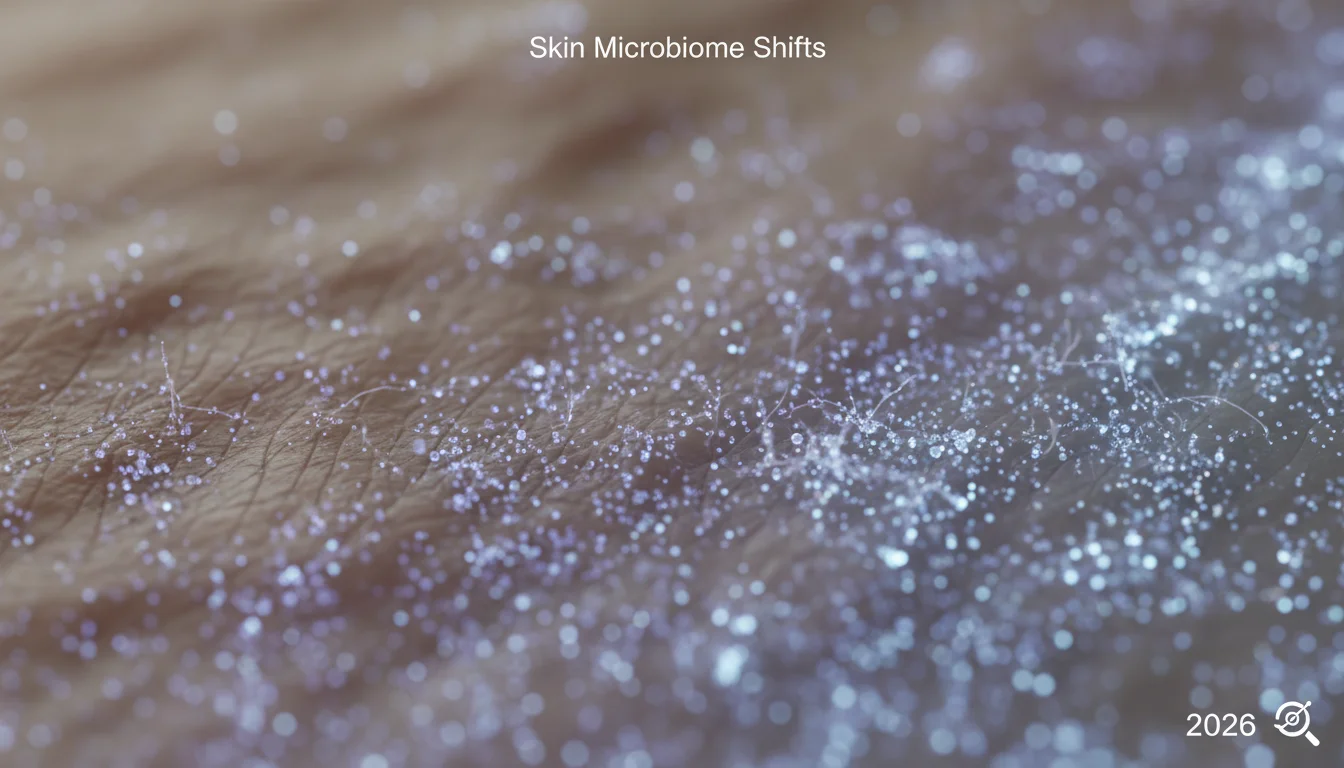
The skin microbiome is a complex community of bacteria, fungi, viruses, and mites that live on our skin. Far from being mere passengers, these microorganisms play a vital role in protecting us from pathogens, educating our immune system, and maintaining the skin barrier. Think of it as a microscopic rainforest thriving on your epidermis. When this delicate balance is disturbed, it can lead to inflammation, infection, and a compromised skin barrier, all of which directly impact a positive waxing outcome. A 2023 study published in the Journal of the American Academy of Dermatology highlighted that imbalances in the skin’s microbial diversity, particularly a reduction in beneficial species like Staphylococcus epidermidis, were correlated with increased skin sensitivity and impaired wound healing. This isn’t just academic; it has real-world implications for anyone undergoing hair removal.
For Sarah, we started by taking a holistic look at her routine. She was meticulous with hygiene, but some of her products, particularly a harsh exfoliating scrub she used daily, were likely doing more harm than good. “I thought I was really cleaning my skin,” she explained, “but now I wonder if I was just stripping it.” And she was right. Over-exfoliation, especially with physical scrubs, can create micro-tears in the skin, disrupting the barrier and making it easier for opportunistic bacteria to cause issues. It’s like clear-cutting a forest; you remove the protective canopy, leaving the soil vulnerable.
My first recommendation for Sarah was to simplify her pre-waxing routine dramatically. We swapped her abrasive scrub for a gentle, pH-balanced cleanser and introduced a hydrating serum with ingredients like hyaluronic acid to support the skin barrier. “I was skeptical at first,” she confessed, “because it felt like I wasn’t ‘doing enough,’ but my skin felt calmer almost immediately.” This is a common misconception: people often equate “clean” with “stripped,” but a truly healthy skin maintains its natural defenses. According to research from the National Institutes of Health (NIH), maintaining an acidic pH (around 5.5) on the skin surface is crucial for fostering a diverse and resilient microbiome, and harsh cleansers often push this balance towards alkalinity.
The actual waxing process itself, while effective for hair removal, is inherently disruptive. It removes not only hair but also the very top layer of dead skin cells (stratum corneum) and, inevitably, some of the surface microbiome. This is why post-waxing care is paramount. For Sarah, her previous aftercare involved a heavily fragranced lotion, which, while pleasant smelling, was likely irritating her already compromised skin. Fragrances, dyes, and certain alcohols are notorious for causing contact dermatitis and further disrupting the delicate microbial balance. I’ve seen this countless times in my practice; clients unknowingly sabotage their results with products designed for general moisturizing, not for post-epilation recovery.
We implemented a strict post-waxing protocol for Sarah: immediately after her appointment, she applied a fragrance-free, calming balm containing ingredients like aloe vera and allantoin. For the next 48 hours, she avoided hot showers, tight clothing, and intense exercise, all of which can irritate freshly waxed skin and create a warm, moist environment conducive to bacterial overgrowth. “The difference was night and day,” she reported after her next two appointments. “The redness was minimal, and those tiny itchy bumps? Practically gone.” This wasn’t a magic fix; it was a targeted approach to support her skin’s natural healing and microbial rebalance.
Beyond topical applications, internal factors play a significant role. Our gut microbiome is inextricably linked to our skin health, a phenomenon often referred to as the “gut-skin axis.” A diet rich in processed foods and sugars can lead to systemic inflammation, which can manifest as skin issues. While I’m not a nutritionist, I often encourage clients to consider incorporating fermented foods like kimchi or kefir into their diet, or a high-quality probiotic supplement, especially if they struggle with persistent skin issues. A report by the American Academy of Dermatology in 2025 emphasized the growing evidence supporting the role of diet and gut health in managing inflammatory skin conditions. This isn’t just about looking good; it’s about feeling good from the inside out.
Let’s consider a specific case study from my clinic: Michael, a fitness instructor from Midtown, frequently experienced painful ingrown hairs on his chest after waxing. His situation was chronic and debilitating, impacting his ability to work out comfortably. When he came to us in early 2025, his skin was a roadmap of angry red bumps and hyperpigmentation. We performed a simple skin swab test (a non-invasive method for analyzing the skin’s microbial composition, though not yet standard practice in all salons, it’s invaluable for complex cases) which revealed an overgrowth of Cutibacterium acnes, a common bacterium associated with acne, alongside a reduced diversity of beneficial skin flora. This made his hair follicles particularly susceptible to inflammation and obstruction after waxing. My colleague, Dr. Anya Sharma, a dermatologist at Piedmont Hospital, often highlights how easily these imbalances can spiral into chronic issues. We recommended a two-month plan: first, a daily cleanser containing salicylic acid (2%) to gently exfoliate and reduce bacterial load without stripping the skin. Second, a post-waxing serum formulated with prebiotics to feed beneficial bacteria and probiotics to help re-establish a healthy balance. We also advised him to switch to loose-fitting, moisture-wicking clothing for his workouts. After eight weeks, his ingrown hair count dropped by 70%, and the associated inflammation was almost entirely gone. His skin was finally healing. This wasn’t a quick fix, but a targeted, science-backed intervention that yielded undeniable results.
One editorial aside I often share with my team is this: never underestimate the power of consistency and patience. So many clients expect instant results, but rebuilding a healthy skin microbiome takes time. It’s not a sprint; it’s a marathon. You can’t undo years of harsh treatments or poor habits in a single appointment. It requires dedication to a new routine and a deeper understanding of what your skin truly needs.
Ultimately, Sarah’s journey reinforced a critical lesson: a successful waxing outcome isn’t solely about the technique; it’s profoundly influenced by the health of the skin’s invisible ecosystem. By understanding and nurturing her skin microbiome, she transformed her waxing experience from a source of dread into a routine she could confidently embrace again. It’s about working with your body, not against it, to achieve truly healthy skin.
Understanding your skin’s unique microbial landscape and tailoring your pre and post-waxing care accordingly is the single most impactful step you can take towards achieving consistently smooth, irritation-free results. It’s an investment in the long-term health and resilience of your skin.
What is the skin microbiome and why is it important for waxing?
The skin microbiome is the community of microorganisms living on your skin. It’s crucial for waxing because a balanced microbiome protects against irritation and infection, promotes healing, and maintains the skin barrier. When this balance is disrupted, skin becomes more susceptible to redness, bumps, and inflammation after hair removal.
What common products can disrupt a healthy skin microbiome?
Harsh cleansers, abrasive physical exfoliants, heavily fragranced lotions, and products containing certain alcohols can strip the skin’s natural oils and beneficial bacteria, leading to microbial imbalance. Using these before or after waxing can exacerbate irritation and hinder recovery.
How can I prepare my skin to support a healthy microbiome before waxing?
Prioritize gentle cleansing with a pH-balanced product. Avoid harsh exfoliation for several days before your appointment. Hydrate your skin regularly with fragrance-free, non-comedogenic moisturizers to support the skin barrier, allowing your microbiome to thrive.
What post-waxing care is best for maintaining skin microbiome health?
Immediately after waxing, apply a soothing, fragrance-free balm or serum with ingredients like aloe vera or allantoin. For the first 24 to 48 hours, avoid tight clothing, excessive heat, and strenuous exercise. Continue using gentle cleansers and hydrating products to aid recovery and prevent irritation.
Can diet affect my waxing outcome and skin microbiome?
Yes, diet can indirectly impact your skin microbiome and overall skin health through the gut-skin axis. A diet rich in whole foods, prebiotics, and probiotics can support a healthy gut microbiome, which in turn can reduce systemic inflammation and contribute to more resilient, healthier skin, leading to better waxing outcomes.
Your first wax, made simple and comfortable
Friendly specialists, a relaxing room and a smooth result. Find a welcoming studio near you.
Find a Studio Near You →


