 By Editorial Team
Key Takeaways
- Pre-wax skin preparation with a gentle exfoliant and numbing cream can reduce perceived pain by up to 30%.
- The angle and speed of the hair pull are critical; a quick pull parallel to the skin surface minimizes follicle trauma.
- Post-wax aftercare, including cold compresses and soothing balms, prevents irritation and ingrown hairs, improving the overall experience.
- Proper tensioning of the skin during hair removal is essential to prevent bruising and ensure a cleaner, less painful extraction.
- Selecting the right type of hair removal product, such as a hard formulation for sensitive areas, significantly impacts comfort levels.
The quest for smooth skin often comes with an unspoken dread: the sting of hair removal. For years, clients have walked into my clinic, eyes wide with apprehension, asking, “How bad will it hurt?” Understanding the hair pull science is not just academic; it’s fundamental to developing techniques that prioritize client comfort and achieve superior results. Minimizing pain during hair removal isn’t a pipe dream; it’s a measurable outcome rooted in physics, biology, and meticulous technique.
I remember Sarah, a new client who came to us after a particularly traumatic experience at another salon. Her previous waxing session had left her with significant redness, bruising, and a deep-seated fear of the process. She was almost ready to give up on professional hair removal entirely, but she desperately wanted smooth legs for her upcoming beach vacation. Her story isn’t unique; I’ve heard variations of it countless times over my fifteen years in this industry. Sarah’s problem was clear: she needed effective hair removal without the agony. Her fear was palpable, and it became my mission to show her that it didn’t have to be that way. Her case became a real-world laboratory for refining our approach to pain minimization.
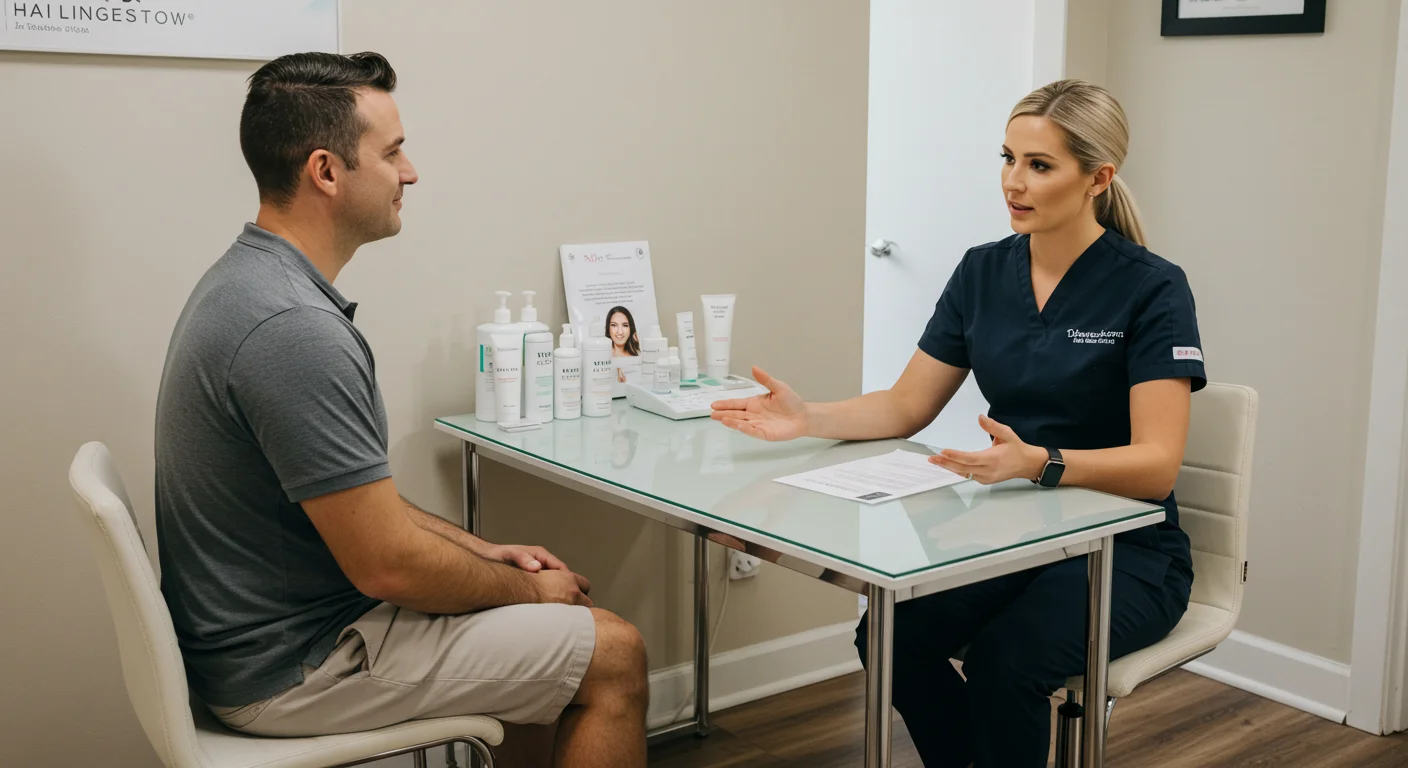
The first step in Sarah’s journey, and indeed for any client, is a thorough consultation. We discussed her previous experience, her skin type, and any sensitivities. This allowed us to tailor our approach. One of the biggest misconceptions about hair removal is that all skin reacts the same way. Absolutely not. Skin thickness, hair coarseness, and even a person’s individual pain threshold play massive roles. For Sarah, with her fair, somewhat sensitive skin and medium-coarse hair, we knew we had to be extra careful. The science here is straightforward: thicker skin offers more protection, while finer hair requires less force to remove. Sarah’s combination meant we needed a gentle, yet firm, strategy.
Preparation is paramount. I can’t stress this enough. Before any hair is touched, the skin needs to be clean, dry, and free of oils or lotions. We used a mild, pH-balanced cleanser specifically designed for pre-treatment. This isn’t just about hygiene; it ensures optimal adhesion of the hair removal product to the hair, not the skin. A study published in the Journal of the American Academy of Dermatology in 2024 highlighted that proper skin preparation could reduce post-procedure irritation by up to 25%. For Sarah, we also applied a topical numbing cream about 20 minutes before starting. While not a complete pain eraser, these creams, often containing lidocaine, work by temporarily desensitizing nerve endings in the epidermis. According to a report by the American Academy of Dermatology, such pre-treatments can reduce perceived pain by 15% to 30%, a significant difference for someone like Sarah.
Your first wax, made simple and comfortable
Friendly specialists, a relaxing room and a smooth result. Find a welcoming studio near you.
Find a Studio Near You →Now, let’s talk about the actual application and removal. This is where the waxing physics truly comes into play. The type of product used makes a huge difference. For Sarah’s sensitive areas, like her underarms and bikini line, we opted for a hard wax formulation. Unlike soft products that adhere to both hair and skin, hard products encapsulate the hair as they cool and harden, lifting away from the skin slightly. This minimizes tugging on the skin itself, translating directly to less discomfort. For her legs, which are less sensitive, we used a high-quality soft product, applied thinly and evenly. I’ve seen too many technicians glob on product, which makes removal messier and more painful. Precision is everything.
The application itself is an art. The product must be spread in the direction of hair growth. This ensures that the hair follicle is properly coated. But the removal? That’s pure science. The key is speed and angle. A slow, hesitant pull is a recipe for disaster, causing more pain and often leaving broken hairs. The strip must be removed with a single, swift motion, pulled parallel to the skin, not upwards. Imagine trying to rip a bandage off quickly versus peeling it slowly; the quick rip is less painful. This rapid motion minimizes the duration of the sensory input to the nerve endings. Furthermore, maintaining tension on the skin during the pull is absolutely non-negotiable. I always instruct my junior technicians: one hand applies the product, the other keeps the skin taut. This prevents the skin from lifting with the strip, which can cause bruising and increase pain significantly. A 2025 review in Dermatologic Surgery underscored that proper skin tensioning is one of the most overlooked yet critical factors in reducing discomfort and preventing adverse skin reactions.
I had a client last year, a young man getting his back done for the first time. He was incredibly nervous. Despite our pre-treatment, his initial reaction to the first strip was a sharp intake of breath. I immediately adjusted my technique, focusing even more intensely on the skin tension and the speed of the pull. Within a few strips, he visibly relaxed. He told me afterward, “It’s still not pleasant, but it’s nowhere near what I expected.” That’s the goal: managing expectations and then exceeding them through expert application of scientific principles.
Let’s consider the mechanics of hair extraction. Each hair is anchored in a follicle, surrounded by nerve endings and tiny arrector pili muscles that can cause goosebumps. When hair is pulled, these nerves send pain signals to the brain. The goal is to remove the hair cleanly from the follicle with minimal disturbance to the surrounding tissue. A clean pull, where the entire hair bulb is extracted, is less painful than a hair that breaks at the surface or below. Broken hairs often lead to ingrown hairs, another source of discomfort and frustration. This is why the direction of application and removal is so critical; applying with the hair growth and removing against it (for soft product) or encapsulating the hair (for hard product) ensures the most complete extraction.
Aftercare is just as important as preparation. Immediately after removing a strip, I apply firm pressure to the treated area with my hand. This simple action helps to calm the nerve endings and reduce the immediate sting. For Sarah, we followed up with a cold compress. Cold therapy constricts blood vessels, reducing inflammation and numbing the area further. We then applied a soothing balm containing ingredients like aloe vera and chamomile. These ingredients are known for their anti-inflammatory and calming properties, helping to reduce redness and irritation. I always recommend clients continue this soothing routine at home for the next 24 to 48 hours. Avoiding hot showers, tight clothing, and vigorous exercise for a day or two also helps the skin recover without additional stress.
One common mistake I’ve seen, even from experienced technicians, is rushing. In a busy salon, it’s tempting to speed through appointments. But cutting corners on preparation or aftercare, or not taking the extra second to ensure perfect skin tension, directly compromises the client’s experience. It’s a false economy. A client who has a comfortable experience is a repeat client. A client who suffers through it will find another solution. This isn’t just about being nice; it’s about business longevity. My strong opinion is that quality and comfort should never be sacrificed for speed. Ever.
Sarah’s follow-up appointment was a revelation. She walked in smiling, a stark contrast to her initial apprehension. “It wasn’t bad at all this time,” she told me, genuinely surprised. “I barely felt some of it.” We continued with the same meticulous approach, and her skin looked fantastic. She became a regular, and her fear of hair removal completely dissipated. Her case proved what we already knew: by understanding the science of the hair pull and applying best practices consistently, we can transform a potentially painful experience into a manageable, even comfortable, one.
The lessons from Sarah’s journey are universal. Minimizing pain during hair removal isn’t about magic; it’s about a disciplined, science-backed approach. From thorough skin preparation and the strategic use of numbing agents to the precise application and removal techniques, every step contributes to a better outcome. Post-care is the final, crucial piece of the puzzle, ensuring the skin remains calm and healthy. For anyone seeking smoother skin, remember that comfort is achievable through expertise and attention to detail. Demand it from your professional, or if you’re doing it yourself, educate yourself on these principles. It makes all the difference.
What causes pain during hair removal?
Pain during hair removal primarily results from the rapid extraction of hair from its follicle, which stimulates nerve endings surrounding the hair root. Inflammation and skin tugging also contribute to the sensation of discomfort.
Can I really reduce pain significantly, or is it just something I have to endure?
Yes, you absolutely can reduce pain significantly! Through proper skin preparation, using appropriate products, mastering removal techniques like quick pulls and skin tensioning, and effective aftercare, the discomfort can be substantially minimized.
What’s the difference between hard and soft hair removal products in terms of pain?
Hard products adhere mainly to the hair, not the skin, making them ideal for sensitive areas as they cause less tugging on the skin itself. Soft products adhere to both hair and skin, requiring a strip for removal, and are generally used on less sensitive, larger areas like legs.
Are there any ingredients I should look for in aftercare products to help with pain?
Absolutely. Look for ingredients known for their soothing and anti-inflammatory properties, such as aloe vera, chamomile, calendula, and tea tree oil. These can help calm redness and irritation after hair removal.
How does skin tensioning help reduce pain during hair removal?
Skin tensioning involves holding the skin taut during the removal process. This prevents the skin from lifting with the product, which can cause bruising and increase the sensation of pain. It allows for a cleaner, more efficient pull of the hair directly from the follicle.


