 By Editorial Team
Key Takeaways
- A lot of contact dermatitis waxing issues are delayed hypersensitivity reactions, popping up 24 to 72 hours after you’re done.
- The usual culprits in hard wax are certain resins (especially colophonium, or rosin), fragrances, and colorants.
- Switching to hypoallergenic wax, specifically a formula that’s free of common triggers like colophonium, is the smartest move to reduce reaction risk.
- A patch test on a small, hidden patch of skin is still the most reliable way to check for a potential sensitivity before you do a full waxing session.
- What you do after the wax matters, gentle, fragrance-free care helps calm irritation and lets your skin barrier heal.
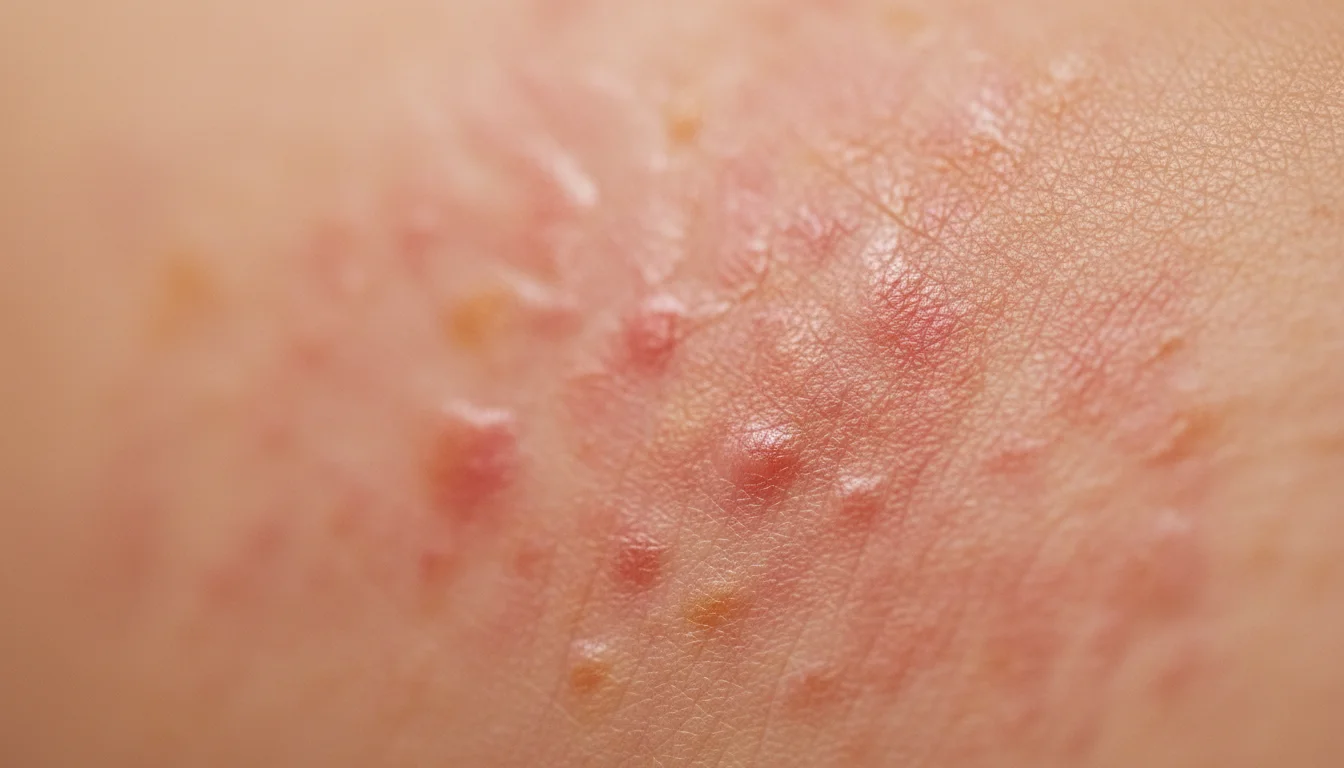
We all want that smooth skin from a good wax, but sometimes you get an unwelcome side effect: contact dermatitis waxing. It’s an inflammatory skin condition that shows up as redness, itching, and sometimes even blisters where your skin met an irritant or an allergen. While basic irritation is usually immediate, a true allergic reaction often takes its sweet time to show up, turning you into a detective trying to figure out what went wrong. Knowing the specific hard wax ingredients that set off these responses is the key to a safer, more comfortable experience for clients and pros alike.
Understanding Contact Dermatitis in Waxing
Contact dermatitis basically comes in two flavors: irritant contact dermatitis (ICD) and allergic contact dermatitis (ACD). ICD is by far the more common of the two, making up about 80% of all cases according to a 2023 review in the Journal of the American Academy of Dermatology. This is just straight-up damage to the skin’s outer layer from something like wax that’s too hot, aggressive pulling, or just the friction of the application. Your skin reacts like it would to a burn, with immediate stinging, redness, or discomfort that’s usually stuck to the waxed area and fades pretty quickly with good aftercare.
Allergic contact dermatitis (ACD), however, is a full-on immune system response. It’s not about the substance causing direct damage. It’s about your body deciding that one specific ingredient is a threat, even though it’s harmless to most people. This immune reaction can take a full 24 to 72 hours to appear after the wax, which is why it’s so tricky to diagnose, you get waxed, feel fine, then wake up the next morning with a nasty rash. That delay is the classic sign of ACD, and it often makes people blame something else they did after the appointment. The reaction can be anything from mild itching to severe blistering that can even spread outside the waxed area, so knowing which type you’re dealing with is critical for treating it and preventing it next time.
Common Hard Wax Ingredients That Trigger Reactions
Hard wax is formulated to grab the hair without sticking too much to the skin, which means it’s a complex mix of resins, oils, and other stuff. While they get the job done, some of these ingredients are famous for causing allergies. The number one offender is Colophonium, also known as rosin. It’s a natural resin from pine trees used for its stickiness, and studies in journals like Contact Dermatitis consistently point to it as a top cause of allergic reactions from hair removal products. It’s not just in wax either. It’s in adhesives and cosmetics, so if you’re sensitized, it can be tough to avoid.
Nervous about your first wax? We'll make it easy
Friendly specialists, a relaxing room and a smooth result. Find a welcoming studio near you.
Find a Studio Near You →But it’s not just about colophonium. You also have to watch out for fragrances, which can be a cocktail of dozens of unnamed chemicals that are common allergy triggers. If you see “fragrance” on the label, you have no idea what’s really in there. The European Scientific Committee on Consumer Safety (SCCS) has a long list of fragrance allergens that have to be declared for a reason. Same goes for colorants used to make wax look pretty, certain azo dyes can be sensitizers. And while preservatives are needed to keep the product stable, things like parabens or formaldehyde-releasers (less common now, thankfully) have a history of causing problems. It’s a chemical soup in that wax pot, and if you have sensitive skin, you need to be your own advocate.
The Case for Hypoallergenic Wax Formulations
Because more people are getting these reactions, the industry has finally started rolling out hypoallergenic wax options. These formulas are designed from the ground up to leave out the most common allergens and irritants, giving people with sensitive skin a much safer alternative. A hypoallergenic wax will typically ditch ingredients like colophonium, synthetic fragrances, and problematic colorants. Instead, they’re often built on synthetic polymer-based resins which grip hair just as well but are engineered to be inert, meaning they’re far less likely to set off your immune system.
When you’re shopping for a wax, look for labels that scream “colophonium-free,” “rosin-free,” or “fragrance-free.” Some will also call out that they’re free of parabens. Now, no product can ever promise zero reactions for every human on earth (individual sensitivities are just too weird), but these specialized formulas dramatically lower the odds of a bad time. For professionals, having a gentler wax option on hand shows you actually care about client safety and comfort. It prevents reactions and, just as importantly, builds the kind of client trust that keeps them coming back.
Patch Testing: Your Essential Pre-Waxing Protocol
Even if you pick your ingredients carefully, personal sensitivities can always pop up and surprise you. That’s why the patch test is the single most important thing you can do to prevent a major contact dermatitis situation. It’s simple: you apply a tiny bit of the wax to a hidden spot, like your inner wrist, at least 24 to 48 hours before the real appointment. Then you wait and watch for any redness, itching, or swelling. If nothing happens in that window, you can proceed with much more confidence.
I’m telling you, this step is non-negotiable, especially for new clients or when trying a new wax. I know clients are eager and want to skip it, but it’s a critical safety check. Even if someone says they’ve “never reacted to anything before,” people can develop new sensitivities over time from repeated exposure. Plus, their skin might be more vulnerable than usual, maybe they’re using a topical retinoid that’s compromised their skin barrier, making them prone to irritation they wouldn’t normally have. The patch test is your early warning system. It’s a quick, simple step that can save you days of miserable itching and skin damage, and any responsible pro will insist on it.
Post-Waxing Care and Managing Reactions
Even when you do everything right and use the best products, some minor skin irritation is normal. Good post-waxing care is what separates a little temporary redness from a full-blown problem. Right after a wax, your pores are wide open and your skin is vulnerable, so applying a soothing, fragrance-free aftercare product like aloe vera gel or a gentle, non-comedogenic lotion will help calm things down. You also need to avoid tight clothes, hot showers, saunas, and working out for at least 24 hours. All that heat and sweat is just an invitation for bacteria and more irritation.
If a reaction does happen, whether it’s immediate stinging or a delayed rash, the first thing to do is gently clean the area with cool water and a mild soap. Cool compresses can help with the swelling and itch. For a mild-to-moderate allergic reaction, an over-the-counter 1% hydrocortisone cream can work wonders on the inflammation. But if the reaction is severe, or it just won’t go away after a few days, you need to see a dermatologist. They can prescribe stronger stuff and help you figure out what you reacted to. Writing down the wax ingredients to show your doctor is incredibly helpful for a diagnosis. Don’t try to tough out a bad reaction with home remedies. Get professional help.
Good waxing isn’t just about ripping out hair. It requires a real understanding of skin and ingredients. If you want smooth skin without the drama, you have to pay attention to what’s in the wax, do your waxing prep, and never skip a patch test. This is how you make waxing a consistently comfortable and positive experience.
Difference: Irritant vs. Allergic Contact Dermatitis from Waxing?
Irritant contact dermatitis is an immediate reaction to physical trauma, like heat or friction from the wax itself. Allergic contact dermatitis is your immune system overreacting to a specific ingredient, and it usually shows up 24 to 72 hours later.
How to Tell if I’m Allergic to a Hard Wax Ingredient?
A patch test is the only reliable way. Put a small amount of the wax on a discreet spot of skin (like your inner wrist) and wait 24 to 48 hours. If you see no redness, itching, or swelling, you’re probably not allergic to that product.
Are “Natural” Waxes Always Better for Sensitive Skin?
Not at all. Some “natural” ingredients are major allergens, like colophonium (rosin), which comes from pine trees. Many synthetic polymer waxes are actually safer because they’re specifically engineered to be hypoallergenic and avoid those known natural triggers.
What Ingredients to Look For in a Hypoallergenic Wax?
Look for waxes that are clearly labeled “colophonium-free,” “rosin-free,” and “fragrance-free.” These words tell you that the formula was made to avoid the most common triggers for contact dermatitis.
What to Do for a Severe Reaction After Waxing?
If you have a bad reaction with intense redness, blisters, a lot of swelling, or itching that won’t stop, go see a dermatologist right away. They can diagnose what’s happening and prescribe the right treatment to get it under control fast.


