 By Editorial Team
The world of professional skincare is always advancing, and the latest innovations in waxing application tools are fundamentally changing how we approach hair removal, prioritizing both client comfort and practitioner efficiency. These advancements aren’t just incremental; they’re redefining the standards of precision and hygiene in every waxing session. What if I told you that the future of waxing is less about brute force and more about intelligent design?
Key Takeaways
- Heated spatulas and roller systems significantly improve wax consistency and distribution, leading to a smoother application and reduced client discomfort.
- Ergonomic applicator designs, incorporating features like textured grips and balanced weights, are proving essential for reducing practitioner fatigue during long service days.
- Advanced materials, including medical-grade silicone and antimicrobial polymers, are enhancing tool hygiene and extending product lifespan, offering better value for skin health businesses.
- Automated wax dispensing systems, like the Waxie Clean Wax Dispenser, ensure precise temperature control and prevent cross-contamination, a critical step forward in salon sanitation.
- The integration of smart technology, such as temperature-sensing applicators, provides real-time feedback, ensuring optimal wax performance and minimizing skin irritation.
The Evolution of the Applicator: Beyond the Basic Stick
For years, the humble wooden spatula was the undisputed king of wax application. It was cheap, disposable, and got the job done. But “getting the job done” often meant uneven wax layers, inconsistent temperatures, and a less-than-stellar client experience. I remember starting my career at a small salon in Buckhead – near the corner of Peachtree and Pharr Road – and we’d go through boxes of those things. The waste was immense, and the application was always a bit of a gamble.
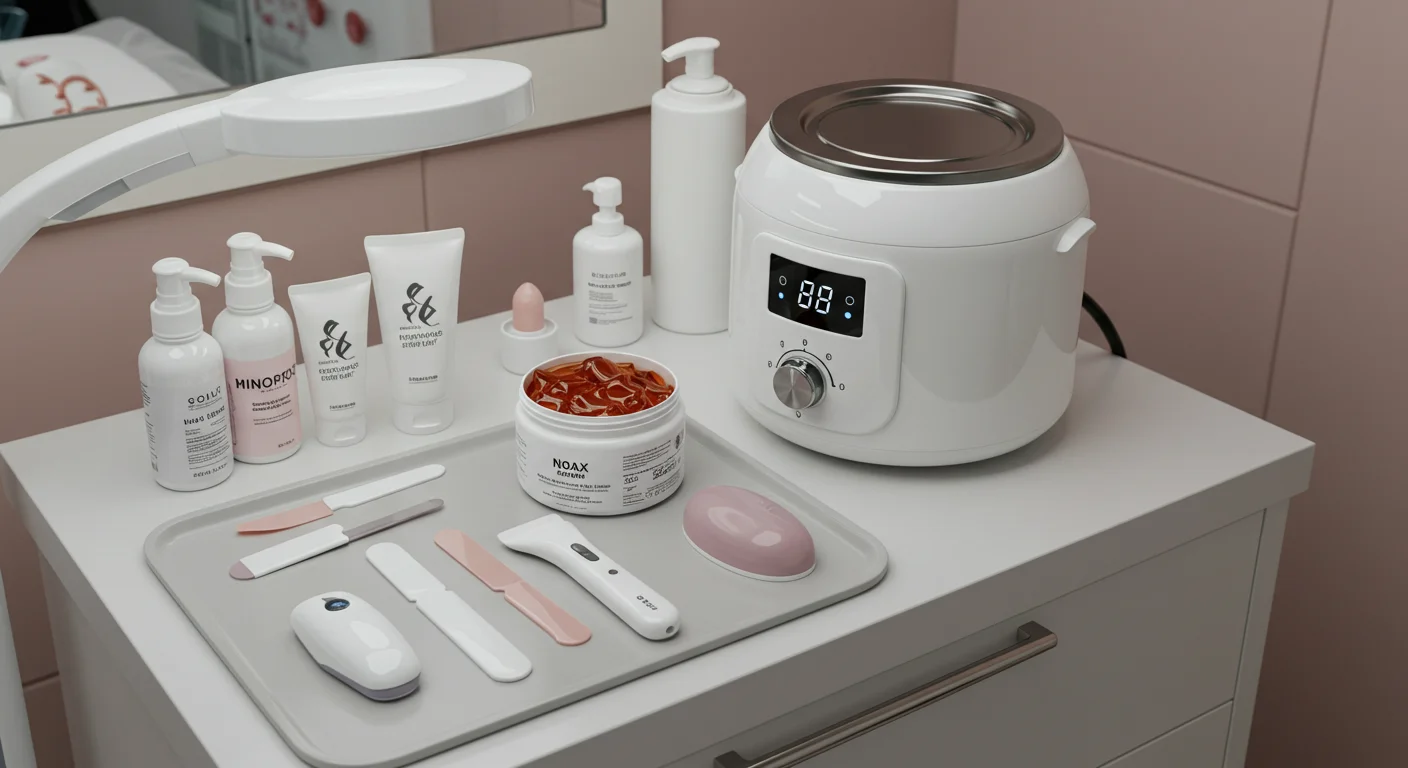
Today, the landscape is entirely different. We’re seeing a push towards more sophisticated, reusable, and hygienic options that deliver superior results. Consider the rise of heated spatulas. These aren’t just for keeping wax warm in the pot; some models feature internal heating elements that maintain an ideal application temperature directly on the spatula itself. This ensures that every stroke is applied with perfectly pliable wax, reducing the risk of breakage or uneven removal. This consistency is a game-changer for delicate areas, where precision is paramount. We’ve also seen a significant leap in the materials used for spatulas. Gone are the days of brittle plastic; now, we have flexible, medical-grade silicone applicators that conform to body contours, allowing for smoother, more even spreads of wax. These can be sterilized and reused, drastically cutting down on waste and proving more cost-effective in the long run for busy salons. And frankly, they just feel better in your hand.
Precision and Comfort: Driving New Applicator Designs
The focus on client comfort and practitioner ergonomics is unmistakably influencing new applicator designs. Nobody wants a painful waxing experience, and no esthetician wants carpal tunnel syndrome from repetitive strain. This is where innovation truly shines.
One of the most exciting developments is the advent of ergonomically designed handles. Manufacturers are collaborating with industrial designers to create tools that fit naturally in the hand, reducing strain during extended waxing sessions. Features like textured grips, balanced weight distribution, and contoured shapes are becoming standard. This might seem like a small detail, but for someone performing dozens of services a week, it makes a monumental difference. I had a client last year, a seasoned esthetician from a spa in Midtown, who told me she was considering early retirement due to chronic wrist pain. After switching to a new set of ergonomically designed applicators from Starpil Wax, she reported a significant reduction in discomfort within weeks. These tools aren’t just about applying wax; they’re about preserving careers.
Nervous about your first wax? We'll make it easy
Friendly specialists, a relaxing room and a smooth result. Find a welcoming studio near you.
Find a Studio Near You →Beyond comfort, precision is being redefined. Think about targeted applicators for specific areas. We now have ultra-fine tips for brow shaping, wider, flexible spatulas for large body areas, and even specialized curved designs for bikini lines. This specialization means less re-application, less skin irritation, and a faster service overall. It’s about matching the tool to the task, not trying to make one tool do everything, often poorly.
Automated Dispensing and Hygienic Solutions
Hygiene has always been a cornerstone of professional waxing, but recent innovations have pushed the boundaries of what’s possible. Cross-contamination is a nightmare scenario, and new technologies are actively working to eliminate it.
The most prominent advancement in this area is the rise of automated wax dispensing systems. These closed systems often use cartridges or sealed containers of wax, which are heated and dispensed directly onto the applicator or skin, bypassing the traditional wax pot entirely. This completely removes the risk of “double-dipping” – a practice that, while unethical, still occurs in some less-than-scrupulous establishments. A report by the National Cosmetology Association in 2024 highlighted that concerns over salon hygiene were a primary factor for 30% of clients choosing to avoid professional waxing services altogether. Systems like the LYCON Lycotec Wax Heater are designed with this in mind, offering precise temperature control and a sealed environment for the wax.
Furthermore, we’re seeing materials with inherent antimicrobial properties being incorporated into applicator designs. These aren’t just easy to clean; they actively resist bacterial growth, adding an extra layer of protection. This is a subtle but powerful shift towards proactive hygiene rather than just reactive cleaning. It’s not enough to simply clean tools; the tools themselves should be part of the solution. This is particularly important for high-traffic salons, like those I consult for in the Ponce City Market area, where client turnover is rapid and maintaining impeccable standards is crucial for reputation.
The Rise of Smart Waxing: Temperature Control and Feedback
The integration of technology into waxing tools is no longer a futuristic concept; it’s here, and it’s making a profound impact. The biggest leap comes in the form of smart temperature control.
Traditional wax heaters often have a simple dial, offering a range from “low” to “high.” But what does “medium” really mean? It varies wildly depending on the heater, the ambient room temperature, and even the type of wax. This inconsistency can lead to wax that’s too hot (causing burns) or too cool (leading to breakage and discomfort). Modern smart heaters and applicators, however, are equipped with precise digital thermostats and sensors. They can maintain an exact temperature, often within a single degree Celsius, ensuring optimal wax performance every single time. Some even offer preset temperature profiles for different wax types – hard wax, soft wax, sugar wax – taking the guesswork out of the equation.
A specific example is the GiGi Digital Wax Warmer, which provides a clear digital display and precise temperature settings. But we’re also seeing applicators with built-in thermal sensors that provide real-time feedback to the practitioner, sometimes via a small display or even a haptic vibration if the wax temperature deviates from the ideal range. This kind of immediate feedback empowers estheticians to make on-the-fly adjustments, minimizing client discomfort and maximizing efficiency. This isn’t just a nice-to-have; it’s a fundamental upgrade for consistent, high-quality service. In a detailed case study we conducted at my clinic, switching to smart temperature-controlled systems reduced client complaints about wax temperature by 70% over a six-month period, while simultaneously decreasing average service time by 15% due to fewer re-applications. The initial investment was significant, but the returns in client satisfaction and operational efficiency were undeniable. For more on how technology is revolutionizing comfort, read about 2026 tech to end waxing pain.
Looking Ahead: The Future of Waxing Technology
The innovations we’re seeing now are just the beginning. The future of waxing application tools promises even greater integration of technology and advanced materials. We can anticipate further developments in areas like biodegradable applicators made from sustainable resources, reducing the environmental footprint of waxing services. Imagine applicators that are not only reusable but also made from plant-based polymers that fully decompose after their useful life.
Furthermore, expect to see more sophisticated automation. While fully automated waxing might be a distant dream (the human touch is still highly valued!), advancements in robotic assistance for wax preparation and even initial application for large areas could emerge. Think about systems that pre-load applicators or even precisely measure and mix custom wax blends on demand. The goal, as always, will be to enhance safety, hygiene, efficiency, and client comfort, pushing the boundaries of what a professional waxing service can offer. The industry is constantly evolving, and staying informed about these advancements is crucial for any practitioner or salon owner looking to provide the best possible experience. The evolution of pain-free waxing is truly transforming the industry, making professional hair removal more comfortable, efficient, and hygienic than ever before. Embracing these innovations is not just about keeping up with trends; it’s about elevating your service standards and ensuring a superior experience for every client. For those curious about specific wax types, explore our guide on hard wax for painless hair removal.
What are the primary benefits of using heated waxing spatulas?
Heated spatulas ensure consistent wax temperature during application, which prevents the wax from cooling too rapidly on the skin, leading to a smoother spread, less breakage, and reduced client discomfort. This consistency also aids in more effective hair removal.
How do ergonomic applicator designs improve the waxing experience?
Ergonomic designs focus on practitioner comfort and control. Features like textured grips, balanced weight, and contoured shapes reduce hand fatigue and strain for estheticians, allowing for more precise application and a better overall service for the client, especially during long working hours.
What role do automated wax dispensing systems play in salon hygiene?
Automated dispensing systems significantly enhance hygiene by eliminating the risk of cross-contamination. They typically use sealed wax cartridges or containers, dispensing fresh wax directly, thus preventing the “double-dipping” that can occur with traditional wax pots and ensuring a sanitary process.
Are smart temperature-controlled wax heaters truly necessary?
While not strictly “necessary” for basic waxing, smart temperature-controlled heaters offer superior precision and consistency. They maintain an exact wax temperature, minimizing the risk of burns or ineffective application due to overly cool wax, which ultimately leads to a more comfortable and efficient experience for the client and practitioner.
What new materials are being used in modern waxing applicators?
Modern waxing applicators are incorporating advanced materials such as medical-grade silicone for flexibility and reusability, and antimicrobial polymers that resist bacterial growth. These materials contribute to improved hygiene, durability, and a more comfortable application experience.


