 By Anna Kim
There’s so much bad advice out there about sun protection, especially for sensitive spots like the bikini line. It leads people to think they’re safe when they’re not. A huge one I see all the time is people relying on their SPF makeup for sun defense, particularly after a hard wax, that’s a myth that needs busting, fast.
Key Takeaways
- SPF makeup just doesn’t provide enough real protection for the bikini area. You don’t apply it thickly or consistently enough.
- Skin right after a hard wax is extremely prone to sun damage and needs a serious, broad-spectrum sunscreen application.
- Your best bet for protecting sensitive, just-waxed skin is to use physical barriers. Think clothing or just staying in the shade.
- For any exposed skin, use a broad-spectrum sunscreen with an SPF of 30 or higher. You have to reapply it every two hours, or sooner if you swim or sweat.
- Stay completely out of direct sun for at least 24 to 48 hours after your wax. This is the best way to prevent irritation, dark spots, and major sun sensitivity.
Myth 1: SPF Makeup Provides Sufficient Bikini Sun Protection
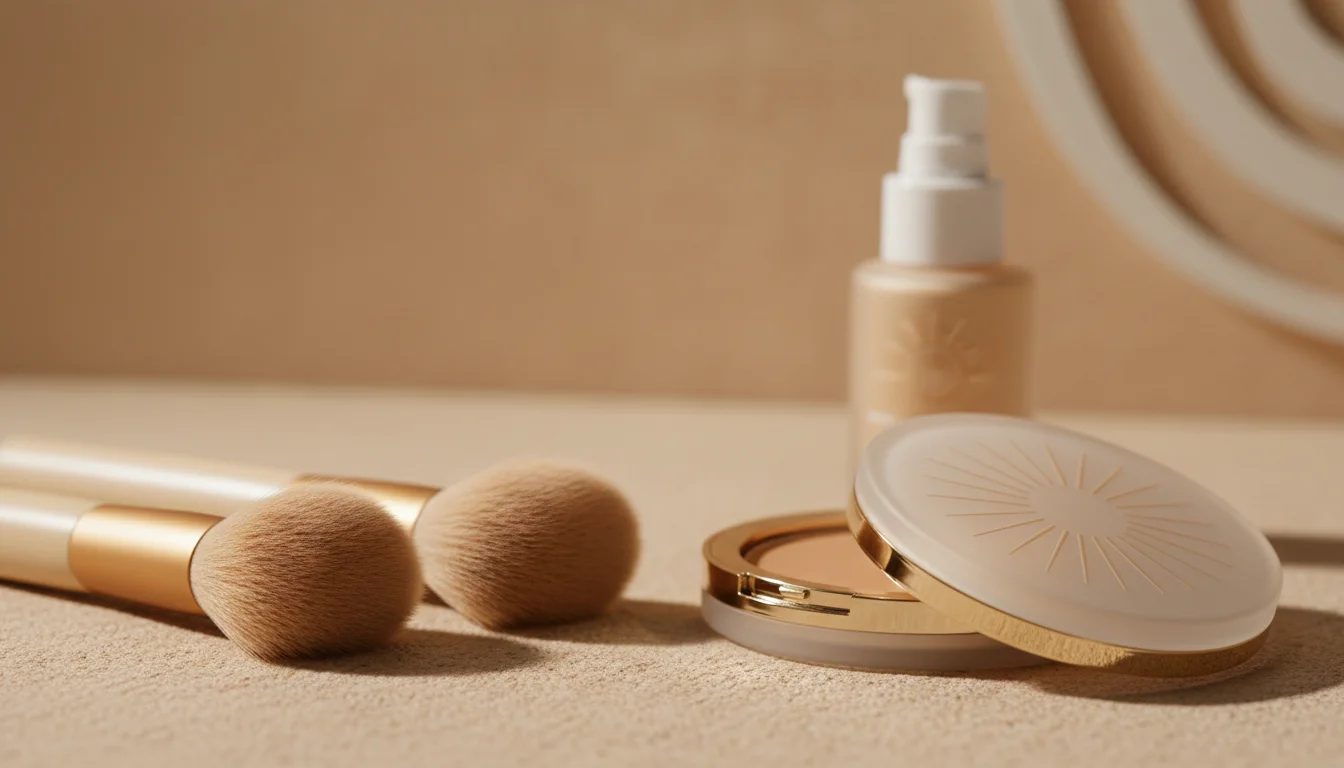
Lots of people think that if their foundation has SPF, they’re good for the day, even on their body. For the bikini line, this is a dangerously simple way of thinking. SPF makeup is not designed for the intense, broad-area coverage required for full sun protection on the body. The SPF in makeup is really just for incidental face protection, where you’re applying a thin, uneven layer. You wouldn’t slather foundation all over your bikini area to go to the beach, would you? To get the actual SPF protection listed on the bottle, you need to apply 2 milligrams of product per square centimeter of skin, that’s way more than anyone uses. On top of that, makeup isn’t formulated to be water-resistant or sweat-resistant like real sunscreen is. The American Academy of Dermatology (AAD) says it every year: while SPF in makeup is better than nothing, it’s never a substitute for dedicated sunscreen, especially for long days outside or on areas getting direct sun, like a bikini line. Their 2024 guidelines keep pushing for people to use a dedicated, broad-spectrum sunscreen.
Feel smooth and ready, wherever the day takes you
Gentle, expert waxing that leaves you smooth for weeks. Find a trusted studio near you.
Find a Studio Near You →Myth 2: Hard Wax Makes Skin Less Susceptible to Sunburn
This idea is completely false and, honestly, dangerous. Hard wax removes hair from the follicle, which leaves the skin incredibly vulnerable and sensitive for a short time. The wax also acts as an exfoliant, stripping off the top layer of dead cells and exposing the brand-new, delicate skin underneath. This fresh skin has lost its natural protective barrier and is wide open to UV radiation damage. It’s like having a fresh scrape. You wouldn’t let it bake in the sun. Dermatologists are all in agreement here, warning everyone to be extremely careful with sun exposure after any kind of wax. Even the National Eczema Association (NEA) has advice on this (it’s for compromised skin in general, but it applies perfectly here): protect any irritated skin from UV rays to stop more damage and inflammation. Post-waxed skin is definitely in that category. The heightened sensitivity can lead to a nasty sunburn, hyperpigmentation (dark spots), and even scarring if you aren’t careful. I tell all my clients that the 24 to 48 hours after a wax are a strict no-sun zone.
Myth 3: Any SPF is Good Enough for a Freshly Waxed Bikini Line
While something is better than nothing, thinking that a low SPF or a product that isn’t “broad-spectrum” will cut it for a freshly waxed bikini line is a big mistake. Freshly waxed skin requires strong, broad-spectrum sun protection with a high SPF. Broad-spectrum means it protects against UVA rays (the ones that cause aging and skin cancer) and UVB rays (the ones that cause sunburn). The Skin Cancer Foundation’s minimum recommendation for daily use is SPF 30, and that number goes up for sensitive or recently treated skin. A 2025 study in Dermatologic Surgery found that even with a high SPF, if you have poor UVA protection, you can still get major cell damage and are more likely to develop hyperpigmentation in vulnerable spots. For the bikini area after hair removal, the risk of getting those dark, post-inflammatory hyperpigmentation (PIH) spots from the sun is much higher. Using a sunscreen that clearly says “broad-spectrum” and has an SPF of 30 or more isn’t optional.
Myth 4: You Only Need Sunscreen if You’re Actively Sunbathing
This myth completely ignores how much sun you get just living your life. People think they only need sunscreen for a beach day, but the bikini area can get a ton of sun exposure during normal activities, like walking to your car, sitting outside at a café, or even from rays penetrating thin swimsuit material. UV rays go right through clouds and some fabrics, so you need protection even when it’s overcast or you feel mostly covered. The Environmental Protection Agency (EPA) puts out daily UV index forecasts, and they often show moderate to high UV levels even when it doesn’t feel hot or sunny. All that low-level exposure adds up, causing cumulative damage and skin problems, especially on sensitive, post-waxed skin. This is about protecting your skin from both the burn you can see and the damage you can’t.
Myth 5: Sunscreen Application After Hard Wax Is a One-Time Event
This is a huge mistake. Sunscreen isn’t a one-and-done application. You have to reapply it constantly, especially on a bikini line that’s dealing with water, sweat, and friction from your clothes. Sunscreen wears off. It breaks down from sweat, gets wiped away by towels, and is degraded by your skin’s own oils. The Food and Drug Administration (FDA) makes sunscreen companies put reapplication instructions on the label for a reason, it’s usually every two hours, and even more often if you’re swimming or sweating a lot. For someone fresh from a hard wax, keeping that protective layer consistent is everything. If you’re outside at all, even just sitting by the pool, you need to be putting a generous layer of broad-spectrum sunscreen back on that bikini area every two hours. If you’re swimming, grab a water-resistant formula and reapply it after the 40 or 80 minutes listed on the bottle. The idea that makeup with SPF is a valid substitute, especially after a wax, is just plain wrong and risky. Use a real, broad-spectrum sunscreen with at least SPF 30 on your bikini line, and be obsessive about reapplying it to protect your skin.
Why is freshly waxed skin more sensitive to the sun?
Waxing strips off the top, protective layer of dead skin cells. This exposes the new, delicate skin underneath, which is much more vulnerable to UV radiation. It increases your risk of getting a bad sunburn, irritation, and dark spots (hyperpigmentation).
How long after a hard wax should I avoid direct sun exposure?
You absolutely must avoid direct sun for at least 24 to 48 hours after a hard wax. This gives your skin a chance to calm down and recover from the treatment, reducing the risk of a bad reaction to UV rays.
Can SPF in makeup protect my bikini line after waxing?
No, not at all. SPF in makeup is totally insufficient. You don’t apply nearly enough product to get the advertised protection, and makeup formulas aren’t built to resist water or sweat, making them useless for a sensitive, just-waxed bikini line.
What type of sunscreen should I use on my bikini area?
Always use a broad-spectrum sunscreen with an SPF of 30 or higher. If you’re going to be in the water or sweating, make sure it’s a water-resistant formula. For very sensitive skin, mineral sunscreens with zinc oxide or titanium dioxide are often a gentler choice.
How often should I reapply sunscreen to my bikini line?
Reapply sunscreen every two hours when you’re outside. Do it more often if you’re swimming or sweating a lot. Check the label on water-resistant sunscreens, they’ll tell you to reapply after either 40 or 80 minutes in the water.


