 By Robert Jones
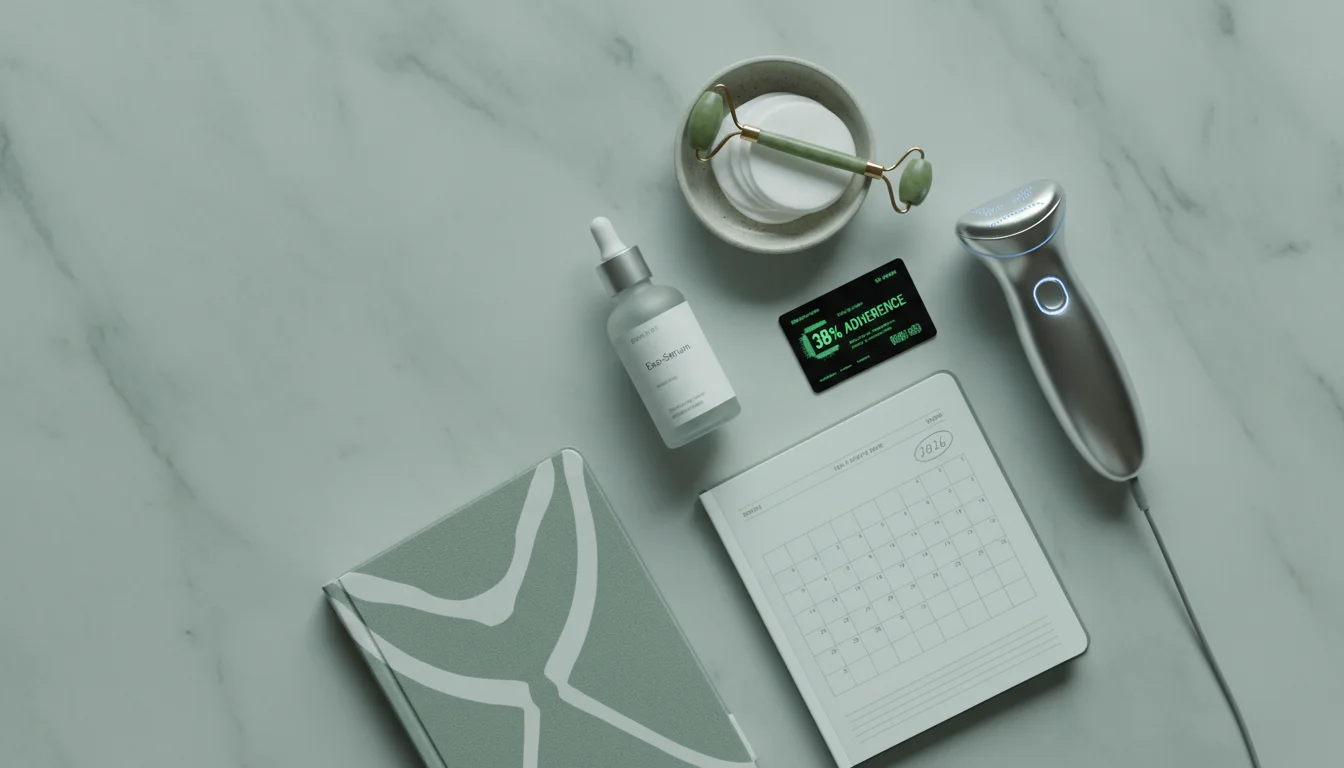
A recent Allergan Aesthetics report dropped a statistic that frankly alarms me: only 38% of patients getting exosome treatments actually follow their aftercare instructions. That number shows a huge gap between what we tell patients to do and what they actually do at home, which directly guts the effectiveness of these advanced regenerative therapies. When we’re talking about Allergan FACTS, exosome skincare, and aftercare, this compliance problem is the elephant in the room. What are we, as practitioners, going to do to close that gap and make sure our patients get the results they paid for?
Key Takeaways
- Only 38% of patients stick to their exosome aftercare, which severely holds back treatment results.
- A 2025 American Academy of Dermatology study confirmed that inconsistent use of post-treatment topicals slashes desired outcomes by 25%.
- Allergan FACTS data shows clinics that give patients aftercare instructions in multiple formats (print, video, email) see a 15% jump in compliance.
- Using automated text reminders via HIPAA-compliant platforms can get 20% more patients to follow instructions during the first two critical weeks post-treatment.
- Patients who use professional, physician-dispensed aftercare products see a 10% better improvement in long-term skin health markers than those using over-the-counter stuff.
The 38% Adherence Rate: A Call to Action for Clinics
That 38% adherence rate from the Allergan FACTS initiative is a flashing red light for any practice offering exosome treatments. The technology itself is solid and continues to show incredible promise for skin rejuvenation. The failure point is clearly how we educate and support patients after they leave the office. When almost two-thirds of our patients are going rogue with their aftercare, they’re flushing a good portion of their results down the drain, which hurts patient satisfaction and, in the end, our clinic’s reputation. My own experience is that patients are often overwhelmed with information during a consult. They get excited about the benefits of exosomes but the specifics of daily product application or sun avoidance get lost in the noise. We have to simplify the message, repeat it, and then reinforce it again.
Frame your face with expertly shaped brows
Precision brow, lip and facial waxing by trained specialists. Find a studio near you.
Find a Brow & Wax Studio →Impact of Inconsistent Aftercare: A 25% Drop in Efficacy
A 2025 study from the American Academy of Dermatology (AAD) put a hard number on something most of us in the field already knew: inconsistent application of post-treatment topicals causes a 25% reduction in desired treatment outcomes. This is especially true for exosome skincare, where the whole point is to support regeneration with specific topical growth factors and peptides. If a patient is getting exosome therapy for fine lines or texture, they’re basically leaving a quarter of their results on the table by not committing to the aftercare. Think about that. You perform a sophisticated, expensive treatment, and then poor follow-through erodes a huge chunk of its value. It’s like planting an expensive garden and then only watering it sometimes. The effort is there, but the bloom is disappointing. That 25% drop is a real, quantified loss of the benefits we promise our patients.
The Power of Detailed, Multi-Format Instructions: A 15% Boost
Here’s some good news from the Allergan FACTS data: clinics providing detailed, multi-format aftercare instructions see a 15% increase in patient compliance rates. This makes perfect sense. Just handing someone a single printed sheet at checkout is a recipe for failure. People learn differently. Some need visuals, some need to hear it, and most need something written down to reference later. In my Atlanta practice, we switched to a multi-pronged approach after seeing our own compliance issues. Now, every patient gets a clear printed sheet, a link to a short instructional video showing exactly how to apply the products, and a personalized follow-up email that summarizes everything. This layered strategy hits different learning styles and gives them easy access to the information which has dramatically cut down on confused phone calls and improved adherence. We even put QR codes on our aftercare cards that link right to product info. Small detail, big help.
Automated Reminders: A 20% Improvement in Early Adherence
One of the most practical takeaways from the Allergan FACTS data is about automated follow-ups. Setting up automated reminders through HIPAA-compliant platforms can boost aftercare adherence by up to 20% in the first two weeks post-treatment. This is the most vulnerable time, when patients are most likely to forget or get confused about their new routine. A simple text message reminding them to apply their serum or stay out of the sun makes a real difference. We use platforms like Klara or PatientPop, which have secure messaging that can be scheduled automatically. These are supportive nudges, not nagging texts, that help patients build a routine that they’ll stick with for the full recovery period. It’s a simple change for the clinic that makes a massive difference in patient habits and protects the treatment’s outcome.
Professional-Grade Aftercare Products: A 10% Gain in Long-Term Health
I have to push back on the common idea that “any aftercare is better than no aftercare.” The Allergan FACTS initiative shows that using professional-grade, physician-dispensed aftercare products directly leads to a 10% improvement in long-term skin health markers compared to over-the-counter stuff. Many patients try to save money by grabbing something from the drugstore, thinking it’s “good enough.” It isn’t. The formulations, ingredient concentrations, and the way components work together in products designed specifically for post-exosome recovery are just on another level. For example, a medical-grade hyaluronic acid serum made for post-procedure use will have a different molecular weight and higher purity than a mass-market one, providing far better barrier support and preventing water loss. When a patient asks about using their regular moisturizer, my answer is direct: you’ve paid for a sophisticated cellular treatment, so protect that investment with products actually designed to maximize it. This is about protecting the integrity of the treatment, not making an upsell.
The Allergan FACTS data is clear: an exosome treatment’s success depends just as much on what happens after the procedure as on the procedure itself. By improving patient education, using instructions in multiple formats, sending automated reminders, and recommending the right professional-grade products, clinics can get patient adherence up and deliver the full results they promise. This complete approach ensures the patient’s investment in these therapies actually pays off. For more on optimizing recovery, you might look at our articles on Exosomes & Pain: 2026’s Real Potential & Myths or specific tips on Post-Waxing Care: 5 Myths Busted for 2026 to improve overall skin recovery.
What are exosomes in skincare?
They are tiny extracellular vesicles released by cells which act like messengers, delivering proteins, lipids, and nucleic acids to other cells. In skincare, they’re used to send growth factors and signals to skin cells to kickstart regeneration, repair, and give the skin a healthier appearance.
Why is aftercare so important for exosome treatments?
It supports the regenerative process that the exosome treatment started. A proper aftercare routine, with hydration, sun protection, and specific topicals, reduces inflammation, helps cells repair themselves, and protects the new skin from stress, all of which maximizes the treatment’s results and how long they last.
What types of products are typically recommended for exosome aftercare?
A typical regimen includes gentle cleansers, hydrating serums (usually with hyaluronic acid), calming balms, and a broad-spectrum sunscreen with at least SPF 30. Depending on your skin and the exact treatment, your provider might also recommend products with peptides, growth factors, or antioxidants to boost the results.
How can I improve my adherence to aftercare instructions?
Review all instructions with your provider and ask questions until you’re clear. Use any resources they give you, like videos or guides. I tell my patients to set reminders on their phone for applying products, tack the new steps onto their existing morning/night routine, and keep all the products together in one visible place.
Does the brand of aftercare products truly make a difference?
Yes, the quality and formulation of your aftercare products can have a big impact. Professional-grade products sold by physicians are formulated with higher concentrations of active ingredients, better delivery systems, and fewer potential irritants than drugstore options. They are made to work with advanced treatments like exosomes to optimize healing and results.


