 By Emily White
After a wax, your skin is going to be sensitive and red. It’s normal. While everyone talks about hydration and calming creams, there’s a new option showing up: exosome masks. These things are loaded with cellular messengers and promise to seriously soothe your skin and help it recover faster. So, are they actually a big deal for post-wax care, or just another trend that’ll be gone by next year?
Key Takeaways
- Exosome masks work by delivering growth factors and proteins straight to your skin cells, which helps you heal faster after hair removal.
- Good skin prep is everything. If you don’t gently cleanse and tone first, the mask won’t absorb properly and you’re wasting your money.
- When you apply an exosome mask, make sure it’s touching your skin everywhere and leave it on for the full 15 to 20 minutes to get the benefits.
- Adding a quality exosome mask to your after-wax routine makes a huge difference in cutting down redness and irritation, leaving your skin much healthier.
- Always, always patch test new products. Especially when they have advanced ingredients like exosomes. You don’t want a bad reaction.
1. Prepare Your Skin: The Foundation for Recovery
The success of any post-treatment mask starts with how you prep your skin. Don’t just slap it on. You wouldn’t paint on a dirty canvas. For exosome masks, prepping is especially important because you need to give those delicate compounds the best possible chance to absorb. Start by washing the area with a mild, pH-balanced cleanser. Your skin is already angry, so avoid anything harsh or exfoliating. I always tell my clients to use a non-foaming cream cleanser because they don’t strip the skin. Then, pat, don’t rub, the skin dry with a clean, soft towel.
After cleansing, use a calming, alcohol-free toner on a cotton pad to balance your skin’s pH and get rid of any last traces of cleanser. I like toners with ingredients like witch hazel (the alcohol-free kind only) or rose water for their soothing effect. The point isn’t a deep clean, it’s just to make the skin ready for the mask. In fact, a 2024 review in the Journal of Clinical and Aesthetic Dermatology confirmed that well-prepped skin can absorb topical treatments up to 30% better, which is a big deal when you’re using expensive ingredients.
Pro Tip: If an area is super sensitive, try using cool, distilled water for your final rinse before patting it dry. This helps bring down any heat from the wax and avoids any potential irritants that might be in your tap water.
2. Understand Your Exosome Mask: Not All Are Created Equal
Before you tear open that packet, take a second to read what you’ve got. The exosome skincare market has blown up since 2023, and now there are tons of different formulas out there. Some are purely for calming inflammation, while others throw in extra peptides, hyaluronic acid, or antioxidants for more of an all-around regenerative boost. Check the ingredient list. A good exosome mask will have “exosomes” or “exosome-derived lyophilized powder” listed high up with the active ingredients. For instance, top-tier research brands like ExoCoBio are very transparent, often detailing the exact growth factors and cytokines in their products, which is what you want to see as a smart consumer.
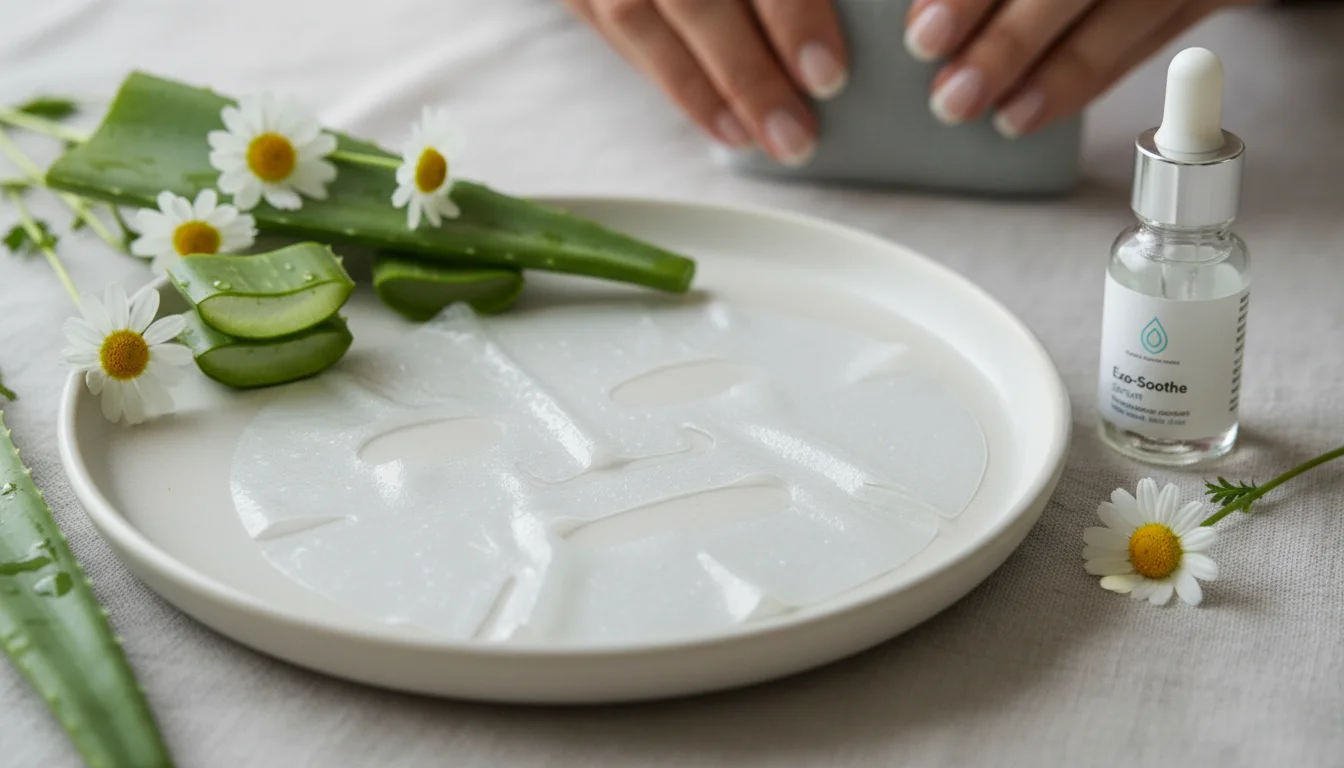
You also need to know what kind of delivery system you’re working with. Most exosome masks come as either a sheet mask that’s pre-soaked in serum or a dry mask that you have to activate with a liquid. The sheet masks are definitely more convenient and they create a nice seal on the skin so nothing evaporates. Dry masks are an extra step, but they can sometimes pack a higher concentration of the active stuff since it’s freshly mixed. Whatever you have, follow the manufacturer’s directions. If you mix it wrong or apply it incorrectly, you’ll get poor results and waste a treatment that probably wasn’t cheap.
Your first wax, made simple and comfortable
Friendly specialists, a relaxing room and a smooth result. Find a welcoming studio near you.
Find a Studio Near You →Common Mistake: Thinking any “growth factor” mask is an exosome mask. It’s not the same thing. Exosomes do contain growth factors, but they are the entire delivery vehicle, the tiny vesicles that carry a whole mix of proteins, lipids, and nucleic acids to communicate between cells. This is a much more complex mechanism than just using isolated growth factors by themselves.
3. Apply the Exosome Mask: Precision for Potency
Getting the application right is how you get your money’s worth. If you’re using a sheet mask, carefully unfold it and line it up on your face or the waxed body part. Smooth it out so there are no air bubbles trapped underneath, because those spots won’t get any of the serum. I press from the center outwards to get a good seal. If you’re masking a smaller area, don’t be afraid to take clean scissors and snip the mask to fit. After a full leg wax, for example, I might cut a big face mask into strips to cover the shins and thighs properly.
If you have a dry mask that needs to be activated, be precise. You’ll usually mix a powder with a specific liquid, like a sterile saline or a special activator serum, until you get a consistent gel or paste. Spread this mixture on in a thick, even layer. You want to create a barrier that lets the exosomes sink in without the mask drying out on your skin in two minutes. I’ve found that a clean silicone brush works really well for applying the thicker formulas without making a mess.
Pro Tip: Stick the unopened mask packet in the fridge for about 10-15 minutes before you use it. The cold feels amazing on freshly waxed skin and gives you immediate relief, adding to the whole soothing effect. Just don’t let it freeze, because you could damage the delicate compounds.
4. Relax and Let It Work: The Incubation Period
Once the mask is on, your main job is to chill out and let it do its thing. Most exosome masks need about 15 to 20 minutes to work. During this time, your skin is busy soaking up all those good components. Try to lie still and avoid talking or making a lot of facial expressions (if it’s on your face), since moving around can make the mask slip or create gaps. This is your excuse to put on some music and just be still for a bit.
You might feel a little tingle while the mask is on, which is usually normal and just means the ingredients are active. But if you feel any real burning, intense itching, or serious discomfort, that’s your cue to take it off. Get it off immediately and rinse your skin with cool water. It could be an allergic reaction or just a sensitivity. The point here is healing and comfort. Anything else is a red flag.
Common Mistake: Leaving the mask on for too long. It seems logical that longer is better, but if you let a sheet mask dry out completely on your skin, it can start to pull moisture *back out* of your skin (a process called reverse osmosis). Stick to the time on the package. If it’s a paste mask, letting it sit too long can make it harden and become a pain to remove.
5. Remove and Follow Up: Sealing in the Benefits
When the time is up, gently take off the mask. For a sheet mask, just peel it off from the edges. For a gel or paste, rinse it all off with lukewarm water until your skin is clean, then pat dry with a soft towel. You should immediately see that your skin is less red, and it will feel deeply hydrated and calm. That instant result is a big reason these masks are becoming so popular for professional post-treatment care.
But don’t stop there. The next step is to lock in all those benefits. Exosome masks deliver powerful actives, but they don’t always leave behind a lasting barrier to hold moisture in. Right after the mask, apply a good, non-comedogenic moisturizer that’s made for sensitive skin. I recommend looking for ingredients like ceramides, squalane, or colloidal oatmeal because they help repair the skin’s barrier. For areas that get extra dry or irritated, a thin layer of a balm with shea butter or calendula can also be a great final step. This layering keeps the skin protected so it can continue healing long after you’ve thrown the mask away.
Pro Tip: For an extra dose of hydration, you can apply a few drops of a pure hyaluronic acid serum right before your moisturizer. Hyaluronic acid is a humectant that grabs onto moisture, which will plump up the skin and enhance the effects of the exosome treatment, creating a really effective one-two punch of repair and hydration.
Exosome masks are a definite step forward in post-treatment skincare because they use targeted cellular communication to calm skin and speed up recovery. By following these steps, you can work these powerful treatments into your own routine and give your skin the support it needs to heal faster and look calmer after a wax. And as with any powerful new product, remember to patch test first.
What exactly are exosomes in skincare?
They’re basically tiny messengers released by cells (usually stem cells in skincare) that carry instructions in the form of proteins, lipids, and nucleic acids to other cells. In skincare, they deliver growth factors and other molecules to your skin cells to kickstart regeneration, reduce inflammation, and accelerate healing.
Are exosome masks safe for sensitive skin after hair removal?
Yes, they are generally formulated to be gentle and are often used specifically on sensitive or compromised skin because of their regenerative and anti-inflammatory job. That said, you absolutely must do a patch test on a small, hidden area of skin 24 hours before you use it all over, just to make sure you don’t have a reaction.
How often can I use an exosome mask after waxing?
You can apply one immediately after your hair removal session for instant soothing and to kick off recovery. For general skin health, some people use them weekly or bi-weekly. Always check the instructions on the specific product you’re using, as the formulas and recommended frequency can differ.
Can exosome masks help prevent ingrown hairs?
They can help indirectly. An exosome mask’s main job is to soothe inflammation and heal the skin barrier. By keeping your skin healthy and less irritated, they can reduce the kind of inflammation that often traps hairs and leads to ingrowns. They aren’t a direct treatment for ingrowns, though, proper exfoliation and waxing technique are still the most important factors.
What is the difference between exosome masks and traditional hydrating masks?
A traditional hydrating mask’s main purpose is to deliver moisture and seal it in, using ingredients like hyaluronic acid or glycerin. An exosome mask does provide hydration, but it also takes a more advanced, biological approach. It delivers complex cellular signals (like growth factors and proteins) that actively communicate with your skin cells, telling them to repair damage and reduce inflammation at a much deeper level.


