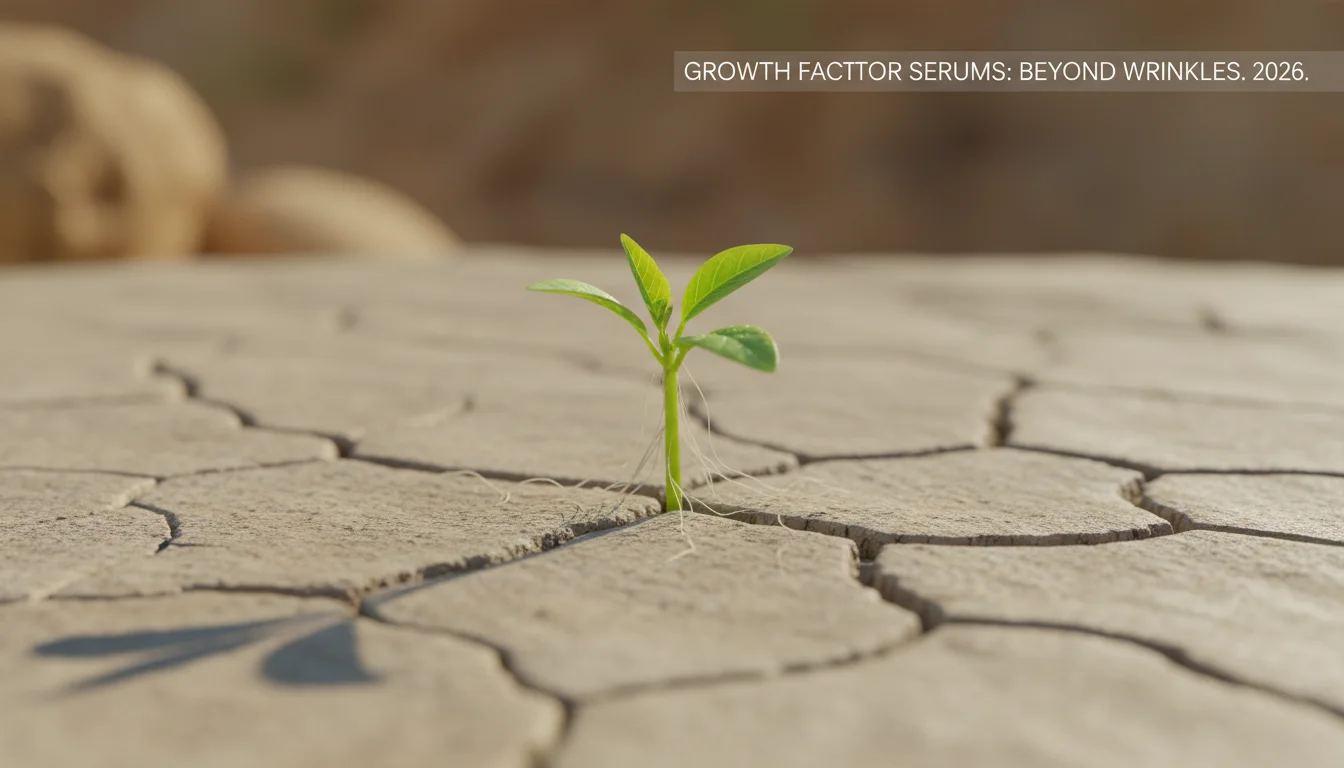
 By Michael Lee
The amount of bad info floating around about advanced skincare is wild, especially when it comes to the benefits of growth factor serums. People hear “growth factors” and immediately think they’re just another anti-aging gimmick, completely missing how they build up skin resilience and can even help reduce discomfort.
Key Takeaways
- Growth factor serums have signaling proteins that kickstart your skin’s own repair, improving the barrier and calming sensitivity.
- Dermatology studies show specific factors like epidermal growth factor (EGF) and fibroblast growth factor (FGF) speed up healing and cut down post-procedure irritation.
- To get the most out of them, apply to clean, damp skin twice a day. This helps the complex proteins absorb properly.
- Use a good serum consistently and you can see real changes in texture and less chronic redness in about 8 to 12 weeks.
- Stick with brands that are transparent about where their growth factors come from and what the concentrations are, ideally with independent lab tests to back it up.
Myth 1: Growth Factor Serums Are Only for Wrinkles
Sure, people see “growth factors” and think wrinkles. And yes, they help with a more youthful look by boosting collagen and elastin, but that’s barely scratching the surface of what they do. At their core, growth factor serums are about supporting the skin’s own repair crew. They’re like project managers for your cells, telling them to get to work more efficiently. For example, epidermal growth factor (EGF) is a major player in cell proliferation and differentiation, which is why it’s so good for wound healing. A 2024 study published in the Journal of Investigative Dermatology showed that EGF helps rebuild the epidermal layer faster, making skin stronger and less reactive. A stronger barrier means less sensitivity and discomfort. When your skin can fix itself properly, it can better fend off the environmental and internal junk that causes pain and irritation.
Nervous about your first wax? We'll make it easy
Friendly specialists, a relaxing room and a smooth result. Find a welcoming studio near you.
Find a Studio Near You →Myth 2: All Growth Factors Are the Same and Deliver Identical Benefits
It’s a huge mistake to think every product labeled “growth factor serum” on the shelf is the same. The reality is much more complex. Different growth factors have different jobs. For instance, fibroblast growth factors (FGFs) get fibroblasts to produce more collagen and other parts of the extracellular matrix, which beefs up the dermal layer. That can help with that tight, fragile feeling you get with compromised skin. Then you have something like vascular endothelial growth factor (VEGF), which promotes new blood vessels to get nutrients in and waste out, super important for healthy tissue and calming down inflammatory discomfort. So, a serum’s effectiveness really comes down to the specific cocktail of growth factors inside, their concentration, and whether the formula can actually keep them stable and get them into your skin. A formula loaded with factors for barrier repair and inflammation control is obviously going to do more for reduced pain and sensitivity than one that’s only focused on collagen. Good brands will tell you exactly which factors are in the bottle so you can make a smart choice.
“If a therapy is recommended by SIO, ASCO, or NCCN guidelines, it should be covered. At a minimum, coverage policies should align with the same evidentiary standards used to develop those guidelines.”
Myth 3: More Growth Factors Mean Better Results for Pain Reduction
That “more is better” thinking is a real problem in skincare, and it definitely applies here. People assume a higher concentration or a laundry list of growth factors is the magic bullet for skin discomfort, but the skin just doesn’t work that way. There’s a sweet spot for each growth factor, and piling on more doesn’t add extra benefit and can sometimes backfire. What really matters is how the different factors work together and how they’re delivered. A smart formula will have a balanced mix of a few key players, like EGF and FGF, but will also include other ingredients like peptides and antioxidants to create a supportive environment for skin health. Think of it this way: those other ingredients prep the skin so it can actually listen to what the growth factors are saying, making them more effective. A 2025 report from the Dermatology Times even emphasized that stability and precise delivery are often more critical than sheer quantity for bio-actives like these. You want to fine-tune cellular communication, not scream at your skin.
Myth 4: Growth Factor Serums Work Instantly to Reduce Discomfort
Everyone wants immediate relief, especially when their skin is constantly uncomfortable. While some products give you that instant cooling feel, the real work of growth factor serums happens on a much deeper, slower timeline. These serums are telling your skin to kick its own repair and regeneration cycles into a higher gear, and things like cell turnover and building new, healthy skin components just don’t happen overnight. It takes a full skin cycle, about 28 days if you’re young, longer as you get older, just to start seeing changes in texture. For chronic sensitivity or post-procedure pain, you need to be consistent for weeks, sometimes months, to let the growth factors rebuild the skin’s fundamental structure. Practitioners, like the team at the Emory Dermatology Clinic in Atlanta, Georgia, often see big drops in reported discomfort and better barrier function after 8 to 12 weeks of daily use. You just have to be patient and stick with it.
Myth 5: Growth Factor Serums Are Only for Severely Damaged Skin
This is a big one: the idea that you should only reach for growth factor serums if you have major skin trauma like a post-surgical scar or a bad burn. While they are fantastic for that kind of recovery, using them only in emergencies misses the point entirely. Even perfectly healthy skin gets a huge boost from the proactive support growth factors provide. Regular use strengthens your skin’s defenses against daily attacks from pollution and UV radiation, the kind of low-grade stress that leads to subtle inflammation and that nagging feeling of discomfort. By keeping cells working at their best, these serums can stop minor irritations from turning into chronic issues. It’s just smart maintenance for your skin (kind of like regular exercise for your body), helping to prevent sensitivity and reactive pain from showing up in the first place.
Myth 6: Natural Ingredients Can Replace Synthetic Growth Factors
With the huge push for “natural” and “clean” beauty, it’s easy to think some botanical extract can do the same job as a scientifically engineered growth factor. But that’s not how it works. Natural ingredients can be great, aloe vera soothes, antioxidants protect, but they don’t have the specific signaling proteins you find in growth factor serums. They don’t speak the same language as your cells to direct repair and regeneration. A plant extract might provide general support, but does it contain EGF or FGF to tell fibroblasts to get moving? No. The power of growth factors is that they are biomimetic. They are basically identical to the proteins your own body makes, which is why they get such a specific and measurable biological response that you just can’t get from a broad-spectrum plant extract. The scientific work that goes into creating stable, effective growth factor formulas puts them in their own unique category in advanced skincare. Once you understand what they’re really doing, you see it’s about so much more than surface looks. They have a real impact on skin health and comfort by supporting the skin’s own healing systems, giving you a legitimate path to reduced pain and stronger skin.
What exactly are growth factors in a serum?
They’re proteins that act like messengers between your skin cells. In a serum, we use them to tell your cells to get busy with things like making more collagen and repairing tissue, which is fundamental for healthy, strong skin.
How can a growth factor serum reduce skin pain?
They strengthen your skin’s protective barrier and speed up its own repair shop. This calms down inflammation and makes the skin less sensitive overall, which means you feel less discomfort or pain.
Are there any side effects associated with growth factor serums?
Most people tolerate them really well. Like with any active ingredient though, some people might see a little initial irritation, redness, or a breakout when they first start. It’s always smart to do a patch test before going all-in.
How quickly can I expect to see results from a growth factor serum for pain reduction?
You might notice your skin’s texture feels better in a few weeks, but for a real reduction in pain or sensitivity, you need to be consistent for about 8 to 12 weeks. Cellular repair takes time.
Can growth factor serums be used on sensitive skin?
Absolutely. In fact, a lot of them are made specifically to help calm and support sensitive skin by improving the barrier and dialing down inflammation. I’d just recommend picking a formula without added fragrance or harsh alcohols and checking with a dermatologist if your skin is super reactive.


