 By David Miller
If you’re a first-time waxer, especially with sensitive skin, the idea of a bikini wax can be pretty intimidating. And in a city like Los Angeles, where everyone’s focused on skin health, you want to know how to get it done right without a ton of pain and irritation. This guide will walk you through the prep, the types of wax, and what a comfortable first appointment should actually feel like.
Working through Your First Wax: The Pre-Appointment Conversation
A gentle waxing experience starts way before you’re on the treatment table. For first-timers in Los Angeles with sensitive skin, having a real talk with your esthetician beforehand isn’t just a good idea, it’s essential. This is your chance to bring up any worries, skin issues, or bad reactions you’ve had to hair removal in the past. Any good salon will have no problem answering your questions. You need to tell them about:
- Your Skin History: Mention any allergies, eczema, psoriasis, or anything else going on with your skin.
- Medications and Topicals: Be totally upfront about any medications you’re on, especially retinoids (like Retin-A, Differin, or Tretinoin) or any exfoliating creams. It’s absolutely non-negotiable to disclose if you’re taking or have recently finished a course of oral isotretinoin, which you probably know as Accutane, because waxing is strictly forbidden during and for a long time after treatment. These drugs make your skin incredibly fragile and thin, putting you at high risk for tearing or serious irritation during a wax.
- Recent Sun Exposure: In a sunny place like Los Angeles, this comes up a lot. Sunburned or even just really tan skin is compromised skin. You can’t wax it. This is a big one for clients here.
- Previous Hair Removal Methods: Let them know if you’ve been shaving, using creams, or have tried waxing before.
This kind of open conversation lets your esthetician adjust the service just for you, which is how you get the safest and most comfortable result.
Hard Wax Versus Soft Wax: The Sensitive Skin Advantage
To minimize discomfort and irritation on sensitive spots like the bikini line, the type of wax used is everything. At The Gentle Wax, we always advocate for hard wax because it’s just a less painful way to go. Soft wax is that thin kind that’s applied and then ripped off with a cloth strip. The problem is, it sticks to both your hair and your skin. While it can work on big, tough areas like legs, that double-adhesion can really pull and irritate delicate skin, leaving behind redness, bumps, or even lifted skin, especially on a first-timer. Hard wax is different. It’s applied thicker and hardens on its own, so the esthetician can remove it without a strip. Its advantage is how it works: hard wax basically shrink-wraps around the hair itself, not your skin. This simple difference reduces that awful tugging feeling and minimizes trauma to the surrounding area. For sensitive skin, this means:
- Reduced Pain: Less pulling on the skin equals a lot less ouch.
- Minimized Irritation: The skin isn’t as traumatized, so you see less redness and inflammation afterward.
- Fewer Ingrown Hairs: Because it grabs the hair so well, hard wax is less likely to break it off below the surface, which is a common cause of ingrowns.
Lots of reputable salons, including places like European Wax Center, use their own special hard wax formulas (sometimes called “Comfort Wax”) designed specifically to stick to hair, not skin. This approach is exactly what sensitive first-timers need for a gentle bikini wax.
What a Gentle First-Time Waxing Service Should Feel Like
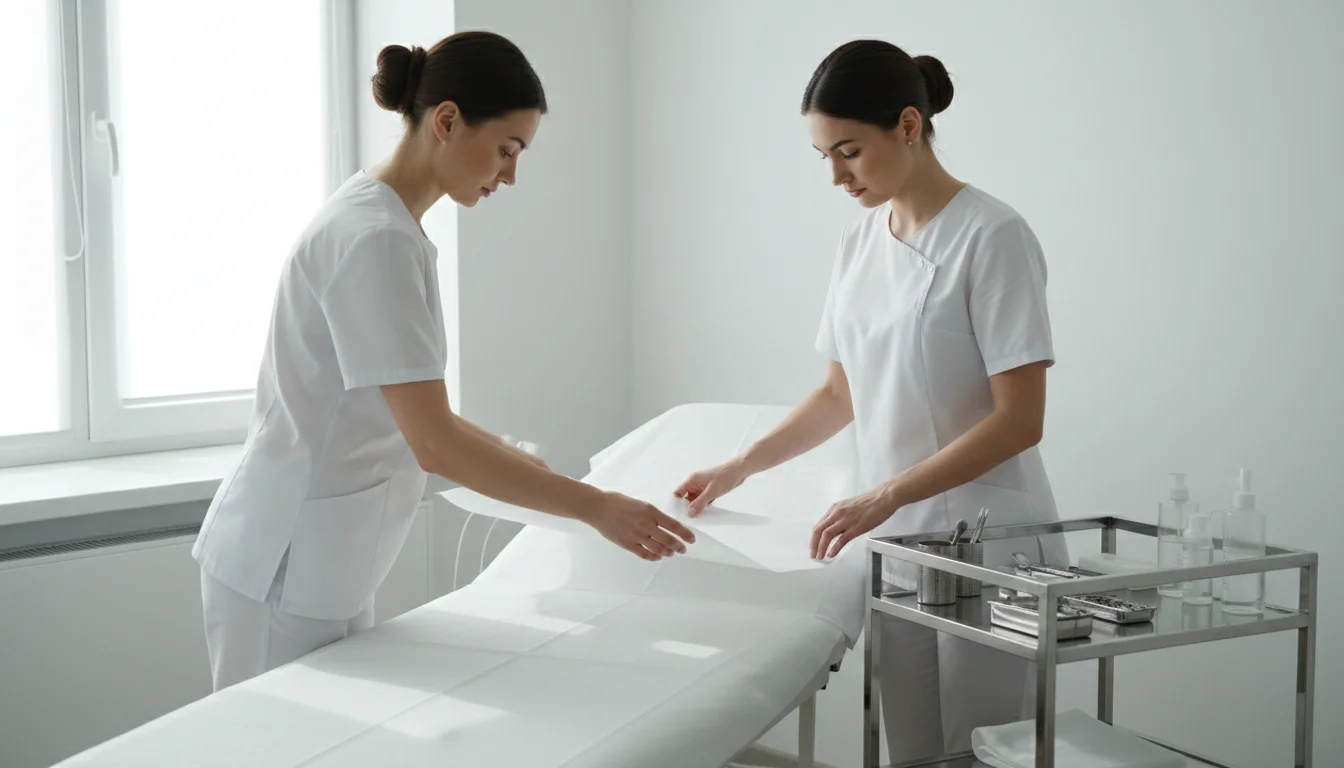
A gentle waxing service for a first-timer with sensitive skin involves more than just the wax. It’s about the entire process, from the moment you walk in to the aftercare advice you leave with. Here’s what to expect:
Nervous about your first wax? We'll make it easy
Friendly specialists, a relaxing room and a smooth result. Find a welcoming studio near you.
Find a Studio Near You →Thorough Skin Preparation
Before a drop of wax touches you, the esthetician should cleanse the area to get rid of any oil, lotion, or sweat. After that, they might apply a pre-wax oil or powder. This creates a small barrier that protects your skin and helps the wax stick only to the hair. This step minimizes discomfort and prevents a lot of potential irritation.
Skilled Application and Removal
An experienced tech will work in small, manageable sections to be precise. How they remove the wax is just as important as how they apply it. A quick, confident pull that stays parallel to the skin is the key to minimizing pain and preventing skin from lifting. If they’re using hard wax, they’ll let it set completely before removing it so nothing gets left behind. A good esthetician will also keep talking to you. Are you doing okay? How’s the temperature? That kind of communication is key.
Immediate Soothing Aftercare
The second the waxing is done, your esthetician should immediately put a soothing product on the area. This might be a cooling gel or a calming oil with ingredients like aloe vera, chamomile, or tea tree oil to fight inflammation and kill bacteria. This step calms sensitive skin right down after the service.
LA-Specific Considerations: Sun Exposure and Retinoids
For anyone in Los Angeles, two common things can completely derail a waxing appointment: getting too much sun and using retinoids. Both can damage the skin’s integrity, making waxing a really bad idea.
Sun Exposure and Tanned Skin
With all the sunshine in Los Angeles, it’s normal for residents to be a little tan. But waxing skin that’s sunburned or even just deeply tanned is a major no-go. Sun-damaged skin is already inflamed and weak. Putting hot wax on it and pulling can cause terrible irritation, skin lifting, dark spots (hyperpigmentation), or even scars. You must wait until any sunburn is 100% healed and your skin is back to normal before you even think about waxing. Even a good tan can make skin more fragile, so always discuss your recent sun exposure with your esthetician. Dermatological guidelines on sun exposure and skin treatments
Retinoid Use
Retinoids are everywhere, from prescription creams like Tretinoin (Retin-A, Retin-A Micro) to over-the-counter retinol products for anti-aging and acne. These ingredients work by speeding up cell turnover, which makes the top layer of your skin thinner. Trying to wax skin that’s been thinned out by retinoids can cause it to tear right off. The general rule is to stop using any retinoid product on the area you plan to wax for at least 5-7 days before your appointment, sometimes longer. Always check with your doctor or esthetician for advice based on your specific product and skin type. Skincare professional advice on retinoids and waxing
When to Reschedule Your Waxing Appointment
To protect your skin, you have to know when to call and postpone your appointment. For first-timers with sensitive skin, especially in a place like LA with its unique lifestyle factors, following these rules ensures a better, gentler experience. You should always reschedule your wax if:
- You have any open cuts, scrapes, or broken skin in the area.
- You have a sunburn or even a fresh, dark tan there.
- You’re dealing with an active skin infection, rash, or irritation (like a herpes or fungal outbreak).
- You’ve been using retinoids or other skin-thinning medications and haven’t waited the recommended amount of time. And if you’re on oral isotretinoin (Accutane), waxing is off the table during your treatment and for at least 6-12 months after your last pill. No exceptions.
- You’ve recently had a chemical peel, microdermabrasion, or laser treatment in that area.
- You just don’t feel well or you have a fever.
- The area just feels unusually sensitive or sore for no obvious reason.
Your esthetician’s top priority is your skin’s health and comfort. Rescheduling when you need to is the responsible choice. It prevents problems and makes sure that when you do come in, you’ll have a much better time. Your first waxing experience, especially with sensitive skin in a city like Los Angeles, just requires a little preparation and making smart choices. Understanding why hard wax is better, talking openly with your esthetician, and paying attention to things like sun exposure and retinoid use will set you up for a gentle and effective wax. The goal is to get that smooth skin without all the drama, making your first bikini wax a genuinely positive experience.
Frequently Asked Questions
What should I tell my esthetician before my first wax, especially if I have sensitive skin?
You should disclose any known allergies, skin conditions like eczema or psoriasis, and all medications you are taking, especially retinoids or oral isotretinoin. Also, inform them about recent sun exposure or if you have tanned skin, as compromised skin should not be waxed. This information helps your esthetician tailor the service safely.
What type of wax is best for sensitive skin and why?
Hard wax is recommended for sensitive skin, especially for delicate areas like the bikini line. Unlike soft wax, hard wax primarily shrink-wraps around the hair instead of strongly adhering to the skin. This reduces tugging, minimizes trauma, and lessens discomfort, irritation, and the likelihood of ingrown hairs.
What should I expect during a gentle first-time waxing service?
Expect thorough skin preparation, including cleansing and possibly a pre-wax oil or powder to protect your skin. The esthetician should apply and remove wax in small sections with a quick, confident pull. Afterward, a soothing product like a cooling gel or hydrating lotion will be applied to reduce redness and inflammation.
Are there any specific concerns for LA residents regarding waxing?
Yes, for LA residents, recent sun exposure and the use of retinoids are significant concerns. Sunburned or tanned skin is compromised and should not be waxed. Medications like retinoids can thin the skin, making it more susceptible to tearing or irritation during waxing, so disclosure is crucial.


