 By Editorial Team
Choosing between a numbing spray and a numbing cream for pain relief can feel like navigating a maze of options, each promising quick comfort. From minor skin irritations to pre-procedure preparation, understanding the nuances of each delivery method is essential for effective pain management. But when it comes to topical analgesia, which truly offers the superior solution?
Key Takeaways
- Numbing sprays offer faster onset of action, typically within 60 seconds, due to their rapid absorption and volatile carriers.
- Numbing creams provide longer-lasting pain relief, often extending for 2-4 hours, due to their thicker base and slower release of active ingredients.
- For precise application on smaller, defined areas, numbing creams are generally superior, minimizing overspray and potential systemic absorption.
- Sprays are more effective for covering larger, difficult-to-reach areas quickly, making them ideal for generalized discomfort or athletic recovery.
- Always consult a dermatologist or healthcare professional to determine the most appropriate numbing agent for specific conditions and skin types.
Understanding the Mechanics: How They Deliver Relief
As a dermatologist with over a decade of experience, I’ve seen countless patients seeking relief from various forms of skin discomfort – from the sting of a minor sunburn to the anticipation of a cosmetic procedure. The fundamental difference between numbing sprays and numbing creams lies in their formulation and how those formulations interact with your skin. Both aim to deliver a local anesthetic, like lidocaine or benzocaine, to nerve endings, effectively blocking pain signals. However, their delivery mechanisms are worlds apart, dictating their speed, duration, and ideal applications.
Numbing sprays typically utilize volatile solvents, such as alcohol, to create a fine mist. This allows for incredibly rapid evaporation, leaving the active anesthetic ingredient directly on the skin’s surface for quick absorption. Think of it like a flash flood – intense, fast, and covering a broad area almost instantly. This rapid onset is a significant advantage when immediate relief is paramount, say, after a sudden scrape or before a quick injection. The downside? That same volatility often means the anesthetic dissipates more quickly, leading to a shorter duration of effect. Furthermore, the alcohol base can be drying or irritating for sensitive skin, a factor I always discuss with my patients, especially those prone to eczema or rosacea.
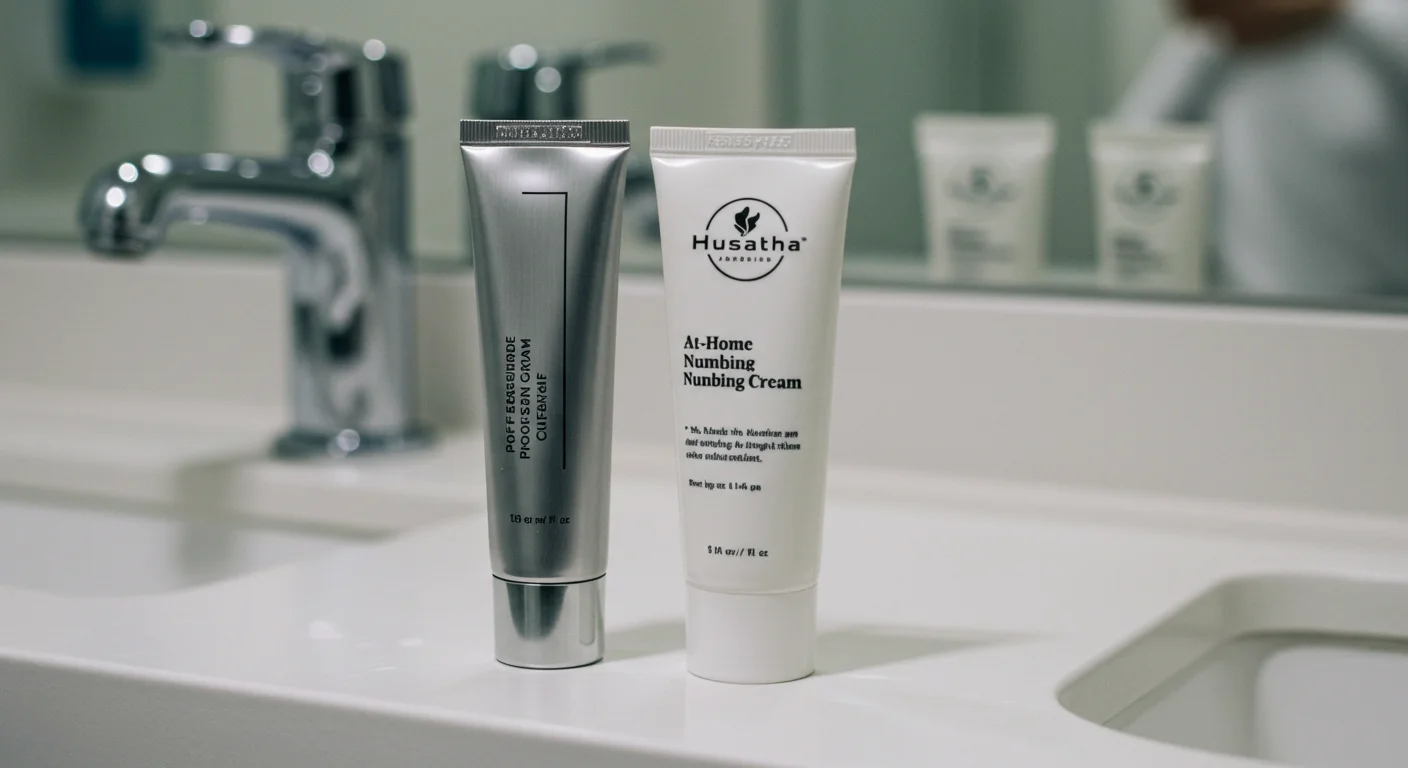
Numbing creams, on the other hand, are formulated with a thicker, emollient base. This base, often a blend of water, oils, and waxes, allows for a slower, more controlled release of the anesthetic. Imagine a steady, gentle rain – it takes longer to soak in, but the moisture penetrates deeper and lasts longer. This sustained release translates to a longer duration of numbing, often making creams the preferred choice for procedures that require prolonged comfort. The thicker consistency also allows for more precise application, which is crucial for targeted treatments. However, this thicker base means a longer absorption time, sometimes requiring 30 minutes to an hour before the full numbing effect is achieved. We often advise patients to apply these creams well in advance of their appointment at our clinic, sometimes even an hour before they leave home.
Speed vs. Longevity: Choosing Your Priority
The eternal debate often boils down to this: do you need fast relief or long-lasting comfort? My professional opinion is unequivocal: sprays excel in speed, while creams dominate in longevity. There’s no “one size fits all” here; the best choice depends entirely on the specific situation and your personal needs.
Consider a scenario where you’ve just received a superficial cut during meal prep. You want to clean it, perhaps apply a bandage, and you need that initial sting to subside immediately. A numbing spray is your ally here. According to a study published in the Journal of Dermatologic Surgery, lidocaine sprays can achieve significant anesthesia within 60-90 seconds, making them incredibly effective for acute, minor pain. The rapid evaporation chills the skin, providing an additional immediate analgesic effect that creams simply cannot replicate. I’ve personally used lidocaine sprays for minor biopsies in patients who are particularly needle-phobic, where that instant desensitization makes all the difference in their comfort level.
Conversely, for procedures like laser hair removal, microneedling, or even extensive tattooing, where discomfort can persist for an hour or more, a numbing cream is the undisputed champion. A report by the American Academy of Dermatology emphasizes the importance of allowing adequate time for topical creams to penetrate the stratum corneum for optimal efficacy. We often recommend applying a thick layer of a 5% lidocaine cream at least 30-60 minutes prior to a procedure, sometimes even occluding it with plastic wrap to enhance absorption. This extended preparation time ensures that the anesthetic reaches the deeper nerve endings, providing a sustained numbing effect that can last for 2-4 hours. I had a client last year preparing for a full leg laser hair removal session. She was incredibly sensitive to pain. We opted for a high-concentration lidocaine cream, applied an hour before, and the difference in her comfort and compliance was remarkable compared to previous sessions where she’d only used a quick-acting spray. The sustained numbing allowed the technician to work efficiently without frequent breaks.
Application Precision and Coverage: Where Each Shines
Beyond speed and duration, the method of application itself plays a crucial role in determining whether a spray or a cream is the better choice. This comes down to precision versus coverage.
Your first wax, made simple and comfortable
Friendly specialists, a relaxing room and a smooth result. Find a welcoming studio near you.
Find a Studio Near You →When you need to target a very specific, small area – think a single insect bite, a small wart removal, or the injection site for a dermal filler – numbing creams offer unparalleled precision. Their viscous consistency allows you to apply a controlled amount exactly where it’s needed, minimizing exposure to surrounding skin. This is particularly important for areas like the face, where you want to avoid numbing unintended regions or getting the product into sensitive areas like the eyes. The ability to massage the cream gently into the skin also ensures better absorption in a localized spot. We often use a cotton swab to apply cream to specific blemishes or pre-injection sites, ensuring accuracy and reducing the risk of systemic absorption, which can happen if large areas are covered with high concentrations of anesthetic.
However, if you’re dealing with a larger surface area or a spot that’s difficult to reach – like a broad muscular ache on your back after an intense workout, or a widespread rash – numbing sprays become the more practical and efficient option. Their ability to deliver a fine, even mist over a wide expanse quickly is a distinct advantage. Imagine trying to rub cream over your entire upper back alone – it’s awkward and time-consuming. A spray can cover that same area in seconds. This ease of application also makes sprays popular for athletes who need quick relief across larger muscle groups. While the precision might be lower, the sheer coverage and speed of application can outweigh that concern for generalized discomfort. My advice? For broad application, especially on areas you can’t easily reach, a spray is almost always the better, less messy, and more effective solution.
Potential Side Effects and Safety Considerations
While both numbing sprays and creams are generally safe when used as directed, it’s absolutely critical to understand their potential side effects and how to mitigate risks. This is where professional guidance truly matters.
The primary concern with any topical anesthetic is systemic absorption, meaning the active ingredient gets into your bloodstream. While rare with proper use, excessive application over large areas, application to broken or inflamed skin, or prolonged contact can increase this risk. Symptoms of systemic toxicity can include dizziness, lightheadedness, ringing in the ears, and in severe cases, cardiac or central nervous system effects. This is why I always stress adhering to dosage instructions and never exceeding the recommended application amount or frequency.
Numbing sprays, due to their rapid absorption and often alcohol-based carriers, can sometimes cause localized skin irritation, dryness, or a temporary burning sensation. The cooling effect can be a double-edged sword; while initially soothing, it can also exacerbate sensitivity in some individuals. Sprays also pose a risk of inhalation if not used in a well-ventilated area, though this is typically a minor concern with over-the-counter products. Always apply in an open space, never directly to the face without shielding eyes and mouth. The U.S. Food and Drug Administration (FDA) regularly issues warnings regarding the misuse of topical anesthetics, particularly those containing high concentrations of lidocaine or benzocaine, emphasizing the importance of following label directions.
Numbing creams, while less prone to rapid systemic absorption due to their thicker base, can still cause localized allergic reactions in some individuals, presenting as redness, itching, or swelling. The occlusive nature of some creams can also trap heat, potentially leading to irritation if left on for too long or if the skin is sensitive. We always advise a patch test on a small, inconspicuous area of skin 24 hours before widespread application, especially for those with known skin sensitivities. Furthermore, the temptation to apply a “double dose” for extra numbing is a dangerous one; more isn’t always better, and it significantly increases the risk of adverse effects. I once had a patient who, against my specific instructions, applied an entire tube of high-concentration lidocaine cream to her back for muscle pain. She developed significant dizziness and nausea. We had to emphasize that while these products are topical, they are still medications and must be treated with respect and caution.
A note of caution: Never apply numbing agents to open wounds, severely burned skin, or mucous membranes unless specifically directed by a healthcare professional. These areas allow for much greater absorption and significantly increase the risk of adverse reactions. When in doubt, consult your doctor or pharmacist. They can assess your specific health profile and recommend the safest and most effective product for your needs.
Case Study: The Marathon Runner’s Choice
Let me share a concrete example from my practice. Last year, we treated a 42-year-old marathon runner, Sarah, who came to us complaining of persistent IT band friction syndrome and plantar fasciitis after increasing her training mileage. Her race was in three weeks, and she needed effective, localized pain relief to continue her regimen without resorting to oral painkillers, which often upset her stomach during long runs.
For her IT band pain, which was a broad, diffuse ache along the side of her thigh, we initially considered a high-concentration numbing spray. The appeal was its ability to cover a large area quickly after her runs, providing immediate relief. We recommended a 4% lidocaine spray, applied in two quick bursts from about 6 inches away, allowing it to air dry for 30 seconds. This approach worked well for immediate post-run discomfort, providing about 60-90 minutes of reduced sensation, allowing her to stretch and ice more comfortably. The total cost for a month’s supply of spray was approximately $18-25.
However, for her more localized and deeper plantar fasciitis pain, particularly around the heel and arch, the spray proved less effective for sustained relief. The superficial nature of the spray meant the analgesic wasn’t penetrating deeply enough into the dense tissues of her foot to provide lasting comfort during her longer training sessions. For this, we switched to a 5% lidocaine numbing cream. We instructed her to apply a pea-sized amount directly to the painful heel and arch area, massaging it in thoroughly, and then covering it with a sock and athletic tape about 45 minutes before her runs. This allowed the cream ample time to absorb and provide a deeper, longer-lasting numbing effect, typically lasting 2-3 hours. The precision of the cream allowed her to target the exact points of pain without affecting her entire foot, which was important for maintaining proprioception during her runs. The cream cost around $25-35 for a similar duration of use.
The outcome? By strategically using both a numbing spray for broad, immediate post-activity relief on her IT band and a numbing cream for targeted, sustained pre-activity relief on her plantar fasciitis, Sarah was able to manage her pain effectively. She completed her marathon with significantly less discomfort than anticipated, attributing her success partly to this tailored topical pain management strategy. This case clearly illustrates that the “better” option isn’t always one or the other, but rather the right tool for the right job, often used in conjunction.
Conclusion: Tailoring Your Topical Anesthetic Approach
Ultimately, the choice between a numbing spray and a numbing cream isn’t about one being universally superior, but about aligning the product’s characteristics with your specific pain management needs. Always consider the area, the desired speed of relief, the required duration of effect, and your individual skin sensitivity before making your selection. A thoughtful approach ensures optimal comfort and safety.
Can I use numbing spray and numbing cream together?
Generally, it’s not recommended to use both a numbing spray and a numbing cream simultaneously on the same area without consulting a healthcare professional. Combining them can increase the risk of systemic absorption and potential side effects, as you might exceed the safe dosage of the active anesthetic ingredient.
How long does it take for numbing spray to work?
Numbing sprays typically work very quickly, with an onset of action often within 30 seconds to 2 minutes. This rapid effect is due to their volatile carriers and efficient delivery of the anesthetic to the skin’s surface.
Is numbing cream safe for sensitive skin?
While many numbing creams are formulated to be gentle, some individuals with sensitive skin may experience irritation, redness, or allergic reactions. It’s always advisable to perform a patch test on a small, inconspicuous area of skin 24 hours before widespread application to check for any adverse reactions.
Can numbing sprays be used for dental procedures?
Specific numbing sprays designed for oral use, often containing benzocaine, are available over-the-counter for temporary relief of toothache or gum irritation. However, these are different from skin numbing sprays and should only be used as directed by a dentist or the product’s instructions for dental applications.
What’s the maximum amount of numbing cream I can safely use?
The maximum safe amount of numbing cream depends on the concentration of the active ingredient (e.g., lidocaine), the size of the area being treated, and individual factors. Always strictly follow the dosage instructions provided on the product label or by your healthcare provider, and never exceed the recommended amount or frequency of application to avoid potential systemic toxicity.


