 By Editorial Team
Key Takeaways
- Always consult with a licensed dermatologist or medical aesthetician to determine the most appropriate numbing agent and pre-treatment regimen for your specific skin type and procedure.
- Begin your pre-appointment prep, including hydration and avoiding certain medications, at least 7-10 days before your scheduled aesthetic treatment for optimal results and reduced recovery time.
- Invest in high-quality, medical-grade skincare products recommended by your practitioner to support your skin’s barrier function and enhance the efficacy of numbing and post-procedure healing.
- Proper numbing, when applied correctly and with adequate time, significantly reduces discomfort during treatments like microneedling or laser therapies, improving the overall patient experience.
- A detailed post-procedure care plan, discussed and understood before your appointment, is as vital as pre-appointment prep for successful healing and long-term skin health.
When it comes to aesthetic procedures, the difference between a tolerable experience and a truly comfortable one often boils down to effective numbing and pre-appointment prep. We’ve seen firsthand how a little foresight can transform a client’s journey, especially when they’re nervous about discomfort. Is your skin truly ready for the best possible outcome?
Our story begins with Sarah, a vibrant 38-year-old marketing executive from Buckhead, Atlanta. Sarah had always been meticulous about her skincare, but after years of sun exposure and late nights, she was starting to notice fine lines and uneven texture. She decided to invest in a series of advanced microneedling treatments at our clinic, SkinDeep Aesthetics, located just off Peachtree Road near Lenox Square. Sarah was excited about the potential results but, understandably, quite apprehensive about the pain. She’d heard stories – some exaggerated, some not – about the discomfort associated with microneedling. Her primary concern was, “How can I make this as painless as possible?”
The Initial Consultation: Addressing Sarah’s Fears
During her initial consultation with our lead aesthetician, Maria Rodriguez, Sarah expressed her anxieties openly. “I really want to do this, Maria,” she confessed, “but I have a low pain tolerance. I’m worried I won’t be able to handle it.” This is a common sentiment we encounter. Many clients, like Sarah, are keen on improving their skin health but are held back by fear of pain. Maria, with her decade of experience, immediately put Sarah at ease. “Sarah,” she explained, “pain management and proper preparation are half the battle. We have a robust protocol for numbing and pre-appointment prep that makes a huge difference.”
Maria emphasized that effective numbing isn’t just about slathering on a cream five minutes before the procedure. It’s a strategic process. For Sarah’s microneedling, which involves creating controlled micro-injuries to stimulate collagen production, we typically use a combination of topical anesthetics. “We’ll apply a medical-grade lidocaine-based numbing cream, usually around 23% lidocaine, about 45-60 minutes before your treatment,” Maria detailed. “This gives the active ingredients ample time to penetrate the skin and block nerve signals.” This isn’t something you can just pick up at a drug store; these are prescription-strength compounds formulated for professional use.
Beyond the Numbing Cream: The Holistic Prep Approach
But numbing cream is only one piece of the puzzle. Maria then walked Sarah through the broader pre-appointment prep strategy. “Your skin’s condition leading up to the treatment significantly impacts both your comfort and the final results,” Maria stated emphatically. “Think of it like preparing a canvas before painting a masterpiece.”
The first crucial step for Sarah was hydration. “For at least a week before your appointment, we need you to focus on internal and external hydration,” Maria advised. “Drink plenty of water – we’re talking eight to ten glasses a day. Dehydrated skin is more sensitive and can be more prone to irritation. Also, continue with your gentle, hydrating skincare routine, focusing on products with ingredients like hyaluronic acid and ceramides.” We recommend products like the SkinCeuticals Hydrating B5 Gel (SkinCeuticals official site) for deep hydration.
Next, Maria discussed avoiding certain medications and supplements. “Anything that thins your blood can increase bruising and sensitivity,” she cautioned. “This includes over-the-counter pain relievers like ibuprofen and aspirin, as well as supplements like fish oil, Vitamin E, and Ginkgo Biloba. We ask clients to discontinue these for at least 7-10 days prior to treatment, always after consulting their primary physician, of course.” This is a non-negotiable for us. I once had a client who forgot to stop their daily aspirin, and while the microneedling itself was successful, the subsequent bruising was far more extensive than it should have been, prolonging their recovery. It’s a small detail with big consequences.
Sun exposure was another critical point. “Absolutely no direct sun exposure or tanning beds for at least two weeks before your treatment,” Maria stressed. “Sunburned or even just tanned skin is compromised skin. It increases the risk of hyperpigmentation and makes the treatment much more uncomfortable.” Sarah, who enjoyed weekend walks along the BeltLine, was instructed to wear a broad-spectrum SPF 50+ sunscreen diligently, even on cloudy days. We often recommend EltaMD UV Clear Broad-Spectrum SPF 46 (EltaMD official site) for its lightweight, non-comedogenic formula.
Nervous about your first wax? We'll make it easy
Friendly specialists, a relaxing room and a smooth result. Find a welcoming studio near you.
Find a Studio Near You →The Day of the Appointment: Execution and Experience
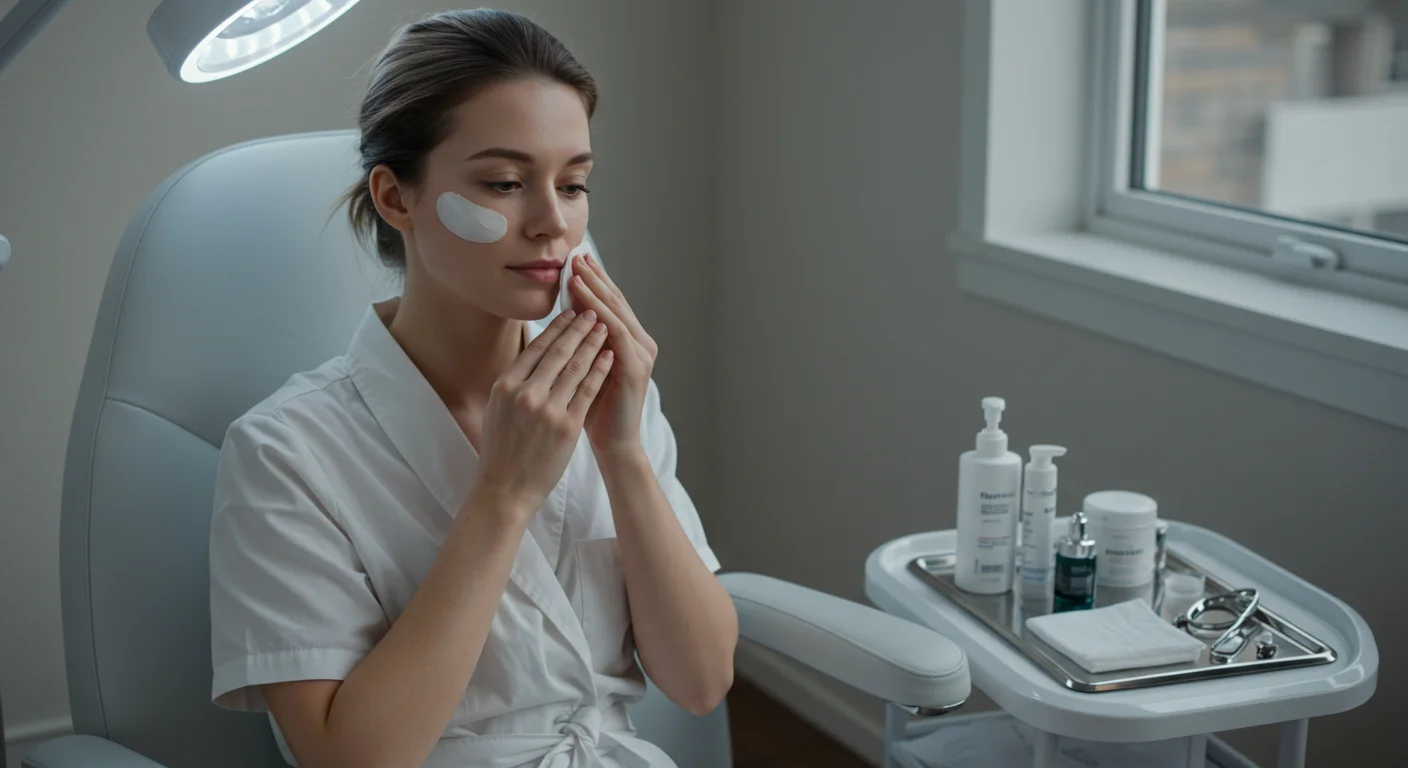
On the day of her first microneedling appointment, Sarah arrived at SkinDeep Aesthetics looking a little nervous but also prepared. Maria greeted her warmly and immediately applied the medical-grade numbing cream to Sarah’s face. “Now, we let this magic work for about 50 minutes,” Maria said, handing Sarah a warm blanket and a magazine. We have a dedicated relaxation room for this pre-treatment phase, designed to minimize stimulation and maximize the numbing agent’s efficacy.
During this waiting period, Maria also took the opportunity to explain the microneedling process once more, detailing the device we use – the SkinPen Precision (SkinPen official site), which is the only FDA-cleared microneedling device – and what Sarah could expect sensation-wise. This transparency helps manage expectations and reduces anxiety. “You’ll feel some pressure, maybe a vibration, but the sharp pricking sensation should be significantly dulled,” Maria assured her.
When it was time for the treatment, Sarah lay down, and Maria began. As the microneedling pen glided across her skin, Sarah’s eyes widened slightly, but she remained calm. “How are you doing, Sarah?” Maria asked gently. Sarah breathed out, “Honestly, Maria, it’s so much better than I expected. I can feel it, but it’s not painful. Just a weird sensation.” This was exactly the outcome we strive for. The combination of adequate numbing time and Sarah’s diligent pre-prep paid off.
According to a study published in the Journal of Clinical and Aesthetic Dermatology (Journal of Clinical and Aesthetic Dermatology), proper topical anesthesia can reduce patient-reported pain scores by up to 70% for procedures like microneedling and fractional laser treatments. That’s a significant improvement in patient comfort and experience.
Post-Procedure: Continued Care is Key
The numbing and pre-appointment prep doesn’t end when the treatment does. Maria then outlined Sarah’s post-procedure care. “Your skin will be red, like a sunburn, for the next 24-48 hours. Avoid direct sun, hot showers, and strenuous exercise that causes excessive sweating,” she instructed. “We’ll give you a specialized post-procedure serum to apply, rich in growth factors and soothing ingredients, to aid in healing and minimize downtime.” We also recommend a gentle cleanser and moisturizer from medical-grade lines like Alastin Skincare (Alastin Skincare official site), specifically their Gentle Cleanser and Soothe + Protect Recovery Balm.
Sarah followed every instruction meticulously. By her second appointment, she was visibly more relaxed. “I barely felt anything last time, Maria,” she exclaimed. “I almost fell asleep during the numbing!” This is the kind of feedback that validates our comprehensive approach.
Why This Matters for Your Skin Health
The case of Sarah illustrates a critical point: numbing and pre-appointment prep are not optional add-ons; they are integral components of a successful aesthetic treatment plan. Ignoring these steps can lead to unnecessary discomfort, increased downtime, and potentially suboptimal results. Your skin is an organ, and like any other organ undergoing a procedure, it needs to be in its best possible state to heal effectively and respond optimally to treatment.
Think about it: if your skin is dry and inflamed before a treatment, it’s already on the defensive. Adding a procedure on top of that just compounds the stress. Conversely, well-hydrated, calm skin is far more receptive to the active ingredients in numbing creams and recovers much more efficiently. We see this time and again with clients who adhere strictly to our guidelines versus those who take a more casual approach. The difference in their healing trajectories and overall satisfaction is stark.
As practitioners, our goal is always to provide the safest, most effective treatments with the least amount of discomfort. This requires a partnership with our clients. We provide the expertise and the tools, but their commitment to the pre- and post-care instructions is what truly seals the deal. We firmly believe that investing time in proper preparation is just as important as investing in the treatment itself. It’s a foundational element of achieving lasting skin health and truly enjoying your aesthetic journey.
Pre-appointment prep extends beyond just topical applications and dietary restrictions. It also involves managing your expectations. A good practitioner will always have an honest conversation about what you can realistically achieve, the potential side effects, and the recovery timeline. This transparency is key to building trust and ensuring you feel informed and empowered throughout the process. Don’t be afraid to ask detailed questions about every step – a reputable clinic will welcome them.
A Final Word of Caution
While numbing creams are widely available, it’s imperative to use products recommended by your practitioner. Over-the-counter options are generally much weaker and may not be effective for professional procedures. More importantly, improper application or overuse of strong topical anesthetics can have adverse effects. Always follow the guidance of a licensed professional. There’s a reason these are often prescription-strength and applied under supervision. Your safety and the integrity of your skin are paramount.
For Sarah, her commitment to the full numbing and pre-appointment prep protocol meant her microneedling series was not only tolerable but genuinely comfortable. Her skin now glows, the fine lines have softened, and her texture is dramatically improved. She’s become an advocate for thorough preparation, often sharing her experience with friends. Her journey underscores that a little planning goes a long way in achieving remarkable results and a positive aesthetic experience.
Effective numbing and pre-appointment prep are the unsung heroes of successful aesthetic treatments, directly impacting comfort, recovery, and ultimately, the radiance of your skin health. Always partner with your practitioner for a personalized plan that ensures your skin is optimally prepared for any procedure.
What is the ideal timeframe to start pre-appointment prep for aesthetic treatments?
You should ideally begin your pre-appointment preparation, including dietary adjustments and avoiding certain medications, at least 7-10 days before your scheduled aesthetic treatment to allow your body and skin sufficient time to prepare.
Can I use any over-the-counter numbing cream for my aesthetic procedure?
No, it is strongly recommended to use only medical-grade numbing creams provided or prescribed by your licensed aesthetician or dermatologist, as over-the-counter options are typically less potent and may not be effective for professional treatments.
Why is hydration so important before a skin treatment?
Proper hydration, both internal (drinking water) and external (hydrating skincare), ensures your skin barrier is healthy and robust, making it less sensitive to treatment, more receptive to numbing agents, and better equipped for efficient healing.
What common medications or supplements should I avoid before a procedure?
Generally, blood-thinning medications like aspirin, ibuprofen, and certain supplements such as fish oil, Vitamin E, and Ginkgo Biloba should be avoided for 7-10 days prior to treatment, but always consult your primary physician before discontinuing any prescribed medication.
How does sun exposure affect my pre-appointment prep and treatment outcome?
Sun exposure, including tanning, compromises your skin barrier and can increase sensitivity, inflammation, and the risk of post-inflammatory hyperpigmentation, making it crucial to avoid direct sun for at least two weeks before your appointment and use SPF 50+ diligently.


