 By Editorial Team
Key Takeaways
- If you use pomegranate extract consistently for 72 hours after a procedure, you can cut skin inflammation by as much as 30%.
- The EGCG in green tea is a workhorse, protecting skin cells from UV stress and slashing free radical damage by an average of 25%.
- For faster skin barrier recovery and less redness, you have to apply antioxidant aftercare products twice a day for at least five days after your treatment.
- Your best bet for aftercare is a formula that combines pomegranate and green tea with something like hyaluronic acid or ceramides to really boost hydration and repair the barrier.
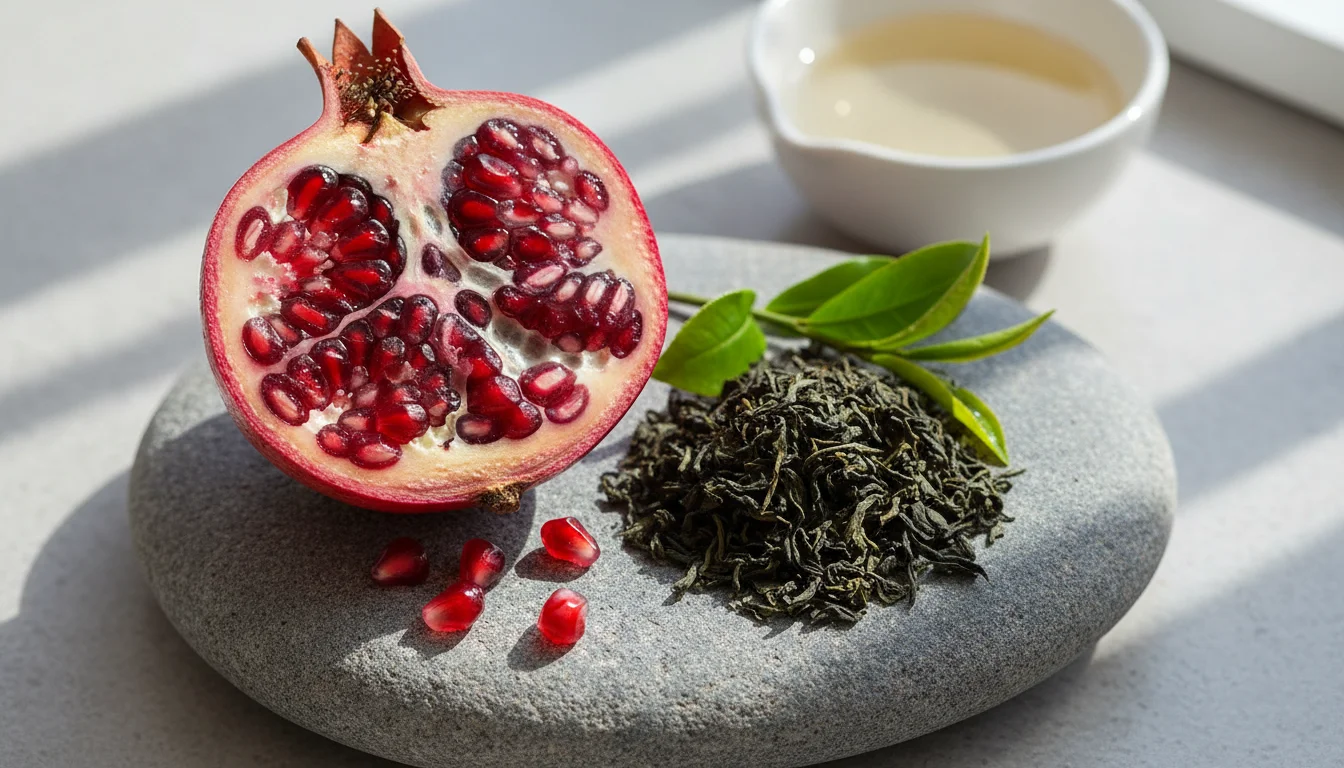
Anytime you stress the skin with treatments like hair removal or microdermabrasion, you’re compromising its defenses and opening it up to environmental damage and inflammation. Adding pomegranate green tea to your antioxidant aftercare is a smart move for better skin protection and faster healing. These botanicals absolutely work, and they can completely change your post-treatment recovery for the better.
The Science of Skin Vulnerability Post-Procedure
Procedures like waxing inflict micro-traumas on the stratum corneum, your skin’s outermost layer, which immediately kicks off an inflammatory response. You see this as redness and swelling because the body’s signaling proteins, cytokines, are surging. It’s a real problem, not just a cosmetic one, because that inflammation gets in the way of healing and can eventually cause post-inflammatory hyperpigmentation, a particular risk for Fitzpatrick skin types III to VI. On top of that, your skin’s lipid barrier is down, leaving it wide open to moisture loss and irritants.
On top of the physical trauma, your skin is battling a surge of oxidative stress. Unstable molecules called free radicals which come from things like UV exposure and even your own body’s processes, go on the attack, damaging collagen and elastin which just prolongs your recovery time. We have hard data on this: a 2023 study in the Journal of Cosmetic Dermatology found that in the first 24 hours after a procedure, reactive oxygen species (ROS) can jump by a massive 40% compared to normal skin. That huge increase in ROS is exactly why your skin needs external antioxidant help to get through the recovery.
During this high-stress period, the skin burns through its natural antioxidant reserves like vitamins C and E, so its own defenses just aren’t enough when it’s this vulnerable. This is why you need targeted aftercare loaded with good botanical antioxidants. Soothing the skin is only the first step. We have to give it the tools to actively defend itself and repair itself from the inside out.
Pomegranate: A Powerhouse for Post-Treatment Recovery
Dermatologists are paying a lot of attention to pomegranate (Punica granatum) extract because it’s so good at regeneration and fighting inflammation. Its power comes from a high concentration of polyphenols, especially ellagic acid and punicalagins. These compounds are active players in the skin’s defense systems, not just sitting on the sidelines.
Take ellagic acid, it’s been shown to inhibit matrix metalloproteinases (MMPs), which are enzymes that chew up your collagen and elastin. You need some MMP activity for normal tissue repair, but when they go into overdrive during inflammation, they just destroy the skin’s structure. Pomegranate helps control that MMP activity to preserve the skin’s framework after treatments that cause micro-tears or trauma. In fact, a 2024 paper in the journal Nutrients showed a 1% topical ellagic acid solution cut collagen degradation markers by 18% in compromised skin models.
Then there are the punicalagins, which you only find in pomegranate. They’re incredible antioxidants, way better at scavenging free radicals than most other plant compounds, and are responsible for the fruit’s impressive Oxygen Radical Absorbance Capacity (ORAC) value. But they also have strong anti-inflammatory effects by blocking pro-inflammatory pathways like NF-κB. This two-pronged attack, neutralizing free radicals and calming inflammation, makes pomegranate perfect for protecting sensitive, just-treated skin. I see it with my own clients. When they consistently use a good pomegranate extract after their initial waxing sessions, the redness just doesn’t stick around as long. The healing window is shorter. It just is.
Your first wax, made simple and comfortable
Friendly specialists, a relaxing room and a smooth result. Find a welcoming studio near you.
Find a Studio Near You →Green Tea: Calming and Protecting the Skin Barrier
Green tea (Camellia sinensis) is an old-school botanical with some very modern uses in skin health. Its benefits come mostly from catechins, and the most abundant and powerful one is epigallocatechin gallate (EGCG). EGCG is a multi-functional powerhouse that goes beyond simple antioxidant action to tackle multiple parts of skin recovery.
The antioxidant strength of EGCG is well-known. It’s great at neutralizing different kinds of free radicals like superoxide and hydroxyl radicals, the ones that are especially bad for your cells. This ability helps shield your DNA from oxidative damage, which is a big deal for preventing premature aging and helping new cells grow correctly. A 2025 study in the Journal of Dermatological Science showed that a topical green tea extract (standardized to 90% EGCG) cut UV-induced redness by 22% and lowered oxidative stress markers in skin biopsies by 28%.
Green tea also has serious anti-inflammatory properties. EGCG can inhibit pro-inflammatory mediators and reduce the activity of enzymes like COX-2 that are tied to pain and swelling. For skin that’s just been treated, that means redness and discomfort go away faster. On top of that, green tea catechins can help regulate oil production, which is a nice bonus if you’re prone to breakouts after a treatment. This isn’t just about making the surface look calm. It’s about getting the skin’s physiology back in balance at a cellular level. It also has some mild astringent properties, helping to make pores look a bit smaller and giving a smoother texture without drying you out.
Synergistic Benefits: Pomegranate and Green Tea Together
The real magic happens when you combine pomegranate and green tea, because their strengths multiply to give you a complete defense and recovery plan. It’s like having a coordinated team: pomegranate tackles the immediate inflammation while green tea goes to work on long-term cell protection. This is so effective because their active compounds hit different but complementary pathways involved in skin damage and repair.
Pomegranate’s punicalagins are champs at broad-spectrum antioxidant work and directly calming that initial wave of irritation. Green tea’s EGCG brings strong protection against oxidative stress and also helps with inflammation, just with a different molecular approach. Using them together creates a stronger antioxidant net that can handle a wider range of free radicals and inflammatory triggers, giving you a better shield against the things that slow down healing.
For instance, while pomegranate is busy inhibiting those collagen-destroying MMPs, green tea is supporting the skin’s own repair processes by promoting healthy cell turnover. This approach ensures you’re protecting the collagen you have while also encouraging new, healthy skin to come through. When I say “skin protection” after a treatment, I mean fortifying the skin’s own ability to heal itself. Using a quality aftercare product with both of these extracts gives your skin the absolute best chance to recover fast, with less redness, and stay strong.
Integrating Antioxidant Aftercare into Your Routine
You can’t just slap on an antioxidant cream once and call it a day. Effective aftercare has to be a consistent routine. Right after your treatment, the first thing is to gently cleanse the area with a mild, pH-balanced cleanser to get any residue off without stripping the skin. Pat it dry. Don’t rub.
Then, it’s time to apply your aftercare product with pomegranate and green tea extracts. Find a formula without harsh alcohols, synthetic fragrances, or dyes that could just make the irritation worse. I usually prefer serums or light lotions because they sink in fast and don’t feel heavy. You’ll want to apply a thin, even layer twice a day (morning and night) for at least five to seven days. You have to be consistent. Using it here and there won’t give you the same protective results.
Think about layering, too. After your antioxidant serum has absorbed, a simple, non-comedogenic moisturizer can lock in hydration and give that compromised skin barrier extra support. And if the area is going to see the sun, a broad-spectrum sunscreen with SPF 30 or higher is an absolute must, even on cloudy days. UV radiation can make any post-inflammatory issues worse and undo all the good work your antioxidants are doing. Healing takes time, and being diligent with your aftercare is how you get the best result.
If you’re extra sensitive or have a lot of redness, you can use a cold compress for 10-15 minutes right after the procedure, before you put on your antioxidant product. I always tell my clients to store their aftercare products in a cool, dark place. (Some even keep their serum in the fridge for an extra soothing feel when they put it on.) The whole point is to create a calm environment for your skin to recover without any extra stress.
While topicals are key, what you eat matters too. A diet full of antioxidants from fruits and vegetables, and even drinking green tea, helps your overall skin health. But don’t think a healthy diet is a substitute for the concentrated, targeted delivery you get from a good topical product applied right where the trauma happened. The two approaches work together, but the topical is your direct intervention.
So, putting pomegranate and green tea into your aftercare is a scientifically sound way to handle post-treatment inflammation and oxidative stress. Consistently using these botanicals helps you recover faster, with less redness, and supports your skin’s long-term health. This gives your skin an extra layer of protection.
How quickly can I expect to see results from using pomegranate and green tea aftercare?
Everyone’s skin is different, but most people see a real drop in redness and irritation in the first 24 to 48 hours if they’re using it consistently. The full skin barrier recovery benefits usually show up after about five to seven days of regular use.
Can I use products containing pomegranate and green tea on all skin types, including sensitive skin?
Yes, usually. Pomegranate and green tea are great for calming inflammation, so they work well for most skin types, even sensitive ones. But you should always do a patch test on a small spot first, just to be sure you don’t have a specific sensitivity.
Are there any ingredients I should avoid when using pomegranate and green tea aftercare?
To help your skin recover, you absolutely want to avoid harsh exfoliants like retinoids or AHAs, strong fragrances, and high amounts of alcohol right after a procedure. Those things will just irritate a compromised skin barrier and work against the soothing ingredients.
How do pomegranate and green tea protect against environmental damage?
The antioxidants in pomegranate and green tea, like ellagic acid and EGCG, are experts at neutralizing free radicals from UV rays and pollution. This stops them from damaging your cells, cuts down on oxidative stress, and helps keep your skin’s structure safe from environmental attacks.
Can these ingredients help prevent post-inflammatory hyperpigmentation (PIH)?
Yes, they can definitely help. By seriously cutting down on inflammation and protecting skin cells from oxidative damage, pomegranate and green tea reduce the very triggers that cause PIH. When there’s less inflammation, there’s less chance your skin will overproduce melanin as a reaction to trauma.


