 By Editorial Team
Dealing with hair removal when you have psoriasis is a challenge. Your skin is sensitive, often inflamed, and needs a careful approach to avoid making things worse. The standard methods can easily provoke a flare-up, which means more discomfort and potential damage to your skin. This guide gives you some real-world psoriasis waxing tips and strategies for sensitive skin hair removal that focus on keeping irritation and pain to a minimum. People with psoriasis really can get smooth skin without sacrificing their skin’s health.
Key Takeaways
- Talk to your dermatologist before trying any new hair removal method, especially if your psoriasis is active or covers a lot of skin.
- You must perform a patch test with any new wax on a small, clear patch of skin at least 48 hours before you plan to do a full wax.
- Find a professional waxing service that knows how to handle sensitive skin, uses gentle hard waxes, and has techniques that don’t traumatize the skin.
- Aftercare is a top priority, including applying soothing products immediately after and keeping up with a good moisturizing routine to protect your skin barrier.
- Do not wax during an active psoriasis flare-up or on any skin with lesions, plaques, or open sores. This is how you avoid the Koebner phenomenon.
Understanding Psoriasis and Skin Sensitivity
Psoriasis is an autoimmune condition where skin cells build up way too fast, creating those thick, silvery scales and red, itchy patches. Because of this accelerated cell turnover, the skin barrier is usually compromised, which makes it much more susceptible to irritation and trauma. For anyone with psoriasis, even a minor skin injury like a cut, a scrape, or aggressive rubbing can set off a new psoriasis lesion, this is what’s known as the Koebner phenomenon. This makes hair removal, particularly methods that involve pulling or physical exfoliation, a risky business.
The skin of someone with psoriasis is reactive. Inflammation is always simmering under the surface, and external stressors can easily intensify that response. Common irritants in hair removal products, like fragrances, dyes, or harsh chemicals, can provoke contact dermatitis on skin that’s already struggling. Plus, the dryness that comes with psoriasis makes the skin less pliable and more likely to tear or bruise during waxing. According to the American Academy of Dermatology Association, the Koebner phenomenon affects about 25% of people with psoriasis, often appearing 10 to 20 days after the skin trauma, so your approach to waxing must prioritize skin integrity above everything else.
Pre-Waxing Preparation for Psoriasis-Prone Skin
Thorough prep is everything for minimizing a bad reaction when you’re waxing with psoriasis. The first thing you must do is have a consultation with your dermatologist. This is essential. A dermatologist can check the current state of your psoriasis, tell you if there are any contraindications, and give you personalized advice. They might even recommend specific topical treatments to calm down inflammation for a few weeks before your appointment, or they might just tell you to avoid waxing altogether if your condition is active. For instance, if you’re dealing with pustular psoriasis or inverse psoriasis in the area you want waxed, a dermatologist will almost certainly advise against it because the risk of infection and severe irritation is so high.
After you get the green light from your doctor, it’s time to focus on nurturing your skin. Hydration is everything. For several days before the waxing session, consistently apply a thick, emollient cream that’s fragrance-free and hypoallergenic to help soften the skin and hair, which makes the whole process less traumatic. Don’t use any harsh scrubs or exfoliants in the days leading up to your appointment, since these can create micro-tears and make your skin even more sensitive. On the day of your appointment, the skin must be clean, dry, and completely free from any lotions or oils. If there are any active lesions, open sores, or significant plaques in the waxing area, you have to postpone the session. Waxing over these spots risks infection, intense pain, and making the psoriasis worse.
The smoothest skin you've ever had, no razor required
Skip the daily shave. Find a top-rated waxing studio near you and book your first visit in minutes.
Find a Wax Studio Near You →Choosing the Right Waxing Method and Professional
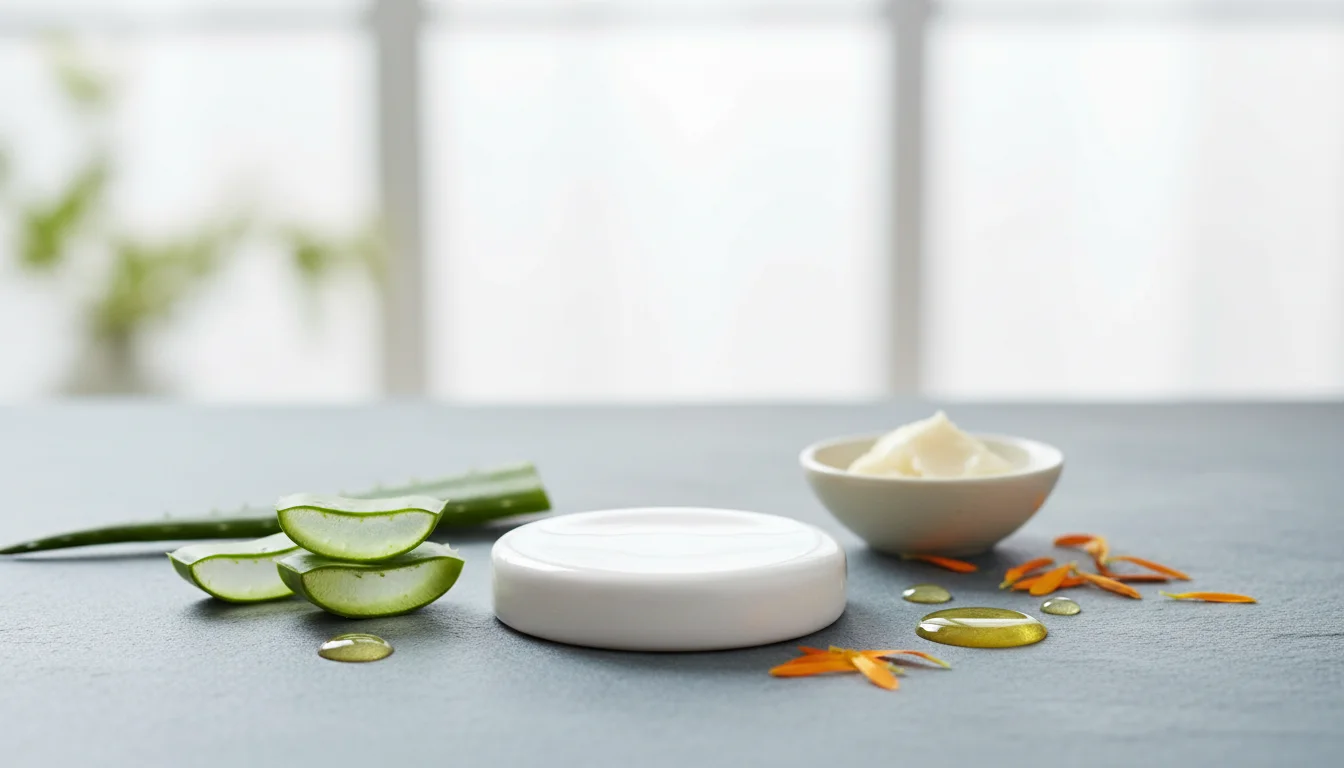
For anyone with sensitive skin, and especially those with psoriasis, the type of wax and the technician’s skill are what make all the difference. Hard wax is preferable to soft strip wax for sensitive skin. It’s not even a contest. Hard wax adheres only to the hair and not the skin which minimizes pulling and reduces irritation. As it hardens, it encapsulates the hair and is then removed on its own without a strip, making the whole thing less abrasive. Soft wax, which needs a cloth strip to be removed, sticks to both hair and skin, seriously increasing the odds of skin lifting or trauma for psoriasis sufferers. Ask what type of wax they’ll be using and look for formulas that contain soothing ingredients like chamomile, calendula, or tea tree oil (and no artificial fragrances or dyes).
Finding an experienced professional is just as important as the wax itself. You should actively seek out salons or estheticians who specifically say they specialize in sensitive skin hair removal or have experience with clients who have skin conditions. Ask them detailed questions about their techniques, hygiene, and exactly how they handle clients with psoriasis. A skilled technician will do a thorough skin check, ask about your medical history, and be ready to change their approach for you. They should be happy to perform a patch test on a small, out-of-the-way area at least 48 hours before your full appointment, which is the only real way to gauge your skin’s reaction to the wax and their specific technique. For instance, a reputable salon in Buckhead, Atlanta, known for its sensitive skin protocols, often schedules a free consultation just for patch testing and to discuss a client’s concerns about conditions like psoriasis.
During the Waxing Session: Minimizing Discomfort
Even with good prep and the right professional, the waxing process itself requires your full attention. Talk to your technician throughout the appointment. If you feel any excessive pain, burning, or serious discomfort, speak up immediately. A true professional can adjust their technique, maybe by applying wax in smaller sections or using a different angle for removal. They must also stretch the skin taut before each pull. This technique is incredibly effective at reducing discomfort and preventing the skin from lifting or bruising. Some technicians might even apply a cooling compress or a soothing pre-wax oil to create a barrier and protect the skin even more.
The speed and efficiency of the esthetician matter, too. Quick, confident pulls are much less painful and damaging than slow, hesitant ones. After each section is done, a good technician will immediately apply pressure to the waxed area, which calms the nerve endings and helps with redness. They should never re-wax the same area multiple times, since that dramatically increases the risk of irritation and triggering the Koebner phenomenon. If any spot shows signs of major redness, swelling, or pinpoint bleeding, they should stop working on it. Immediately. Your comfort and skin health are the priority, not getting perfectly smooth at any cost. It’s perfectly okay to stop a session if your skin is reacting poorly.
Post-Waxing Care and Long-Term Management
The care you take immediately after waxing and in the following days is what will soothe your skin, prevent inflammation, and support your skin barrier’s recovery. Right after the wax, your technician should apply a calming, antiseptic, and anti-inflammatory product. Look for things with aloe vera, alcohol-free witch hazel, or tea tree oil. You’ll want to avoid any heavy, thick creams right away, as they can trap heat and bacteria and potentially cause folliculitis.
For the next 24 to 48 hours, stay away from hot showers, baths, swimming pools, saunas, and intense workouts, since all of those can irritate your freshly waxed skin. Wear loose, breathable clothing to prevent friction and just let your skin breathe and recover. Keep moisturizing the waxed area daily with a gentle, fragrance-free moisturizer, and products with ceramides or hyaluronic acid are especially good for helping rebuild the skin barrier. If you notice any signs of an infection, like pus, redness that doesn’t go away, or increasing pain, get in touch with your dermatologist. A few days after waxing, you can help prevent ingrown hairs by exfoliating with a very gentle, non-abrasive method (like a soft washcloth), but do it cautiously and stop if you feel any irritation.
Long-term, you’ll need to think about how often you get waxed. Spacing your sessions out to every 4 to 6 weeks gives the skin plenty of time to heal and reduces the cumulative stress. Keeping up with your dermatologist’s prescribed psoriasis treatment plan is also a big piece of the puzzle. When your psoriasis is well-managed, your skin is healthier, which in turn means hair removal is a much more viable option. It’s a constant process of watching your skin, adjusting your routine, and working with your doctor. For more tips on maintaining healthy skin, you could read about general waxing rituals for comfort and skin health.
Handling hair removal with psoriasis means taking a proactive and informed approach where skin health is always the top priority. By understanding your condition’s quirks, picking the right professionals, and being diligent with your pre- and post-care, you can minimize discomfort and get smoother skin safely.
Is waxing safe for all types of psoriasis?
No, it’s not safe for all types or stages. You have to strictly avoid waxing any areas with active flare-ups, open sores, pustules, or heavy plaques. Always talk to a dermatologist first so they can assess your specific condition and tell you if waxing is a safe option for you.
What is the Koebner phenomenon, and how does it relate to waxing?
The Koebner phenomenon is when a new patch of psoriasis appears on clear skin after it’s been injured. Since waxing involves trauma from pulling out the hair, it carries a real risk of triggering this reaction in people with psoriasis, which would just create new spots of the condition.
Should I tell my waxing technician I have psoriasis?
Absolutely. You must tell your waxing technician that you have psoriasis before they start. This lets them use the right techniques, choose a wax that’s made for sensitive skin, and take the precautions needed to minimize irritation and avoid causing a flare-up.
What kind of wax is best for sensitive skin with psoriasis?
Hard wax is much better than soft strip wax for anyone with sensitive skin or psoriasis. It grabs the hair but not the skin, which cuts down on the risk of skin lifting and irritation when it’s pulled off. Ask for a hypoallergenic formula that doesn’t have any added fragrances or dyes.
What should I do if my skin reacts negatively after waxing?
If you get serious redness, swelling, pain that lasts, itching, or see signs of an infection (like pus), put a cold compress on the area and call your dermatologist right away. They can give you the right advice and prescribe treatments to manage the reaction and stop it from getting worse.


