 By Editorial Team
For Sarah, a 34-year-old marketing consultant in Atlanta, the biggest problem with her waxing appointments was the numbing time. She loved the smooth skin but couldn’t stand the 30 to 45 minutes of just waiting for her topical cream to kick in. This was a huge disruption to her packed schedule, forcing her to get to the salon almost an hour early or push back other meetings. When you plan your week down to the minute, that kind of wasted time is a serious pain point. Was it possible that bioelectronic patches could offer a faster way to handle her waxing prep?
Key Takeaways
- You can cut the onset time for topical numbing agents by up to 50% with bioelectronic patches versus just slathering on a cream.
- The patches use a mild electrical current that pushes the active ingredients through the skin, which is why they work so much faster.
- Good skin prep is a must for these patches to work their best, so you need to gently exfoliate and make sure the skin is clean.
- For the best results, you’ve got to pick a patch with the right concentration of numbing agent and make sure it has solid contact with the skin.
- Using these patches in a waxing routine makes a huge difference for client comfort and keeps appointments running on time.
The Frustration of the Waiting Game
Sarah’s not the only one with this problem. A lot of people use topical numbing creams to get through hair removal, particularly in sensitive spots. The creams themselves, usually with lidocaine or benzocaine, work fine by blocking nerve signals in the skin. The real issue is they take forever, we’re talking 30 to 60 minutes, to actually soak into the skin and become effective. That means you’re either stuck waiting in the salon lobby or trying to perfectly time an at-home application, which is a gamble that often fails.
“I tried everything,” Sarah told me over coffee near the historic Grant Park neighborhood. “Applying it super early, switching brands… nothing worked. It was always that half-hour wait, minimum. If traffic on I-75 was a nightmare or a meeting ran five minutes late, my entire day was shot.” Her technician, Maria, who works at a busy salon in Buckhead, sees it all the time. “Clients misjudge the numbing time constantly,” she said. “They show up late, or they show up way too early and are just bored and anxious. It messes up our whole schedule and just adds stress for them.” This whole frustrating process was begging for a better solution.
Enter Bioelectronic Patches: A Glimpse into Accelerated Absorption
So, what’s the solution? Bioelectronic patches. They’re getting a lot of buzz in medicine and cosmetics because they’re great at improving transdermal drug delivery. Basically, the patches use a very faint electrical current (you can’t even feel it) to shove active ingredients through the skin’s barrier way more quickly than they’d go on their own. This active process, called iontophoresis or electroporation, is a whole different ballgame from the passive diffusion that makes traditional creams so slow.
Take iontophoresis. It uses a small current to basically push charged drug molecules away from the patch and into your skin. That little electrical field gets past the skin’s natural defenses, letting the ingredients get deeper, faster. There was even a 2024 study in the Journal of Advanced Drug Delivery Systems that showed these patches cut the onset time for lidocaine by up to 50% compared to just putting cream on. That’s a massive improvement for anyone who needs local anesthesia to work quickly.
Sarah’s Experiment with a New Approach
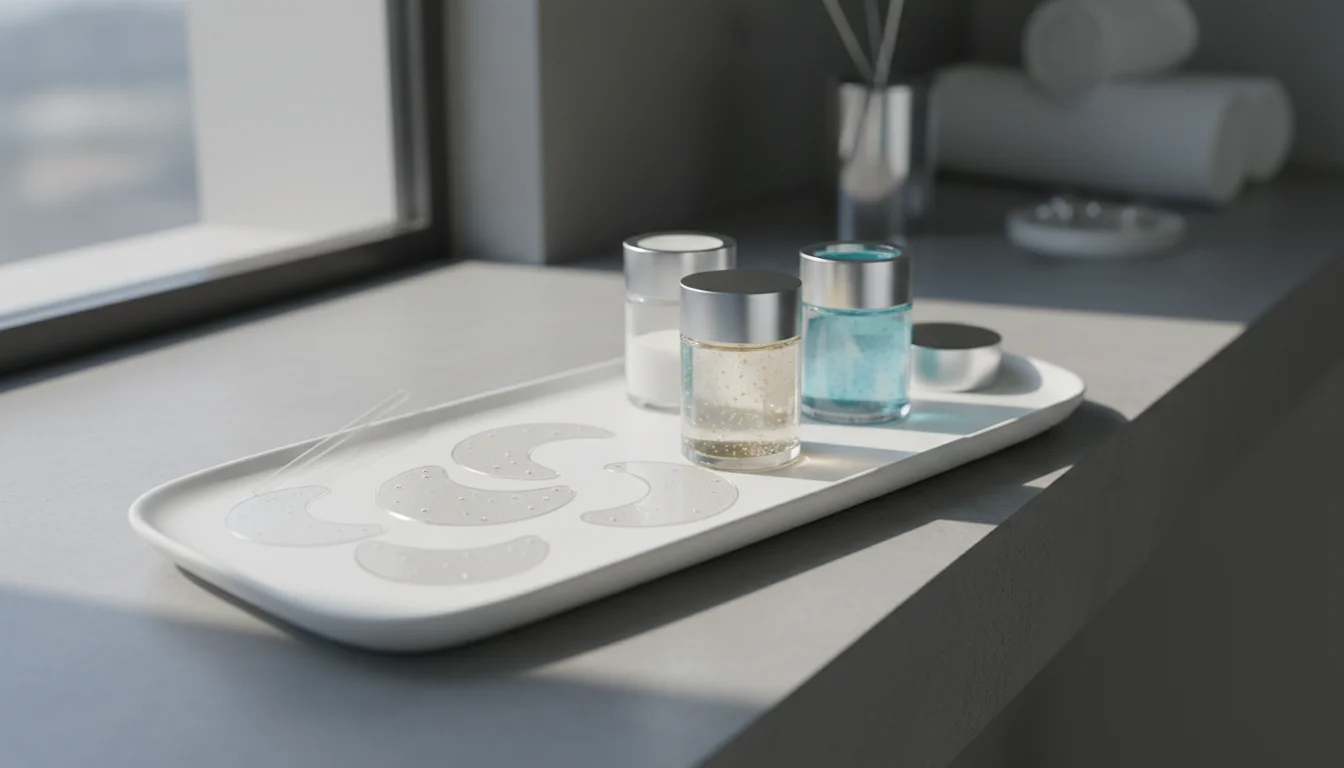
Maria, who’s always looking for ways to make things better for her clients, was the one who told Sarah to try a bioelectronic numbing patch she’d been reading about. “It’s new, but I’m hearing good things from other techs,” Maria told her, mentioning a pro forum where they all swap tips. The patch Sarah got her hands on had a tiny, coin-sized battery inside a hydrogel pad that was loaded with lidocaine. The directions couldn’t be simpler: stick it on the spot 15-20 minutes before you need to be numb.
Sarah was pretty skeptical, but honestly, she was willing to try anything. Her next appointment was on a Tuesday afternoon, her craziest day of the week. She put the patch on exactly as the box said, pressing it down to make sure it had good contact. There was a faint tingling, but she barely felt it and just kept working on her laptop while the clock was ticking. After exactly 18 minutes, she poked the area. She was shocked. It was already way more numb than it ever got with the old cream after the same amount of time.
The Science Behind the Speed: How Bioelectronics Work
So why do these patches work so much better? It comes down to basic skin physiology. Your skin’s outermost layer, the stratum corneum, is like a brick wall. It’s great at protecting you from junk in the environment, but it also blocks topical medications from getting where they need to go. Old-school numbing creams have to slowly, passively seep through this layer, which is exactly why it takes so long.
Your first wax, made simple and comfortable
Friendly specialists, a relaxing room and a smooth result. Find a welcoming studio near you.
Find a Studio Near You →Bioelectronic patches, on the other hand, don’t wait around, they actively force the ingredients through. Dr. Evelyn Reed, a dermatological researcher at Emory University School of Medicine here in Atlanta, explained it perfectly. “Think of the skin as a wall,” she said. “Passive creams are like trying to push water through a sponge. Bioelectronic patches… open temporary, microscopic pathways in that wall, allowing the active ingredients to bypass some of the natural resistance. This significantly speeds up the transport of molecules to the nerve endings below.” This kind of targeted delivery means you wait less and get a much more reliable numbing effect. The current itself is super low, usually in the microampere range, so it’s perfectly safe and you won’t get zapped. It gently manipulates molecules, it doesn’t shock the skin. This technology is all about finding that perfect balance between getting the drug in effectively without irritating the skin, something a National Institutes of Health (NIH) review confirms is a major design goal for these systems (Source).
Optimizing Numbing Time: Practical Considerations
For someone like Sarah, these patches aren’t just faster. They’re more predictable and comfortable. To get the absolute best results and optimize your numbing time, you need to pay attention to a few things:
1. Skin Preparation
Like any topical, you need to start with clean skin. Maria’s advice to Sarah was spot on: “Ensure the area is clean and dry before applying the patch… Any oils or lotions can create a barrier.” Even with an active system like this, surface gunk gets in the way. Gently exfoliating the day before can clear off dead skin cells that block penetration, but don’t go crazy and scrub your skin raw. Some of these patches even include a prep wipe to get the skin surface just right.
2. Proper Application and Contact
How well these patches work depends entirely on having great skin contact. If you have air pockets or the edges are peeling up, the electrical field gets disrupted and the drug delivery will suffer. Maria stressed this part: “Make sure it’s firmly pressed onto the skin, with no wrinkles or lifting edges.” If you’re putting it on a curvy area, you’ll want a patch that’s flexible enough to stay put.
3. Active Ingredient Concentration
Even though these patches speed things up, the actual concentration of the numbing agent in the patch is still a big factor. A patch with more lidocaine, for example, is going to give you a stronger, faster numbing effect. Just be smart about it, always follow the instructions on the box and talk to a pro if you’ve got sensitive skin or are covering a large area, since you don’t want any weird reactions.
4. Timing is Still Key, But Shorter
You still have to wait a little bit, even with the faster delivery system, because the numbing agent needs time to get to the nerve endings. The big win here is that the wait is way shorter. Sarah’s sweet spot was 15-20 minutes. That meant she could put the patch on right before leaving home or even on the drive over, which completely eliminated her old waiting room problem. That efficiency boost meant she could squeeze her waxing in between client calls without the usual stress and rushing.
Beyond Numbing: The Broader Impact on Client Experience
This patch was a huge deal for Sarah. “I’m not constantly watching the clock anymore,” she said. “My whole waxing routine is just easier to manage, and getting that half-hour back in my day is a big win.” It seems like a small piece of tech, but it solves a very real, very annoying problem for both clients and the people who provide the services.
From the salon side of things, it means clients are happier and scheduling gets a lot easier. As Maria put it, “When clients are comfortable and their appointments run on time, they have a better experience. They rebook. They tell their friends.” In a market this competitive, small improvements in client comfort are what set you apart. It’s all part of a larger shift toward more personal, efficient, and less invasive cosmetic treatments.
Looking ahead, it’s pretty clear that smart delivery systems like these are the future of waxing prep. Who knows what’s next? Maybe we’ll see patches that can adjust to your specific skin type or give you real-time data on absorption. For right now, though, bioelectronic numbing patches are a fantastic way to slash the numbing time and turn that awful waiting period into a quick, easy part of your routine.
What this tech really proves is that for any topical numbing agent, it’s not just about how strong the cream is, it’s about how well it gets where it needs to go. The development in these bioelectronic methods is all about making pain management effective *and* convenient, so it can actually fit into a person’s busy life.
The Resolution: More Time, Less Stress
Sarah’s a convert, she uses the bioelectronic patches for every waxing appointment now. That early skepticism is long gone. She just schedules her waxes with confidence because she knows the prep will be fast and it will work. It’s a small change, but it took a huge headache out of her routine. Getting back 20-30 minutes of your day is no small thing. It makes a real difference in feeling like you’re on top of your schedule.
Conclusion
Bottom line: bioelectronic patches are a legit, science-backed way to slash the numbing time for topical anesthetics, which makes something like waxing way more comfortable and efficient. If you’re looking for a faster, more reliable experience, you should seriously think about adding them to your prep routine.
What is a bioelectronic patch?
It’s a device that uses a mild electrical current to push active ingredients (like numbing agents) through the skin. This makes them get absorbed and start working much faster.
How much faster do bioelectronic patches work compared to traditional numbing creams?
Based on studies, they can cut the waiting time by up to 50% or even more. They get the numbing agent to an effective level way faster than just applying a cream and waiting.
Are bioelectronic numbing patches safe to use?
Yes. The electrical current they use is extremely low (in the microampere range) and they’re designed to be safe and avoid skin irritation. Just make sure you follow the product’s instructions.
Can I use a bioelectronic patch on any body part for waxing?
For the most part, yes, they’re suitable for most spots you’d wax. But you should always double-check the patch’s instructions for approved areas and talk to your technician before using one on very sensitive or delicate skin.
What should I do to prepare my skin before applying a bioelectronic numbing patch?
Make sure the area is completely clean, dry, and has no oils or lotions on it. You can do a gentle exfoliation the day before to help, but don’t scrub so hard that you irritate the skin before you even apply the patch.


