 By Robert Jones
Key Takeaways
- Demand for simple, effective routines is pushing the global skincare market toward a projected $246.2 billion by 2026.
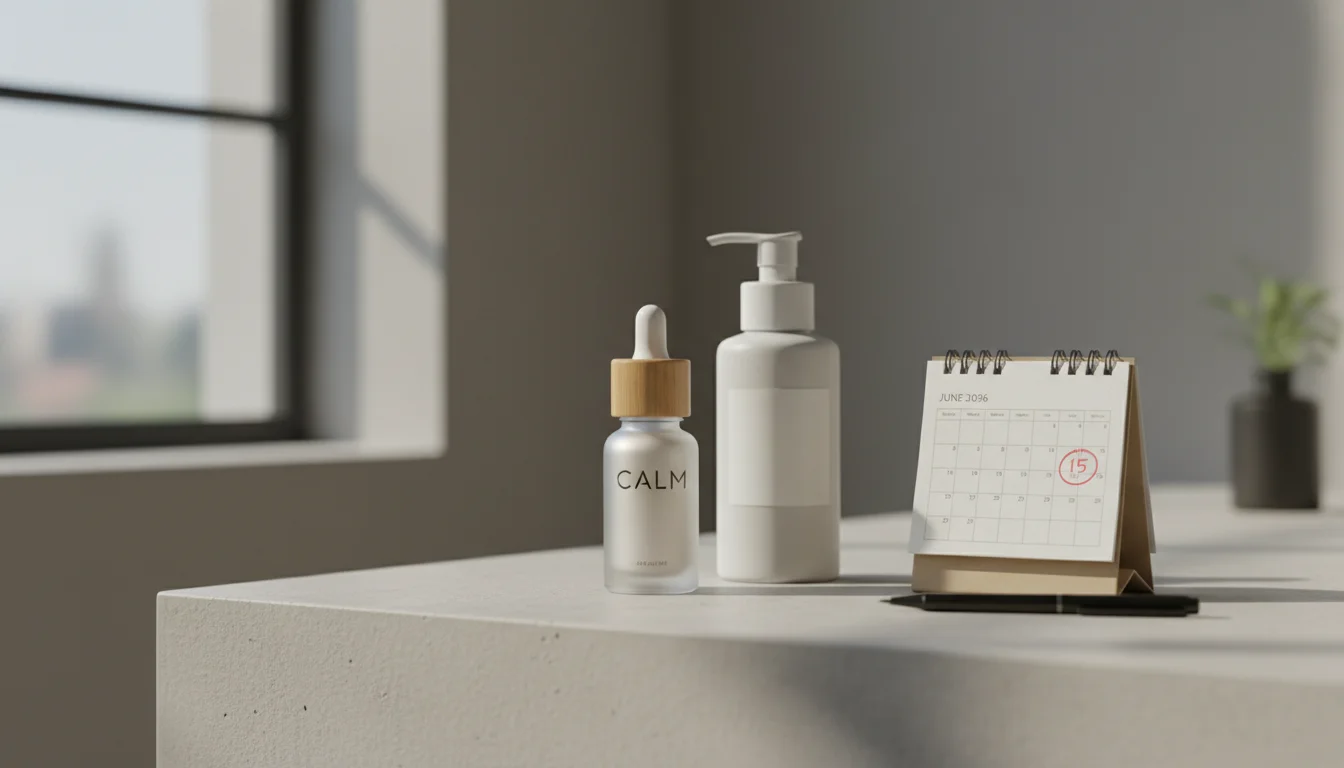
- Skinimalism, using fewer, harder-working products, is a perfect fit for wax aftercare because it cuts out potential irritants and simplifies upkeep.
- Effective post-waxing care boils down to three steps: gentle cleansing, soothing hydration, and smart exfoliation, all while avoiding harsh stuff.
- Consumers are getting smarter about ingredients and sustainability, and it’s changing what they buy in the skincare aisle.
- Using a skinimalist aftercare strategy is one of the best ways to reduce ingrown hairs and irritation, giving you healthier, smoother skin after a wax.
That massive $246.2 billion valuation the skincare market is chasing by 2026 isn’t coming from complicated 12-step routines. A 2023 Grand View Research report points to the real driver: people just want simple and effective. This is where skinimalism comes in, and for anyone who gets waxed, it’s the most practical approach to wax aftercare. It strips down the process to what actually keeps skin smooth and healthy, without all the extra noise.
The Rise of Skinimalism in Skincare
Skinimalism is a direct reaction from consumers who are just tired of it all. People are ditching the bathroom counters cluttered with a dozen products that either do the same thing or, worse, just plain irritate their skin. The focus now is on results and knowing exactly what’s in the bottle. This isn’t just a feeling. A 2024 Mintel survey confirmed that 68% of skincare users want simpler routines because they’re worried about how products interact and can’t decipher the long ingredient lists. This is what’s fueling the skinimalist movement.
Consumers are actively seeking out products that deliver several benefits without a bunch of filler components. Why use two separate products when a single serum can combine hyaluronic acid for hydration with niacinamide for barrier support? This consolidation saves time and money, of course, but it also dramatically reduces the likelihood of a bad reaction that can happen when you layer too many active ingredients. It’s about fewer bottles, better results.
Why Skinimalism is Ideal for Wax Aftercare
After a wax, your skin is always sensitive. The hair removal itself, while great for smoothness, temporarily disrupts the skin’s protective barrier. Throwing a bunch of different products with various active ingredients at it right after is a recipe for overwhelming that compromised barrier, which is what causes irritation, redness, and even breakouts. This is where a skinimalism approach really works.
By focusing on a few high-quality products meant to soothe, hydrate, and protect, you can help your skin recover without causing extra stress. The goal is to nurture it. My own experience with clients over the past decade confirms this: the ones who adopt a minimalist aftercare routine consistently report fewer ingrown hairs and have way less post-wax irritation. It’s simply intelligent care.
Think about the common problems after waxing, inflammation, dryness, and the risk of ingrown hairs. A skinimalist routine tackles these things with targeted simplicity. Instead of reaching for a harsh scrub, a toner, a serum, and a heavy cream, a much better strategy is to use a gentle cleanser, a soothing hydrating lotion, and maybe a mild chemical exfoliant a couple of days after the wax. This allows the skin to heal on its own terms while getting just enough support to prevent problems.
Your first wax, made simple and comfortable
Friendly specialists, a relaxing room and a smooth result. Find a welcoming studio near you.
Find a Studio Near You →Core Principles of Skinimalist Aftercare
A skinimalist approach to wax aftercare boils down to three main things: gentle cleansing, soothing hydration, and targeted exfoliation. Each part of this plan emphasizes using effective, but simply formulated, products.
- Gentle Cleansing: For the first few days after your wax, you need to use a mild, fragrance-free cleanser. The whole point is to get rid of surface gunk without stripping the skin’s natural oils or causing more irritation. I tell my clients to look for cleansers with ingredients like glycerin or ceramides, since they help the skin barrier. Just make sure to avoid harsh sulfates or any strong exfoliants in your cleanser while your skin is this sensitive.
- Soothing Hydration: This is the most critical step. Post-waxing, your skin is thirsty and needs moisture to repair itself and stay supple. Go for a rich, non-comedogenic moisturizer or body balm that has calming and hydrating ingredients like aloe vera, shea butter, hyaluronic acid, or colloidal oatmeal, and don’t be shy about applying it to the waxed areas. Consistency is what makes the difference here. Hydrated skin is more resilient and won’t get as flaky or tight.
- Targeted Exfoliation (after 24-48 hours): Exfoliation is your best friend for preventing ingrown hairs, but you have to get the timing and method right. You can start gently exfoliating 24 to 48 hours after your wax, once that initial tenderness has gone away. But instead of an abrasive physical scrub that can create tiny tears in the skin, I recommend a product with mild chemical exfoliants like salicylic acid or lactic acid. These ingredients work by gently dissolving dead skin cells so pores don’t get clogged, which lets the new hair grow out easily. You can start with a low concentration, maybe a 2% salicylic acid serum a couple of times a week, and see how your skin handles it.
What you don’t use is just as important as what you do. Stay away from products with alcohol, strong fragrances, or retinoids right after waxing. They’ll just make the sensitivity worse and can lead to some pretty uncomfortable reactions. Simplifying your routine means cutting these potential troublemakers out entirely.
Ingredients to Prioritize and Avoid
When you’re putting together your minimalist aftercare kit, you have to know your ingredients. Look for things known to calm, hydrate, and support the skin barrier. Aloe vera, for example, is a classic anti-inflammatory that does wonders for reducing redness. Hyaluronic acid is a superstar at pulling moisture into the skin, helping it stay hydrated. Ceramides are fats that are naturally in your skin and are key for rebuilding that barrier after it’s been disrupted by a wax. And don’t forget niacinamide (Vitamin B3), which is great for reducing inflammation and can even improve skin texture over time.
On the flip side, a skinimalist routine means you actively avoid ingredients that provoke irritation or slow down healing. This list includes:
- Artificial Fragrances: They’re a super common cause of allergic reactions and irritation, especially when skin is already sensitive.
- Alcohol (denatured alcohol, isopropyl alcohol): These are extremely drying and can wreck your skin’s natural barrier.
- Harsh Physical Exfoliants: Any scrub with big, jagged particles (like crushed shells or seeds) can cause micro-tears on delicate, post-waxed skin.
- High concentrations of active ingredients: While things like retinoids, high-percentage AHAs, or potent vitamin C serums have their place, they are way too strong for freshly waxed skin. Just give your skin a few days to recover before you bring them back into your routine.
The whole point of skinimalism is being intentional. Every product and ingredient has a specific, helpful job, which takes all the guesswork and potential for harm out of an overloaded routine. This smart approach makes sure your skin gets exactly what it needs to heal after waxing, nothing more, nothing less.
The Long-Term Benefits of a Minimalist Approach
Sticking with skinimalism for your wax aftercare does more than just calm things down right after your appointment. It builds healthier skin over the long haul. When you’re consistently using just a few, well-chosen products, you’re not repeatedly exposing your skin to potential irritants, which makes your skin barrier stronger and less reactive over time. This reduces all those common post-waxing problems like chronic ingrown hairs, persistent redness, and sensitivity.
You also get much better at listening to your skin and figuring out what it actually needs, which means you stop wasting money on products that don’t work for you. In a world where sustainability is a real concern, a minimalist routine also happens to be more eco-conscious. Fewer products mean less packaging and a smaller environmental footprint which lines up with a bigger consumer shift, a 2025 McKinsey & Company report projects the sustainable skincare packaging market will grow 15% annually through 2030 because people want less waste.
For someone who waxes regularly, a skinimalist aftercare plan isn’t a fad. It’s a strategic investment in keeping your skin smooth and healthy. It turns aftercare from a chore into something intuitive and effective that actually supports your skin’s ability to heal itself. From my chair, the clients who embrace this philosophy are always happier with their waxing results and their skin’s overall condition. It just proves that less really is more.
By embracing skinimalism for your wax aftercare, you’re choosing to prioritize your skin’s health with a simple, smart routine. This isn’t just about avoiding irritation right after your appointment. It’s about building clearer, more resilient skin for the long term.
What does “skinimalism” mean for aftercare?
It’s a simplified routine using fewer, multi-tasking products to help skin heal after hair removal. You focus on the essentials: gentle cleansing, hydration, and targeted exfoliation.
When can I start my aftercare routine after waxing?
You can start the gentle cleansing and hydrating part right away. But hold off on any exfoliation for 24 to 48 hours to let the initial sensitivity go down first.
What ingredients should I look for in aftercare products?
Look for soothing and hydrating ingredients like aloe vera, hyaluronic acid, ceramides, and niacinamide. For exfoliation later on, mild options like salicylic acid or lactic acid are best.
Are there ingredients to absolutely avoid after waxing?
Yes. Stay away from products with artificial fragrances, drying alcohols (like denatured or isopropyl), harsh physical scrubs, and strong actives like retinoids or high-percentage AHAs right after your appointment.
Can a simple routine really prevent ingrown hairs?
Yes, a skinimalist approach can definitely help prevent ingrown hairs. Consistent gentle cleansing and targeted chemical exfoliation keep pores clear so new hairs can grow out easily, and reducing overall irritation also helps a lot.


