 By Robert Jones
Key Takeaways
- Vegan wax ditches beeswax and lanolin for plant-based resins and oils, so it’s a great option if you have sensitivities to animal-derived ingredients.
- If you struggle with irritation and redness after a bikini wax, switching to a vegan hard wax can make a real difference, since it avoids common allergens found in animal products.
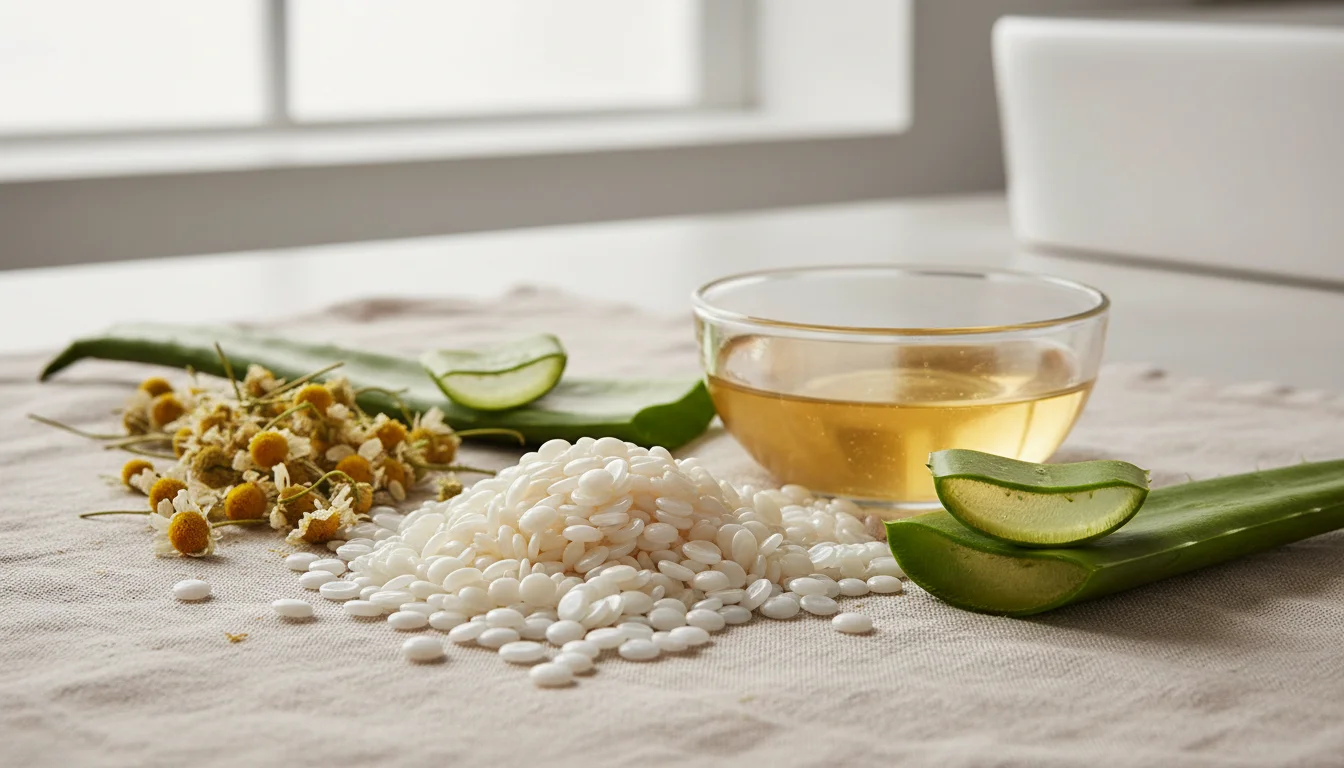
- A lot of vegan wax formulas include botanicals like chamomile or tea tree oil, which actively soothe the skin during the service and help it recover faster.
- The huge demand for ethical beauty products has pushed vegan wax technology forward, so now these waxes pull hair just as effectively as traditional options.
- To get the most out of a vegan wax, you absolutely need a solid pre-wax prep and aftercare routine using gentle exfoliation and plant-based moisturizers.
The push for plant-based and cruelty-free products has completely changed the beauty industry, and vegan wax has become a go-to for hair removal. For a delicate spot like the bikini line, the ingredients in your wax determine how your skin will react and how comfortable you’ll be. So, does a vegan formula actually give you a better, less irritating wax, especially if you have sensitive skin? The evidence points to yes.
Understanding Vegan Wax Formulations for Bikini Areas
The label “vegan wax” just means it’s made without any animal-derived ingredients. This is a bigger deal than you’d think, especially for products going on your most sensitive skin. Traditional waxes are full of beeswax for its grip and pliable texture, and some have lanolin (from sheep’s wool) for its softening properties. But if you have an allergy or sensitivity to those ingredients, a vegan wax gets rid of that problem from the start. Instead of beeswax, vegan waxes use a mix of synthetic resins and plant-derived ingredients. This usually includes things like pine resin (or synthetic versions if you have a pine allergy), different vegetable oils like jojoba or sunflower oil, and other natural thickeners. The goal is simple: make it work just as well as traditional wax, but keep it ethical and free of animal products. When you’re waxing the bikini area, where skin is thin and reactive, ingredient purity is everything. A formula without common allergens or harsh chemicals is going to cause a lot less post-wax redness, bumps, and general discomfort. Because so many clients are demanding options for ultra-sensitive skin, manufacturers are putting a lot of work into hypoallergenic vegan wax formulas. As a result, today’s vegan waxes are often a technically superior choice for specific skin needs.
Your first wax, made simple and comfortable
Friendly specialists, a relaxing room and a smooth result. Find a welcoming studio near you.
Find a Studio Near You →The Science Behind Reduced Irritation for Sensitive Skin
The idea that vegan wax is better for sensitive skin isn’t just a feeling. Its benefits are rooted in dermatological principles. Most skin reactions, especially on the bikini line, are just inflammation from ingredients that set off your immune system. Animal-derived products, even though they’re “natural,” can contain proteins that act as allergens for some people. Taking them out of the wax formula automatically lowers the risk of that kind of reaction. Many vegan waxes also leave out other common irritants like synthetic fragrances, parabens, and certain dyes that are known to aggravate sensitive skin. Instead, you’ll find them packed with soothing plant extracts famous for their anti-inflammatory and calming effects. Ingredients like chamomile extract, calendula oil, or tea tree oil are common in good vegan waxes. Chamomile, for example, contains compounds like bisabolol and chamazulene, which are well-documented for reducing redness and inflammation. The National Center for Complementary and Integrative Health (NCCIH) even details its long history of anti-inflammatory use. At the same time, tea tree oil offers powerful antiseptic and anti-inflammatory properties, according to a review in Clinical Microbiology Reviews, making it perfect for preventing post-wax breakouts. The physical nature of the wax matters, too. Hard waxes, which are preferred for bikini waxing because they grab the hair without sticking badly to the skin, are widely available in vegan formulas. This kind of wax shrink-wraps the hair as it cools, lifting it from the follicle cleanly. Because it’s pulling the hair and not your skin, it’s way less painful and irritating which is a huge relief if you have fine hair and sensitive skin. That grip-the-hair-not-the-skin method is what makes for a less painful service, and when you combine that with a botanical-rich vegan formula, you get a much gentler experience overall.
The Comfort Factor: A Smoother Bikini Waxing Experience
Everyone wants a comfortable bikini wax. For a lot of people, the pain is a real turn-off. Comfort waxing covers the whole experience: less pain during the pull and less redness, bumps, and ingrowns afterward. Vegan waxes are a big part of achieving that. First, the texture and pliability of modern vegan hard waxes are engineered to be super flexible. This allows your technician to apply it smoothly so it can wrap around every contour, gripping even the shortest hairs on the first try. Fewer passes over the same patch of skin means less trauma and irritation. Simple as that. Many vegan waxes also have a lower melting point than old-school formulas, so you don’t get that scorching heat during application. The nourishing oils in vegan waxes also make things more comfortable. Ingredients like coconut oil or shea butter condition the skin while the wax is on, so it doesn’t get stripped of its natural moisture. Dry, tight skin is way more prone to irritation and makes hair removal feel more painful. By keeping the skin hydrated, these waxes help it recover faster with less sensitivity. In my own practice, I see a clear difference, clients who switch to a quality vegan wax consistently report less tenderness right after the service and their skin calms down much quicker. It’s a well-rounded approach to skincare that’s built right into the hair removal process itself, leaving skin feeling nourished, not raw.
Aftercare and Long-Term Skin Health Benefits
The perks of using a vegan wax for your bikini area don’t stop when you walk out of the salon. They have a real impact on your long-term skin health. Aftercare is always important, but you get even better results when you pair it with a gentler wax. Vegan formulas tend to leave less sticky, pore-clogging residue behind, which makes the aftercare routine a lot simpler. Right after a wax, your hair follicles are open and vulnerable to bacteria. Following up with aftercare products that are also plant-based and free of harsh chemicals continues the gentle treatment you started. Look for soothing lotions with ingredients like aloe vera, witch hazel, or green tea extract. Aloe vera, as detailed in a review in the Indian Journal of Dermatology, has proven healing and anti-inflammatory properties that calm skin and help prevent ingrowns. Over time, sticking with a vegan wax and a good aftercare routine will give you healthier, more resilient skin down there. Less chronic irritation means fewer problems with hyperpigmentation (dark spots) or scarring, and a much smoother overall texture. For anyone who constantly battles folliculitis or bumps, making the switch can be a big deal because you’re removing triggers like animal fats or synthetic fragrances. This whole approach strengthens the skin’s natural barrier, making it less reactive to future waxes. It’s a cumulative effect, gentle wax plus thoughtful aftercare builds healthier skin.
Making the Switch: What to Look for in Vegan Wax Services
Okay, so you’ve decided to try vegan wax for your bikini line. Great choice. But not all vegan waxes or services are the same, so you need to know what to ask for to get the best results. With the explosion of vegan beauty, the quality of products on the market varies a lot. First, ask your esthetician about the specific wax they use. A good salon will be happy to tell you what’s in it. You want to see “plant-based resins,” “synthetic polymers,” and nourishing oils like “jojoba oil” or “coconut oil” on the ingredient list. Be wary of vague terms like “natural,” because that can still include beeswax. Many professional salons will advertise their vegan options and even name the brands they use. Beyond the product, the technician’s skill is paramount. Even the best wax in the world won’t work well without an expert applying it. A pro knows how to work with different skin types and hair growth patterns to make the process as comfortable as possible and prevent reactions. They should also be able to give you solid advice on pre- and post-wax care that works with vegan products and sensitive skin. Don’t be shy, ask about their process and hygiene protocols. Finally, look at the salon itself. A clean, calm space makes a huge difference, especially for a personal service like this. Your technician’s expertise and the salon’s environment are just as important as the wax itself. Using a plant-based vegan wax for your bikini area, especially one enriched with botanicals, is one of the best ways to get a more comfortable service with less irritation, particularly if you have sensitive skin.
What makes vegan wax different from traditional wax?
Vegan wax formulations exclude all animal-derived ingredients like beeswax, lanolin, and carmine. They use plant-based resins, synthetic polymers, and vegetable oils such as jojoba or sunflower oil to get the right consistency and effective hair removal.
Is vegan wax less painful for bikini waxing?
Most people find that vegan hard waxes make for a less painful and more comfortable bikini wax. This is usually because the formulas are designed to grab the hair instead of the skin, and they often contain soothing plant extracts while leaving out common irritants.
Can vegan wax help prevent ingrown hairs?
While no wax can 100% prevent ingrown hairs, vegan waxes can definitely help reduce them. By causing less skin irritation and inflammation during the service, they lower the chances of ingrowns, especially when you follow up with a consistent exfoliation and moisturizing routine.
Are there any specific ingredients to look for in a vegan wax for sensitive skin?
Yes, for sensitive skin, look for vegan waxes containing soothing ingredients like chamomile extract, calendula oil, tea tree oil, or aloe vera. These botanicals are known for their anti-inflammatory properties that help minimize redness and calm the skin after waxing.
How should I prepare my skin for a vegan bikini wax?
To get your skin ready, gently exfoliate the bikini area a day or two before your appointment. On the day of, make sure your skin is clean, completely dry, and has no lotions or oils on it. You should also stay out of the sun or tanning beds right before your wax to avoid making your skin more sensitive.


